drug

Latest PDA Technical Reports Updates You Should Know

Yejin Lee

Global Regulatory Affairs Manager, Biogen, USA


Introduction

When a new regulation or inspection trend appears, quality professionals usually ask the same question: what does good practice look like in detail? Regulations set expectations, but they rarely explain how to meet them. Much of that practical detail comes from industry bodies, and the Parenteral Drug Association (PDA) is one of the most widely used sources in sterile and biologics manufacturing.

PDA Technical Reports (TRs) are consensus documents written by volunteer teams from industry and often reviewed with input from regulators. They are not laws or regulatory guidance, but inspectors, auditors, and manufacturers around the world refer to them. A site that follows a current TR can usually explain and defend its approach far more easily.

PDA has been busy. Several long-standing reports were revised in 2026, new PDA/ANSI standards were published, and a group of newer Points to Consider documents addresses sterile and advanced therapy manufacturing. This article summarises the main updates, explains why they matter, and suggests practical steps for getting value from them.

A note on scope: the summaries below come from PDA’s own publication pages and press releases. I have not reproduced the reports themselves, so please read the full documents, available through the PDA Bookstore, before changing any procedure.


Understanding PDA Documents: What Type Is It?

PDA publishes several kinds of documents, and knowing the difference helps you judge how much weight to give each one.

  • Technical Reports (TRs) are detailed, consensus-based guides on a specific topic, such as process validation or sterilisation. They are the best-known PDA product.
  • Points to Consider (PtCs) present the authors’ thinking on emerging or unsettled topics. They invite discussion and are more flexible than TRs. PDA states clearly that these documents do not represent standards or regulatory guidance.
  • PDA/ANSI Standards are formal American National Standards developed through an accredited consensus process. PDA has been an ANSI-accredited standards developing organisation since 2017, and approval as an American National Standard means the document meets ANSI’s requirements for openness, balance, and due process.

A TR or PtC is guidance, not a requirement. You are free to use another approach if you can justify it scientifically. In practice, though, departing from a widely recognised TR means you should be ready to explain why.

PDA members can download new Technical Reports within 30 days of publication as a member benefit, and anyone can buy them from the PDA Bookstore.


Revised Technical Reports in 2026

TR 56 (Revised 2026): Phase-Appropriate Quality Systems and GMP for Biological Drug Substance Development

TR 56 has been a global guide to best practices for developing biological drug substance since 2012, and its revision was published in early 2026. The revised report advises on what should be done to reduce the risk of delays, failures, and GMP non-compliance during product development, method development, and scale-up from phase 1 through phase 3 and validation, including practices to put in place before GMP manufacturing begins. Parenteral Drug AssociationParenteral Drug Association

PDA’s announcement describes it as a GMP-compliant, phase-appropriate quality management system spanning preclinical development through clinical phases and commercial readiness. It also notes that the report promotes science- and risk-based decision-making, helping organisations plan and run development programmes that are efficient and compliant. PRWebPRWeb

Why it matters. The central idea of phase-appropriate GMP is that quality expectations grow with the development stage. Early on, the priority is patient safety and data reliability; later, controls and documentation become more formal. Getting that balance wrong causes real problems. Systems that are too light cause trouble at inspection or during scale-up, while systems that are too heavy slow down small biotech teams. This revision is most relevant to:

  • Biotech companies preparing for first-in-human manufacturing
  • Sponsors working with contract development and manufacturing organisations (CDMOs)
  • Quality teams building a quality system that has to scale

TR 60 (Revised 2026): Process Validation: A Lifecycle Approach

PDA’s bookstore lists the revised TR 60 as published in March 2026, and PDA announced it publicly on May 1, 2026. It is described as a useful reference for the industry’s continued focus on process validation, manufacturing reliability, and product quality, and it defines process validation as collecting and evaluating data that establishes scientific evidence that a process can consistently deliver quality product. The press release states that the report provides updated guidance supporting a lifecycle approach to process validation that aligns with current regulatory expectations. Parenteral Drug AssociationPRWeb

Why it matters. The lifecycle concept behind TR 60 follows the model used in the FDA’s 2011 process validation guidance and in EU GMP Annex 15: process design, process qualification, and continued process verification. Many companies still treat validation as three batches and a report. The lifecycle view instead asks whether you understand the process, whether the validated state is maintained, and whether you detect drift before it becomes a failure.

Practical points to consider when reading the revision:

  1. Process design. Do your development data justify the critical process parameters and the control strategy?
  2. Qualification. Is the number of batches and the sampling plan based on risk and variability, not habit?
  3. Continued process verification. Do you trend data after launch, and does anything trigger action?
  4. Alignment. Do your validation master plan and procedures reflect lifecycle language and current terminology?

TR 74 (Revised 2026): Reprocessing and Reworking of Biologicals

The revised TR 74 was released together with TR 60. It gives guidance on the design, development, controls, procedures, validation, regulatory submission, and implementation of reprocessing and reworking procedures for biologicals, balancing scientific, regulatory, and business considerations. It focuses on reprocessing of biologicals but can also apply to reworking in general. Parenteral Drug Association

Why it matters. Reprocessing and reworking are sensitive topics. Done well, they can rescue a batch without harming product quality. Done poorly, they may hide process weakness or raise data integrity concerns. Some key questions any site should ask:

  • Is the reprocessing step defined, validated, and, where needed, registered with the regulator before it is used?
  • Does it affect product quality attributes, such as aggregation, potency, or impurity profile?
  • How are reprocessed batches tracked and trended?
  • Is reprocessing part of the plan, or an informal fix for a recurring problem?

A revised TR does not change the regulatory rule that unplanned reprocessing needs a documented deviation and quality approval. It does give a structured way to think about prospective, controlled reprocessing.

TR 14 (Revised 2026): Validation of Column-Based Chromatography Processes for the Purification of Proteins

The newest of the group, TR 14, appeared on the PDA Bookstore in September 2026. The revision reflects best practices in column-based chromatography validation and follows a lifecycle validation approach using risk-based tools. PDA states that validation should provide a high degree of confidence that the process performs consistently, removing process- and product-related impurities and viruses when executed as designed. Premium members have until October 10, 2026 to claim their free copy. Parenteral Drug AssociationParenteral Drug Association

Why it matters. Chromatography steps are at the heart of downstream purification for monoclonal antibodies and other proteins. They are responsible for clearing host cell proteins, DNA, aggregates, and viruses. Areas where the revision is likely to influence practice include:

  • Resin lifetime studies and cleaning and sanitisation effectiveness
  • Carryover between cycles and across campaigns
  • Column packing qualification and performance monitoring
  • Linking small-scale models to commercial scale
  • Use of risk assessment to decide what to test and how often

If your company is moving from one-off validation studies toward lifecycle management of purification steps, this report is a timely reference.


New PDA/ANSI Standards

PDA has also been expanding its portfolio of formal standards. Two new ones were published in 2026.

PDA/ANSI Standard 07-2026: Analytical Procedure Transfer, Comparability, and the Use of Platform Analytical Procedures for Biologics

According to PDA’s announcement, this standard provides best practices for designing scientifically rigorous approaches to analytical procedure activities for biologics. During development it was listed under the working title Analytical Procedure Replacement, Transfer and the Use of Analytical Platform Procedures for Biologics. LinkedIn

Why it matters. Analytical methods change during a product’s life. Laboratories are replaced, technologies get upgraded, and methods move between sites. Each change raises a question: does the new procedure give results comparable to the old one? Platform procedures, which use the same method with minimal adjustment across similar products such as monoclonal antibodies, can speed up development but need clear justification. This standard is useful for QC and analytical development teams, and it complements the wider analytical lifecycle thinking in ICH Q2(R2) and Q14.

PDA/ANSI Standard 08-2026: Apheresis Collection for Cell and Gene Therapy Products

This American National Standard provides guidance to harmonise recommendations for apheresis material collected for further manufacturing of cell and gene therapy products. The starting material for many autologous and allogeneic therapies is collected from a donor or patient, and variability at this point can strongly influence everything that follows. LinkedIn

Why it matters. Collection practices differ between clinical sites, and inconsistent starting material can affect manufacturing success and product quality. A harmonised reference helps manufacturers, collection centres, and regulators speak the same language.

Recent earlier standards worth noting

Two standards from 2025 remain relevant to sterile manufacturing and quality systems:

  • PDA/ANSI Standard 03-2025 covers a lifecycle approach using a holistic evaluation of contamination control systems designed to minimise or prevent contamination during aseptic processing. It fits closely with the Contamination Control Strategy expected under EU GMP Annex 1 (2022). SQA Services
  • PDA/ANSI Standard 06-2025 covers five key focus topics with attributes, characteristics, and measurements for establishing, measuring, and maintaining a mature quality culture within a quality management system. SQA Services

Points to Consider: Sterile and Advanced Therapy Manufacturing

Points to Consider No. 12: Restricted Access Barrier Systems (2025)

Released in June 2025, this document addresses the ongoing confusion surrounding regulatory expectations for restricted access barrier systems (RABS) in sterile pharmaceutical manufacturing, offering guidance on interpreting and applying current regulations including EU GMP Annex 1 and FDA requirements. Its topic list includes RABS design, the physical environment, personnel, glove integrity testing and maintenance, environmental monitoring, and material transport and loading. Like other PtCs, it does not represent a standard or regulatory guidance. Just Released: Points To Consider No. 12: Restricted Access Barrier Systems | PDA +2

Why it matters. Annex 1 pushes the industry toward barrier technology and away from direct human intervention in critical zones. Gloves, interventions, and decontamination remain frequent sources of inspection findings, so practical advice on RABS design and operation is valuable to any aseptic filling operation.

Other recent Points to Consider

PDA’s technical report portal lists additional recent documents, including:

  • PtC No. 13: Materials in ATMP Manufacturing
  • PtC No. 14: Manufacturing of ATMPs, Facility Design (Part 1)
  • PtC No. 15: Mobile Manufacturing
  • TR 22 (Rev. 2025): the revised report on process simulation for aseptically filled products, also known as media fills

Together, these show a clear direction. PDA is paying close attention to advanced therapy medicinal products (ATMPs), decentralised and mobile manufacturing, and ongoing alignment with Annex 1. Media fills, in particular, are a routine focus of sterile inspections, so anyone running them should look at the revised TR 22.


What These Updates Mean for Your Organisation

Reading every new document in full is not realistic for most teams. A structured approach helps.

Step 1: Map the updates to your scope

Identify which documents relate to your products and processes. A sterile fill-finish site will care most about PtC 12 and TR 22. A biologics developer will look at TR 56, TR 14, and TR 74. A QC laboratory supporting biologics will prioritise PDA/ANSI 07-2026.

Step 2: Perform a gap assessment

Compare your current procedures and practices with the recommendations. Record each difference as one of three outcomes:

  • Aligned: nothing to do.
  • Different but justified: document the rationale, for example a risk assessment.
  • Gap: plan a corrective action under change control.

Step 3: Prioritise by risk

Not every gap deserves the same urgency. Focus first on anything that affects patient safety, sterility assurance, or data reliability. Lower-risk improvements can be scheduled into routine procedure revisions.

Step 4: Update documents and train

Amend validation master plans, SOPs, and templates where necessary, and train staff on the changes. Training should explain the reasoning as well as the new steps.

Step 5: Keep a record of your decisions

Inspectors rarely ask whether you own a particular TR. They ask how you decide what good practice is and whether you follow your own rules. A brief record showing that you reviewed new industry guidance and made a reasoned decision is strong evidence of a mature quality system.


Common Mistakes When Using PDA Reports

  • Treating a TR as a legal requirement. It is guidance. Adopt what fits your process and justify differences.
  • Cherry-picking. Using only the parts that support an existing practice weakens your position.
  • Ignoring the date. Guidance evolves. Check you are using the current revision, especially when a report has been replaced.
  • Copying without understanding. Numbers and examples in a TR come from the authors’ experience. Your process may need different values, supported by your own data.
  • Forgetting the regulators. TRs support, but do not replace, the primary sources: GMP regulations, ICH guidelines, and pharmacopoeial chapters.

Looking Ahead

Several themes stand out from PDA’s recent output:

  1. Lifecycle thinking is now the default in validation, from process validation (TR 60) to chromatography (TR 14) and analytical procedures (ICH Q14 and PDA/ANSI 07-2026).
  2. Contamination control continues to grow in importance, driven by Annex 1 and reflected in PDA/ANSI 03-2025, PtC 12, and TR 22.
  3. Advanced therapies are receiving dedicated attention, with standards and Points to Consider covering apheresis, materials, facility design, and mobile manufacturing.
  4. Quality culture and risk management are treated as core system elements, not add-ons.
  5. Phase-appropriate approaches help small and early-stage companies apply GMP intelligently, as TR 56 shows.

The pace of publication suggests more revisions are likely. PDA’s publication pages and press releases are the most reliable place to check for new releases.


Conclusion

PDA’s 2026 publications show where industry practice is heading. The revised TR 56, TR 60, TR 74, and TR 14 reinforce a risk-based, lifecycle approach across development, validation, reprocessing, and purification. The new PDA/ANSI standards address analytical comparability and cell and gene therapy starting materials, and earlier documents on RABS, aseptic risk management, and quality culture remain directly relevant to sterile manufacturers.

For quality and regulatory professionals, the goal is not to collect documents but to use them well: decide which ones apply, compare them honestly with current practice, close the important gaps, and document the reasoning. Teams that do this keep their systems aligned with current expectations, and they can explain their choices confidently to an inspector, an auditor, or a colleague.


Guideline References

  1. PDA. Technical Report No. 56 (Revised 2026): Application of Phase-Appropriate Quality Systems and Good Manufacturing Practice to the Development of Biological Product Drug Substance. Parenteral Drug Association, 2026.
  2. PDA. Technical Report No. 60 (Revised 2026): Process Validation: A Lifecycle Approach. Parenteral Drug Association, 2026.
  3. PDA. Technical Report No. 74 (Revised 2026): Reprocessing and Reworking of Biologicals. Parenteral Drug Association, 2026.
  4. PDA. Technical Report No. 14 (Revised 2026): Validation of Column-Based Chromatography Processes for the Purification of Proteins. Parenteral Drug Association, September 2026.
  5. PDA. Technical Report No. 22 (Revised 2025): Process Simulation for Aseptically Filled Products. Parenteral Drug Association, 2025.
  6. PDA/ANSI. Standard 07-2026: Analytical Procedure Transfer, Comparability, and the Use of Platform Analytical Procedures for Biologics. 2026.
  7. PDA/ANSI. Standard 08-2026: Apheresis Collection for Cell and Gene Therapy Products. 2026.
  8. PDA/ANSI. Standard 03-2025: Standard Practice for Quality Risk Management of Aseptic Processes. 2025.
  9. PDA/ANSI. Standard 06-2025: Assessment of Quality Culture Guidance Documents, Models, and Tools. 2025.
  10. PDA. Points to Consider No. 12: Restricted Access Barrier Systems. 2025; Points to Consider Nos. 13–15 (ATMP materials, ATMP facility design Part 1, and mobile manufacturing).
  11. European Commission. EudraLex Volume 4, Annex 1: Manufacture of Sterile Medicinal Products. 2022.
  12. European Commission. EudraLex Volume 4, Annex 15: Qualification and Validation.
  13. U.S. FDA. Guidance for Industry: Process Validation: General Principles and Practices. January 2011.
  14. ICH. Q2(R2) Validation of Analytical Procedures and Q14 Analytical Procedure Development. 2023.
  15. ICH. Q9(R1) Quality Risk Management and Q10 Pharmaceutical Quality System.

Latest PDA Technical Reports Updates You Should Know Read More »
What is a Drug Shortage?

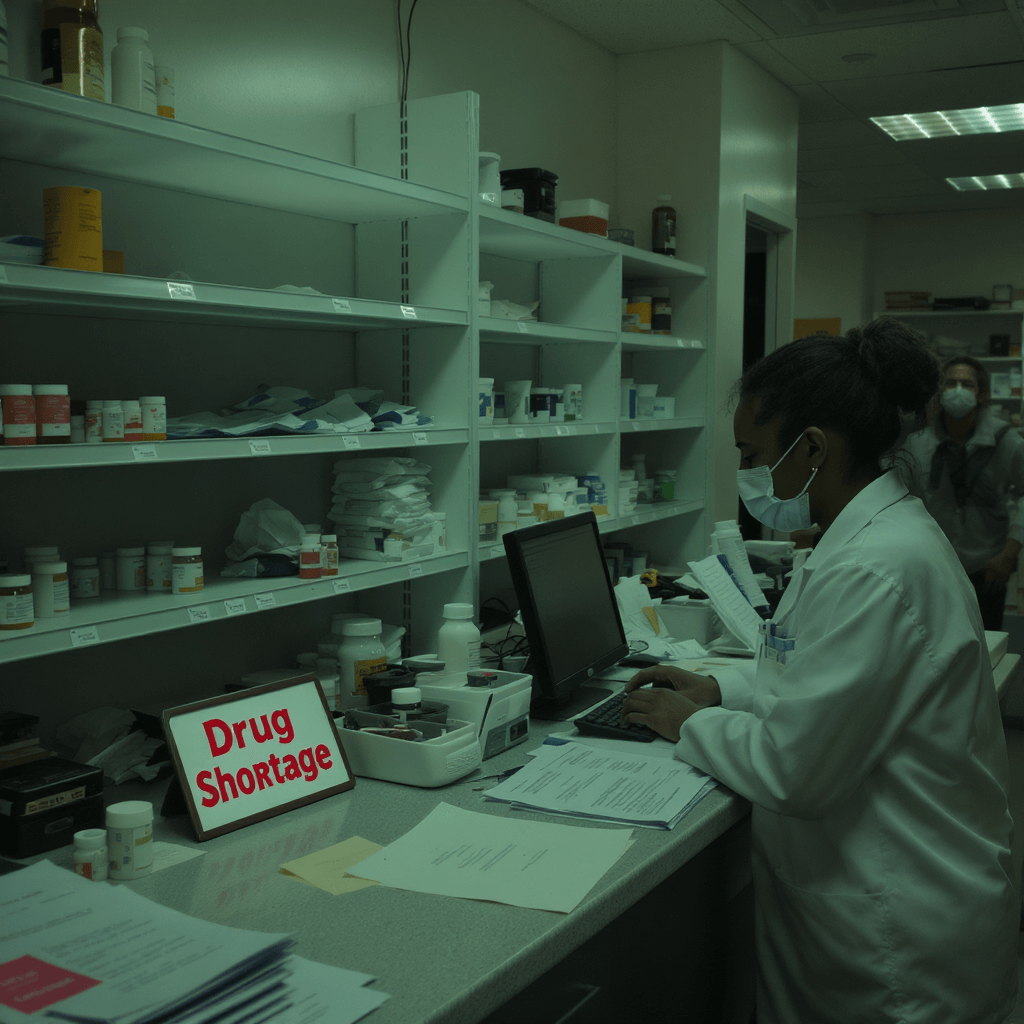
In our fast world, getting the right meds is key to keep good health. Yet, at times, some drugs can’t be found or are hard to get. This leads to what we call a drug shortage. Such a problem has big effects, touching the lives of sick folk, health care folks, and the drug-making companies. In this piece, we’ll dive into what a drug shortage is, why it happens, its effects, and how we might fix it, giving useful info for those who need to know more.


What is a Drug Shortage?

A drug shortage happens when there’s not enough of a drug to meet the need. This makes it hard, or even impossible, for folks to get the meds they need. These shortages can be about drugs you need a note from the doctor to buy.

Causes of Drug Shortages

Manufacturing Issues: Issues at the places where they make the drugs can cause big problems. If they have trouble making a drug as they should, or if the place that makes drugs breaks, it can hold up how much of the drug is made.

Quality Problems: Sometimes, the drug itself or the things needed to make the drug aren’t good enough to meet safety rules. This leads them to stop making the drug until they fix the issue.

Regulatory Actions: If a drug does not meet the safety rules set by groups like the FDA, EMA, or WHO, they might stop or slow down the making of these drugs.

Supply Chain Issues: Problems in getting the things needed to make the drugs, or in shipping the drugs from one place to another can also lead to shortages.

High Demand: When many more people need a drug than usual, like during a health crisis, it can be hard to have enough for everyone.

Knowing why shortages happen can help us find ways to fix this problem. This ensures that people get the medicines they need when they need them.

How Antibiotic Works

Manufacturing and Supply Chain Issues

Production Delays: Trouble at making sites, such as tool breaks, dirt, or checks on quality, can stop making.

Raw Material Shortages:

Many drugs need key drug parts (APIs) from around the world. Problems in getting these raw parts, often from world politics or big storms, can cause lack.

Supply Chain Disruptions:

The ways goods move around the world are tough, and things like sickness spread, trade limits, or slow transport can stop the move of meds.

Economic Factors

Low Profit Margins: Generic drugs, which cost less, might not bring in much money for those who make them. This could make these companies stop making them or make less.

Market Consolidation:

If just a small number of makers produce a certain drug, any problems in their work can cause big shortages.

Regulatory Challenges

Stringent Regulations: Rules are there to make sure drugs are safe and good, but they can slow down making them if makers can’t meet these rules.

Approval Delays: New makers trying to enter the market might face slow approval times, which can make shortages worse.


Increased Demand

Unexpected Spikes: Sudden jumps in need, like in a health crisis (say, a pandemic or flu hit), can use up drug stores quicker than makers can fill them back up.

Off-Label Use: When drugs are taken for uses they weren’t first made for, it can stretch supplies thin and cause lack of them for people who need them for allowed uses.

Natural Disasters and Crises

Events such as storms, quakes, or widespread disease can harm drug-making places, mess up moving goods, or cut down on workers, all adding to drug shortages.

Impacts of Drug Shortages

Drug shortages can really harm patients, caregivers, and the whole health system. Here are some big bad effects:

Patient Health Risks

Delayed or Interrupted Treatments: Patients might face delays in getting key meds, which can make their health issues worse or lead to other problems.

Substitutions: Doctors might have to use different drugs, which may not work as well or could cause more side effects.

Medication Errors: Without the usual drugs, there may be more mistakes in how much or how drugs are given out, putting patients in danger.

Increased Healthcare Costs

Shortages often make the price of meds go up as the need for them is more than what is available. Doctors might also have to use more time and help to find other options or to take care of patients.

Strain on Healthcare Providers

Doctors, pharmacists, and nurses have more work as they look for other treatments, talk to patients, and deal with problems from shortages.

Public Health Threats

When there is not enough vaccines, antibiotics, or antiviral drugs, it can stop us from fighting infections. This puts our health at risk.


Collaboration

Teams from different countries work together, joining forces between rules makers, makers, and health teams. They help fix supply chain issues and share what they have in hard times.


How Can Patients and Healthcare Providers Cope with Drug Shortages?

If you face a drug shortage, here are easy steps you can take:

For Patients:

Talk to Your Healthcare Provider: Chat with your doctor or pharmacist about other treatment or medicine options.

Get Ready Early: If you can, plan with your drug store to make sure you have enough of your medicine.

Don’t Stock Up Too Much: Saving up too many drugs can make shortages worse, so get only what you need.


For Healthcare Providers:

Stay Informed: Often look at drug lack lists and news from rule groups.

Collaborate: Join hands with drug experts and other helpers to find good and safe other ways.

Educate Patients: Tell your patients about the lacks and include them in making choices about their care.The Future of Drug Shortages: Solutions and Innovations

Dealing with drug shortages needs plans that last long and new ideas. Some ways to fix this include:

Diversifying Supply Chains: Cutting down on depending on just one maker or place for raw items and made drugs.

Advanced Manufacturing Technologies: Putting money into things like ongoing making to make making better and more bendy.

Data Analytics: Using smart guesswork to see shortages coming and handle stock in a good way.

Global Cooperation: Making ties between nations stronger to make sure all get equal chance at meds when there are hard times.

Understanding Drug Shortages


Drug shortages are a big problem that can mess up how we care for the sick, run health care places, and take care of public health. By knowing why they happen, how they affect us, and ways to fix them, we can work to make sure everyone can get the medicines they need, in a fair way. If drug shortages worry you, you should keep up with the news, talk to your doctor, and push for rules that tackle this big issue.


Stay Updated

For the most recent news on drug shortages, look at tools like the FDA’s Drug Shortages Database or talk to your local rules group. By joining hands, we can lessen the bad effects of not having enough drugs and help everyone be healthier.

What is a Drug Shortage? Read More »

What Is the Role of Insulin in Weight Loss? A Comprehensive Guide

When it comes to weight loss, most people focus on calories, exercise, and diet plans, but there’s a hidden player that can make or break your efforts: insulin. Understanding the role of insulin in weight loss is crucial for anyone looking to shed pounds effectively and sustainably. Insulin isn’t just about managing blood sugar—it’s a master regulator of fat storage, fat burning, and overall metabolism. By learning how to work with insulin instead of against it, you can unlock a smarter, science-backed approach to weight management. In this article, we’ll break down the science of insulin in simple terms, explore its impact on weight loss, and provide practical, evidence-based strategies to optimize insulin levels. This guide is SEO-friendly, adheres to Google’s content policies, and is written in a natural, engaging style to ensure it’s easy to understand. Where relevant, we’ll include comparisons, mathematical insights, and references to global regulatory guidelines to ensure accuracy and credibility.


Understanding Insulin – The Basics

Insulin is a hormone produced by the beta cells in your pancreas. Its primary job is to regulate blood sugar (glucose) levels by acting as a “key” that unlocks cells, allowing glucose to enter and be used for energy. When you eat, especially carbohydrates, your blood sugar rises, prompting the pancreas to release insulin. This process ensures your cells get the energy they need while keeping blood sugar levels stable. But insulin does more than just manage blood sugar—it’s also a storage hormone. Here are its key functions:

Stores Glucose as Glycogen – Insulin signals the liver and muscles to store excess glucose as glycogen, a short-term energy reserve.
Promotes Fat Storage – When glycogen stores are full, insulin directs the conversion of surplus glucose into triglycerides (fats) for long-term storage in fat cells.
Inhibits Fat Breakdown – High insulin levels block lipolysis, the process of breaking down stored fat for energy.

In short, insulin is essential for survival, but when it’s out of balance—either too high or too low—it can significantly impact your weight. Let’s dive deeper into how insulin influences weight gain and, more importantly, the role of insulin in weight loss.


Insulin’s Dual Role in Weight Gain and Weight Loss

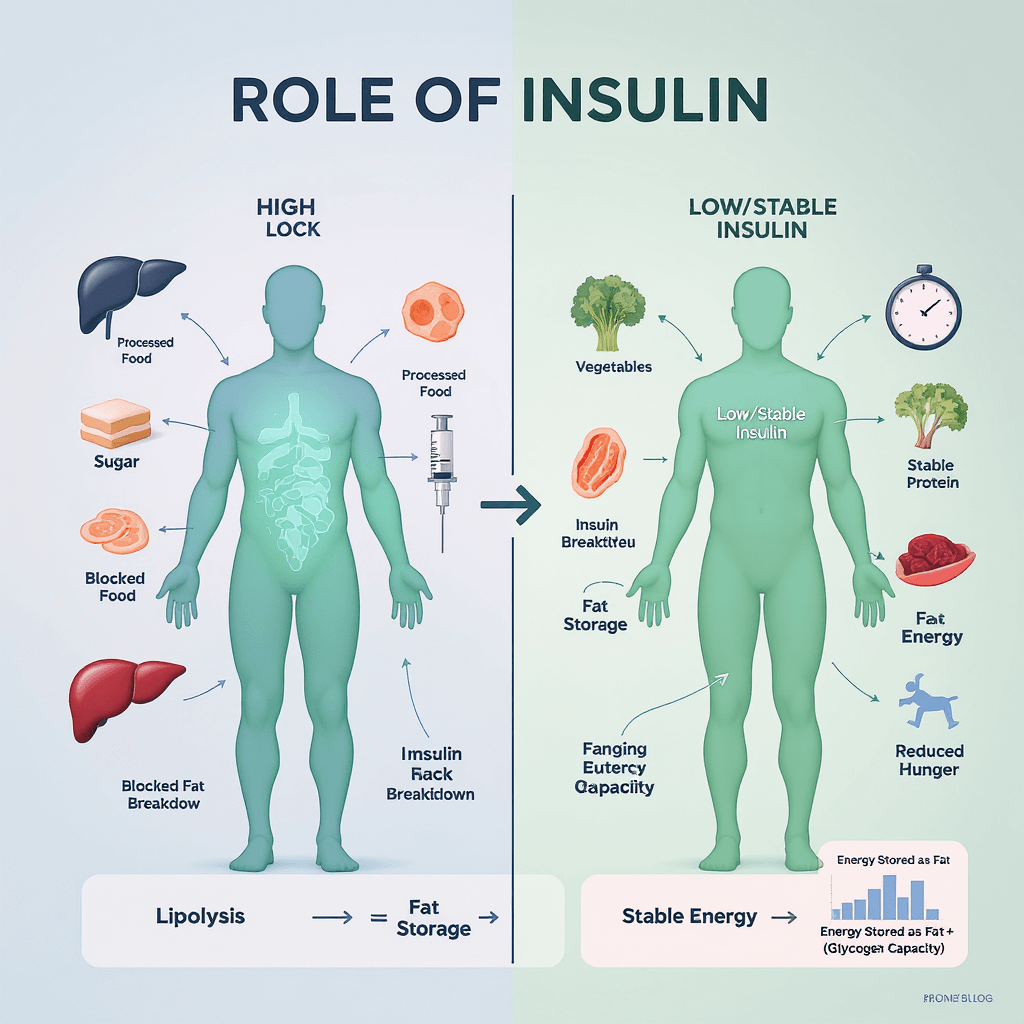
To understand how insulin affects weight loss, it’s helpful to compare its role in weight gain versus weight loss. When insulin levels are chronically elevated, typically due to frequent consumption of refined carbs or sugars, the body enters a state conducive to weight gain. Blood sugar spikes frequently, fat storage increases through a process called lipogenesis, and fat burning is suppressed because lipolysis is inhibited. The body relies heavily on dietary glucose for energy, and hunger or cravings often increase due to blood sugar crashes. In contrast, during weight loss, insulin levels are low or stable, blood sugar is controlled through a balanced diet, fat storage decreases, and fat burning becomes active as lipolysis is promoted. The body uses stored fat for energy, and hunger is reduced due to stable blood sugar. This comparison highlights a key takeaway: high insulin levels promote fat storage and hinder fat burning, while low or stable insulin levels enable fat loss. The goal of weight loss, therefore, is to manage insulin in a way that shifts your body from “storage mode” to “burn mode.”


The Science of Insulin and Fat Storage

To grasp the role of insulin in weight loss, we need to understand how it contributes to fat storage. When insulin is elevated, it triggers a cascade of metabolic processes that prioritize energy storage over energy use. Here’s the science, broken down into simple steps: After a meal, insulin signals cells to absorb glucose from the bloodstream. Excess glucose is stored as glycogen in the liver and muscles, but glycogen storage is limited—your body can only hold about 500 grams of glycogen. Once glycogen stores are full, insulin directs the liver to convert excess glucose into triglycerides, which are stored as fat in adipose tissue. At the same time, high insulin levels suppress hormone-sensitive lipase, the enzyme responsible for breaking down stored fat into free fatty acids for energy.


Mathematical Insight – Energy Storage vs. Energy Use

Let’s use a simple equation to illustrate how insulin influences energy balance: Energy Stored as Fat equals Energy Intake minus (Energy Used plus Glycogen Storage Capacity). If Energy Intake exceeds Energy Used and glycogen storage is maxed out, insulin ensures the surplus is stored as fat. For weight loss, you need Energy Used to be greater than Energy Intake, and insulin must be low enough to allow fat breakdown, or lipolysis. This equation underscores why insulin management is just as important as calorie control for weight loss. Even if you’re in a calorie deficit, high insulin levels can prevent your body from tapping into fat stores.


Insulin Resistance – The Hidden Barrier to Weight Loss

One of the biggest challenges in weight loss is insulin resistance, a condition where cells become less responsive to insulin. To compensate, the pancreas produces more insulin, leading to chronically high levels. This creates a vicious cycle that promotes weight gain and makes weight loss harder. Insulin resistance is often linked to a poor diet, such as frequent consumption of refined carbs, sugary drinks, and processed foods, which causes repeated insulin spikes. A sedentary lifestyle also contributes, as lack of physical activity reduces glucose uptake by muscles, increasing insulin demand. Chronic stress and poor sleep elevate cortisol, a stress hormone that worsens insulin sensitivity, and genetics can predispose some people to insulin resistance. Insulin resistance complicates weight loss in several ways: High insulin levels promote fat storage, especially visceral fat around the abdomen, which is linked to health risks like heart disease. Even in a calorie deficit, high insulin blocks lipolysis, making it harder to burn stored fat. Additionally, insulin resistance disrupts appetite-regulating hormones like leptin, which signals satiety, and ghrelin, which stimulates hunger, leading to overeating. According to the World Health Organization (WHO), insulin resistance is a key driver of metabolic syndrome, affecting millions worldwide and contributing to obesity and type 2 diabetes.


Optimizing Insulin for Weight Loss – Practical Strategies

Now that we understand how insulin can hinder weight loss, let’s explore how to harness its power to support your goals. The key is to lower average insulin levels and improve insulin sensitivity, shifting your body into fat-burning mode. Here are evidence-based strategies, starting with dietary changes, which are the most direct way to influence insulin levels.


Dietary Changes to Control Insulin

Focus on foods that cause minimal insulin spikes while avoiding those that trigger surges. For example, refined carbs and sugars, such as white bread, soda, and candy, cause a high insulin spike and are not ideal for weight loss. In contrast, complex carbs like quinoa, sweet potatoes, and oats cause a moderate rise in insulin and are better choices in moderation. Protein sources, such as eggs, chicken, and fish, and healthy fats, like avocado, olive oil, and nuts, cause a low to minimal rise in insulin and are excellent for weight loss. Fiber-rich foods, including broccoli, chia seeds, and lentils, also cause a minimal rise in insulin and are highly beneficial. To optimize your diet, choose low-glycemic index (GI) foods, such as leafy greens and legumes, which cause slower, smaller rises in blood sugar and insulin compared to high-GI foods like white rice and pastries. Increase fiber intake to 25–30 grams daily, as fiber slows digestion and reduces insulin spikes. Prioritize protein and healthy fats, which promote satiety without significantly raising insulin, and limit processed foods, such as sugary snacks and refined carbs, which cause rapid insulin surges, leading to fat storage and hunger crashes. When comparing diet types, low-carb or ketogenic diets, which limit carbs to less than 50 grams per day, drastically lower insulin and are highly effective for promoting fat loss, especially in insulin-resistant individuals, though they may be less sustainable long-term. Balanced diets with complex carbs, protein, and fats moderately lower insulin and are more sustainable for many people, offering high effectiveness for long-term weight loss.


Intermittent Fasting – Timing Your Insulin

Intermittent fasting (IF) is another powerful tool for lowering insulin levels by extending periods without food. When you fast, insulin drops, allowing your body to access stored fat for energy. After 8–12 hours of fasting, insulin levels decrease significantly, and during fasting, your body shifts from burning glucose to burning fat, a process called ketosis. Research published in The New England Journal of Medicine (2019) shows that IF improves insulin sensitivity and promotes weight loss, especially in overweight individuals. Popular IF methods include the 16:8 method, where you fast for 16 hours and eat within an 8-hour window, and the 5:2 diet, where you eat normally for 5 days and restrict calories to 500–600 on 2 non-consecutive days.


Exercise – Boosting Insulin Sensitivity

Physical activity is one of the most effective ways to improve insulin sensitivity, meaning your cells respond better to insulin, requiring less of it to manage blood sugar. Exercise enhances glucose uptake independent of insulin, as shown in this simplified equation: Glucose Uptake equals Insulin-Dependent Uptake plus Exercise-Induced Uptake. Aerobic exercise, such as walking and cycling, increases glucose uptake during and after activity, lowering insulin demand, while resistance training, like weightlifting, builds muscle mass, which acts as a “glucose sink,” further improving insulin sensitivity. When comparing exercise types, aerobic exercise has a high impact on insulin sensitivity and is excellent for fat burning, resistance training also has a high impact and is great for muscle building, and high-intensity interval training (HIIT) has a very high impact and is time-efficient, making all three beneficial for weight loss. Aim for at least 150 minutes of moderate aerobic activity or 75 minutes of vigorous activity per week, plus 2–3 strength training sessions, as recommended by the WHO.


Sleep and Stress Management

Poor sleep and chronic stress elevate cortisol, a hormone that worsens insulin resistance, so aim for 7–9 hours of quality sleep and incorporate stress-reducing practices like meditation, yoga, or deep breathing.


Monitoring Insulin Levels

If you suspect insulin resistance, consult a healthcare provider to measure key markers like fasting insulin, with a normal range of 2–25 µIU/mL, where higher levels may indicate resistance, and HbA1c, which reflects average blood sugar over 2–3 months, aiming for less than 5.7%.

Pharmaceutical and Therapeutic Considerations
For individuals with diabetes or severe insulin resistance, medical interventions may be necessary, and these interventions are tightly regulated by global health authorities to ensure safety, efficacy, and quality. Relevant guidelines include the FDA’s 21 CFR Part 210 & 211, which outlines current Good Manufacturing Practice (cGMP) for finished pharmaceuticals, ensuring the quality manufacturing of insulin products, and the EMA’s Annex 15 on Qualification and Validation, which validates processes for insulin production. The WHO’s Good Manufacturing Practices (GMP) provide global standards for insulin quality and safety, while the Indian Pharmacopeia’s Schedule M regulates insulin manufacturing in India. Pharmacopoeial standards, such as those in the United States Pharmacopeia (USP), European Pharmacopoeia (Ph. Eur.), British Pharmacopoeia (BP), and Japanese Pharmacopoeia (JP), define the purity, potency, and stability of insulin, and Japan’s Pharmaceuticals and Medical Devices Agency (PMDA) ensures insulin quality for the Japanese market.


Common Medications for Insulin Management

Common medications for insulin management include insulin therapy, which is essential for type 1 diabetes or advanced type 2 diabetes but can promote weight gain if not balanced with diet and exercise, requiring careful medical supervision. Metformin improves insulin sensitivity and is often prescribed for type 2 diabetes and weight management, regulated under FDA and EMA guidelines for safety and efficacy. GLP-1 receptor agonists, such as semaglutide, mimic gut hormones to lower insulin needs, reduce appetite, and promote weight loss, and are approved by the FDA, EMA, and PMDA for both diabetes and obesity management.


Stability and Quality of Insulin Products

Insulin stability is critical for its effectiveness, as outlined in WHO Guidelines on Stability Testing and pharmacopoeial standards, requiring manufacturers to ensure insulin remains potent under specified storage conditions, such as 2–8°C, to comply with International Council for Harmonisation (ICH) Guidelines on stability and quality.


Common Myths and Pitfalls

There are common myths and pitfalls to avoid when considering the role of insulin in weight loss. One myth is that insulin always causes weight gain, but the truth is that insulin itself doesn’t inherently cause weight gain; it’s the imbalance from poor diet, inactivity, and insulin resistance that does, and balanced insulin levels are protective and necessary for health. A common pitfall is extreme diets, such as low-carb or ketogenic diets, which can be effective for lowering insulin but may not suit everyone and could lead to nutrient deficiencies if not planned carefully, emphasizing the importance of sustainability by choosing a diet you can maintain long-term. Individual variability also plays a role, as factors like genetics, age, and hormonal changes, such as menopause, affect insulin response, meaning what works for one person may not work for another, so personalized approaches are essential.


In conclusion, the role of insulin in weight loss is pivotal—it’s not just about calories but about hormonal balance. High insulin levels lock fat in storage, while low or stable levels unlock fat burning, making weight loss more efficient. By adopting insulin-friendly habits—through diet, exercise, fasting, sleep, and stress management—you can shift your body’s hormonal environment to support your goals. Remember, weight loss is a journey, not a race. If you suspect insulin resistance or have conditions like diabetes, consult a healthcare professional for personalized advice, possibly including blood tests for fasting insulin or HbA1c. With the right knowledge and actions, insulin can transition from a weight loss foe to a powerful ally.


References & Regulatory Guidelines

1. World Health Organization (WHO) – Good Manufacturing Practices (GMP) Guidelines.
2. WHO – Guidelines on Stability Testing of Active Pharmaceutical Ingredients and Finished Pharmaceutical Products.
3. FDA (USA) – 21 CFR Part 210 & 211: Current Good Manufacturing Practice for Finished Pharmaceuticals.
4. FDA (USA) – 21 CFR Part 820: Quality System Regulation (Medical Devices).
5. FDA (USA) – Guidance on Process Validation, Data Integrity, and Bioequivalence.
6. European Medicines Agency (EMA) – EU GMP Guidelines, Annex 1: Manufacture of Sterile Medicinal Products.
7. EMA – Annex 15: Qualification and Validation.
8. EMA – Guidelines on Biosimilars, Impurities, and Risk Management.
9. United States Pharmacopeia (USP) – Standards for Insulin Quality and Stability.
10. European Pharmacopoeia (Ph. Eur.) – Insulin Monographs.
11. British Pharmacopoeia (BP) – Quality Standards for Insulin.
12. Indian Pharmacopeia (IP) – Schedule M: GMP Requirements for Pharmaceuticals.
13. Japanese Pharmacopoeia (JP) – Insulin Quality Standards.
14. Pharmaceuticals and Medical Devices Agency (PMDA), Japan – Regulatory Requirements for Insulin Products.
15. India – Drugs and Cosmetics Act & Rules: Manufacturing, Quality Control, and Import/Export Regulations.
16. International Council for Harmonisation (ICH) – Guidelines on Stability, Quality, and Safety.
17. The New England Journal of Medicine – “Effects of Intermittent Fasting on Health, Aging, and Disease” (2019).
18. Cell Metabolism – “Hyperinsulinemia Drives Diet-Induced Obesity” (2018).
19. Obesity Reviews – “Effects of Intermittent Fasting on Metabolic Health” (2020).
20. American Diabetes Association (ADA) – Clinical Practice Guidelines on Insulin Therapy.

Author’s Note: This article is for educational purposes only and complies with global health communication standards, including data integrity and regulatory guidelines. Always consult a healthcare provider for individualized medical advice, especially if managing weight-related conditions or diabetes.

Keywords Used: Role of insulin in weight loss, insulin and fat storage, insulin resistance, foods that affect insulin, intermittent fasting, insulin and weight management, hormonal balance and weight loss, insulin sensitivity, low-carb diet, exercise and insulin.

What Is the Role of Insulin in Weight Loss? A Comprehensive Guide Read More »

Why Are Generic Drugs Cheaper Than Brand-Name Drugs?

 Brand-Name Drugs, Generic drugs typically cost 80-85% less than their brand-name equivalents while delivering the same therapeutic benefits. This significant price difference has made generic medications a cornerstone of affordable healthcare, accounting for approximately 80% of all prescriptions filled in the United States. Understanding why these cost disparities exist can help consumers make more informed decisions about their medications and potentially save thousands of dollars annually on their healthcare expenses.


Understanding Generic and Brand-Name Drugs

 Brand-Name Drugs, Generic drugs are medications that contain the same active ingredients as their brand-name counterparts and work in exactly the same way in the human body. According to the Food and Drug Administration (FDA), generic drugs must be “pharmaceutically equivalent” to brand-name versions, meaning they must have the same dosage, safety, strength, route of administration, quality, performance, and intended use. This equivalence ensures that generic drugs provide the same clinical benefits as their brand-name counterparts.


Before a generic medication reaches the market, it undergoes rigorous FDA approval through an “abbreviated new drug application” (ANDA). This process ensures the generic version meets strict standards for quality, safety, and efficacy. However, generic drugs only become available after the patent protection on the original brand-name drug expires, which typically occurs after 20 years from the date of filing.

When you look at a pharmacy shelf, you might notice that generic drugs often look different from their brand-name equivalents. While the active ingredients remain the same, manufacturers may use different inactive ingredients such as fillers, colors, or flavoring agents. These differences in formulation don’t affect the medication’s therapeutic properties but do impact the physical appearance of the drug.


The Economics Behind Generic Drug Pricing

Research and Development Cost Differences

Perhaps the most significant factor contributing to the lower cost of generic drugs is the absence of extensive research and development expenses. Brand-name drug manufacturers invest billions in discovering, developing, and testing new compounds—a process that often takes more than a decade. These companies conduct expensive animal studies, clinical trials, and safety assessments to prove their medications are safe and effective before receiving FDA approval.


Generic drug manufacturers, on the other hand, benefit from this groundwork already being completed. They don’t need to repeat the extensive clinical trials; they only need to demonstrate that their version contains the same active ingredient and works the same way in the body. This dramatic reduction in upfront investment costs allows generic manufacturers to price their products much lower while still maintaining profitability.


“Generic medications typically cost about 80% to 85% less than the same brand-name drug. However, there is no difference in the efficacy of generic versus brand-name drugs,” says Deepti Mundkur, MD, a San Diego-based internal medicine specialist. This cost difference translates to substantial savings for patients, with brand-name drugs that may cost over $100 sometimes available as generics for as little as $5.


Reduced Marketing Expenses

Another significant factor in the price disparity is marketing costs. Brand-name drug companies spend billions annually on advertising to both healthcare providers and consumers. These marketing campaigns aim to build brand recognition and encourage doctors to prescribe their products over competitors’. Television commercials, magazine advertisements, physician samples, and pharmaceutical representatives all represent substantial investments that eventually get built into the cost of brand-name medications.

Generic drug manufacturers generally don’t engage in these expensive promotional activities. Since they’re promoting essentially identical products that healthcare providers already understand, they can forego much of this marketing expenditure and pass those savings on to consumers. This lack of marketing overhead constitutes a major portion of why generic medications cost significantly less than their branded equivalents.


Market Competition

When a brand-name drug’s patent expires, multiple companies can begin producing generic versions, creating competitive market conditions that naturally drive prices down. As more manufacturers enter the market, each must compete on price to gain market share, resulting in further cost reductions for consumers.

This competition factor explains why some recently introduced generics might still be relatively expensive at first, but prices typically fall as more manufacturers begin producing the same drug. In contrast, brand-name drugs maintain exclusive rights during their patent period, allowing them to set prices without direct competition for their specific formulation.


Quality and Efficacy Considerations

Despite the significant price difference, the FDA maintains strict standards ensuring generic drugs perform the same way as brand-name medications. The generic must contain the same active ingredient in the same amount, though inactive ingredients may differ. These differences in inactive ingredients can occasionally affect how quickly the medication gets absorbed by the body.

The FDA allows for a small variance in bioequivalence—specifically, generic drugs can have up to 15% difference in blood absorption compared to the original drug. However, an analysis of 2,000 studies found the average difference was only about 3.5%, which is comparable to the variations found between different batches of the same brand-name drug. This data reinforces that for most patients, generic medications provide equivalent therapeutic benefits at a fraction of the cost.


Special Considerations for Certain Medications

While generic drugs are generally considered interchangeable with brand-name medications, there are some exceptions worth noting. For certain drugs with a narrow therapeutic index—where small differences in dose or blood concentration can lead to serious therapeutic failures or adverse drug reactions—doctors may sometimes recommend sticking with either the brand-name version or a consistent generic manufacturer.

Additionally, not all brand-name drugs have generic equivalents available. Newer medications may still be under patent protection, and some complex biologics (medications derived from living organisms) may not have approved biosimilar alternatives yet. In these cases, patients may have no choice but to use the more expensive brand-name option.


Consumer Savings and Healthcare Impact

The availability of generic medications has profound implications for healthcare affordability and accessibility. According to the FDA, generic drugs saved the U.S. healthcare system approximately $1.67 trillion between 2007 and 2016. For individual patients, switching from brand-name to generic medications can reduce drug costs by two-thirds or more.

This cost difference becomes particularly significant for patients managing chronic conditions who may need to take medications indefinitely. For example, patients with high blood pressure, diabetes, or mental health conditions often find that generic alternatives make long-term medication adherence financially sustainable, potentially improving health outcomes by making necessary treatments more accessible.

Generic drugs offer substantial cost savings compared to brand-name medications primarily due to eliminated research and development costs, reduced regulatory requirements, minimal marketing expenses, and increased market competition. Despite their lower price, generic medications provide the same therapeutic benefits as their brand-name equivalents, making them a smart choice for most patients.

Understanding these economic dynamics can help consumers make more informed decisions about their healthcare spending. While brand-name drugs play an essential role in innovation and developing new treatments, generic medications ensure that proven therapies eventually become affordable and accessible to the broader population. This balance between innovation and accessibility represents one of the most successful aspects of the modern pharmaceutical system.


How does the FDA ensure the quality and safety of generic drugs?

The FDA ensures the quality and safety of generic drugs through a rigorous regulatory process that includes pre-approval evaluations, post-marketing surveillance, and continuous monitoring of manufacturing practices. Here’s how the FDA maintains these standards:

Pre-Approval Process

Before a generic drug is approved, the FDA requires manufacturers to demonstrate that their product is pharmaceutically equivalent and bioequivalent to the brand-name drug. This means the generic must contain the same active ingredient, have the same dosage, strength, route of administration, and perform similarly in the body. The FDA also inspects manufacturing facilities to ensure they meet Good Manufacturing Practices (GMP), which cover quality control, equipment, and facility standards.

Post-Marketing Surveillance

Once a generic drug is on the market, the FDA continues to monitor its safety and quality. The agency uses its MedWatch program to collect reports of adverse effects or quality issues from healthcare professionals and consumers. Additionally, the FDA conducts periodic inspections of manufacturing sites and reviews records to ensure ongoing compliance with GMP.

Handling Variability

The FDA allows for minor variations in purity, size, and strength during manufacturing, but these differences must fall within strict limits to ensure they are not medically significant. Studies have shown that the average difference in absorption between generics and brand-name drugs is only about 3.5%, which is comparable to variations between batches of the same brand-name drug.

Specialized Offices and Initiatives

The FDA’s Office of Generic Drugs (OGD) and Office of Safety and Clinical Evaluation (OSCE) play key roles in evaluating and monitoring generic drug safety. These offices use data analytics, scientific literature reviews, and manufacturer reports to identify potential safety concerns and take corrective actions when necessary.

By maintaining these rigorous standards, the FDA ensures that generic drugs are safe, effective, and interchangeable with their brand-name counterparts, providing patients with affordable and reliable treatment options.


How do generic drugs achieve the same efficacy as brand-name drugs?

Generic drugs achieve the same efficacy as brand-name drugs by meeting stringent FDA requirements that ensure they are pharmaceutically equivalent and bioequivalent to their branded counterparts. Here’s how this is accomplished:

Pharmaceutical Equivalence

Generic drugs must contain the same active ingredient(s) as the brand-name drug, in the same dosage form (e.g., tablet, capsule) and strength, and be administered via the same route (e.g., oral, topical). This ensures that the therapeutic effects of the generic drug match those of the original.

Bioequivalence

The FDA requires generic drugs to demonstrate bioequivalence, meaning they must deliver the same amount of active ingredient into the bloodstream within a similar timeframe as the brand-name drug. This ensures that the generic provides the same clinical benefits and risks.

Rigorous FDA Approval Process

Generic drugs undergo a rigorous approval process where manufacturers must prove that their product meets high standards for quality, safety, and effectiveness. This includes testing for stability, purity, and performance. The FDA also inspects manufacturing facilities to ensure compliance with Good Manufacturing Practices (GMP).

Consistency in Manufacturing Standards

Generic drugs are manufactured under strict guidelines that match those for brand-name drugs. These standards ensure consistent quality across batches, minimizing variability in efficacy.

Inactive Ingredients

While generics may differ in inactive ingredients (such as fillers or dyes), these differences do not affect the drug’s therapeutic action. The FDA ensures that any variations do not compromise safety or effectiveness.

By adhering to these stringent requirements, generic drugs provide patients with the same efficacy as brand-name medications at a significantly lower cost.


Why might a doctor recommend a brand-name drug over a generic one?

Doctors might recommend a brand-name drug over a generic one for several reasons, even though generics are generally equivalent in efficacy and safety:

Allergies to Inactive Ingredients

Generic drugs may contain different inactive ingredients (e.g., fillers, dyes, or preservatives) compared to brand-name drugs. If a patient is allergic to any of these ingredients, the doctor may prescribe the brand-name version to avoid adverse reactions.

Specific Patient Needs

For certain patients, such as those with narrow therapeutic index conditions (e.g., epilepsy or thyroid disorders), even minor variations in drug absorption or metabolism can be critical. In such cases, doctors may prefer the consistency of a brand-name drug.

Familiarity and Patient Comfort

Brand-name drugs are often more recognizable to patients, which can increase their confidence in the medication. Doctors may prescribe them to ensure patient adherence and comfort with their treatment plan.

Lack of Generic Alternatives

For newer medications or complex biologics, generic versions may not yet be available. In these cases, doctors have no choice but to prescribe the brand-name drug.

Habit or Preference

Some doctors may simply be more accustomed to prescribing brand-name drugs, especially if they have used them for years or if the brand is heavily marketed to healthcare professionals.

Insurance or Coverage Issues

In rare cases, insurance plans may cover only the brand-name version of a drug, prompting doctors to prescribe it to avoid out-of-pocket costs for the patient.

While generics are typically just as effective and more cost-effective, these specific scenarios can justify a doctor’s preference for brand-name drugs.


How can I find a generic alternative to my prescription?

Finding a generic alternative to your prescription medication can be a practical and cost-effective way to manage your healthcare expenses. Generic drugs are chemically identical to their brand-name counterparts, offering the same safety, quality, and efficacy at a fraction of the cost. Here’s a step-by-step guide to help you find the right generic alternative for your needs.

1. Consult Your Doctor or Pharmacist

The first step is to discuss your medication with your healthcare provider or pharmacist. They can provide valuable insights into whether a generic equivalent or therapeutic alternative is available for your prescription. They can also ensure that the generic substitute is suitable for your specific medical condition.

2. Check for Generic Equivalents

Generic equivalents contain the same active ingredients, dosage, and administration route as the brand-name drug. These are often available at the same dose and are approved by regulatory authorities like the FDA. Your pharmacist can usually fill your prescription with a generic equivalent without needing a new prescription from your doctor.

3. Explore Generic Alternatives

If a generic equivalent isn’t available, ask your doctor about generic alternatives. These medications treat the same condition but may have different active ingredients. Your doctor will need to write a new prescription if a generic alternative is suitable for you.

4. Compare Prices and Availability

Use online tools, pharmacy websites, or apps to compare the prices and availability of generic drugs. Many pharmacies and insurance plans offer low-cost generic programs that can significantly reduce your prescription expenses.

5. Verify Bioequivalence and Safety

Ensure that the generic substitute meets regulatory standards for bioequivalence, meaning it delivers the same amount of active ingredient into your bloodstream at the same rate as the brand-name drug. Check for any differences in inactive ingredients that might affect your health.

6. Be Aware of Potential Side Effects

While generic drugs are generally safe, they may carry the same risks and side effects as their brand-name counterparts. Monitor your health closely when transitioning to a generic substitute and report any adverse reactions to your doctor.

7. Leverage Insurance and Assistance Programs

Check with your insurance provider to see if generic versions of your medications are covered under your plan’s formulary. Additionally, inquire about patient assistance programs that can help reduce the cost of your prescriptions.

By following these steps, you can confidently switch to a generic alternative, ensuring you receive effective treatment while keeping your healthcare costs manageable. Always consult your healthcare provider to make an informed decision tailored to your specific needs.

Why Are Generic Drugs Cheaper Than Brand-Name Drugs? Read More »

How long does it take for a drug to get FDA approval?

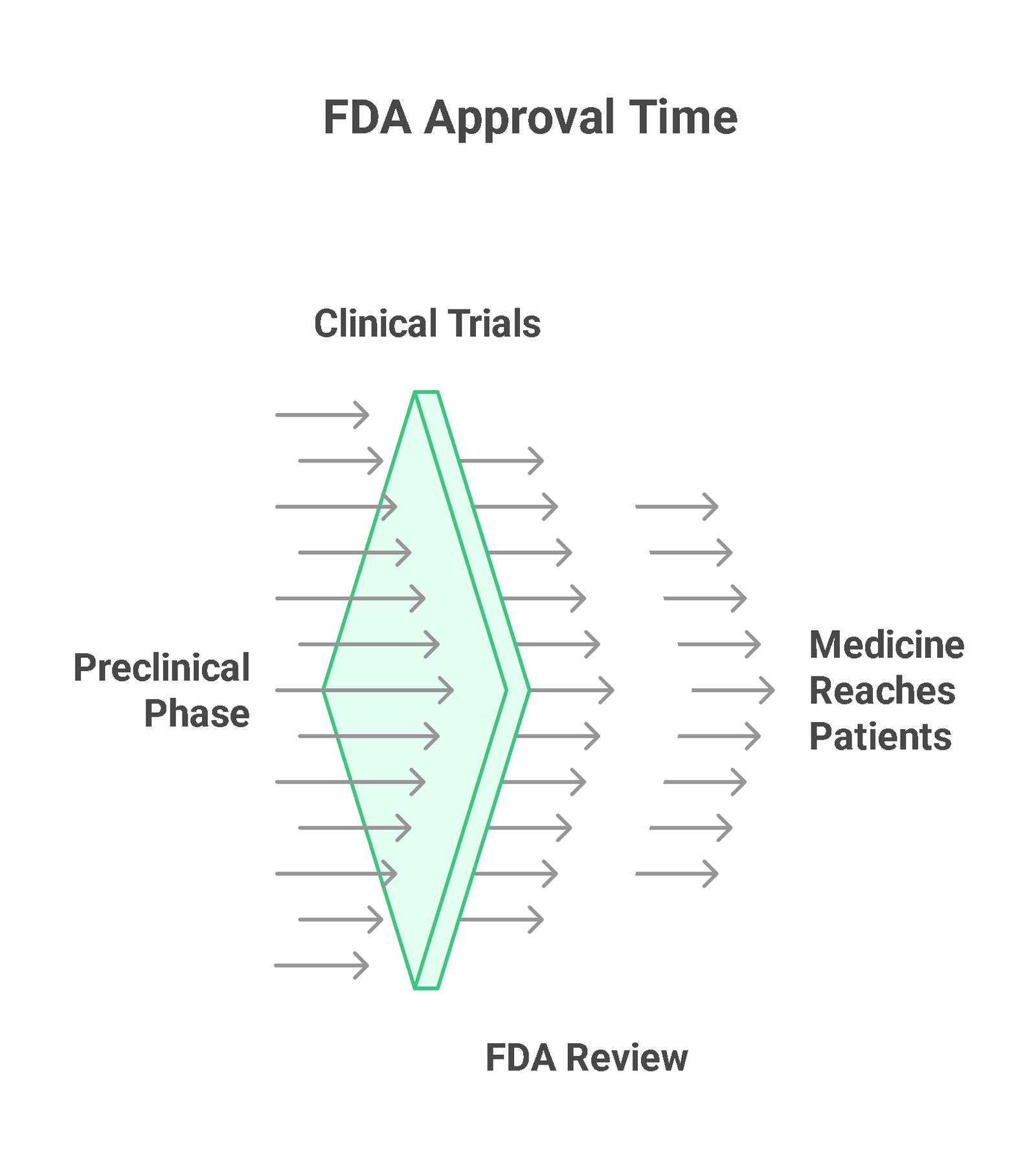
The journey from laboratory discovery to pharmacy shelf is a lengthy and complex process for new medications. According to recent data, the average timeline for drug approval ranges from 8.5 to 12 years, with considerable investment of time and resources at each step. The FDA’s rigorous evaluation process ensures that only safe and effective drugs reach American consumers, but this thoroughness comes at the cost of time. This comprehensive article examines how long it actually takes for drugs to receive FDA approval, the factors that influence these timelines, and recent trends that are reshaping the approval landscape.


The Complete Drug Development Journey

The full research, development, and approval process for a new drug typically spans between 12 to 15 years from initial discovery to market availability. This extensive timeline reflects the meticulous nature of pharmaceutical development, where safety and efficacy must be definitively established before a drug can be made available to the public. More recent estimates suggest an average of 8.5 years for a drug to progress from early laboratory discovery to final approval for human use.

This lengthy process comes with substantial financial implications. Studies have found varying costs, with some research placing the average development cost at $2.8 billion, while a 2020 study determined the average cost to be $1.3 billion, with a median cost of $985 million to bring a new drug to market. These figures highlight the significant investment pharmaceutical companies must make before seeing any return, explaining in part why the industry pushes for efficiency in the approval process.

The timeline begins with extensive laboratory research, often building upon preliminary work from academic institutions, government bodies like the National Institutes of Health, and previous development studies. Only after promising results in the laboratory does the process advance to animal testing and eventually human trials.


The Phases of FDA Drug Approval

The FDA drug approval process consists of several distinct phases, each with its own timeline and requirements.


Pre-Clinical Research and IND Application

Before any testing in humans can begin, pharmaceutical companies must conduct extensive laboratory and animal studies to demonstrate that their drug candidate is reasonably safe for human trials. This preclinical phase is crucial for understanding how the drug works and identifying potential toxicity issues.

Once a sponsor has sufficient preclinical data, they must submit an Investigational New Drug (IND) Application to the FDA. This application details the drug’s composition, manufacturing process, results from animal testing, and the planned protocol for human clinical trials. The FDA reviews this application to ensure that participants in clinical trials won’t be exposed to unreasonable risks.


Clinical Research Phase

The clinical research phase involves testing the drug in humans and typically proceeds through three phases:


Phase 1: Usually involves a small number of participants (20-80 people) to evaluate the drug’s safety, determine safe dosage ranges, and identify side effects. This initial phase focuses primarily on safety rather than effectiveness.

Phase 2: Involves a larger group of participants to further assess safety and begin evaluating effectiveness for a specific medical condition.

Phase 3: Involves hundreds or thousands of participants to gather more information about safety and effectiveness, monitor side effects, compare the drug to existing treatments, and collect information for appropriate labeling.

These clinical trials represent the longest portion of the drug development process, with the complete clinical development time for a typical innovative drug averaging 9.1 years.


New Drug Application (NDA) Review

After completing clinical trials, the company submits a New Drug Application (NDA) to the FDA. This comprehensive application includes all animal and human test results, manufacturing details, proposed labeling, and other critical information.


A team of FDA scientists, including physicians, statisticians, chemists, pharmacologists, and other experts, then reviews all components of the NDA to determine if the drug’s benefits outweigh its known risks. This review process has two potential timelines:


– Standard Review: The FDA aims to take action within 10 months of receiving the application.
– Priority Review: For drugs that would significantly improve treatment, diagnosis, or prevention of serious conditions, the FDA aims to take action within 6 months.


Post-Marketing Surveillance

Even after approval, the FDA continues to monitor drugs for safety concerns. This ongoing surveillance helps identify adverse reactions that may not have been apparent during clinical trials.


Standard vs. Priority Review: Fast-Tracking Crucial Medications

The FDA has implemented several pathways to expedite the review process for promising medications, particularly those addressing serious conditions with unmet medical needs.

Under standard review, the FDA typically takes 10 months to review a new drug application. However, under priority review, this timeline is shortened to approximately 6 months. This accelerated timeline is reserved for medications that offer significant improvements in safety or effectiveness compared to current treatments.

All six major regulatory agencies worldwide now offer expedited processes to hasten the review of promising new drugs. The FDA’s extensive use of these facilitated regulatory pathways (FRPs) contributes to its position as the agency with the shortest median approval time (244 days) among major regulatory authorities.

In exceptional cases, approval can be remarkably swift. For instance, blinatumomab and remdesivir received FDA approval in just 75 and 76 days, respectively. However, it’s worth noting that remdesivir benefited from a prior emergency use authorization, and blinatumomab initially received accelerated approval that was later converted to full approval.


Recent Trends in FDA Approval Times

In recent years, there has been a clear trend toward faster FDA reviews. According to research published in 2020, the median review time for standard drug applications in 2018 was 10.1 months, significantly shorter than the 2.8 years it took for standard and priority applications in earlier periods.


Comparatively, the FDA has the shortest median approval time (244 days) among six major regulatory authorities, followed by Health Canada (306 days), Japan’s PMDA (313 days), Australia’s TGA (315 days), Europe’s EMA (426 days), and Swissmedic (470 days). This difference likely stems from the FDA’s extensive use of facilitated regulatory pathways designed to expedite promising treatments.

However, some researchers have raised concerns that faster approvals may be associated with reliance on weaker evidence. This highlights the delicate balance the FDA must maintain between speed and thoroughness in its evaluation process.


Case Studies in Rapid Approval

Some drugs have received extraordinarily fast approvals:

– Blinatumomab: Approved in just 75 days, though it initially received accelerated approval that was later converted to full approval.
– Remdesivir for COVID-19: Approved in 76 days after submission, benefiting from a prior emergency use authorization.
– Cabazitaxel: Approved 78 days after completion of a rolling NDA submission.

These rapid approvals typically involve therapies for serious conditions with significant unmet needs, and often utilize special regulatory provisions such as rolling reviews, where the FDA reviews portions of an application as they become available rather than waiting for the complete submission.


Variations by Drug Type and Therapeutic Area

Approval timelines can vary significantly depending on the type of drug and its therapeutic area.

Recent data shows that antiviral products had notably shorter development times compared to other product classes. This may reflect both the urgent public health need for certain antivirals and the relatively straightforward endpoints used to measure their efficacy.

The top five therapeutic areas by number of approvals across major regulatory agencies between 2016-2020 were:

1. Anti-cancer and immunomodulators
2. Anti-infective therapies
3. Blood and blood-forming organs
4. Nervous system treatments
5. Alimentary and metabolism drugs


Among these categories, anti-infective therapies were approved marginally faster with an overall median of 296 days, compared with 340 days for anti-cancer and immunomodulators. However, there is significant variation in development times within each therapeutic class, suggesting that factors beyond the disease category influence approval timelines.

Orphan drugs, which treat rare diseases, often follow different approval pathways. In Japan, all orphan drugs approved went through expedited review due to incentives to address unmet needs, resulting in a rapid median approval time of 200 days. Similarly, in the United States, 81% of orphan products were approved through expedited review, with a median approval time of 234 days.

The journey from laboratory discovery to FDA approval is lengthy and complex, typically taking between 8.5 to 12 years. While the standard review process takes about 10 months from NDA submission, the entire development timeline—including discovery, preclinical research, and clinical trials—stretches much longer.


Recent trends show that the FDA has been approving drugs faster than ever before, with a median approval time of 244 days—the shortest among major regulatory authorities. Priority review, which is granted to drugs that offer significant therapeutic advances, further shortens this timeline to approximately 6 months.


However, approval times vary considerably based on therapeutic area, with antivirals and certain orphan drugs often receiving faster approvals than other categories. The FDA’s implementation of various expedited pathways has contributed significantly to these shorter timelines, particularly for medications addressing serious unmet medical needs.


As the FDA continues to balance thoroughness with efficiency, the drug approval process remains a critical safeguard ensuring that American consumers have access to safe and effective medications, even as the agency works to make promising new treatments available as quickly as possible.

How long does it take for a drug to get FDA approval? Read More »

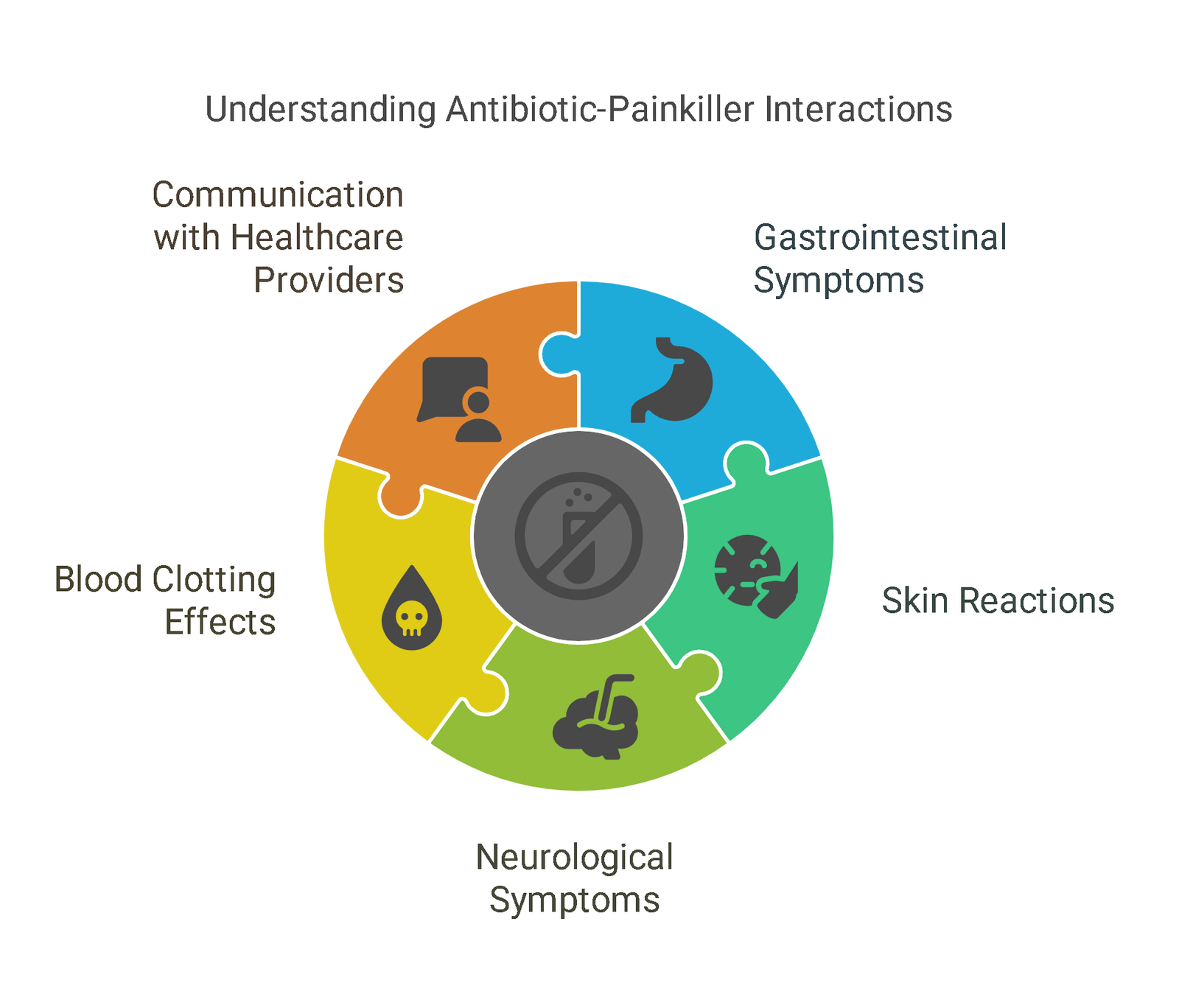
Can I Take Painkillers with Antibiotics?

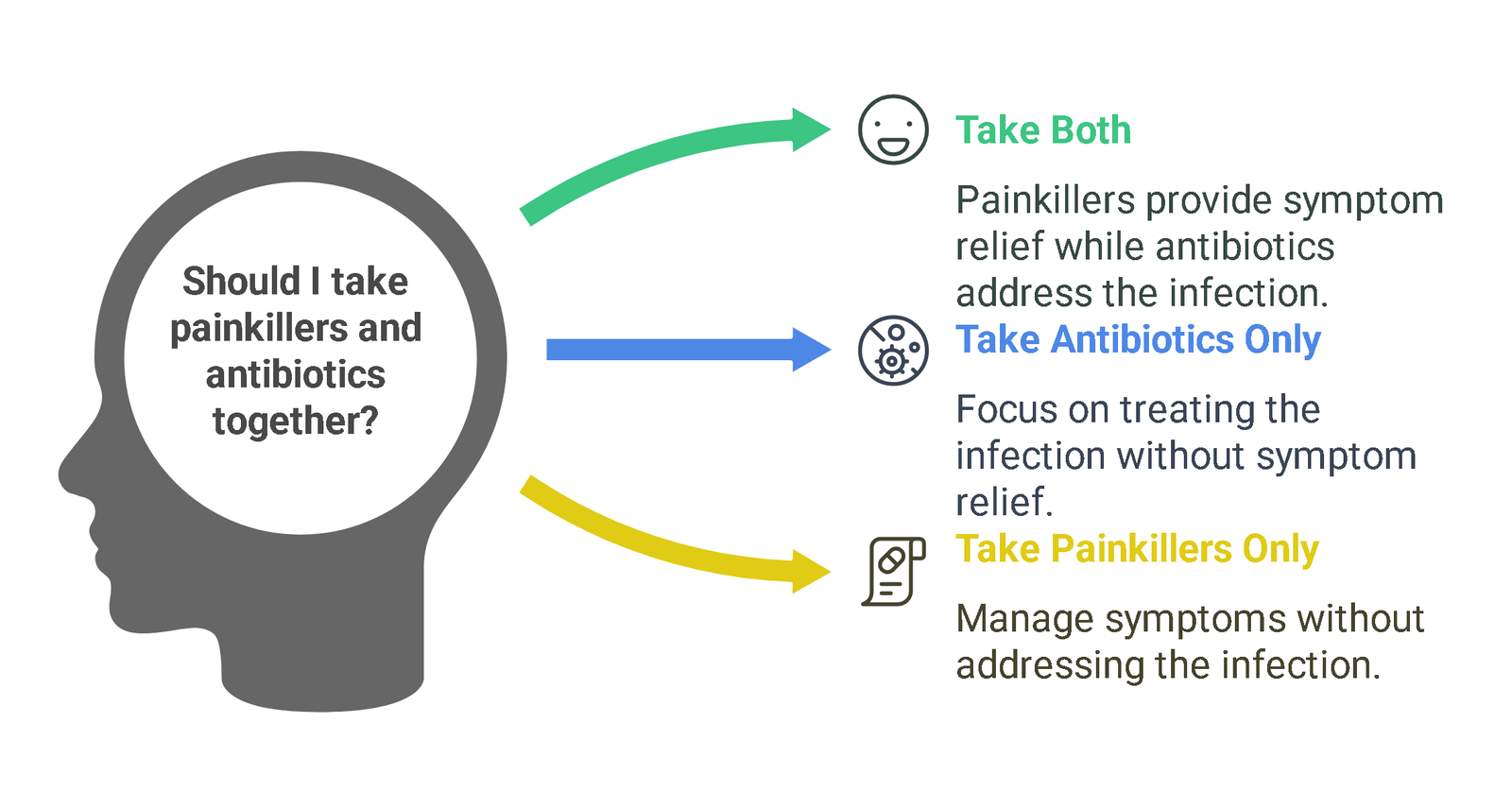
When dealing with a bacterial infection that requires antibiotic treatment, many patients experience pain, fever, or inflammation that might prompt them to reach for painkillers. However, questions often arise about whether it’s safe to combine these medications. This comprehensive guide explores the compatibility between painkillers and antibiotics, potential interactions, and important considerations for patients managing both pain and infection simultaneously.


Understanding Painkillers and Antibiotics

Painkillers and antibiotics serve fundamentally different purposes in the body and work through entirely different mechanisms. This distinction is crucial for understanding how they might interact when taken together. Antibiotics are medications specifically designed to fight bacterial infections by either killing bacteria or preventing their reproduction. They do not directly address symptoms like pain or fever, but rather target the underlying bacterial cause of the infection. Common antibiotics include penicillins (such as amoxicillin), cephalosporins, macrolides, and fluoroquinolones, each with unique properties and applications.

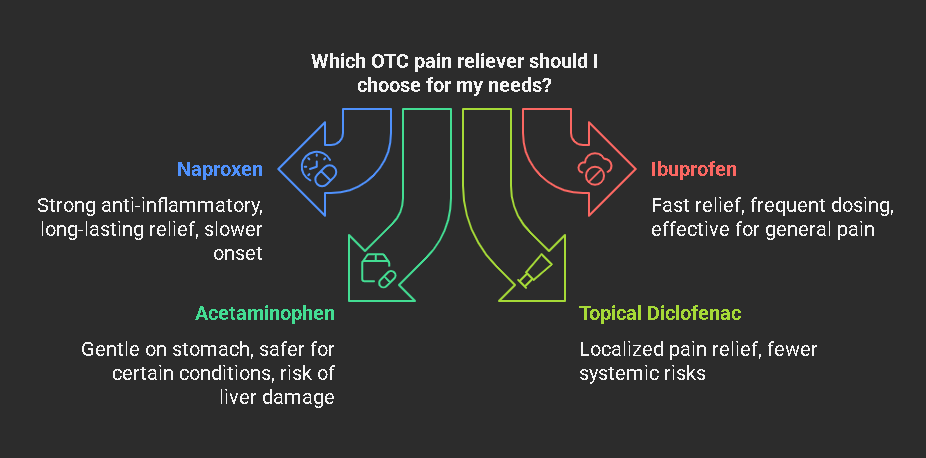
Painkillers, on the other hand, primarily work to reduce symptoms like pain, inflammation, and fever. The most common over-the-counter painkillers include nonsteroidal anti-inflammatory drugs (NSAIDs) such as ibuprofen (Advil, Motrin) and naproxen (Aleve), as well as acetaminophen (Tylenol). These medications can help manage discomfort while the antibiotic addresses the infection, but they do not have any antibacterial properties themselves. Many patients mistakenly believe that painkillers might somehow interfere with antibiotic effectiveness or that one medication might substitute for the other, which represents a common misconception in medication management.


Understanding this fundamental difference helps clarify why, in many cases, taking both medications simultaneously might be appropriate. When fighting a bacterial infection, antibiotics address the underlying cause while painkillers can provide relief from uncomfortable symptoms during the healing process. However, certain combinations may present risks that patients should be aware of before combining these medications.


General Compatibility of Painkillers and Antibiotics

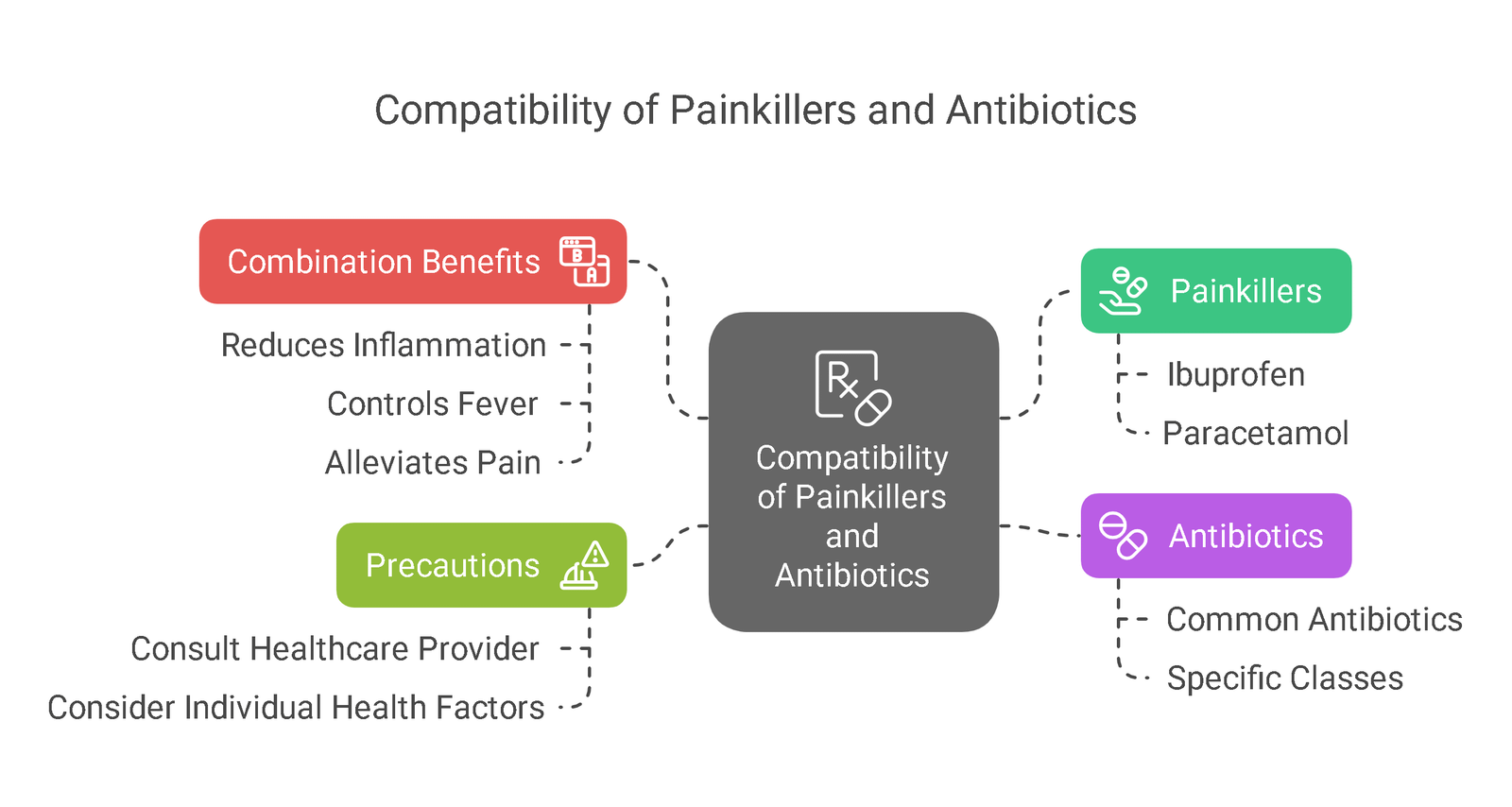
For most common scenarios, painkillers can be safely taken alongside antibiotics, with each medication fulfilling its distinct role in treatment. Ibuprofen and other NSAIDs effectively reduce inflammation, control fever, and alleviate pain while the antibiotic works to eliminate the bacterial infection. This combination approach can provide comprehensive relief during illness, especially since antibiotics typically take 24-48 hours to begin showing effects against bacterial infections.

Paracetamol (acetaminophen) is generally considered one of the safest painkillers to combine with antibiotics, as it has fewer interaction concerns compared to other pain medications. Furthermore, paracetamol and ibuprofen work through different mechanisms and are processed by different organs (liver and kidneys respectively), meaning they can even be taken together if necessary, assuming normal organ function. This versatility makes paracetamol a frequent choice for pain management during antibiotic therapy.


However, the compatibility between painkillers and antibiotics is not universal across all medication types. While most common antibiotics can be safely combined with standard painkillers, certain antibiotic classes have known interactions that require caution. Patients should always consult their healthcare provider or pharmacist before combining medications, as individual health factors may also influence compatibility.


Specific Antibiotic Classes and Their Interactions with Painkillers

Different classes of antibiotics have varying potential for interactions with painkillers, particularly with NSAIDs like ibuprofen. Understanding these specific interactions can help patients make informed decisions about pain management during antibiotic treatment.


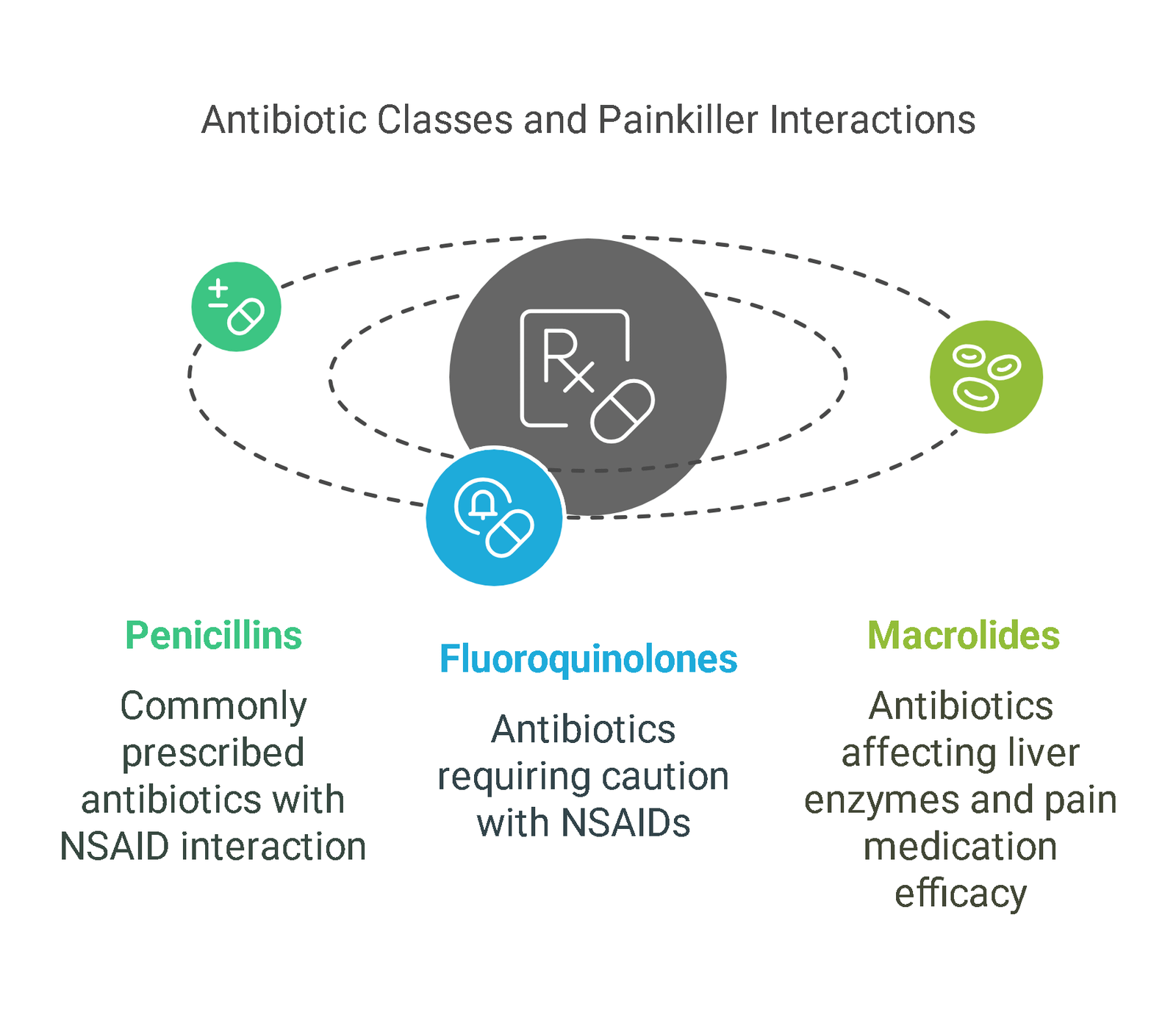
Penicillins and NSAIDs

Penicillin antibiotics, including amoxicillin and Augmentin (amoxicillin/clavulanate), are among the most commonly prescribed antibiotics. When combined with NSAIDs like ibuprofen, there may be an increase in penicillin exposure in the body. While this interaction is generally not severe enough to prevent concurrent use, patients with kidney issues might need additional monitoring. The combination remains safe for most patients, but healthcare providers might adjust dosages in certain circumstances to account for this interaction.


Fluoroquinolones and Pain Medications

Fluoroquinolone antibiotics, such as ciprofloxacin and levofloxacin, warrant special consideration when combined with NSAIDs. This combination may increase the risk of central nervous system stimulation and, rarely, seizures. Additionally, fluoroquinolones themselves can cause severe musculoskeletal side effects, including tendon pain and rupture, which might be confused with pain requiring treatment. Patients taking fluoroquinolone antibiotics should exercise caution with NSAIDs and discuss alternative pain management approaches with their healthcare provider.


Macrolides and Pain Management

Macrolide antibiotics like erythromycin and clarithromycin have significant interactions with many medications, though their direct interactions with common painkillers are generally limited. However, these antibiotics can affect liver enzymes that metabolize certain medications, potentially altering the effectiveness or safety profile of some prescription pain medications. Patients taking macrolides alongside prescription pain medication should ensure their healthcare provider is aware of all medications they are taking.


When to Exercise Caution with Painkillers During Antibiotic Treatment

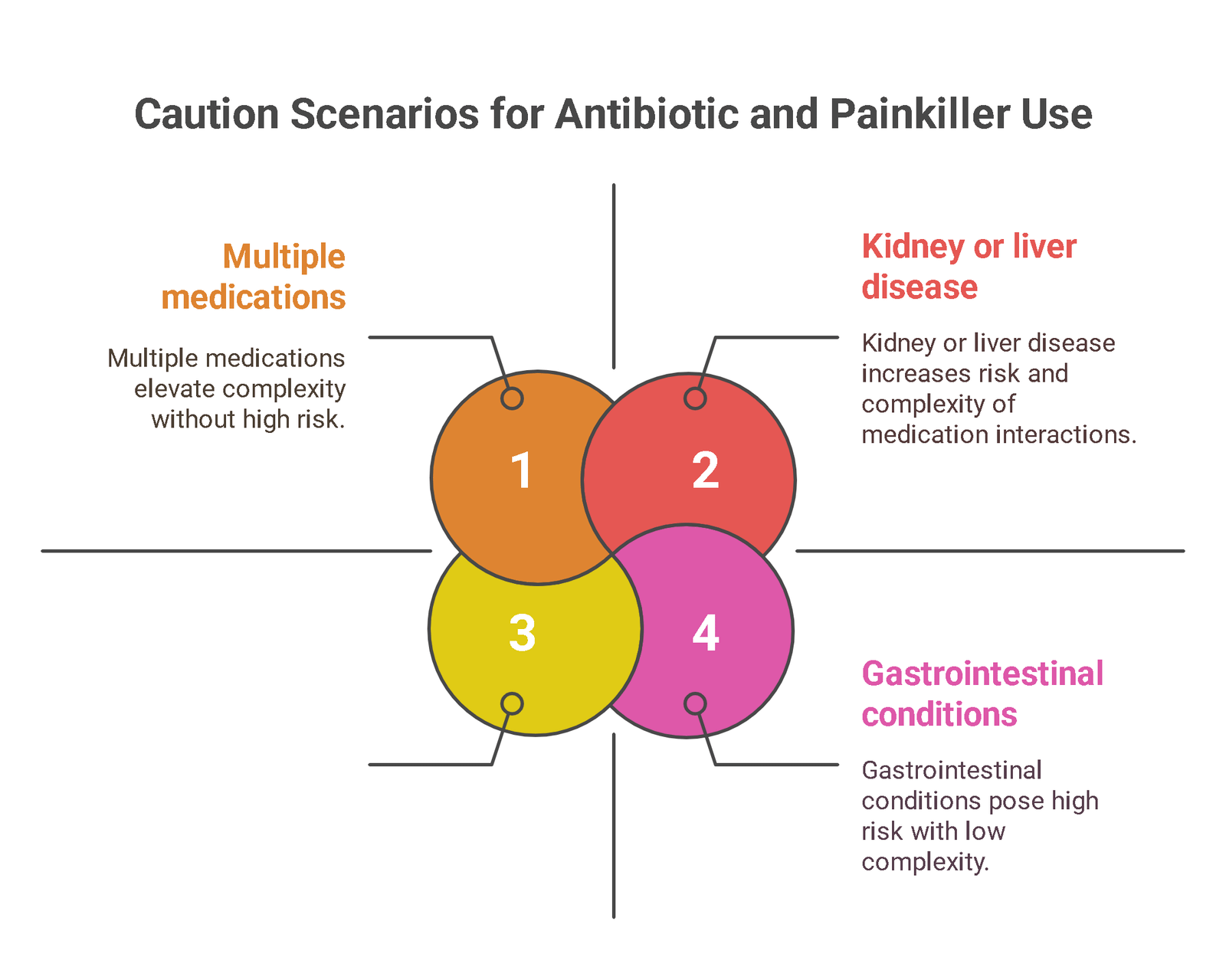
While many antibiotic-painkiller combinations are safe, certain scenarios warrant extra caution. Patients should be particularly careful in the following situations when considering combining these medications.


Kidney or liver disease significantly impacts how medications are processed and eliminated from the body. Since NSAIDs are primarily processed by the kidneys and can affect kidney function, patients with kidney disease should consult their healthcare provider before combining these painkillers with antibiotics. Similarly, those with liver disease should exercise caution with acetaminophen, which is metabolized in the liver. The presence of either condition may necessitate dosage adjustments or alternative pain management strategies during antibiotic treatment.

Gastrointestinal conditions also deserve special consideration. Both NSAIDs and certain antibiotics can cause stomach irritation or gastrointestinal side effects. Patients with conditions like gastritis, peptic ulcer disease, or inflammatory bowel disease may experience compounded gastrointestinal distress when taking both medications simultaneously. In such cases, acetaminophen might be preferred over NSAIDs for pain management, or protective medications might be added to the regimen.


Patients taking multiple medications beyond antibiotics and painkillers face increased complexity in managing potential drug interactions. The probability of adverse interactions rises with each additional medication in a patient’s regimen, particularly in intensive care settings where multiple drugs are commonly administered simultaneously. These patients should ensure all their healthcare providers have a complete list of their medications to assess for potential interactions.


Specific Recommendations for Common Painkillers

Understanding the specific considerations for each type of painkiller can help patients make appropriate choices when managing pain during antibiotic treatment.


Ibuprofen and Similar NSAIDs

Ibuprofen is generally compatible with most antibiotics, with the notable exceptions of quinolone antibiotics and vancomycin. This painkiller effectively reduces inflammation, fever, and pain associated with many infections. However, patients with stomach ulcers should avoid ibuprofen regardless of antibiotic use, as it can exacerbate this condition. NSAIDs work by reducing inflammation through inhibition of prostaglandin synthesis, providing effective symptom relief while antibiotics address the underlying infection.


When taking ibuprofen with antibiotics, patients should maintain proper dosing schedules for both medications. Ibuprofen is typically taken every 6-8 hours as needed for pain, while antibiotic schedules vary based on the specific medication and infection being treated. Some evidence suggests that the combination of penicillin antibiotics and NSAIDs may lead to increased penicillin exposure, though this rarely requires dosage adjustments in patients with normal kidney function.


Acetaminophen (Paracetamol)

Acetaminophen stands out for its minimal interaction profile with antibiotics, making it an excellent choice for many patients requiring pain management during antibiotic treatment. Unlike NSAIDs, acetaminophen does not significantly affect inflammation but provides effective fever reduction and pain relief. It is processed primarily by the liver, whereas many NSAIDs are processed by the kidneys, offering an alternative pathway that minimizes interaction concerns.


This different metabolic pathway means that acetaminophen can even be safely combined with ibuprofen for enhanced pain relief when necessary, provided the patient has normal liver function. This combination approach might be particularly useful for managing more severe symptoms while taking antibiotics that have known interactions with NSAIDs. However, patients should always adhere to recommended dosages to avoid acetaminophen-related liver toxicity.


Consulting Healthcare Professionals

The complexity of potential interactions between antibiotics and painkillers underscores the importance of professional medical guidance. While general principles provide a framework for understanding, individual factors significantly influence the safety and appropriateness of combining these medications.


Healthcare providers consider numerous personal factors when advising on medication combinations, including age, weight, kidney and liver function, existing medical conditions, and other medications. They can provide personalized recommendations that account for these variables and the specific antibiotic prescribed. Pharmacists also serve as valuable resources for information about medication interactions, often more accessible than physicians for immediate questions about over-the-counter pain relievers.


Patients should always inform all healthcare providers about all medications they are taking, including over-the-counter products, supplements, and prescription drugs from other providers. This comprehensive medication history enables more accurate assessment of potential interactions and appropriate recommendations for pain management during antibiotic treatment.


Recognizing Warning Signs of Adverse Interactions

While most antibiotic-painkiller combinations are safe, patients should remain vigilant for signs that might indicate an adverse interaction or reaction. Unusual symptoms that develop after starting either medication warrant medical attention.


Gastrointestinal symptoms like severe stomach pain, persistent nausea, vomiting, or signs of bleeding such as dark, tarry stools may indicate complications from NSAIDs, potentially exacerbated by certain antibiotics. Additionally, skin reactions including rashes, itching, or hives might signal an allergic reaction to either medication rather than an interaction. More serious allergic reactions involving breathing difficulties, throat tightness, or facial swelling require immediate emergency attention.


Neurological symptoms are particularly important to monitor when taking fluoroquinolone antibiotics with NSAIDs. These might include confusion, hallucinations, seizures, or unusual agitation. Patients experiencing such symptoms should discontinue their medications and seek immediate medical attention. Similarly, unusual bleeding or bruising might indicate an interaction affecting blood clotting, particularly with certain antibiotic classes known to interact with blood thinners.

The question of whether painkillers can be taken alongside antibiotics has a nuanced answer that depends on specific medications, patient factors, and the context of treatment. For most patients, common painkillers like acetaminophen and ibuprofen can be safely taken with most antibiotics to manage symptoms while the antibiotic addresses the underlying bacterial infection. However, certain combinations require caution, particularly quinolone antibiotics with NSAIDs.


The key to safe medication management lies in communication with healthcare providers, awareness of potential interactions, and vigilance for unusual symptoms. Patients should never hesitate to consult their doctor or pharmacist about medication combinations, even when using over-the-counter painkillers. With proper guidance and monitoring, effective pain management can be achieved safely during antibiotic treatment, facilitating a more comfortable recovery from bacterial infections.


By understanding the distinct roles and interaction profiles of antibiotics and painkillers, patients can make informed decisions about symptom management during infection treatment, optimizing both comfort and safety throughout their recovery process.

Can I Take Painkillers with Antibiotics? Read More »

What is Drug Trafficking?

Drug trafficking represents one of the most pervasive and damaging forms of transnational organized crime in the world today, affecting communities worldwide and generating billions in illicit profits annually. This criminal enterprise involves complex networks that operate across international borders, devastating lives and undermining economic and social development globally. According to the United Nations Office on Drugs and Crime (UNODC), drug trafficking is estimated to be a $32 billion industry, making it the most lucrative form of business for criminals worldwide. This comprehensive examination explores the definition, scope, methods, impact, and efforts to combat this global phenomenon that continues to pose significant challenges to societies and governments around the world.


Understanding Drug Trafficking: Definition and Scope

Drug trafficking, also known as illegal drug trade or narcotrafficking, refers to the illegal production, distribution, and sale of controlled substances that are subject to drug prohibition laws. This global criminal enterprise involves complex networks that cultivate, manufacture, transport, and sell substances that governments worldwide have deemed illegal or restricted. The illicit drug trade operates across international borders, creating trafficking flows with global dimensions that link regions and continents, often with dramatic consequences for the countries they affect.

The scale of this illicit trade is staggering, involving vast networks of participants at various levels—from growers and producers to transporters, suppliers, and street-level dealers. As international borders become increasingly porous in our globalized world, both the abuse of and accessibility to drugs have become more widespread, making drug trafficking a persistent international challenge. The impact extends far beyond the immediate effects of drug use, undermining political and economic stability, ruining individual lives, and damaging entire communities.


Drug trafficking is a dynamic criminal enterprise that continually adapts to changing market demands, enforcement pressures, and technological developments. Criminal organizations have demonstrated remarkable resilience and innovation in their methods, making drug trafficking one of the most difficult criminal activities to combat effectively. The end-users and addicts are often victims of this powerful and manipulative business, while criminal networks profit enormously from human suffering and addiction.


Types of Drugs in the Global Trafficking Network

The global drug trafficking network deals in a diverse range of substances, each with its own production regions, trafficking routes, and target markets. Understanding these different substances provides crucial insight into the complexity of the illicit drug trade and the challenges faced by law enforcement agencies worldwide.


Cocaine remains one of the most trafficked substances globally. Derived from the coca plant, cocaine is primarily produced in South American countries, particularly Colombia, Peru, and Bolivia, before being trafficked to major markets in North America and Europe. The cocaine trade has historically been associated with powerful cartels and extreme violence, especially in producer and transit countries. Its high profitability and established trafficking routes make it a cornerstone of many criminal organizations.


Heroin, an extremely addictive opioid derived from morphine (which itself comes from the opium poppy), represents another major component of global drug trafficking. Afghanistan and Myanmar stand as the primary source countries for heroin production. Trafficking routes for heroin often cross multiple countries and continents, with organized crime groups coordinating complex logistics to move the product from production areas to consumer markets. The devastating impact of heroin addiction continues to plague communities worldwide.


Methamphetamine, a powerful synthetic stimulant, has seen a significant rise in production and trafficking in recent decades. Unlike plant-based drugs like cocaine and heroin, methamphetamine can be produced in clandestine laboratories virtually anywhere, though major production hubs exist in Mexico, the United States, and Southeast Asia. The relative ease of production and high profit margins have made methamphetamine an increasingly important part of the global drug trade, and its highly addictive nature creates persistent demand.


Cannabis, despite its legalization in some jurisdictions, remains illegal in many parts of the world and continues to be widely trafficked. Its cultivation occurs across diverse regions globally, making it one of the most geographically dispersed drugs in terms of production. The varying legal status of cannabis across different countries creates unique challenges for international enforcement efforts and opportunities for traffickers to exploit these legal discrepancies.


Synthetic opioids, particularly fentanyl and its analogs, represent a growing and particularly dangerous segment of drug trafficking. These powerful substances are often manufactured in clandestine laboratories in China and Mexico. Frequently, they are mixed with other drugs, significantly increasing the risk of overdose for unsuspecting users. The small volume needed for effective doses makes these substances particularly easy to traffic and conceal, presenting significant challenges for detection and interdiction efforts.


Prescription drugs diverted from legitimate channels—including opioids, stimulants, and depressants—are increasingly trafficked internationally. According to the 2011 International Narcotics Control Board Report, there has been a notable increase in the abuse and trafficking of prescription drugs and over-the-counter pharmaceutical preparations containing narcotic drugs in South Asia, with many obtained from local pharmacies. This trend demonstrates how drug trafficking organizations adapt to market demands and exploit weaknesses in regulatory systems.


The Mechanics of Drug Trafficking: Routes, Methods, and Organizations

Drug trafficking operations represent some of the most sophisticated criminal enterprises in the world, employing complex logistics networks, advanced concealment methods, and adaptable organizational structures to move their products across international borders and evade law enforcement detection. Understanding these mechanics provides insight into the challenges of combating this pervasive criminal activity.


Trafficking routes continually evolve in response to law enforcement pressure, market demands, and geopolitical changes. Criminal networks benefit from a convergence of illicit activities, often using the same routes for different criminal enterprises, including drug trafficking, arms dealing, and wildlife smuggling. This multi-purpose approach to smuggling routes increases efficiency and profitability for criminal organizations while complicating enforcement efforts. Major trafficking corridors connect production regions to consumer markets, often traversing multiple countries and exploiting areas with limited governance capacity.


Drug trafficking organizations range from loosely affiliated networks to highly structured cartels with clear hierarchies. These organizations often employ various intermediaries at different stages of the trafficking process to minimize risk and maintain operational security. Many groups have become increasingly sophisticated, employing technology for secure communications, using front companies to launder proceeds, and developing innovative transportation methods. The organizational structure of these groups frequently includes specialization, with different cells handling production, transportation, security, money laundering, and retail distribution.

The methods used to conceal and transport drugs demonstrate remarkable creativity and ingenuity. Traffickers constantly devise new ways of disguising illegal drugs for transport, presenting significant challenges for law enforcement in detecting concealed substances. Drugs may be hidden in commercial cargo, carried by human “mules” who ingest packaged drugs or conceal them on their bodies, shipped through postal services, or even transported through underground tunnels at border crossings. The variety and sophistication of concealment methods require equally innovative detection approaches from customs and border protection agencies.


As criminals devise ever-more creative ways of disguising illegal drugs for transport, law enforcement officials face growing challenges in detecting such concealed substances. Additionally, the continuous development of new synthetic drugs requires police to remain vigilant about emerging trends and products on the illicit market. This cat-and-mouse game between traffickers and law enforcement drives continuous innovation on both sides, creating a dynamic and evolving landscape of trafficking methods and counter-measures.


Economic and Social Impact of Drug Trafficking

The economic and social consequences of drug trafficking extend far beyond the immediate effects on users, creating profound and long-lasting impacts on communities, institutions, and entire nations. These effects ripple through societies, undermining development and stability in regions around the world.


Economically, the drug trade creates a parallel shadow economy estimated at $32 billion annually. These massive illicit financial flows distort legitimate economies and undermine economic development. In regions where drug production and trafficking are prevalent, these activities can represent a significant portion of the local economy, creating perverse incentives and dependencies that are difficult to dismantle. The influx of drug money can inflate local prices, distort investment patterns, and undermine legitimate business activities.


The global drug trafficking market is constantly evolving, undermining economic and social development while contributing to crime, instability, insecurity, and the spread of HIV through unsafe drug use practices. The resources diverted to drug trafficking—both human capital and financial resources—represent a significant opportunity cost for affected societies, reducing investments in productive activities and limiting economic growth potential. Furthermore, the costs of enforcement, healthcare, and addressing drug-related crime impose substantial burdens on public resources.


Drug trafficking frequently fuels corruption across various levels of government and law enforcement. By bribing officials, criminal organizations can facilitate their operations, gain protection from prosecution, and even influence policy decisions. This corruption weakens institutions, erodes public trust, and undermines the rule of law in affected countries. In severe cases, drug trafficking organizations can effectively capture state institutions, creating “narco-states” where criminal interests significantly influence governance.


From a public health perspective, drug trafficking facilitates increased drug availability and consumption, leading to addiction, overdoses, and the spread of blood-borne diseases. According to UNODC reports, the abuse of drugs by injection has reached significant proportions in South Asian countries including Bangladesh, India, and Nepal. The drugs supplied through trafficking networks are unregulated, often adulterated, and of unpredictable potency, increasing risks to users and complicating treatment efforts.


Communities affected by drug trafficking often experience a range of social problems, including increased crime rates, strained healthcare systems, reduced economic productivity, and the breakdown of family structures. Young people may be particularly vulnerable, as they can be recruited into trafficking networks or initiated into drug use, perpetuating cycles of addiction and criminality. The stigmatization of affected communities can further exacerbate these problems, limiting economic opportunities and hampering recovery efforts.


Connection to Other Forms of Crime

Drug trafficking rarely exists in isolation; instead, it typically operates as part of a broader ecosystem of criminal activities that mutually reinforce each other. This interconnection makes addressing drug trafficking a complex challenge requiring coordinated approaches across multiple domains of law enforcement and policy.


Money laundering represents one of the most direct criminal connections to drug trafficking. The enormous profits generated through the drug trade must be “cleaned” to appear legitimate and be usable in the formal economy. This laundering process may involve investments in legitimate businesses, real estate transactions, bulk cash smuggling, or increasingly sophisticated schemes using cryptocurrency and other financial technologies. The scale of money laundering associated with drug trafficking can destabilize financial systems and distort economies.


Organized crime groups are benefiting from a convergence of crimes and are using the same routes for different illicit activities including the trafficking of drugs, arms, and wildlife. This diversification strategy spreads risk, increases profitability, and creates synergies between different criminal operations. The shared infrastructure, contacts, and expertise make each component of these criminal portfolios more efficient and resilient to enforcement efforts.


Corruption forms another crucial link in drug trafficking operations. Bribing officials, from border guards and police officers to high-ranking government officials, provides protection for trafficking activities and facilitates the movement of drugs across otherwise controlled borders. This corrupting influence weakens institutions and undermines governance in affected countries, creating permissive environments where various forms of criminality can flourish with impunity.


Violent crime invariably accompanies drug trafficking, from battles between rival organizations for control of territory to violence used to maintain discipline within trafficking organizations and intimidate communities. This violence can reach extreme levels, particularly in producer and transit countries, creating environments of fear and instability that further undermine legitimate governance and economic development.


As Interpol notes, the end-users and addicts are often the victims of this powerful and manipulative business. The destructive impact of addiction creates cycles of dependency that fuel both drug markets and associated criminal activities. Addicted individuals may turn to property crimes or other illegal activities to fund their drug use, creating overlapping cycles of criminality that devastate communities.


Modern Trends in Drug Trafficking: The Digital Frontier

The landscape of drug trafficking has undergone significant transformation in the digital age, with technology creating both new opportunities for traffickers and new challenges for law enforcement. These technological adaptations represent some of the most important developments in the evolution of the global drug trade in recent years.


Social media platforms have emerged as significant channels for drug marketing and sales. Platforms like Instagram have become venues where drug dealers can advertise their products using coded language, hashtags, and images. A study examining Instagram posts found that dealers were selling various controlled substances including Xanax (87.78% of detected posts), oxycodone/OxyContin (26.14%), and illicit drugs like LSD (17.34%) and MDMA (7.65%). These online dealers often use communication applications for the actual transactions, moving from public posts to private messaging to complete sales, creating a new digital supply chain for illegal substances.


This online drug trade operates in direct violation of federal law, specifically the 2008 Ryan Haight Online Pharmacy Consumer Protection Act, which explicitly prohibits the internet sale of controlled substances. Named after a teenager who died after overdosing on Vicodin purchased online without a prescription, this legislation was intended to curb internet drug sales, but the rapid evolution of the digital landscape has created enforcement challenges. Despite increased scrutiny by regulators and policymakers, platforms like Instagram continue to host posts from drug dealers in violation of federal law.


Researchers are developing innovative approaches to combat online drug trafficking. A study using deep learning to detect drug dealers on Instagram achieved 95% accuracy on an F1 score for their model, demonstrating the potential of artificial intelligence in identifying illegal online drug sellers. This combination of web scraping and deep learning represents a promising approach for detecting illegal online drug sellers with high accuracy, potentially providing tools for platforms and law enforcement to better identify and remove this content.


The anonymity and accessibility of the internet have fundamentally changed how some drug trafficking operates. Beyond mainstream social media, darknet markets operating on encrypted networks offer platforms for drug sales with cryptocurrency payments, making transactions difficult to trace. These digital marketplaces have created new distribution models that bypass traditional street-level dealing and introduce additional layers of separation between suppliers and consumers.


As the digital landscape continues to evolve, drug trafficking operations adapt alongside it, creating an ongoing challenge for regulators, platforms, and law enforcement agencies. The intersection of drug trafficking with technology represents a critical frontier in efforts to combat the global drug trade, requiring collaborative approaches that bring together technical expertise, regulatory frameworks, and enforcement capabilities.


Legal Consequences of Drug Trafficking

The legal consequences for individuals involved in drug trafficking are severe, reflecting the serious societal harm associated with these activities. These penalties vary by jurisdiction but typically include significant criminal sanctions designed to deter participation in the drug trade and disrupt trafficking organizations.


Drug trafficking and distribution are serious crimes that can result in severe penalties, including lengthy prison sentences and hefty fines. Prison sentences for drug trafficking convictions are typically lengthy, with mandatory minimums often ranging from five to ten years in many jurisdictions. For large-scale operations or repeat offenses, sentences can be substantially longer, potentially extending to decades of incarceration. These severe penalties reflect the prioritization of drug trafficking as a serious criminal offense in many legal systems worldwide.


Beyond imprisonment, those convicted of drug trafficking often face substantial financial penalties. Fines can exceed hundreds of thousands of dollars, imposing significant economic consequences in addition to incarceration. These fines are typically proportional to the scale of the trafficking operation and the quantities of drugs involved, designed to eliminate the financial incentives for participating in the drug trade.


Asset forfeiture represents another significant consequence for drug traffickers. Law enforcement agencies can seize property and assets connected to drug trafficking activities, including homes, vehicles, cash, and bank accounts. This seizure of assets serves both as a punishment and as a means of dismantling the financial infrastructure of trafficking operations. Asset forfeiture can strip trafficking organizations of their resources and operational capacity, potentially disrupting future trafficking activities.


Professional consequences extend beyond formal legal penalties. A conviction for drug trafficking can result in the loss of professional licenses, jeopardizing careers and future employment opportunities. This collateral consequence can have lasting effects on individuals’ ability to reintegrate into society after serving their sentence, creating additional barriers to legitimate employment and increasing the risk of recidivism.

For non-citizens, trafficking convictions carry additional severe consequences. These individuals may face deportation from their country of residence or be denied entry into other countries in the future. These immigration-related penalties can permanently separate individuals from family members and established lives, representing an additional layer of punishment beyond the criminal sanctions imposed by the courts.


International Efforts to Combat Drug Trafficking

Given the transnational nature of drug trafficking, effective responses require coordinated international efforts that address both supply and demand factors while adapting to evolving trafficking methods. Various global initiatives and organizations work to disrupt trafficking networks and address the broader issues associated with the drug trade.


The United Nations Office on Drugs and Crime (UNODC) plays a central role in coordinating international anti-trafficking efforts. Through programs focused on alternative development in drug-producing regions, strengthening criminal justice systems, and improving border control capabilities, UNODC works to build global capacity to address drug trafficking. Their work also includes gathering data on drug production, trafficking routes, and consumption patterns to inform evidence-based policies that can more effectively target the root causes and manifestations of drug trafficking.


Since the types of drugs trafficked and the routes used are constantly evolving, it is essential that countries work together in a united and coordinated way. At Interpol, they offer a range of services including training and operational support to help law enforcement agencies around the world increase their capacity to detect and investigate drug trafficking. This international cooperation enables the sharing of intelligence, expertise, and resources across borders, creating a more effective global response to trafficking networks that themselves operate transnationally.


The United Nations has launched campaigns to raise awareness about transnational organized crime, including drug trafficking, highlighting both the financial and social costs associated with these criminal activities. These awareness campaigns aim to mobilize public support for anti-trafficking efforts and emphasize that effective responses require action not just from government authorities but also from communities and individuals.


Regional organizations also contribute significantly to anti-trafficking efforts, addressing issues specific to their geographic areas and coordinating responses that account for regional dynamics. These regional approaches can be particularly effective in addressing trafficking routes and methods that are concentrated in specific areas, allowing for more targeted and contextually appropriate interventions.


Despite these extensive efforts, international cooperation faces significant challenges, including differences in legal systems, varying levels of institutional capacity, corruption, competing priorities, and geopolitical tensions. Additionally, the adaptive nature of trafficking networks means that international responses must continuously evolve to address new methods and routes, requiring sustained commitment and innovation from the global community.


Drug trafficking represents one of the most persistent and complex challenges facing the global community today. As a $32 billion criminal industry, it undermines security, public health, economic development, and governance in countries worldwide. From traditional plant-based drugs like cocaine and heroin to synthetic substances and diverted pharmaceuticals, the range of trafficked drugs continues to evolve, presenting new challenges for detection and enforcement.


The operations of drug trafficking networks have grown increasingly sophisticated, employing advanced logistics, technology, and organizational structures to move their products across international borders. These operations frequently connect with other criminal activities, including money laundering, corruption, violence, and various forms of smuggling, creating complex criminal ecosystems that resist simple solutions. The convergence of different criminal activities using the same routes and networks creates additional challenges for law enforcement while increasing the harmful impact on affected communities.


In the digital age, drug trafficking has adapted to new technologies, with social media platforms becoming venues for advertising and selling drugs, while encrypted communications facilitate transactions and coordination. These technological adaptations require equally innovative responses from law enforcement and regulatory agencies, including the application of artificial intelligence and machine learning to detect online drug dealing and the development of new investigative techniques for digital environments.


The consequences of drug trafficking fall heavily on individuals, communities, and societies. For those caught participating in trafficking, severe legal penalties await, including lengthy prison sentences, substantial fines, and asset forfeiture. For communities affected by trafficking, the consequences include violence, addiction, public health crises, and weakened institutions. These impacts are often disproportionately felt by vulnerable populations and in regions with limited resources to address these challenges.


Addressing drug trafficking effectively requires coordinated international efforts that combine law enforcement, public health approaches, economic development, and policy reforms. Organizations like UNODC and Interpol play crucial roles in facilitating this cooperation, but success ultimately depends on sustained commitment from national governments and continuous adaptation to evolving trafficking methods. Only through comprehensive, collaborative approaches can the global community hope to reduce the harm caused by drug trafficking and create more secure, healthy, and prosperous societies worldwide.

What is Drug Trafficking? Read More »

Which diseases have the latest treatment breakthroughs?

Recent advances in medical science have ushered in a new era of treatment options for previously challenging conditions, with breakthroughs spanning multiple disease categories. From innovative cancer therapies to revolutionary approaches for neurological disorders, cardiac conditions, and infectious diseases, these developments represent significant progress in medical science. Researchers across the globe are leveraging cutting-edge technologies, novel drug development approaches, and improved understanding of disease mechanisms to create more effective, targeted treatments with fewer side effects. This comprehensive overview examines the most significant recent treatment breakthroughs across various disease categories, highlighting their mechanisms, clinical applications, and potential to transform patient care in the coming years.


Revolutionary Cancer Treatment Advances

Cancer treatment has witnessed remarkable innovations in recent years, with several groundbreaking approaches demonstrating extraordinary promise. Personalized cancer vaccines represent one of the most exciting frontiers, offering tailored treatments based on individual tumor genetics to effectively target cancer cells while sparing healthy tissue. These vaccines are designed to teach the immune system to recognize and attack cancer cells specific to each patient, marking a significant departure from the one-size-fits-all approach that has dominated cancer treatment for decades. Early clinical trials have shown encouraging results, particularly in combination with existing immunotherapies, suggesting that personalized vaccines could become a cornerstone of comprehensive cancer treatment strategies.


Artificial intelligence has revolutionized early cancer detection and prediction capabilities, particularly for hard-to-detect malignancies. MIT scientists have developed an AI learning model called “Sybil” that can predict a person’s likelihood of developing lung cancer up to six years in advance using only low-dose CT scans. This represents a potentially life-saving advance for lung cancer, which kills more Americans yearly than the next three deadliest cancers combined and is notoriously difficult to detect in early stages with conventional imaging techniques. The system works by identifying subtle patterns in imaging data that human radiologists might miss, allowing for earlier intervention when treatment is most effective. As co-author Jeremy Wohlwend noted, “We found that while we as humans couldn’t quite see where the cancer was, the model could still have some predictive power as to which lung would eventually develop cancer.

The understanding of cancer at the molecular level has advanced significantly through comprehensive DNA analysis of tumor samples. At Cambridge University Hospitals in England, researchers have examined the DNA of cancer tumors from 12,000 patients, revealing new insights about cancer’s origins and development. This genomic analysis has identified different mutations that contribute to each person’s cancer, whether from external factors like smoking or UV exposure, or internal cellular malfunctions. Scientists describe these genetic signatures as “fingerprints in a crime scene,” and their research has uncovered 58 new mutational signatures that expand our knowledge of cancer’s fundamental biology. This deeper understanding enables more precise targeting of treatments to specific genetic abnormalities.


A revolutionary approach to radiotherapy, known as Flash, promises to transform cancer treatment by delivering radiation at ultra-high dose rates with exposures lasting less than a second. Developed by researchers at the European Laboratory for Particle Physics (Cern) and Geneva University Hospitals, this technique has shown remarkable ability to destroy tumors while sparing healthy tissue in animal models. Traditional radiotherapy can damage surrounding healthy cells, leading to significant side effects, but Flash radiotherapy appears to selectively affect cancer cells while leaving normal tissue intact. This breakthrough could potentially enable treatment of complex brain tumors and metastatic cancers that were previously difficult to target with conventional radiotherapy, while substantially reducing the physical toll of treatment on patients’ bodies.


Cardiac Regeneration: New Hope for Heart Failure Patients

Heart disease remains a leading cause of mortality worldwide, but innovative approaches to cardiac regeneration are offering new hope for patients with ischemic heart failure. Researchers at Baylor College of Medicine and QIMR Berghofer Medical Research Institute have discovered a novel method to promote cardiomyocyte (heart muscle cell) proliferation, addressing a fundamental challenge in heart repair. When the heart suffers damage, such as from a heart attack, it cannot effectively replace injured cardiomyocytes with healthy ones, leading to progressive weakening and eventual heart failure. This groundbreaking research focuses on stimulating the heart’s innate regenerative capacity, potentially allowing it to heal itself after injury.


The research team’s approach centers on modulating calcium influx in cardiomyocytes to enhance their proliferation. Dr. Riham Abouleisa, assistant professor in the Division of Cardiothoracic Surgery at Baylor and co-corresponding author of the study, explained: “We found that preventing calcium influx in cardiomyocytes enhances the expression of genes involved in cell proliferation”. The team accomplished this by inhibiting L-Type Calcium Channel (LTCC), a protein that regulates calcium in these cells. The findings suggest that LTCC could serve as a target for developing novel therapies to induce cardiomyocyte proliferation and regeneration, addressing the root cause of heart failure rather than merely managing symptoms. This innovative approach demonstrated promising results in both human cardiac tissue samples grown in laboratory settings and in live animal models, representing a significant step toward clinical applications.


The implications of this cardiac regeneration breakthrough extend beyond the laboratory, with potential clinical applications on the horizon. Dr. Todd K. Rosengart, chair and professor of the Michael E. DeBakey Department of Surgery, emphasized the paradigm shift this represents: “The premise of regenerating heart tissue, which once seemed like an impossible dream, is getting closer almost daily. The work of Dr. Abouleisa and the Baylor cardiac regeneration team represents a major step toward human trials that I believe are in the not-too-distant future. This research could potentially revolutionize the use of current calcium-regulating medications, such as Nifedipine, in heart failure patients, repurposing existing treatments for new therapeutic applications.


Stem Cell Therapies: Functional Cures for Previously Intractable Conditions

Stem cell therapies have finally begun delivering on their long-promised potential, offering functional cures for conditions that have historically been difficult to treat effectively. After a quarter-century of research and development following the initial isolation of embryonic stem cells, scientists have overcome significant technical hurdles to create therapeutic applications that are transforming patients’ lives. The journey to clinical efficacy has been challenging, as researchers discovered that coaxing stem cells to become truly functional adult tissue was more difficult than initially anticipated. However, persistent scientific efforts have finally brought these therapies to the brink of mainstream medical application.


For epilepsy patients, stem cell therapy is showing remarkable promise in reducing or eliminating seizures. In a trial conducted by Neurona Therapeutics at the University of California, San Diego, patients received transplants of laboratory-made neurons engineered to quell the electrical misfires in the brain that cause epileptic attacks. One patient, Justin Graves, who previously experienced daily seizures, reported a dramatic reduction to approximately one seizure per week following the procedure. His enthusiastic response—”It’s just been an incredible, complete change. I am pretty much a stem-cell evangelist now”—highlights the life-changing potential of this approach. Although the trial remains at an early stage with only 15 patients treated thus far, the preliminary results suggest a transformative advance in epilepsy treatment.


Type 1 diabetes represents another condition where stem cell therapy is delivering unprecedented results. In an ongoing study by Vertex Pharmaceuticals in Boston, patients received transfusions of laboratory-created beta islet cells—the pancreatic cells that produce insulin and are destroyed by the autoimmune process in type 1 diabetes. Some participants who received these cells have been able to stop taking insulin injections entirely, as their transplanted cells successfully produce insulin when needed, effectively restoring the body’s natural glucose regulation. This approach addresses the root cause of type 1 diabetes rather than merely managing symptoms, potentially freeing patients from the burden of daily blood glucose monitoring and insulin administration that has defined diabetes management for a century.


Alzheimer’s Disease: New Applications for Established Medications

Alzheimer’s disease research may be on the verge of a significant breakthrough, with two clinical trials investigating semaglutide—the active ingredient in the popular diabetes and weight loss medications Ozempic and Wegovy—as a potential treatment. These later-stage trials are expected to conclude in 2025, and positive results could represent a transformative development for a condition that has stubbornly resisted effective treatment approaches. Semaglutide belongs to a class of drugs known as GLP-1 receptor agonists, which have shown neuroprotective effects in preclinical studies, potentially addressing multiple pathological processes involved in Alzheimer’s disease progression.


The repurposing of semaglutide for Alzheimer’s represents a promising trend in medical research where drugs approved for one condition demonstrate efficacy in treating seemingly unrelated disorders. Semaglutide has already transformed treatment approaches for type 2 diabetes and obesity, and the addition of Alzheimer’s disease to its therapeutic profile would extend its benefits to millions of patients worldwide suffering from this devastating neurodegenerative condition. The clinical trials will evaluate whether the drug can slow cognitive decline and preserve functional capabilities in patients with early Alzheimer’s disease, addressing an urgent unmet medical need.


Multiple Sclerosis: Targeted Therapies for Progressive Forms

Multiple sclerosis treatment has advanced significantly with the development of tolebrutinib, a Bruton’s tyrosine kinase (BTK) inhibitor that received FDA breakthrough therapy designation for non-relapsing secondary progressive multiple sclerosis (nrSPMS). This form of MS has been particularly challenging to treat, as it involves ongoing neurodegeneration without the inflammatory relapses that characterize earlier disease stages. The breakthrough designation was based on results from the HERCULES phase 3 study, which demonstrated that tolebrutinib delayed the time to onset of confirmed disability progression by 31% compared to placebo in nrSPMS patients.


The significance of tolebrutinib lies in its mechanism of action and its ability to effectively penetrate the central nervous system. According to Dr. Erik Wallström, global head of neurology development at Sanofi, “We think that tolebrutinib compares favorably in terms of being able to effectively target BTK in the CNS based on the combination of potency and brain penetration”. Beyond delaying disability progression, the drug also demonstrated a nearly two-fold increase in confirmed disability improvement—10% for tolebrutinib-treated patients versus 5% for those receiving placebo. The PERSEUS phase 3 study examining tolebrutinib’s efficacy in primary progressive multiple sclerosis is anticipated to report findings in the second half of 2025, potentially expanding the drug’s applications to another difficult-to-treat MS variant.


COVID-19 and Long COVID: Novel Therapeutic Approaches

While the acute phase of the COVID-19 pandemic has subsided, long COVID continues to affect millions worldwide, and the risk of new SARS-CoV-2 variants remains a concern. Researchers at QIMR Berghofer have developed a novel drug called NACE2i that could transform COVID-19 treatment by potentially protecting against infection by any SARS-CoV-2 variant and reversing the persistent inflammation driving long COVID symptoms. This peptide-based drug represents a fundamentally different approach to COVID-19 treatment compared to vaccines and antivirals, addressing both prevention and long-term consequences of infection.


The mechanism behind NACE2i is particularly innovative, targeting the cellular doorway that the virus uses to enter cells. Professor Sudha Rao, who heads QIMR Berghofer’s Gene Regulation & Translational Medicine Group, explained that “NACE2i works by reprogramming the hijacked ACE2 receptor which disarms the virus and stops it replicating. The reprogrammed ACE2 receptor is returned to the cell surface where it acts as a lock that prevents the virus from entering the cell”. This process not only halts viral replication but also reverses the inflammation COVID-19 causes in the lungs, addressing both the infectious and inflammatory components of the disease.


Perhaps most remarkably, NACE2i has demonstrated the ability to repair damaged lung tissue in pre-clinical models. Dr. Wen Juan Tu, Research Officer at QIMR Berghofer, described the visual evidence: “The images are really remarkable. In the damaged lung, you see it is missing the surface layer of the lung bronchiole area. After treatment with NACE2i, the lung is restored to normal function with a healthy surface layer”. This restorative capacity suggests potential applications beyond COVID-19 to other respiratory conditions characterized by lung tissue damage. Additionally, the research team has developed a biomarker blood test to detect the presence of the protective ACE2 receptor layer around cells, which could help identify patients most likely to benefit from NACE2i treatment.


A New Era in Medical Treatment

The landscape of medical treatment is undergoing a profound transformation, with breakthroughs across multiple disease categories offering new hope for patients with previously untreatable or poorly managed conditions. From cancer to neurological disorders, cardiac conditions to infectious diseases, innovative approaches are addressing the fundamental mechanisms of disease rather than merely alleviating symptoms. These advances share common themes of precision, personalization, and targeting root causes, representing a paradigm shift from traditional treatment models.


The convergence of artificial intelligence, genetic analysis, stem cell technology, and novel drug development approaches has accelerated the pace of medical innovation, bringing laboratory discoveries to clinical application more rapidly than ever before. As these breakthrough treatments continue to advance through clinical trials and regulatory processes, they promise to reshape medical practice and significantly improve patient outcomes. While challenges remain in terms of accessibility, affordability, and equitable distribution of these cutting-edge treatments, their development represents a significant step forward in humanity’s ongoing battle against disease and suffering.

Which diseases have the latest treatment breakthroughs? Read More »

What are the strongest OTC pain relievers?

When pain strikes, millions of Americans reach for over-the-counter (OTC) medications for relief. Whether you’re dealing with a throbbing headache, sore muscles, or joint inflammation, understanding which pain relievers pack the most punch can help you manage discomfort more effectively. This comprehensive guide examines the strongest OTC pain relievers available today, comparing their effectiveness, appropriate uses, and potential side effects to help you make informed decisions about pain management.


Understanding OTC Pain Medication Categories

Pain relievers available without prescription generally fall into two main categories: nonsteroidal anti-inflammatory drugs (NSAIDs) and acetaminophen. These medications work through different mechanisms in the body, making them suitable for various types of pain and health conditions. NSAIDs include familiar names like ibuprofen (Advil, Motrin), naproxen sodium (Aleve), and aspirin (Bayer, Bufferin). These medications block chemicals called prostaglandins that cause inflammation and pain from headaches, menstrual cramps, arthritis, and muscle strains. Acetaminophen (Tylenol), on the other hand, works differently by affecting pain signals in the central nervous system without providing significant anti-inflammatory benefits. Understanding these fundamental differences is crucial for selecting the most appropriate medication for your specific pain needs.


The effectiveness of pain relievers varies significantly depending on the nature of your discomfort. While many people tend to stick with familiar brands, the underlying active ingredients and their mechanisms determine which medication might provide the strongest relief for your particular condition. For inflammation-related pain such as arthritis, muscle strains, or menstrual cramps, NSAIDs generally offer more potent relief due to their anti-inflammatory properties. Conversely, for general pain without significant inflammation, acetaminophen might provide sufficient relief with potentially fewer side effects, especially for those with certain health conditions that make NSAIDs riskier to use.


NSAIDs: The Strongest Anti-Inflammatory Options

Among OTC pain relievers, NSAIDs are widely recognized as the most potent options for addressing both pain and inflammation. These medications function by reducing the body’s production of prostaglandins, which are lipids with hormone-like properties that play a key role in inflammation and pain perception. This dual action makes NSAIDs particularly effective for conditions where inflammation contributes significantly to discomfort, such as arthritis, tendonitis, and sports injuries. Many healthcare professionals consider NSAIDs to be the best pain relief medications available without prescription, especially for pain involving inflammation and swelling.


Naproxen sodium (Aleve) is considered by many experts to be the strongest anti-inflammatory medication available over the counter. Its extended duration of action represents a significant advantage, allowing for less frequent dosing compared to other NSAIDs. While ibuprofen typically requires dosing every 4-6 hours, naproxen sodium provides relief for 8-12 hours, making it particularly convenient for managing persistent or chronic pain conditions. This extended relief can improve treatment adherence and provide more consistent pain management throughout the day and night. However, naproxen’s longer-lasting effect comes with a trade-off – it may take longer to reach maximum pain relief (up to 4 hours) compared to faster-acting options like ibuprofen, which typically begins working within 30 minutes and reaches peak effectiveness in 1-2 hours.


Comparing Potency: Naproxen vs. Ibuprofen

When evaluating the strongest OTC pain relievers, naproxen and ibuprofen frequently emerge as top contenders. While both effectively target pain and inflammation, they differ in several important ways that may influence which is most appropriate for specific situations. Naproxen’s longer duration of action represents its primary advantage over ibuprofen. A single dose of naproxen can provide relief for 8-12 hours, making it particularly useful for overnight pain management or for those who cannot take medication frequently throughout the day. This extended relief comes from naproxen’s slower metabolism in the body, allowing it to remain active longer than faster-clearing alternatives.


Ibuprofen, while requiring more frequent dosing, offers the advantage of faster onset of action. It begins working within 30 minutes of ingestion, with maximum pain relief typically achieved within 1-2 hours. This makes ibuprofen potentially more suitable for acute pain situations where rapid relief is desired. The maximum daily OTC ibuprofen dose is typically 1,200 mg, while naproxen is limited to 660 mg per day unless otherwise directed by a healthcare professional. These dosing differences reflect the relative potency of these medications, with naproxen generally considered stronger on a milligram-per-milligram basis. Both medications share similar side effect profiles typical of NSAIDs, including potential for stomach upset, heartburn, dizziness, and more serious risks like kidney damage and cardiovascular effects with long-term use.


Acetaminophen: A Different Approach to Pain Relief

Acetaminophen (Tylenol) represents an alternative approach to pain management that works differently from NSAIDs. While not considered an anti-inflammatory medication, acetaminophen effectively reduces pain and fever by influencing pain signals within the central nervous system. This different mechanism of action makes acetaminophen considerably gentler on the stomach compared to NSAIDs, positioning it as a valuable option for individuals who cannot tolerate the gastrointestinal effects of anti-inflammatory medications. Additionally, acetaminophen presents fewer risks for those with certain health conditions that might be exacerbated by NSAIDs, such as heart disease or kidney problems.


The trade-off for acetaminophen’s gentler profile is its limited effectiveness against inflammation. For conditions where swelling and inflammation are significant contributors to pain – such as arthritis, sprains, or other inflammatory conditions – acetaminophen typically provides less relief than NSAIDs. However, for general pain relief and fever reduction, acetaminophen remains highly effective and is considered one of the safest OTC pain relievers available when used as directed. This makes it particularly valuable for older adults (over 65), who are generally advised against daily NSAID use due to increased risks of side effects. The relative safety profile of acetaminophen, when taken correctly, has positioned it as a first-line recommendation for many healthcare providers, especially for ongoing pain management needs where the anti-inflammatory benefits of NSAIDs are not essential.


Specialized OTC Pain Relief Options

Beyond the standard oral NSAIDs and acetaminophen, several specialized OTC pain relievers offer targeted approaches for specific conditions. Diclofenac gel (Voltaren Arthritis Pain), available over the counter since 2020, provides localized relief when applied directly to painful joints. This topical NSAID delivers medication directly to the site of discomfort while minimizing systemic absorption, resulting in fewer body-wide side effects compared to oral NSAIDs1. The targeted nature of diclofenac gel makes it particularly valuable for arthritis pain in specific joints, allowing for effective relief with reduced risk of gastrointestinal, kidney, or cardiovascular side effects that can occur with oral anti-inflammatory medications.


Combination products like Alka-Seltzer represent another specialized approach to pain relief. These products contain aspirin (an NSAID) along with antacid ingredients like sodium bicarbonate and citric acid. This formulation addresses pain while simultaneously neutralizing stomach acid, potentially making it more tolerable for those who experience digestive discomfort with traditional NSAIDs. However, it’s important to note that these combination products come with their own considerations – the sodium content from sodium bicarbonate may be problematic for individuals with heart failure or kidney problems, and the aspirin component carries blood-thinning effects that may increase bleeding risk. Other specialized options include various topical products containing ingredients like lidocaine, capsaicin, menthol, or methyl salicylate, which can provide localized relief for muscle and joint pain through different mechanisms including numbing, warming, or cooling sensations.


Safety Considerations and Potential Risks

Despite their availability without prescription, OTC pain relievers can be potent medications with significant side effects when misused or taken by individuals with certain health conditions. NSAIDs carry risks of gastrointestinal problems including stomach upset, heartburn, and potentially more serious issues like bleeding or ulcers with prolonged use1. More concerning are the potential risks of kidney damage, cardiovascular problems including heart attack and stroke, and interactions with blood thinners and other medications. These risks increase with higher doses and longer duration of use, particularly in older adults, those with existing kidney or heart conditions, and individuals taking multiple medications.


Acetaminophen, while generally safer for the stomach, carries its own significant risk: liver damage when taken in excessive amounts or combined with alcohol. The narrow margin between therapeutic and toxic doses makes acetaminophen overdose a leading cause of acute liver failure. Even at recommended doses, acetaminophen can cause liver problems in individuals who regularly consume alcohol or have existing liver disease. Understanding these risks underscores the importance of using OTC pain relievers exactly as directed and consulting with healthcare providers before beginning regular use, particularly for individuals with pre-existing health conditions. As Dr. Christopher Gilligan, a pain medicine physician with Harvard-affiliated Brigham and Women’s Hospital notes, “OTC pain relievers can be fairly potent medicine and help reduce most inflammation and pain, but people may not think of them as real medicine and so don’t always use them as directed. This can lead to serious problems”.


Choosing the Right Pain Reliever for Your Needs

Selecting the most appropriate OTC pain reliever depends on several factors including the type and source of pain, your individual health profile, and personal considerations like medication tolerance and lifestyle factors. For pain accompanied by significant inflammation, such as arthritis, tendonitis, or injuries involving swelling, NSAIDs like naproxen or ibuprofen typically provide stronger relief due to their anti-inflammatory properties. Naproxen may be particularly beneficial for persistent pain requiring less frequent dosing, while ibuprofen might be preferred for acute pain where faster onset is desired. However, individuals with kidney disease, heart conditions, or those taking blood thinners should exercise caution with NSAIDs and consult healthcare providers before use.


For those who need to avoid NSAIDs due to health concerns or medication interactions, acetaminophen offers an effective alternative for many types of pain, particularly when inflammation is not a primary factor. Its gentler profile on the stomach and kidneys makes it suitable for older adults and individuals with certain chronic conditions that might be exacerbated by NSAIDs. The choice between different pain relievers should also consider practical factors like timing and duration – for overnight pain relief, longer-acting naproxen might be more appropriate, while daytime pain that requires quick relief might be better addressed with faster-acting ibuprofen. For localized joint or muscle pain, topical options like diclofenac gel may provide targeted relief with reduced risk of systemic side effects. Ultimately, consulting with healthcare providers about your specific situation can help ensure you select the strongest and safest pain reliever for your individual needs.


Emerging Research and Alternative Approaches

Recent research has challenged conventional wisdom about pain management, suggesting that OTC pain relievers may be more effective than previously thought compared to prescription options. Some studies have found that combinations of OTC medications, such as acetaminophen and ibuprofen taken together, can provide pain relief comparable to or even better than opioids for certain conditions. One study found that taking acetaminophen and ibuprofen together provided greater pain relief than opioids after tooth extraction, while other research demonstrated that OTC pain relievers were as effective as opioids for treating sciatica pain. These findings are particularly significant given the ongoing opioid crisis and growing concerns about prescription pain medication dependence.


Beyond medication-based approaches, comprehensive pain management increasingly incorporates complementary strategies that may enhance the effectiveness of OTC pain relievers while potentially reducing the need for higher doses. These include physical therapy, targeted exercise programs, heat and cold therapy, massage, and mind-body practices like meditation and relaxation techniques. For individuals with chronic pain conditions, a multimodal approach often provides better outcomes than reliance on medication alone. Additionally, addressing underlying factors that contribute to pain – such as poor ergonomics, repetitive strain, or inadequate sleep – can significantly impact pain levels and potentially reduce dependence on pain relievers. When used as part of a holistic approach to pain management and with appropriate medical guidance, OTC pain relievers can effectively address discomfort while minimizing risks associated with stronger prescription alternatives.


When it comes to identifying the strongest OTC pain relievers, naproxen (Aleve) is generally considered the most potent anti-inflammatory option available without prescription. Its longer duration of action and strong anti-inflammatory properties make it particularly valuable for persistent pain with inflammatory components. However, the “strongest” pain reliever ultimately depends on individual factors including the nature of your pain, your health profile, and specific needs regarding onset and duration of relief. Ibuprofen offers faster action, acetaminophen provides gentler effects for those with certain health conditions, and specialized products like diclofenac gel deliver targeted relief for specific applications.

Despite their availability without prescription, these medications carry significant risks when misused or taken by individuals with certain health conditions. Using OTC pain relievers safely requires understanding their appropriate uses, adhering to recommended dosages, and recognizing when to consult healthcare providers about pain that persists or worsens. For many types of pain, OTC options provide effective relief without the risks associated with stronger prescription medications. As research continues to evolve, the role of these accessible pain management tools remains crucial in helping individuals address discomfort safely while maintaining quality of life and daily function. Before starting any pain management regimen, even with OTC medications, consulting with healthcare providers can help ensure you select the most appropriate and effective options for your specific situation.

What are the strongest OTC pain relievers? Read More »

What are the best medications for High Blood Pressure?

High blood pressure, or hypertension, remains one of the most significant preventable contributors to disease and death worldwide. When left undetected and untreated, hypertension can lead to serious complications including myocardial infarction, stroke, and renal failure. Most patients require two or more different antihypertensive medications to effectively control their blood pressure. This comprehensive guide examines the most effective medications available for treating high blood pressure in 2025, including both well-established therapies and recent innovations that are changing the treatment landscape.


Understanding Hypertension Treatment Guidelines

Current medical guidelines provide specific thresholds for initiating pharmacological treatment of hypertension, which vary based on age and comorbidities. According to the Eighth Joint National Committee (JNC 8) guidelines, in the general population of adults 60 years and older, pharmacologic treatment should be initiated when systolic pressure reaches 150 mm Hg or higher, or when diastolic pressure is 90 mm Hg or higher. For adults younger than 60 years, treatment should begin at 140/90 mm Hg or higher.

For patients with hypertension and diabetes, pharmacologic treatment should be initiated when blood pressure is 140/90 mm Hg or higher, regardless of age. These treatment thresholds reflect the balance between the benefits of blood pressure reduction and potential risks of medication, though more recent guidelines from organizations like the European Society of Cardiology (ESC) have defined even lower targets in their 2024 update.


Effective hypertension management typically begins with a single medication but often progresses to combination therapy if target blood pressure is not achieved within one month. In such cases, physicians may increase the dosage of the initial medication or add a second medication from a complementary class.


[1] First-Line Medications for Hypertension

Several classes of medications have established themselves as first-line options for treating hypertension, each with unique mechanisms of action and specific advantages for different patient populations.


Thiazide Diuretics

Thiazide diuretics, such as hydrochlorothiazide (HCTZ), are among the most commonly prescribed medications for hypertension. These medications work by helping the kidneys eliminate sodium and water from the body, reducing blood volume and consequently lowering blood pressure. According to user reviews from Drugs.com, hydrochlorothiazide has received a high rating of 4.9 out of 10, suggesting generally positive patient experiences with this medication.


Thiazide diuretics are particularly effective for many patients, relatively inexpensive, and have a long track record of safety. The JNC 8 guidelines recommend thiazide diuretics as an initial treatment option for both black and non-black patients with hypertension. However, they may affect electrolyte levels and can increase blood glucose, making monitoring necessary, especially in patients with diabetes or at risk for developing the condition.


Angiotensin-Converting Enzyme (ACE) Inhibitors

ACE inhibitors like lisinopril and enalapril work by preventing the formation of angiotensin II, a hormone that narrows blood vessels. By blocking this hormone’s production, ACE inhibitors allow blood vessels to relax and widen, reducing blood pressure. Lisinopril has received a rating of 4.9 out of 10 according to 557 reviews on Drugs.com.


These medications are particularly beneficial for patients with certain comorbidities such as heart failure, previous heart attack, or diabetic kidney disease. According to the JNC 8 guidelines, ACE inhibitors are recommended as a first-line option for non-black patients with hypertension. The most common side effect is a persistent dry cough, which occurs in approximately 5-20% of patients.


Angiotensin II Receptor Blockers (ARBs)

ARBs such as losartan and valsartan work similarly to ACE inhibitors but through a different mechanism. Rather than preventing the formation of angiotensin II, they block the hormone’s effects on blood vessels directly. This difference in mechanism means that ARBs typically don’t cause the dry cough associated with ACE inhibitors, making them an excellent alternative for patients who cannot tolerate ACE inhibitors.


User ratings for ARBs are generally positive, with losartan receiving a 4.4 out of 10 rating based on 564 reviews and valsartan scoring 5.5 out of 10 from 146 reviews. The JNC 8 guidelines recommend ARBs as a first-line option for non-black patients with hypertension, particularly those who cannot tolerate ACE inhibitors.


Calcium Channel Blockers

Calcium channel blockers (CCBs), including amlodipine (Norvasc), diltiazem, and verapamil, prevent calcium from entering the cells of the heart and blood vessel walls. This action helps blood vessels relax and widen, reducing blood pressure. CCBs are particularly effective for older patients and black patients with hypertension.


Amlodipine has received a rating of 3.8 out of 10 based on 726 reviews, while its brand-name version Norvasc has a rating of 4.1 out of 10 from 93 reviews. According to the JNC 8 guidelines, calcium channel blockers are recommended as a first-line option for both black and non-black patients with hypertension.


Beta Blockers

Beta blockers such as metoprolol (Toprol-XL), atenolol (Tenormin), and propranolol (Inderal LA) work by blocking the effects of adrenaline on the heart. This slows the heartbeat and reduces the force of heart contractions, which lowers blood pressure. While current guidelines generally position beta blockers as second-line agents for uncomplicated hypertension, they remain valuable first-line options for patients with specific coexisting conditions like coronary artery disease or heart failure.


User ratings for beta blockers vary, with metoprolol receiving a 5.2 out of 10 rating from 290 reviews, atenolol scoring 6.6 out of 10 from 130 reviews, and Toprol-XL rated at 6.4 out of 10 from 39 reviews. These relatively high ratings suggest many patients have positive experiences with these medications despite their potential side effects, which can include fatigue, cold extremities, and sleep disturbances.


 Combination Therapies for Resistant Hypertension

Many patients with hypertension require multiple medications to achieve adequate blood pressure control. The JNC 8 guidelines recommend that if target blood pressure is not reached within one month of initiating therapy, the dosage of the initial medication should be increased, or a second medication should be added.


Combination therapy offers several advantages, including more significant blood pressure reduction than higher doses of a single agent, reduced likelihood of dose-dependent side effects, and complementary mechanisms of action. Effective combinations often pair medications from different classes to achieve synergistic effects. For example, a thiazide diuretic combined with an ACE inhibitor or ARB often provides excellent results. The hydrochlorothiazide/lisinopril combination has received a rating of 5.4 out of 10 based on 77 reviews.


Similarly, combining a calcium channel blocker with either an ACE inhibitor or ARB is another effective approach. These combinations target different pathways involved in blood pressure regulation, providing more comprehensive control. Fixed-dose combination pills, which contain two or more medications in a single tablet, can simplify treatment regimens and improve adherence, an important factor in successful hypertension management.


[2] Second-Line and Specialized Medications

When first-line medications are insufficient or not tolerated, several second-line options are available for treating hypertension.


Aldosterone Antagonists

Aldosterone antagonists like spironolactone (Aldactone) and eplerenone (Inspra) block the effects of aldosterone, a hormone that increases sodium reabsorption and potassium excretion by the kidneys. These medications help the body eliminate excess sodium and water while retaining potassium, which can help lower blood pressure. Spironolactone has received a rating of 5.0 out of 10 based on 51 reviews. These medications are particularly useful in resistant hypertension, which persists despite the use of three or more antihypertensive medications.


Alpha Blockers and Alpha-Beta Blockers

Alpha blockers work by preventing the hormone norepinephrine from tightening the muscles in the walls of smaller arteries and veins, allowing blood vessels to remain open and relaxed. While not typically used as first-line agents for hypertension, they may be beneficial for men with hypertension and benign prostatic hyperplasia.


Alpha-beta blockers like carvedilol (Coreg) and labetalol (Trandate) block both alpha and beta receptors, providing a dual mechanism to lower blood pressure. Carvedilol has received a rating of 4.1 out of 10 based on 109 reviews. These medications are particularly useful in specific situations such as hypertensive emergencies or in patients with coexisting conditions like heart failure.


Central-Acting Agents and Vasodilators

Central-acting agents such as clonidine (Catapres) and methyldopa work in the brain to decrease nerve signals that narrow blood vessels. Clonidine has received a rating of 6.0 out of 10 based on 116 reviews. While effective, these medications are typically reserved for resistant hypertension due to their side effect profile.


Direct vasodilators like hydralazine (Apresoline) and minoxidil act directly on the muscles in the walls of arteries, preventing them from tightening. Hydralazine has received a rating of 2.7 out of 10 based on 81 reviews, suggesting patients may experience more side effects with this medication. These agents are typically used in combination with other antihypertensives and are often reserved for difficult-to-control hypertension.


Breakthrough Medications: The Latest Developments

The landscape of hypertension treatment continues to evolve with the development and approval of new medications that offer alternative mechanisms of action for patients who do not respond adequately to established therapies.


Aprocitentan (Tryvio)

In March 2024, the FDA approved aprocitentan (Tryvio), an endothelin receptor antagonist, for the treatment of hypertension in combination with other antihypertensive medications. This approval is specifically for lowering blood pressure in adult patients whose hypertension is not adequately controlled by other medications.


The approval was based on the phase 3 PRECISION study, which demonstrated that aprocitentan significantly reduced systolic blood pressure compared to placebo. The 12.5 mg dose reduced systolic blood pressure by 3.8 mmHg more than placebo, with similar reductions in diastolic blood pressure. Most of the blood pressure-lowering effects occurred within the first two weeks of treatment.


Tryvio represents an important addition to the antihypertensive arsenal, particularly for patients with resistant hypertension. As an endothelin receptor antagonist, it works through a different mechanism than other antihypertensive drug classes, potentially offering benefits for patients who have not responded well to available treatments.


Personalizing Hypertension Treatment

The selection of antihypertensive medications should be individualized based on several factors, including the patient’s age, ethnicity, comorbidities, and potential side effects. According to the JNC 8 guidelines, initial antihypertensive treatment should include a thiazide diuretic, calcium channel blocker, ACE inhibitor, or ARB in the general non-black population. For the general black population, initial treatment should include a thiazide diuretic or calcium channel blocker.


Patients with specific comorbidities may benefit from particular medication classes. For example, ACE inhibitors and ARBs are preferred for patients with chronic kidney disease due to their renoprotective effects. Beta blockers and ACE inhibitors are beneficial for patients with prior myocardial infarction or heart failure. Calcium channel blockers may be preferred for elderly patients with isolated systolic hypertension.


The emerging concept of “implementation hypertension” strategies, as mentioned in recent literature, emphasizes the need for a more personalized approach to hypertension management that accounts for individual patient characteristics and preferences. This approach acknowledges that while guidelines provide general recommendations, treatment must ultimately be tailored to each patient’s unique circumstances.


Monitoring and Adjusting Treatment

Effective hypertension management requires regular monitoring and adjustment of treatment as needed. If the target blood pressure is not reached within one month after initiating therapy, the JNC 8 guidelines recommend increasing the dosage of the initial medication or adding a second medication from a different class.


Home blood pressure monitoring has become an increasingly important component of hypertension management, allowing for more frequent measurements and detection of white coat hypertension or masked hypertension. Regular healthcare provider visits remain essential for monitoring not only blood pressure but also for assessing medication side effects, checking laboratory values when appropriate, and evaluating overall cardiovascular risk.


The evolution of hypertension guidelines reflects the dynamic nature of this field. The upcoming release of new Japanese Society of Hypertension guidelines in 2025 will likely provide further refinement of treatment recommendations based on the latest evidence. Healthcare providers must stay informed about these developments to provide optimal care for patients with hypertension.


The management of hypertension has advanced significantly in recent years, with a growing array of effective medications available to control blood pressure and reduce cardiovascular risk. From established first-line options like thiazide diuretics, ACE inhibitors, ARBs, and calcium channel blockers to newer agents like aprocitentan (Tryvio), healthcare providers have many tools at their disposal for personalizing treatment to individual patient needs.


Successful hypertension management often requires combination therapy, with most patients needing two or more medications to achieve target blood pressure levels. The selection of antihypertensive medications should be guided by evidence-based guidelines while considering individual patient characteristics, comorbidities, and preferences. With proper medication selection and regular monitoring, the vast majority of patients with hypertension can achieve adequate blood pressure control, reducing their risk of serious cardiovascular complications and improving overall health outcomes.


As treatment approaches continue to evolve, the focus on personalized medicine in hypertension management will likely increase, potentially incorporating genetic factors, biomarkers, and other patient-specific characteristics to optimize medication selection and dosing. This personalized “implementation hypertension” strategy represents the future of hypertension management, promising even better outcomes for patients with this common but manageable condition.

What are the best medications for High Blood Pressure? Read More »