pharmaceutical company

How Do Pharmaceutical Companies Make Money?

Pharmaceutical companies make money by discovering, developing, and commercializing medicines that address unmet medical needs. Their core business model is built around patented prescription drugs, but revenue also comes from vaccines, over-the-counter products, licensing, partnerships, and services. Below is a clear, up-to-date breakdown of where the money comes from, how prices are set, what patents really do, and the key risks and trends shaping pharma profits.


Who actually pays for medicines?

  • United States: A mix of commercial insurers, Medicare/Medicaid, pharmacy benefit managers (PBMs), employers, and patients (copays/coinsurance). PBMs negotiate rebates from manufacturers.
  • Europe and many other countries: Central or regional health systems negotiate prices, often with health technology assessment (HTA) bodies (e.g., NICE in the UK).
  • Low- and middle-income countries: Government tenders, international organizations, and differential pricing strategies often apply.

 

The core engine: Patented prescription drugs

  • Innovation drives value: Most revenue comes from branded drugs protected by patents/data exclusivity. These drugs command higher prices due to novelty, clinical benefit, and lack of direct competition.
  • Specialty focus: Over the past decade, growth has shifted toward specialty and rare-disease therapies (oncology, immunology, gene/cell therapy), which often serve smaller populations at higher per-patient prices.
  • Blockbusters: A small number of products can contribute a disproportionate share of total revenue and profits.


Mindfulness and Meditation Techniques

How pricing works (and why “list price” isn’t what it seems)

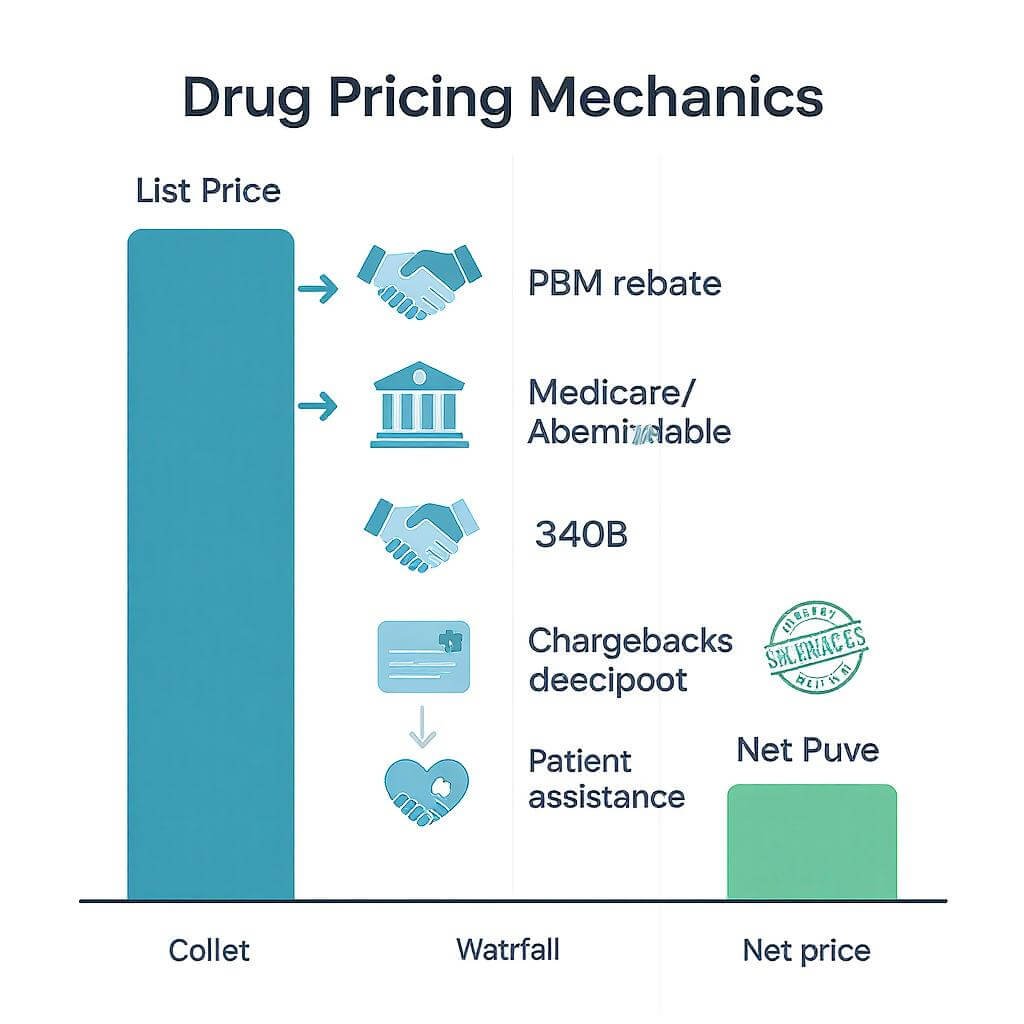
  • List price vs. net price: In the U.S., manufacturers set a list price (WAC), but pay mandatory and negotiated discounts: rebates to PBMs/insurers, government discounts (Medicaid, 340B), chargebacks, and patient support. Net price = list price minus all these concessions.
  • The “gross-to-net” gap: For many branded drugs in the U.S., net price can be 30–60% below list price, depending on the product and payer mix.
  • Outside the U.S.: Prices are usually negotiated nationally, subject to reference pricing and value assessments, often resulting in lower net prices than in the U.S.

Patents and exclusivity protect profits (for a time)

  • Patents: Typically last 20 years from filing. Because filing often occurs early in development, effective post-approval exclusivity is often 7–12 years.
  • Regulatory exclusivity (U.S.): New Chemical Entity (5 years), biologics (12 years), orphan drugs (7 years), pediatric exclusivity (6 months), plus various add-ons. EU uses “8+2+1” data/market protection.
  • Lifecycle management: Companies extend value via new indications, pediatric studies, new formulations (e.g., extended release), device-drug combos, and authorized generics.

The R&D pipeline economics

  • High risk, high cost: Only a minority of candidates that enter human trials achieve approval. Industry-wide, roughly 1 in 10 (varies by therapy area) successfully reach market.
  • Timelines: Discovery and preclinical can take 3–6 years; clinical development and review often add 6–10 years.
  • Investment scale: Total cost to develop an approved medicine varies widely (hundreds of millions to several billions of dollars, depending on modality and failure-adjusted costs).
  • Portfolio logic: A few big winners often offset many failures—one reason companies value platforms and scalable science (e.g., mRNA, antibodies).
Market access, sales, and promotion

  • Access matters as much as science: Formulary placement, prior authorizations, and step therapy affect uptake.
  • PBMs and rebates (U.S.): Manufacturers negotiate rebates for preferred formulary tiers; better placement can drive volume but reduce net price.
  • Promotion: Engagement with healthcare professionals (education, field teams), medical conferences, and—mainly in the U.S. and New Zealand—direct-to-consumer advertising.

After exclusivity: Generics and biosimilars

  • Small-molecule generics: Rapid price erosion and market share loss for the brand when generics launch; margins compress significantly.
  • Biologics and biosimilars: Competition grows more gradually than with pills; price erosion is meaningful but typically slower and less steep than small molecules.
  • Authorized generics: The brand company may sell a “generic” version to retain some share as prices fall.

Other revenue streams beyond branded Rx

  • Vaccines: High-volume, tender-driven in many markets; strategic for public health and reputation.
  • Consumer health/OTC: Pain relief, allergy, vitamins, skincare. Some big pharmas have spun these into separate companies, but it remains a revenue category for many.
  • Licensing and royalties: Upfront payments, milestones, and ongoing royalties from out-licensing or co-developing assets and platforms.
  • Collaborations and co-promotion: Shared risk and reward with biotech or other pharmas.
  • Contract manufacturing (CDMO/CMO): Select companies monetize capacity by producing for third parties (more common among specialized manufacturers).
  • Diagnostics and devices: Companion diagnostics can support therapy adoption; some firms bundle device-drug solutions (e.g., auto-injectors).

Regional pricing and market dynamics

  • United States: Higher net prices on average; complex rebates; significant role for PBMs; DTC advertising allowed.
  • Europe: Centralized or HTA-driven price negotiations; outcomes- and value-based agreements are increasingly used.
  • Emerging markets: Volume-driven, tender-based, and differential pricing; growth opportunities with expanding access.

What the P&L often looks like (ranges vary by company and product)

  • Revenue: Volume × net price (after discounts).
  • Cost of goods sold (COGS): Often 5–10% of sales for small-molecule tablets; can be 15–30% for biologics due to complex manufacturing.
  • R&D expense: Frequently 15–25% of sales for large R&D-based companies.
  • SG&A (sales, general, administrative): Often 25–35% of sales, driven by field forces, marketing, and market access activities.
  • Operating margin: Commonly 20–30% for large, diversified companies; varies widely based on mix and lifecycle stage.

Key risks and headwinds

  • Patent cliffs and biosimilar waves
  • Regulatory and price pressures (e.g., U.S. Medicare price negotiations, EU reference pricing)
  • Clinical failures and safety issues
  • Competition from alternative therapies and generics
  • Supply chain and manufacturing complexities (especially for biologics)
  • Litigation and compliance risks

Trends reshaping pharma revenue

  • Biologics, cell and gene therapies: High-value, one-time or infrequent dosing models; experimentation with annuity and outcomes-based payments.
  • Precision medicine: Smaller, biomarker-defined populations with strong clinical differentiation.
  • Real-world evidence and value-based contracts: Tying payment to patient outcomes to support access.
  • AI-enabled R&D: Aiming to improve target discovery, trial design, and success rates.
  • Metabolic and obesity therapies: Rapidly expanding markets influencing payer strategies and budgets.

A quick revenue math example

  • Net revenue = treated patients × duration × net price.
  • Suppose a rare-disease therapy is priced at $300,000 per year, with 2,000 treated patients and an average 15% discount. Net price ≈ $255,000. Annual net revenue ≈ 2,000 × $255,000 = $510 million. From this, the company funds manufacturing, R&D, SG&A, taxes, and profit.

FAQs

Q: How do pharma companies set drug prices?

A: They consider clinical value, unmet need, competitive landscape, target population size, development/manufacturing costs, and payer willingness to reimburse. In many countries, negotiated or value-based frameworks set effective prices.

Q: Why are drug prices often higher in the U.S.?

A: The U.S. relies on market-based negotiations among manufacturers, PBMs, and insurers, with fewer national price controls. Rebates reduce net prices, but patient out-of-pocket can still be high depending on benefit design.

Q: Do pharmaceutical companies profit from generics?

A: Brand-focused companies generally see steep revenue declines when generics arrive. Generic-focused companies earn profits through high-volume, low-margin models. Some brands use authorized generics to retain share.

Q: How long do patents protect a drug?

A: Patents last 20 years from filing, but effective post-approval exclusivity is often 7–12 years due to early filing and development time. Additional regulatory exclusivities can extend protection for specific indications or populations.

Q: What is a PBM and why do rebates matter?

A: Pharmacy Benefit Managers negotiate drug coverage and pricing for insurers/employers. Manufacturers pay rebates for preferred formulary placement. Those rebates lower net prices but can complicate patient out-of-pocket costs.

Q: Why do prices sometimes increase annually?

A: Manufacturers may take list price increases to offset rebates/inflation, support ongoing R&D, or align with market dynamics. However, net prices (after discounts) may rise more modestly or even fall, depending on competition and payer leverage.

Q: How did COVID-19 vaccines generate revenue?

A: Through large government procurement contracts, often at negotiated prices per dose. Economics varied by country, volume, and contract terms; profits were influenced by scale, manufacturing efficiency, and partnerships.

Key takeaways

  • Most pharma revenue comes from patented prescription drugs during a limited exclusivity window.
  • Net price—not list price—drives revenue; U.S. gross-to-net discounts are substantial.
  • R&D is costly and risky; a few winners fund many failures.
  • Profits depend on market access, lifecycle strategy, and geographic mix.
  • Generics/biosimilars reset economics post-exclusivity.
  • Licensing, vaccines, OTC, and services provide diversification.
  • Policy and payer trends (e.g., value-based contracts, price negotiations) are reshaping the model.

How Do Pharmaceutical Companies Make Money? Read More »
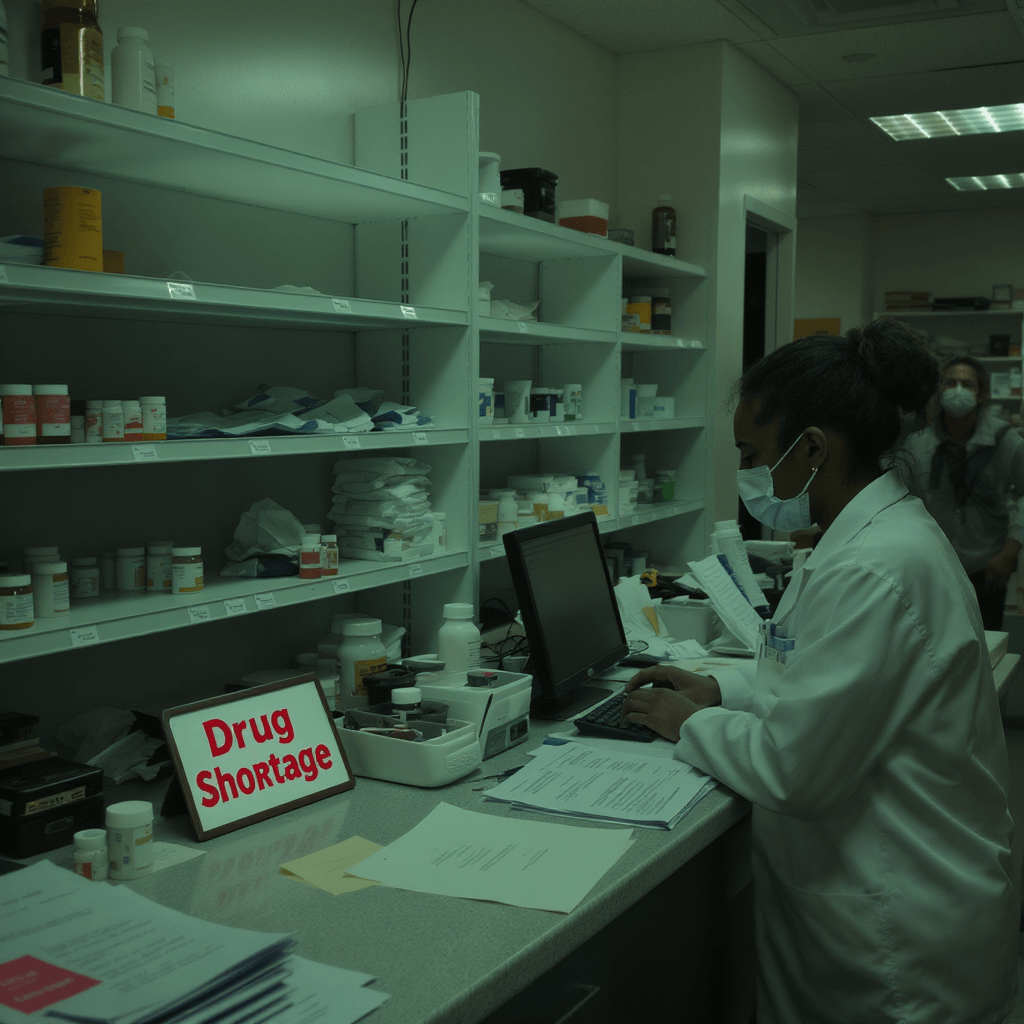
What is a Drug Shortage?

In our fast world, getting the right meds is key to keep good health. Yet, at times, some drugs can’t be found or are hard to get. This leads to what we call a drug shortage. Such a problem has big effects, touching the lives of sick folk, health care folks, and the drug-making companies. In this piece, we’ll dive into what a drug shortage is, why it happens, its effects, and how we might fix it, giving useful info for those who need to know more.


What is a Drug Shortage?

A drug shortage happens when there’s not enough of a drug to meet the need. This makes it hard, or even impossible, for folks to get the meds they need. These shortages can be about drugs you need a note from the doctor to buy.

Causes of Drug Shortages

Manufacturing Issues: Issues at the places where they make the drugs can cause big problems. If they have trouble making a drug as they should, or if the place that makes drugs breaks, it can hold up how much of the drug is made.

Quality Problems: Sometimes, the drug itself or the things needed to make the drug aren’t good enough to meet safety rules. This leads them to stop making the drug until they fix the issue.

Regulatory Actions: If a drug does not meet the safety rules set by groups like the FDA, EMA, or WHO, they might stop or slow down the making of these drugs.

Supply Chain Issues: Problems in getting the things needed to make the drugs, or in shipping the drugs from one place to another can also lead to shortages.

High Demand: When many more people need a drug than usual, like during a health crisis, it can be hard to have enough for everyone.

Knowing why shortages happen can help us find ways to fix this problem. This ensures that people get the medicines they need when they need them.

How Antibiotic Works

Manufacturing and Supply Chain Issues

Production Delays: Trouble at making sites, such as tool breaks, dirt, or checks on quality, can stop making.

Raw Material Shortages:

Many drugs need key drug parts (APIs) from around the world. Problems in getting these raw parts, often from world politics or big storms, can cause lack.

Supply Chain Disruptions:

The ways goods move around the world are tough, and things like sickness spread, trade limits, or slow transport can stop the move of meds.

Economic Factors

Low Profit Margins: Generic drugs, which cost less, might not bring in much money for those who make them. This could make these companies stop making them or make less.

Market Consolidation:

If just a small number of makers produce a certain drug, any problems in their work can cause big shortages.

Regulatory Challenges

Stringent Regulations: Rules are there to make sure drugs are safe and good, but they can slow down making them if makers can’t meet these rules.

Approval Delays: New makers trying to enter the market might face slow approval times, which can make shortages worse.


Increased Demand

Unexpected Spikes: Sudden jumps in need, like in a health crisis (say, a pandemic or flu hit), can use up drug stores quicker than makers can fill them back up.

Off-Label Use: When drugs are taken for uses they weren’t first made for, it can stretch supplies thin and cause lack of them for people who need them for allowed uses.

Natural Disasters and Crises

Events such as storms, quakes, or widespread disease can harm drug-making places, mess up moving goods, or cut down on workers, all adding to drug shortages.

Impacts of Drug Shortages

Drug shortages can really harm patients, caregivers, and the whole health system. Here are some big bad effects:

Patient Health Risks

Delayed or Interrupted Treatments: Patients might face delays in getting key meds, which can make their health issues worse or lead to other problems.

Substitutions: Doctors might have to use different drugs, which may not work as well or could cause more side effects.

Medication Errors: Without the usual drugs, there may be more mistakes in how much or how drugs are given out, putting patients in danger.

Increased Healthcare Costs

Shortages often make the price of meds go up as the need for them is more than what is available. Doctors might also have to use more time and help to find other options or to take care of patients.

Strain on Healthcare Providers

Doctors, pharmacists, and nurses have more work as they look for other treatments, talk to patients, and deal with problems from shortages.

Public Health Threats

When there is not enough vaccines, antibiotics, or antiviral drugs, it can stop us from fighting infections. This puts our health at risk.


Collaboration

Teams from different countries work together, joining forces between rules makers, makers, and health teams. They help fix supply chain issues and share what they have in hard times.


How Can Patients and Healthcare Providers Cope with Drug Shortages?

If you face a drug shortage, here are easy steps you can take:

For Patients:

Talk to Your Healthcare Provider: Chat with your doctor or pharmacist about other treatment or medicine options.

Get Ready Early: If you can, plan with your drug store to make sure you have enough of your medicine.

Don’t Stock Up Too Much: Saving up too many drugs can make shortages worse, so get only what you need.


For Healthcare Providers:

Stay Informed: Often look at drug lack lists and news from rule groups.

Collaborate: Join hands with drug experts and other helpers to find good and safe other ways.

Educate Patients: Tell your patients about the lacks and include them in making choices about their care.The Future of Drug Shortages: Solutions and Innovations

Dealing with drug shortages needs plans that last long and new ideas. Some ways to fix this include:

Diversifying Supply Chains: Cutting down on depending on just one maker or place for raw items and made drugs.

Advanced Manufacturing Technologies: Putting money into things like ongoing making to make making better and more bendy.

Data Analytics: Using smart guesswork to see shortages coming and handle stock in a good way.

Global Cooperation: Making ties between nations stronger to make sure all get equal chance at meds when there are hard times.

Understanding Drug Shortages


Drug shortages are a big problem that can mess up how we care for the sick, run health care places, and take care of public health. By knowing why they happen, how they affect us, and ways to fix them, we can work to make sure everyone can get the medicines they need, in a fair way. If drug shortages worry you, you should keep up with the news, talk to your doctor, and push for rules that tackle this big issue.


Stay Updated

For the most recent news on drug shortages, look at tools like the FDA’s Drug Shortages Database or talk to your local rules group. By joining hands, we can lessen the bad effects of not having enough drugs and help everyone be healthier.

What is a Drug Shortage? Read More »

What is the definition of SOP in pharmaceuticals?

A Standard Operating Procedure (SOP) in pharmaceuticals is a detailed, written set of instructions that describes how to perform a specific task or process. These procedures are designed to ensure operations are carried out consistently and correctly, achieving uniform performance and quality outcomes. According to the International Council for Harmonisation (ICH) [ICH E6 Good Clinical Practice], SOPs are “detailed, written instructions to achieve uniformity of the performance of a specific function.” In pharmaceuticals, they cover activities like manufacturing, quality control, and clinical trials, ensuring compliance with regulatory standards and the production of safe, effective products.


Importance and Examples

SOPs are crucial for maintaining consistency and quality, helping pharmaceutical companies comply with strict regulations set by authorities like the FDA, EMA, and WHO. For instance, the FDA’s Code of Federal Regulations (CFR) Title 21 Part 211 [CFR Title 21 Part 211] specifies numerous instances where SOPs are required, such as for quality control responsibilities. An unexpected detail is that SOPs also serve as training tools for new employees, streamlining operations and reducing errors, which enhances efficiency and safety. For example, an SOP for calibrating a laboratory balance includes steps for preparation, standards, frequency, tolerance levels, and result recording, ensuring accurate measurements critical for testing.


Survey Note: Comprehensive Analysis of SOP Definition in Pharmaceuticals

In the pharmaceutical industry, Standard Operating Procedures (SOPs) are foundational for ensuring consistency, quality, and compliance, given the sector’s stringent regulatory environment. This section provides a detailed exploration of the definition of SOPs, their importance, and practical examples, expanding on the key points and direct answer provided earlier.


Defining SOPs in Pharmaceuticals

The definition of SOP in pharmaceuticals, as derived from multiple authoritative sources, is a detailed, written set of instructions that outlines how to perform specific tasks or processes consistently and correctly.

The International Council for Harmonisation (ICH) [ICH E6 Good Clinical Practice] defines SOPs as “detailed, written instructions to achieve uniformity of the performance of a specific function,” emphasizing their role in clinical research and broader pharmaceutical operations.

The International Society for Pharmaceutical Engineering (ISPE) [Creating Effective Standard Operating Procedures] further elaborates that SOPs are “agreed-upon instructions for personnel training and instructions for maintaining systems, machines, documents, and records in a qualified state to produce safe products,” highlighting their critical role in current Good Manufacturing Practice (cGMP) compliance. Additionally, a guide from The FDA Group [A Basic Guide to Writing Effective Standard Operating Procedures (SOPs)] describes SOPs as “step-by-step instructions for performing operations, ensuring personnel perform operations correctly and consistently to achieve a quality outcome through uniform performance,” reinforcing their purpose in achieving uniform results.

In the pharmaceutical context, SOPs are not just procedural documents but are integral to ensuring regulatory compliance, safety, and efficacy. They cover a wide range of activities, including manufacturing processes, quality control testing, clinical trial conduct, and regulatory documentation, as evidenced by which details the structure and preparation of SOPs, including headers, bodies, footers, and numbering systems.


Importance and Regulatory Context

SOPs are vital for several reasons, as outlined in various sources. They ensure consistency and quality by providing clear, unambiguous instructions, reducing variability in task execution, which is critical in an industry where errors can have severe consequences. The FDA’s Code of Federal Regulations (CFR) Title 21 Part 211 [CFR Title 21 Part 211] mandates SOPs for numerous operations, such as reprocessing batches (section 211.115(a)), labeling control (section 211.125(f)), and packaging operations (section 211.130), underscoring their role in compliance. Similarly, the European Medicines Agency (EMA) and World Health Organization (WHO) emphasize SOPs for aligning with international standards, as seen in clinical trial guidelines.

Their importance extends to training, where SOPs serve as essential tools for onboarding new employees, ensuring they understand procedures without constant supervision. Efficiency is another benefit, as well-written SOPs streamline operations, reduce errors, and enhance productivity, as noted in resources like [Simple Guide to SOP Management in the Pharmaceutical Industry. Safety is paramount, with SOPs minimizing risks to employees and consumers by standardizing processes, particularly in manufacturing and laboratory settings.


An unexpected detail is the role of SOPs in mitigating knowledge loss, as highlighted in discussions on their use in preventing the “how-to” knowledge from walking out the door when employees leave, as seen in [Why Are Standard Operating Procedures Important. This aspect is particularly relevant in pharmaceuticals, where experienced personnel turnover can impact operations.


Practical Examples and Implementation

To illustrate, consider an SOP for calibrating a laboratory balance, a common task in pharmaceutical quality control. This SOP, as described would include detailed steps such as preparing the balance, using specific calibration standards, setting frequency (e.g., monthly), defining acceptable tolerance levels, and recording results in a log. This ensures accurate measurements, critical for testing drug potency and purity, aligning with cGMP requirements.

Another example is an SOP for clinical trial data management, where, according to the Association of Clinical Research Professionals (ACRP) [Guidance for Preparing Standard Operating Procedures (SOPs), SOPs outline step-by-step instructions for data collection, storage, and reporting, ensuring compliance with ICH-GCP and protecting participant rights. These examples demonstrate how SOPs translate into practical, day-to-day operations, ensuring consistency and compliance.


Structure and Management

The structure of an SOP includes sections like Objective, Scope, Responsibility, Accountability, Procedure, References, Annexures, and Abbreviations, written in clear, unambiguous language for easy understanding. The document is typically prepared on A-4 size paper, using Times New Roman font, with specific sizes for headers (12 Bold Upper Case), body (12 Sentence Case), and footer (10 Title/Upper Case). Numbering follows a unique seven-character alphanumeric system (e.g., XQA-001 for the first QA SOP), with codes for departments like Manufacturing (B, C, L, P, T), Quality Control (Q), and others, facilitating organization and retrieval.

Management of SOPs, as discussed in [Simple Guide to SOP Management] involves systematic creation, implementation, and maintenance, ensuring they are adequately documented, regularly reviewed, and effectively communicated. This process is supported by Quality Management System (QMS) software, enhancing document control and compliance.


 Broader Implications

In conclusion, the definition of SOP in pharmaceuticals encompasses detailed, written instructions for consistent task execution, ensuring compliance, quality, and safety. Their implementation is not merely procedural but a strategic necessity, supported by regulatory mandates and industry best practices. The detailed structure and management processes, coupled with practical examples like balance calibration and clinical trial data management, illustrate their pervasive role. An unexpected insight is their function in knowledge retention, highlighting their long-term value in maintaining operational continuity. This comprehensive understanding underscores the critical role of SOPs in the pharmaceutical industry’s mission to deliver safe, effective, and compliant products.

What is the definition of SOP in pharmaceuticals? Read More »

Astell SVS1400: The Ultimate 1400 L Industrial Autoclave Solution

The Astell SVS1400 autoclave represents the pinnacle of large-capacity sterilization technology, offering an impressive 1400 litre chamber within Astell’s renowned SQUARE MAX range. Designed for high-throughput environments where reliability and versatility are paramount, this model combines sophisticated engineering with user-friendly operation. With customizable features, advanced safety mechanisms, and options for both steam generator and direct steam configurations, the SVS1400 provides an efficient solution for facilities requiring industrial-scale sterilization capabilities while maintaining Astell’s century-plus reputation for excellence in sterilization technology.


Understanding the SQUARE MAX Range and the SVS1400 Model

The SVS1400 sits at the top end of Astell’s SQUARE MAX autoclave range, which features five different chamber sizes from 600 to 1400 litres. As the largest model in this premium lineup, the SVS1400 is specifically engineered for facilities with substantial sterilization requirements. Astell Scientific, a company with a heritage dating back to 1884, has developed this range to address the needs of industries requiring high-volume, reliable sterilization solutions.

The SQUARE MAX range, including the SVS1400 model, is highly customizable and capable of sterilizing almost anything, depending on the configuration selected. This versatility makes it an ideal choice for research institutions, pharmaceutical manufacturers, and industrial facilities where diverse sterilization requirements are common.


Technical Specifications and Performance Features

The SVS1400 boasts impressive dimensions and capabilities that set it apart in the industrial autoclave market. With a spacious chamber measuring 700 x 1000 x 2000 mm (W x H x D), the unit offers ample space for bulky or numerous items while maintaining a relatively compact overall footprint of 2000 x 2000 x 2500 mm. This efficient use of space makes it suitable even for facilities where floor area is at a premium.

Power options are equally impressive, with the standard configuration featuring a robust 72kW steam generator, though a direct steam version operating at 4kW is also available at no extra cost. This flexibility allows facilities to choose the most appropriate setup based on their existing infrastructure and specific requirements. The unit can be configured with either single or double doors, making it adaptable for pass-through installations where clean and dirty sides need to be separated.

Central to the user experience is Astell’s intuitive 5.7″ colour touchscreen controller, which provides straightforward operation despite the industrial scale of the equipment. This modern interface allows operators to monitor cycle progress, access stored programs, and review sterilization data with ease.


Advanced Options for Enhanced Performance

What truly distinguishes the SVS1400 is its adaptability through various advanced options. For facilities dealing with porous loads or wrapped instruments where air pockets could compromise sterilization, the AVC001 advanced pulsar vacuum option provides superior air removal. When used in conjunction with the integral steam generator and a heated jacket, this system enables effective drying of all load types, significantly enhancing versatility.

The external jacket option adds another dimension to the SVS1400’s capabilities. This feature effectively creates an additional layer around the autoclave chamber that can be independently heated to enhance drying or flooded with water to accelerate cooling. This dual functionality contributes to faster cycle times and improved throughput, potentially increasing operational efficiency.

For applications requiring precise documentation and validation, the SVS1400 can be equipped with FDA 21 CFR part 11 compliant software, making it suitable for regulated industries such as pharmaceuticals. Calibration and validation services are also available, ensuring ongoing compliance with relevant standards and regulations.


Safety Features and Built-in Protections

Safety remains paramount in Astell’s design philosophy, and the SVS1400 incorporates multiple protective measures. Standard safety features include over-temperature protection, a cooling lock to prevent door opening at unsafe temperatures, a safety valve test program, and an accessible emergency stop button.

The door mechanism incorporates sophisticated safety interlocks that prevent cycle initiation unless the door is properly closed and sealed. Similarly, the system prohibits door opening until chamber pressure and temperature have reached safe levels. These automated protections minimize operator risk when working with such a large-capacity, high-pressure system.

The SVS1400’s doors are thermally insulated to prevent surface temperatures from presenting hazards to operators, while the door seal is designed to resist both steam and vacuum without trapping foreign materials. These thoughtful safety features reflect Astell’s long experience in autoclave manufacturing and commitment to operator wellbeing.


Real-World Applications and Versatility

The SVS1400’s substantial capacity makes it particularly valuable for high-throughput environments or facilities dealing with bulky and awkward loads. In pharmaceutical manufacturing, for instance, the autoclave can efficiently sterilize large batches of media, equipment, or waste materials, maintaining production schedules while ensuring sterility.

Research institutions with substantial material processing requirements benefit from the SVS1400’s ability to handle diverse load types. As Garth Barnard, Managing Director at Cantor + Nissel notes about Astell autoclaves generally, “Rapid cycle times are important, but so is flexibility. The latest version of Astell’s software allows us to create our own cycle parameters so that we can run different cycles depending on the products being sterilised.”

Industrial facilities processing raw materials or finished products in large volumes can leverage the SVS1400’s robust construction and consistent performance to maintain production quality with minimal downtime. The availability of customization options means the autoclave can be tailored to specific process requirements, enhancing its value as a long-term investment.


Customer Support and Service Excellence

Beyond the technical specifications, Astell’s reputation for customer service adds significant value to the SVS1400 offering. As Steve Guy, M&E Facility Manager at John Innes Centre, observes, “Astell are always quick to respond, and it’s usually the same service engineers – which helps as some of our equipment is quite unique… Their customer service has always been good so, when an autoclave reaches the end of its life, we generally replace it with an Astell unit.”

This consistent support is particularly important for facilities where autoclave downtime can significantly impact operations. The availability of trained technicians familiar with the specific model contributes to faster resolution of any issues and minimizes operational disruptions.


A Premium Solution for Industrial Sterilization Needs

The Astell SVS1400 represents a premium solution for large-capacity sterilization requirements, combining impressive 1400 litre capacity with flexible configuration options and modern control systems. Its robust construction, comprehensive safety features, and adaptability to various sterilization protocols make it suitable for demanding applications across multiple industries.

For facilities requiring industrial-scale sterilization capabilities, the SVS1400 delivers the perfect balance of capacity, reliability, and technological sophistication. Backed by Astell’s century-plus heritage in sterilization excellence and commitment to customer support, this autoclave represents not just a piece of equipment, but a long-term sterilization solution designed to meet evolving needs across its operational lifespan.

Whether upgrading an existing facility or equipping a new installation, the SVS1400 offers the capacity, features, and support to ensure reliable, efficient sterilization for years to come. As the largest model in Astell’s respected SQUARE MAX range, it embodies the culmination of generations of sterilization expertise in a modern, high-performance package.

Astell SVS1400: The Ultimate 1400 L Industrial Autoclave Solution Read More »