Antibiotic

How Antibiotics Work: A Comprehensive Guide

Antibiotics have revolutionized modern medicine, turning once-deadly infections into manageable conditions. From strep throat to pneumonia, these wonder drugs have saved countless lives since their discovery in the early 20th century. But how exactly do they work? Why do they target bacteria but leave our own cells unharmed? And what about the growing threat of antibiotic resistance? In this article, we’ll dive into the science behind antibiotics, breaking it down in simple terms to help you understand these essential medications.

What Are Antibiotics?

Before we explore how antibiotics work, let’s clarify what they are. Antibiotics are substances that kill or inhibit the growth of bacteria—microscopic organisms that can cause infections in humans, animals, and plants. The word “antibiotic” comes from Greek roots meaning “against life,” but in practice, they target harmful bacterial life while sparing our own.

The story of antibiotics begins with Alexander Fleming’s accidental discovery of penicillin in 1928. While studying bacteria in his lab, Fleming noticed that a mold (Penicillium) had contaminated one of his petri dishes and killed the surrounding bacteria. This led to the development of the first antibiotic, which was mass-produced during World War II to treat wounded soldiers. Today, there are dozens of antibiotic classes, each designed to combat specific types of bacterial infections.

Importantly, antibiotics do not work against viruses, such as those causing the common cold, flu, or COVID-19. Bacteria are single-celled organisms with their own cellular machinery, while viruses are essentially packets of genetic material that hijack our cells to replicate. This key difference is why antibiotics are useless—and sometimes harmful—when misused for viral illnesses.


The Battlefield: Bacteria vs. Antibiotics

Bacteria are resilient survivors. They can multiply rapidly, forming colonies that overwhelm our immune systems. Antibiotics act like precision weapons, exploiting vulnerabilities in bacterial cells that human cells don’t have. Human cells are eukaryotic (with a nucleus and complex structures), while bacterial cells are prokaryotic (simpler and lacking a nucleus). This distinction allows antibiotics to attack bacteria selectively without causing widespread harm to us.

Antibiotics generally work in one of two ways: they either kill bacteria outright (bactericidal) or stop them from growing and reproducing (bacteriostatic). The immune system then mops up the weakened invaders. Let’s break down the main mechanisms.

1. Disrupting the Bacterial Cell Wall

Bacteria have a rigid outer wall that protects them and maintains their shape, much like a fortress. Human cells don’t have this wall; instead, we have flexible membranes. Antibiotics like penicillin and cephalosporins target the enzymes bacteria use to build and repair this wall.

  • How it works: These drugs bind to proteins involved in cell wall synthesis, preventing the bacteria from forming a strong barrier. As the bacteria try to grow and divide, their weakened walls burst under internal pressure—like overinflating a balloon until it pops.
  • Examples: Penicillin is famous for treating infections like syphilis and certain types of pneumonia. Vancomycin is a heavy-hitter used for resistant strains, such as MRSA (methicillin-resistant Staphylococcus aureus).

This mechanism is bactericidal, directly killing the bacteria.

2. Inhibiting Protein Synthesis

Proteins are the building blocks of life, essential for everything from bacterial movement to toxin production. Bacteria use ribosomes—tiny factories inside cells—to assemble these proteins from genetic instructions.

  • How it works: Antibiotics like tetracyclines, macrolides (e.g., erythromycin), and aminoglycosides (e.g., gentamicin) interfere with these ribosomes. They might block the ribosome’s ability to read genetic code or prevent amino acids from linking up properly. Without functional proteins, bacteria can’t function or reproduce.
  • Examples: Tetracyclines are commonly used for acne and respiratory infections, while erythromycin treats conditions like whooping cough.

These are often bacteriostatic, slowing bacterial growth so the body’s defenses can take over.

3. Blocking Nucleic Acid Synthesis

Nucleic acids like DNA and RNA are the genetic blueprints bacteria need to replicate and survive. Some antibiotics sabotage this process.

  • How it works: Quinolones (e.g., ciprofloxacin) and rifamycins (e.g., rifampin) target enzymes that unwind or copy DNA. By jamming these enzymes, the antibiotics prevent bacteria from replicating their genetic material, halting cell division.
  • Examples: Ciprofloxacin is a go-to for urinary tract infections and traveler’s diarrhea, while rifampin is crucial for tuberculosis treatment.

This method is typically bactericidal, as bacteria can’t survive without intact DNA.

4. Damaging the Cell Membrane

The bacterial cell membrane acts as a gatekeeper, controlling what enters and exits the cell. Some antibiotics poke holes in this membrane, causing the cell’s contents to leak out.

  • How it works: Drugs like polymyxins disrupt the membrane’s structure, leading to cell death. It’s like punching holes in a ship’s hull, causing it to sink.
  • Examples: Polymyxins are reserved for severe infections caused by Gram-negative bacteria, such as those in hospital settings.

This is a bactericidal approach, often used as a last resort due to potential side effects.

5. Other Mechanisms

Some antibiotics work through unique pathways. For instance, sulfonamides (sulfa drugs) mimic essential nutrients, starving bacteria of folic acid needed for DNA synthesis. Metronidazole, used for anaerobic infections like those in the gut, damages DNA in oxygen-free environments.

Why Don’t Antibiotics Harm Human Cells?

The magic of antibiotics lies in their selectivity. They exploit differences between bacterial and human biology:

  • Bacterial cell walls contain peptidoglycan, which we lack.
  • Bacterial ribosomes differ structurally from ours.
  • Human cells obtain folic acid from food, while bacteria must synthesize it.

However, antibiotics aren’t perfect. Side effects like nausea, diarrhea, or allergic reactions can occur, and overuse can disrupt our gut microbiome—the “good” bacteria that aid digestion and immunity.

The Dark Side: Antibiotic Resistance

While antibiotics are powerful, bacteria are evolving. Overuse and misuse (e.g., not finishing a prescribed course) allow resistant strains to survive and multiply. These “superbugs” develop defenses like pumping out the drug or altering target sites.

According to the World Health Organization, antibiotic resistance causes over 700,000 deaths annually, potentially rising to 10 million by 2050 if unchecked. To combat this:

  • Only take antibiotics when prescribed by a doctor.
  • Complete the full course.
  • Avoid demanding antibiotics for viral infections.
  • Practice good hygiene to prevent infections.

Researchers are developing new antibiotics and alternatives like bacteriophages (viruses that kill bacteria) to stay ahead.

Conclusion: The Power and Responsibility of Antibiotics

Antibiotics work by targeting the unique vulnerabilities of bacteria—disrupting their walls, proteins, DNA, or membranes—while leaving human cells largely intact. From Fleming’s mold to today’s advanced drugs, they’ve transformed healthcare, but their effectiveness depends on responsible use.

Understanding how antibiotics work empowers us to use them wisely. Next time you’re prescribed one, remember: they’re not a cure-all, but a targeted tool in the fight against bacterial foes. By respecting their power, we can preserve them for generations to come. If you suspect an infection, consult a healthcare professional—knowledge is the best defense.

How Antibiotics Work: A Comprehensive Guide Read More »
Can I Take Painkillers with Antibiotics?

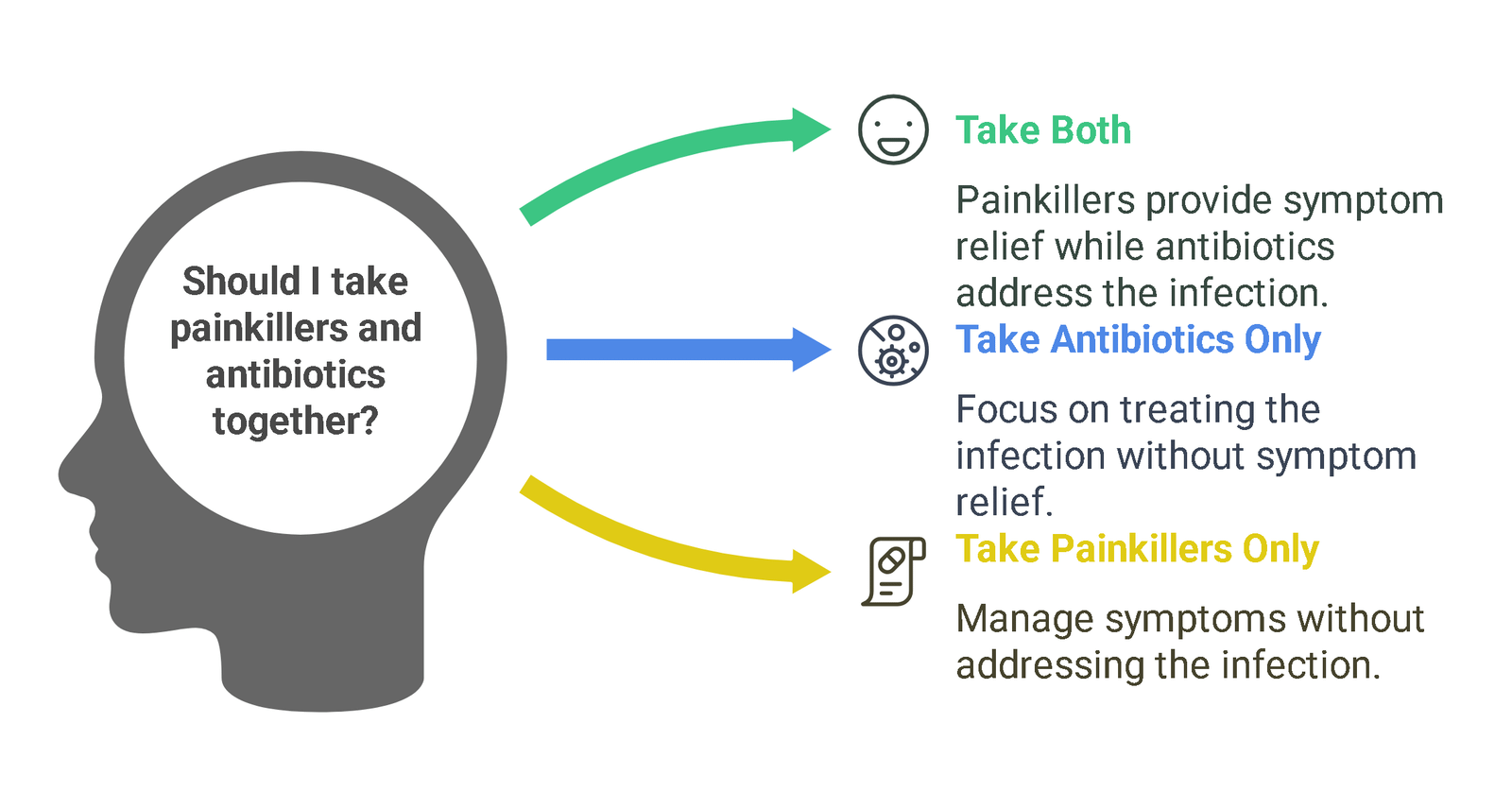
When dealing with a bacterial infection that requires antibiotic treatment, many patients experience pain, fever, or inflammation that might prompt them to reach for painkillers. However, questions often arise about whether it’s safe to combine these medications. This comprehensive guide explores the compatibility between painkillers and antibiotics, potential interactions, and important considerations for patients managing both pain and infection simultaneously.


Understanding Painkillers and Antibiotics

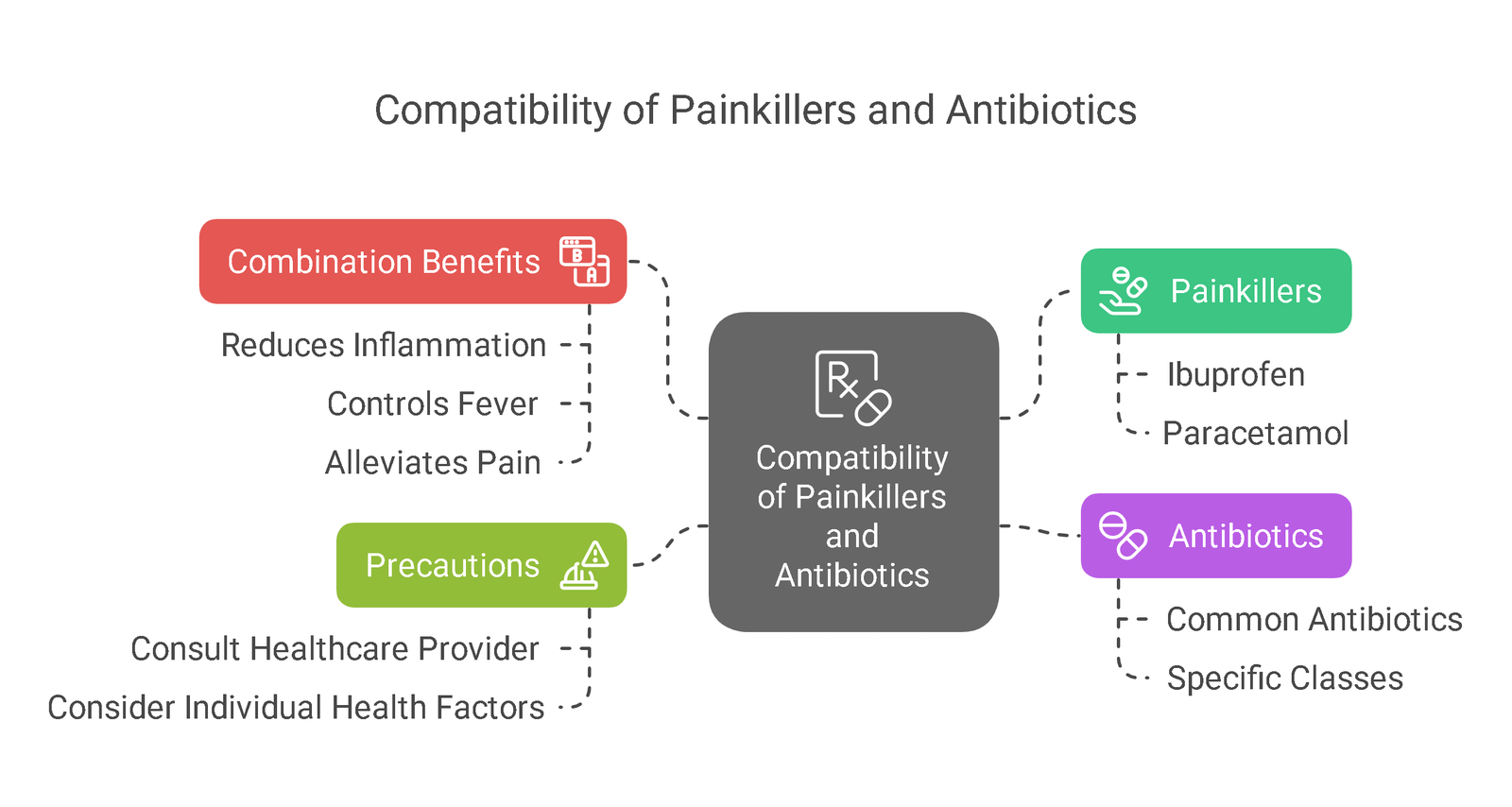
Painkillers and antibiotics serve fundamentally different purposes in the body and work through entirely different mechanisms. This distinction is crucial for understanding how they might interact when taken together. Antibiotics are medications specifically designed to fight bacterial infections by either killing bacteria or preventing their reproduction. They do not directly address symptoms like pain or fever, but rather target the underlying bacterial cause of the infection. Common antibiotics include penicillins (such as amoxicillin), cephalosporins, macrolides, and fluoroquinolones, each with unique properties and applications.

Painkillers, on the other hand, primarily work to reduce symptoms like pain, inflammation, and fever. The most common over-the-counter painkillers include nonsteroidal anti-inflammatory drugs (NSAIDs) such as ibuprofen (Advil, Motrin) and naproxen (Aleve), as well as acetaminophen (Tylenol). These medications can help manage discomfort while the antibiotic addresses the infection, but they do not have any antibacterial properties themselves. Many patients mistakenly believe that painkillers might somehow interfere with antibiotic effectiveness or that one medication might substitute for the other, which represents a common misconception in medication management.


Understanding this fundamental difference helps clarify why, in many cases, taking both medications simultaneously might be appropriate. When fighting a bacterial infection, antibiotics address the underlying cause while painkillers can provide relief from uncomfortable symptoms during the healing process. However, certain combinations may present risks that patients should be aware of before combining these medications.


General Compatibility of Painkillers and Antibiotics

For most common scenarios, painkillers can be safely taken alongside antibiotics, with each medication fulfilling its distinct role in treatment. Ibuprofen and other NSAIDs effectively reduce inflammation, control fever, and alleviate pain while the antibiotic works to eliminate the bacterial infection. This combination approach can provide comprehensive relief during illness, especially since antibiotics typically take 24-48 hours to begin showing effects against bacterial infections.

Paracetamol (acetaminophen) is generally considered one of the safest painkillers to combine with antibiotics, as it has fewer interaction concerns compared to other pain medications. Furthermore, paracetamol and ibuprofen work through different mechanisms and are processed by different organs (liver and kidneys respectively), meaning they can even be taken together if necessary, assuming normal organ function. This versatility makes paracetamol a frequent choice for pain management during antibiotic therapy.


However, the compatibility between painkillers and antibiotics is not universal across all medication types. While most common antibiotics can be safely combined with standard painkillers, certain antibiotic classes have known interactions that require caution. Patients should always consult their healthcare provider or pharmacist before combining medications, as individual health factors may also influence compatibility.


Specific Antibiotic Classes and Their Interactions with Painkillers

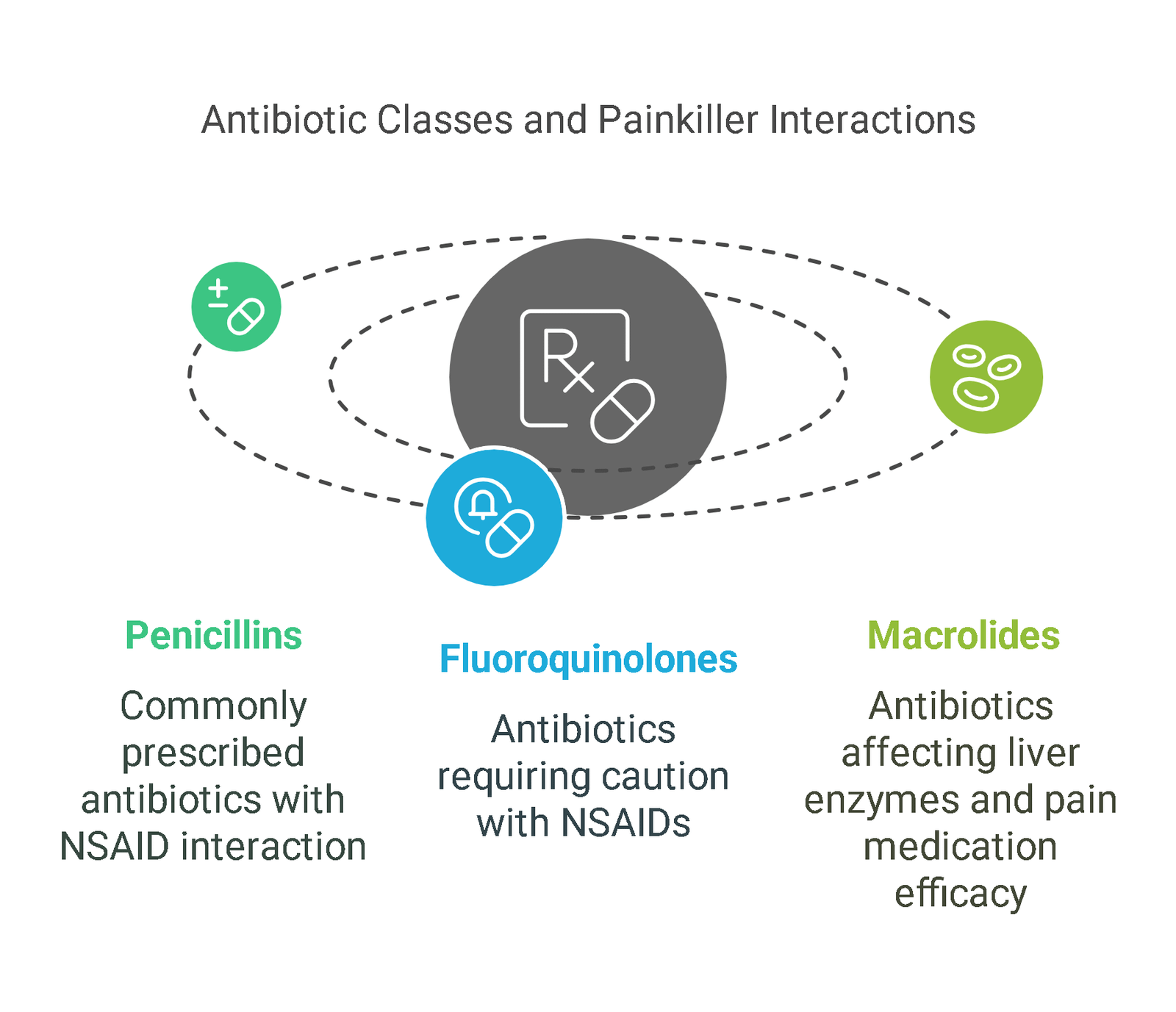
Different classes of antibiotics have varying potential for interactions with painkillers, particularly with NSAIDs like ibuprofen. Understanding these specific interactions can help patients make informed decisions about pain management during antibiotic treatment.


Penicillins and NSAIDs

Penicillin antibiotics, including amoxicillin and Augmentin (amoxicillin/clavulanate), are among the most commonly prescribed antibiotics. When combined with NSAIDs like ibuprofen, there may be an increase in penicillin exposure in the body. While this interaction is generally not severe enough to prevent concurrent use, patients with kidney issues might need additional monitoring. The combination remains safe for most patients, but healthcare providers might adjust dosages in certain circumstances to account for this interaction.


Fluoroquinolones and Pain Medications

Fluoroquinolone antibiotics, such as ciprofloxacin and levofloxacin, warrant special consideration when combined with NSAIDs. This combination may increase the risk of central nervous system stimulation and, rarely, seizures. Additionally, fluoroquinolones themselves can cause severe musculoskeletal side effects, including tendon pain and rupture, which might be confused with pain requiring treatment. Patients taking fluoroquinolone antibiotics should exercise caution with NSAIDs and discuss alternative pain management approaches with their healthcare provider.


Macrolides and Pain Management

Macrolide antibiotics like erythromycin and clarithromycin have significant interactions with many medications, though their direct interactions with common painkillers are generally limited. However, these antibiotics can affect liver enzymes that metabolize certain medications, potentially altering the effectiveness or safety profile of some prescription pain medications. Patients taking macrolides alongside prescription pain medication should ensure their healthcare provider is aware of all medications they are taking.


When to Exercise Caution with Painkillers During Antibiotic Treatment

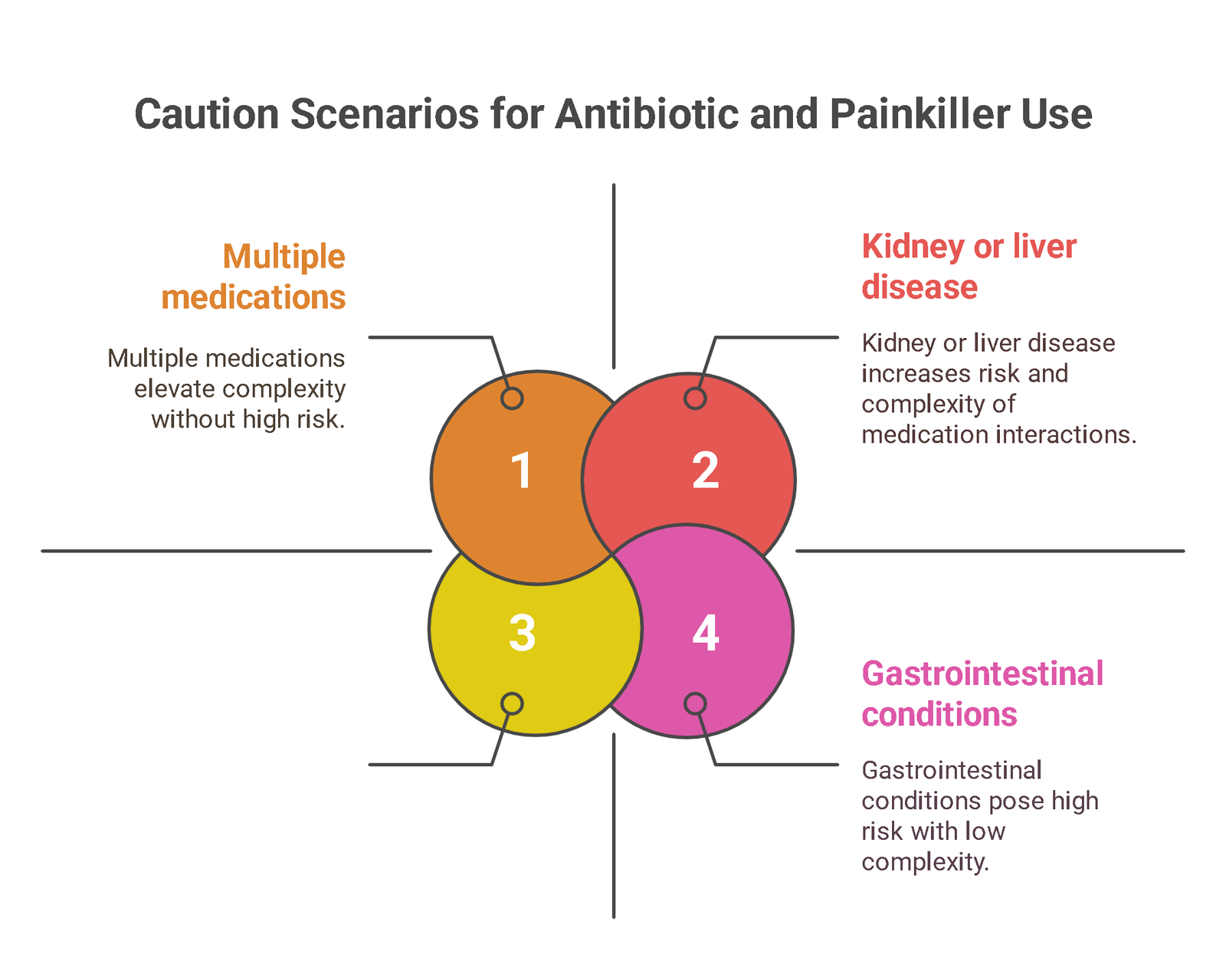
While many antibiotic-painkiller combinations are safe, certain scenarios warrant extra caution. Patients should be particularly careful in the following situations when considering combining these medications.


Kidney or liver disease significantly impacts how medications are processed and eliminated from the body. Since NSAIDs are primarily processed by the kidneys and can affect kidney function, patients with kidney disease should consult their healthcare provider before combining these painkillers with antibiotics. Similarly, those with liver disease should exercise caution with acetaminophen, which is metabolized in the liver. The presence of either condition may necessitate dosage adjustments or alternative pain management strategies during antibiotic treatment.

Gastrointestinal conditions also deserve special consideration. Both NSAIDs and certain antibiotics can cause stomach irritation or gastrointestinal side effects. Patients with conditions like gastritis, peptic ulcer disease, or inflammatory bowel disease may experience compounded gastrointestinal distress when taking both medications simultaneously. In such cases, acetaminophen might be preferred over NSAIDs for pain management, or protective medications might be added to the regimen.


Patients taking multiple medications beyond antibiotics and painkillers face increased complexity in managing potential drug interactions. The probability of adverse interactions rises with each additional medication in a patient’s regimen, particularly in intensive care settings where multiple drugs are commonly administered simultaneously. These patients should ensure all their healthcare providers have a complete list of their medications to assess for potential interactions.


Specific Recommendations for Common Painkillers

Understanding the specific considerations for each type of painkiller can help patients make appropriate choices when managing pain during antibiotic treatment.


Ibuprofen and Similar NSAIDs

Ibuprofen is generally compatible with most antibiotics, with the notable exceptions of quinolone antibiotics and vancomycin. This painkiller effectively reduces inflammation, fever, and pain associated with many infections. However, patients with stomach ulcers should avoid ibuprofen regardless of antibiotic use, as it can exacerbate this condition. NSAIDs work by reducing inflammation through inhibition of prostaglandin synthesis, providing effective symptom relief while antibiotics address the underlying infection.


When taking ibuprofen with antibiotics, patients should maintain proper dosing schedules for both medications. Ibuprofen is typically taken every 6-8 hours as needed for pain, while antibiotic schedules vary based on the specific medication and infection being treated. Some evidence suggests that the combination of penicillin antibiotics and NSAIDs may lead to increased penicillin exposure, though this rarely requires dosage adjustments in patients with normal kidney function.


Acetaminophen (Paracetamol)

Acetaminophen stands out for its minimal interaction profile with antibiotics, making it an excellent choice for many patients requiring pain management during antibiotic treatment. Unlike NSAIDs, acetaminophen does not significantly affect inflammation but provides effective fever reduction and pain relief. It is processed primarily by the liver, whereas many NSAIDs are processed by the kidneys, offering an alternative pathway that minimizes interaction concerns.


This different metabolic pathway means that acetaminophen can even be safely combined with ibuprofen for enhanced pain relief when necessary, provided the patient has normal liver function. This combination approach might be particularly useful for managing more severe symptoms while taking antibiotics that have known interactions with NSAIDs. However, patients should always adhere to recommended dosages to avoid acetaminophen-related liver toxicity.


Consulting Healthcare Professionals

The complexity of potential interactions between antibiotics and painkillers underscores the importance of professional medical guidance. While general principles provide a framework for understanding, individual factors significantly influence the safety and appropriateness of combining these medications.


Healthcare providers consider numerous personal factors when advising on medication combinations, including age, weight, kidney and liver function, existing medical conditions, and other medications. They can provide personalized recommendations that account for these variables and the specific antibiotic prescribed. Pharmacists also serve as valuable resources for information about medication interactions, often more accessible than physicians for immediate questions about over-the-counter pain relievers.


Patients should always inform all healthcare providers about all medications they are taking, including over-the-counter products, supplements, and prescription drugs from other providers. This comprehensive medication history enables more accurate assessment of potential interactions and appropriate recommendations for pain management during antibiotic treatment.


Recognizing Warning Signs of Adverse Interactions

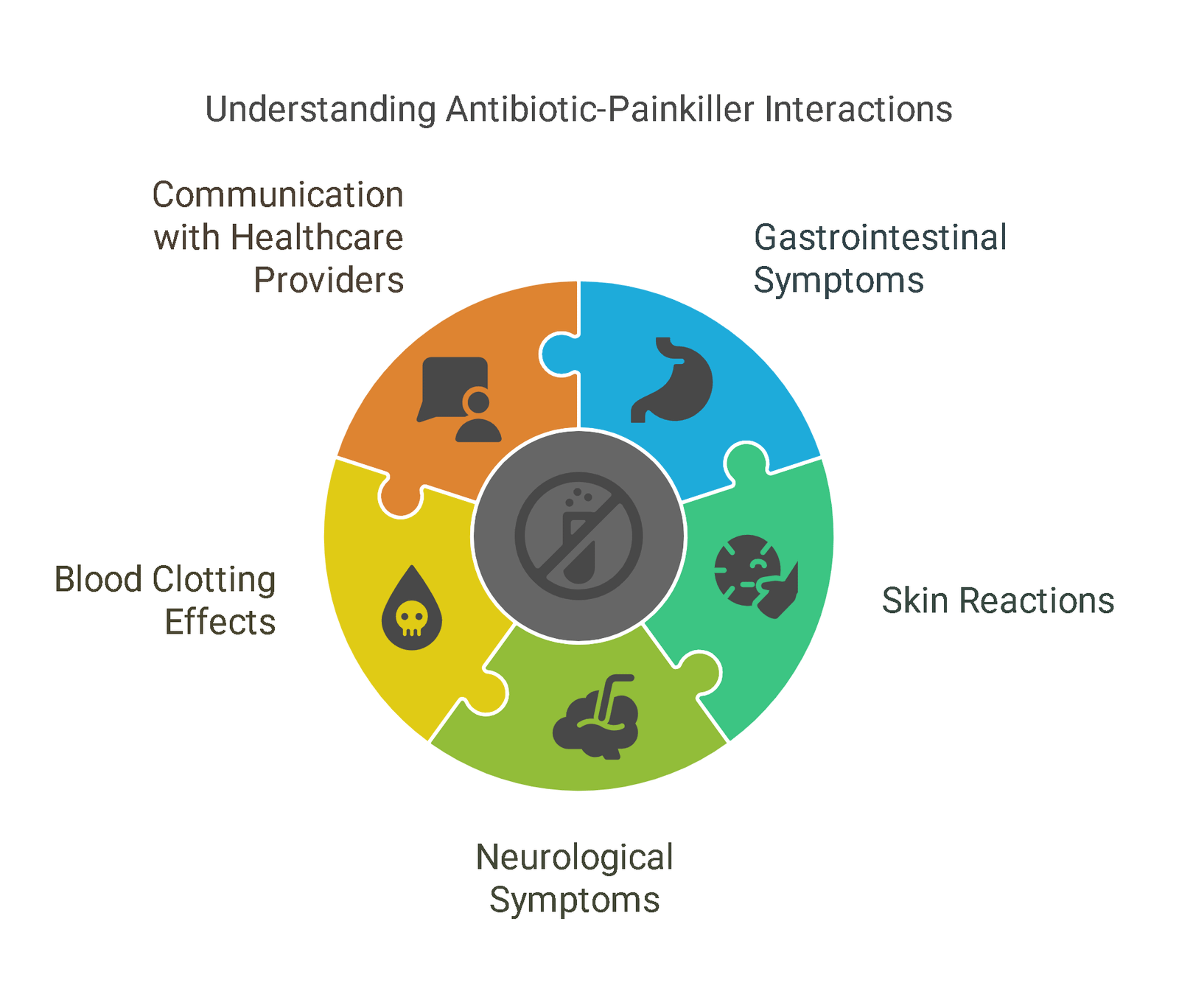
While most antibiotic-painkiller combinations are safe, patients should remain vigilant for signs that might indicate an adverse interaction or reaction. Unusual symptoms that develop after starting either medication warrant medical attention.


Gastrointestinal symptoms like severe stomach pain, persistent nausea, vomiting, or signs of bleeding such as dark, tarry stools may indicate complications from NSAIDs, potentially exacerbated by certain antibiotics. Additionally, skin reactions including rashes, itching, or hives might signal an allergic reaction to either medication rather than an interaction. More serious allergic reactions involving breathing difficulties, throat tightness, or facial swelling require immediate emergency attention.


Neurological symptoms are particularly important to monitor when taking fluoroquinolone antibiotics with NSAIDs. These might include confusion, hallucinations, seizures, or unusual agitation. Patients experiencing such symptoms should discontinue their medications and seek immediate medical attention. Similarly, unusual bleeding or bruising might indicate an interaction affecting blood clotting, particularly with certain antibiotic classes known to interact with blood thinners.

The question of whether painkillers can be taken alongside antibiotics has a nuanced answer that depends on specific medications, patient factors, and the context of treatment. For most patients, common painkillers like acetaminophen and ibuprofen can be safely taken with most antibiotics to manage symptoms while the antibiotic addresses the underlying bacterial infection. However, certain combinations require caution, particularly quinolone antibiotics with NSAIDs.


The key to safe medication management lies in communication with healthcare providers, awareness of potential interactions, and vigilance for unusual symptoms. Patients should never hesitate to consult their doctor or pharmacist about medication combinations, even when using over-the-counter painkillers. With proper guidance and monitoring, effective pain management can be achieved safely during antibiotic treatment, facilitating a more comfortable recovery from bacterial infections.


By understanding the distinct roles and interaction profiles of antibiotics and painkillers, patients can make informed decisions about symptom management during infection treatment, optimizing both comfort and safety throughout their recovery process.

Can I Take Painkillers with Antibiotics? Read More »