OTC

Are there any FDA-approved OTC Sex-enhancement Pills in USA

Recent developments in sexual health products have created confusion about which sex-enhancement pills or treatments are actually FDA-approved and available without a prescription in the United States. Many consumers searching for accessible solutions to sexual performance issues face a marketplace filled with products making bold claims. This comprehensive guide examines the current landscape of over-the-counter sexual enhancement options, separating FDA-approved treatments from potentially dangerous alternatives.


The Current State of OTC Sex-Enhancement Products

Despite the abundance of products marketed as “sex-enhancement pills” on store shelves and online retailers, the reality is that there are extremely limited FDA-approved over-the-counter options available. Most products claiming to enhance sexual performance that don’t require a prescription fall into the dietary supplement category, which does not undergo the same rigorous FDA approval process as medications.

Eroxon: The First FDA-Cleared OTC Treatment

In June 2023, the FDA cleared MED3000, marketed as Eroxon, as the first over-the-counter treatment for erectile dysfunction. However, it’s important to note that Eroxon is not a pill but a topical gel that is applied directly to the head of the penis.

Eroxon works through a physical mechanism rather than pharmacological action. When applied, it creates an initial cooling sensation followed by warming, which stimulates nerve endings and increases blood flow to facilitate an erection. Clinical trials found that 65% of men who used the product achieved an erection within 10 minutes, significantly faster than traditional prescription ED medications which typically take around 30 minutes to work.

The FDA considers Eroxon a medical device rather than a medication, and it received “FDA cleared” status, a designation typically used for medical devices that have been reviewed for safety and effectiveness.


The Truth About “Sex-Enhancement Pills” Sold as Supplements

Hidden Ingredients and FDA Warnings

Many products marketed as “all-natural” sex-enhancement pills actually contain undisclosed pharmaceutical ingredients. The FDA has issued hundreds of warnings about unregulated amounts of prescription medications found in these supplements.

For example, the FDA has warned consumers about numerous products including:

1. “Boost — Ultra Sexual Enhancement Formula” which laboratory analysis confirmed contains sildenafil, the active ingredient in Viagra.

2. “Rhino 7S Type F3 7000,” marketed for sexual enhancement, which contains sildenafil and acetaminophen, potentially creating serious health risks.

3. “Control Capsules,” another product promoted for sexual enhancement, which also contained undeclared sildenafil.

Health Risks of Unauthorized Sex-Enhancement Pills

These undeclared ingredients pose significant health risks. Sildenafil may interact with nitrates found in some prescription drugs such as nitroglycerin and may lower blood pressure to dangerous levels. This is particularly concerning for men with diabetes, high blood pressure, high cholesterol, or heart disease who often take nitrates.

The FDA considers this a growing trend of products marketed as dietary supplements with hidden drugs and chemicals. These products are typically promoted for sexual enhancement, weight loss, and body building, and are often represented as being “all natural” despite containing potent pharmaceutical ingredients.


Legitimate Options for Sexual Enhancement

Prescription Medications

FDA-approved prescription medications for erectile dysfunction remain the safest and most effective pharmaceutical options for treating sexual performance issues. These include:

  • Sildenafil (Viagra)
  • Tadalafil (Cialis)
  • Vardenafil (Levitra)
  • Avanafil (Stendra)

These medications require consultation with a healthcare provider to ensure they’re appropriate based on individual health conditions and medications.


Eroxon Gel: The OTC Alternative

For those seeking an over-the-counter option, Eroxon gel represents the only FDA-cleared choice available without a prescription. As a non-medicated product, Eroxon has minimal side effects and doesn’t have the same contraindications as oral ED medications. Side effects were minimal in clinical trials, with headaches and burning or irritation of the penis occurring in only 1% to 3% of men.

Eroxon is available for purchase online or at pharmacies without a prescription. It’s designed for men age 22 and older and comes in single-use tubes.


How to Identify Safe Sexual Enhancement Products

When considering any sex-enhancement product, consumers should:

[1] Look for FDA approval or clearance
[2] Consult with a healthcare provider before trying new products
[3] Be wary of products making extraordinary claims or marketed as “all natural”
[4] Check the FDA’s list of tainted sexual enhancement products
[5] Report adverse effects to the FDA’s MedWatch program

Despite the vast market of products claiming to be effective sex-enhancement pills, there are currently no FDA-approved over-the-counter pills for sexual enhancement in the United States. The only FDA-cleared over-the-counter option is Eroxon, which is a topical gel rather than a pill.

Many products marketed as sex-enhancement pills contain undisclosed prescription medications that could pose serious health risks. Consumers should exercise caution, consult healthcare providers, and consider FDA-approved prescription options or the recently cleared Eroxon gel instead of unregulated supplements.

For those experiencing erectile dysfunction or other sexual health concerns, speaking with a healthcare provider remains the safest first step toward finding effective, medically sound treatment options rather than turning to unregulated sex-enhancement pills that may contain hidden and potentially harmful ingredients.

Are there any FDA-approved OTC Sex-enhancement Pills in USA Read More »

What is OTC Drug?

Over-the-counter (OTC) medications represent a cornerstone of modern self-care, providing accessible treatment options for numerous common health conditions without requiring a healthcare provider’s prescription. In the United States alone, there are more than 80 classes of these readily available medications, ranging from pain relievers and cold remedies to digestive aids and allergy treatments. These products empower consumers to address minor health concerns independently while following proper usage guidelines outlined on standardized Drug Facts Labels. As the landscape of accessible healthcare continues to evolve, understanding what OTC drugs are, how they’re regulated, and how to use them safely becomes increasingly important for informed healthcare consumers.


Understanding Over-the-Counter Medications

Over-the-counter medications, commonly abbreviated as OTC drugs, are pharmaceutical products that can be purchased directly by consumers without requiring a prescription from a healthcare professional. This accessibility distinguishes them from prescription medications, which can only be obtained with a valid prescription from a licensed healthcare provider. OTC drugs are considered sufficiently safe and effective for public use when taken according to label directions, allowing consumers to self-diagnose and treat various common health conditions.
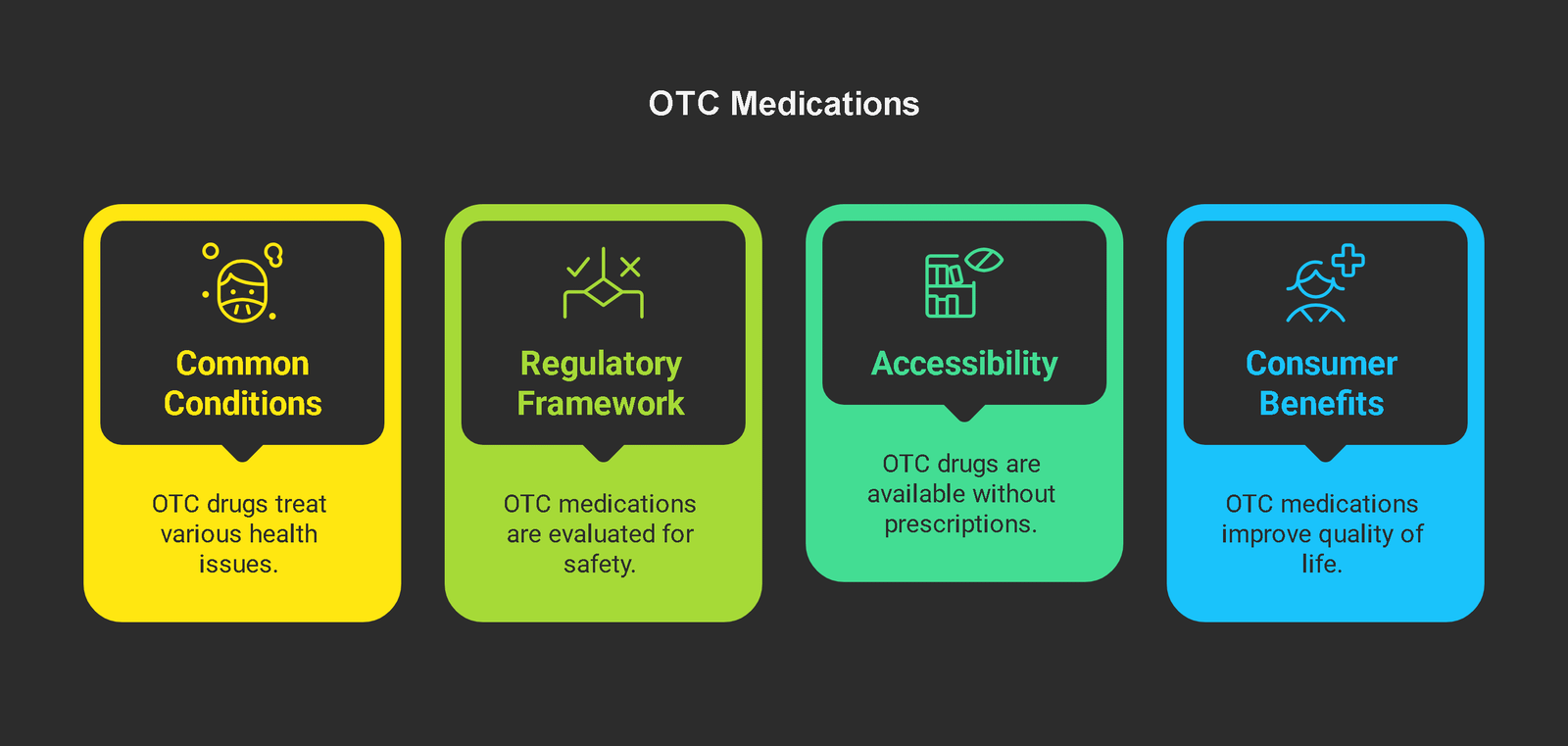
The regulatory framework for OTC medications varies by country, but typically involves careful evaluation by government agencies to ensure that these products contain ingredients that are safe and effective when used without direct physician oversight. In many jurisdictions, OTC drugs are regulated according to their active pharmaceutical ingredients (APIs) and the strengths of final products to minimize potential risks. This regulatory approach balances accessibility with safety, making these medications widely available while maintaining appropriate safeguards.


OTC medicines treat a diverse range of symptoms and conditions, including pain, coughs and colds, diarrhea, heartburn, constipation, acne, fungal infections, and weight management. Their widespread availability in pharmacies, grocery stores, convenience stores, and online retailers ensures that consumers can readily access treatments for common ailments without scheduling medical appointments, potentially reducing healthcare costs and improving quality of life for many individuals.


Types and Classifications of OTC Drugs

The extensive array of OTC medications available today spans numerous therapeutic categories addressing various health needs. Pain relievers represent one of the most commonly used categories, with options including acetaminophen (Tylenol), which reduces pain and fever, and nonsteroidal anti-inflammatory drugs (NSAIDs) such as ibuprofen (Advil, Motrin IB) and naproxen, which reduce inflammation alongside pain relief. These medications serve as frontline treatments for headaches, muscle aches, arthritis pain, and fever management.


Gastrointestinal remedies constitute another significant category, encompassing treatments for multiple digestive concerns. For heartburn and acid reflux, consumers can choose from proton-pump inhibitors like esomeprazole (Nexium 24HR) and H2 blockers such as famotidine (Pepcid AC). Digestive issues like constipation can be addressed with laxatives including bisacodyl and docusate calcium, while antidiarrheal medications like loperamide (Imodium) and bismuth subsalicylate (Pepto-Bismol) help manage diarrhea and associated symptoms. These remedies allow individuals to address uncomfortable digestive symptoms promptly without medical intervention.
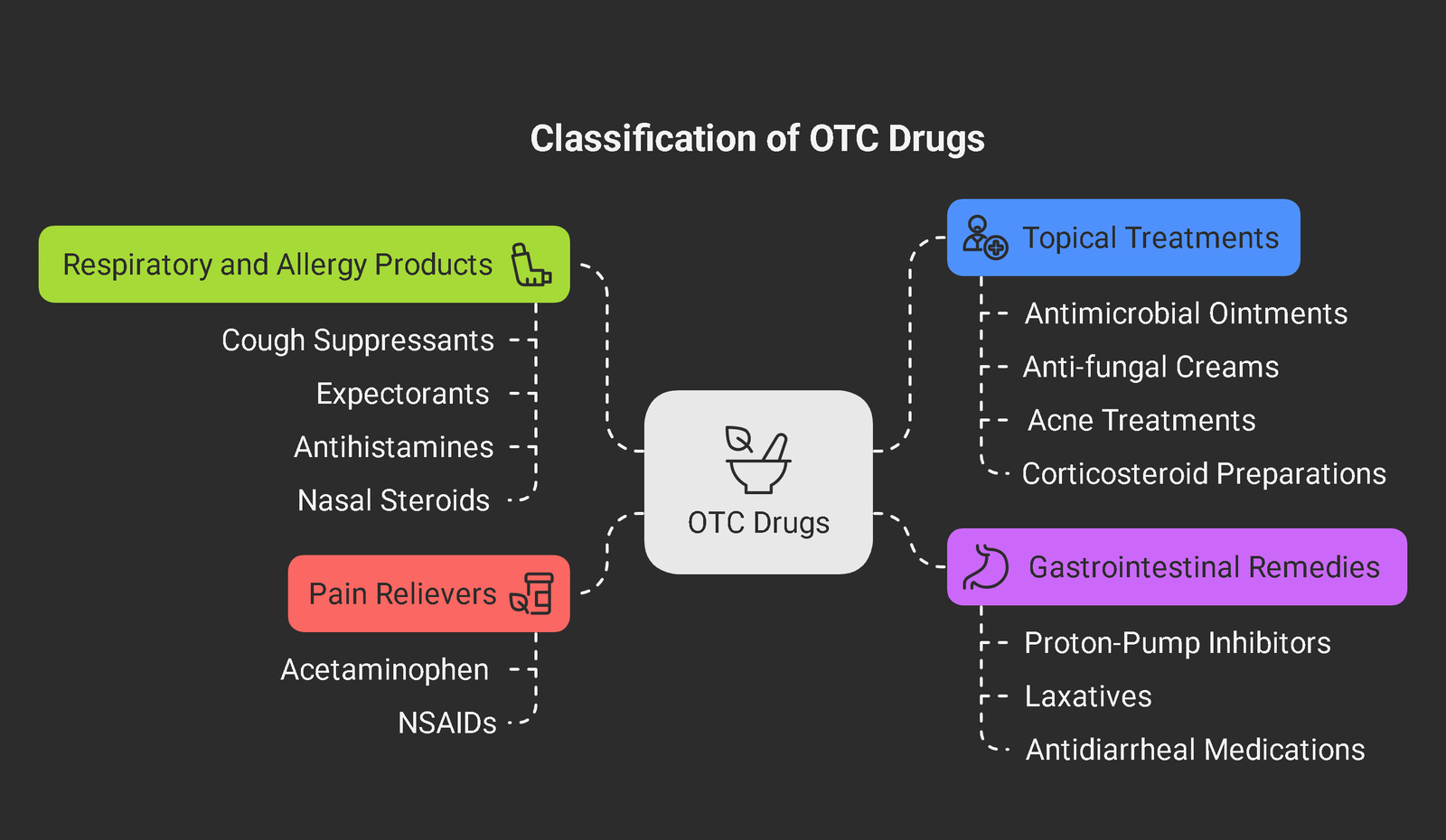
Respiratory and allergy products form a crucial category, particularly during seasonal changes and cold/flu seasons. Cough suppressants containing dextromethorphan (found in many Robitussin products) help manage persistent coughs, while expectorants like guaifenesin thin mucus to make coughs more productive. For allergy symptoms, second-generation antihistamines such as loratadine (Claritin) and fexofenadine (Allegra) provide non-drowsy relief, while nasal steroids like fluticasone and triamcinolone reduce nasal inflammation. Cold remedies often combine multiple ingredients to address symptoms like congestion, for which pseudoephedrine serves as a common decongestant.


Topical treatments represent yet another significant category of OTC medications, including antimicrobial ointments, anti-fungal creams, acne treatments, and mild corticosteroid preparations for skin inflammation. Products containing hydrocortisone provide relief for minor skin irritations, while specialized formulations address specific conditions like athlete’s foot, ringworm, or acne. These topical preparations allow for targeted treatment of localized conditions without systemic effects.


Common OTC Medications and Their Uses

Based on global usage patterns, certain OTC medications stand out as particularly prevalent across diverse populations. Acetaminophen ranks among the most commonly used OTC drugs worldwide, providing relief from pain and fever without the anti-inflammatory effects of NSAIDs. Its wide safety margin (when used as directed) and compatibility with many other medications make it a frequently recommended first-line treatment for pain relief, particularly for individuals who cannot take NSAIDs due to stomach sensitivities or other contraindications.


Ibuprofen represents another extremely common OTC medication, providing pain relief alongside anti-inflammatory benefits that make it particularly effective for conditions involving inflammation, such as muscle injuries or menstrual cramps. Its relatively fast onset of action and extended duration compared to some alternatives contribute to its popularity, though users must be aware of potential gastrointestinal effects with prolonged use.
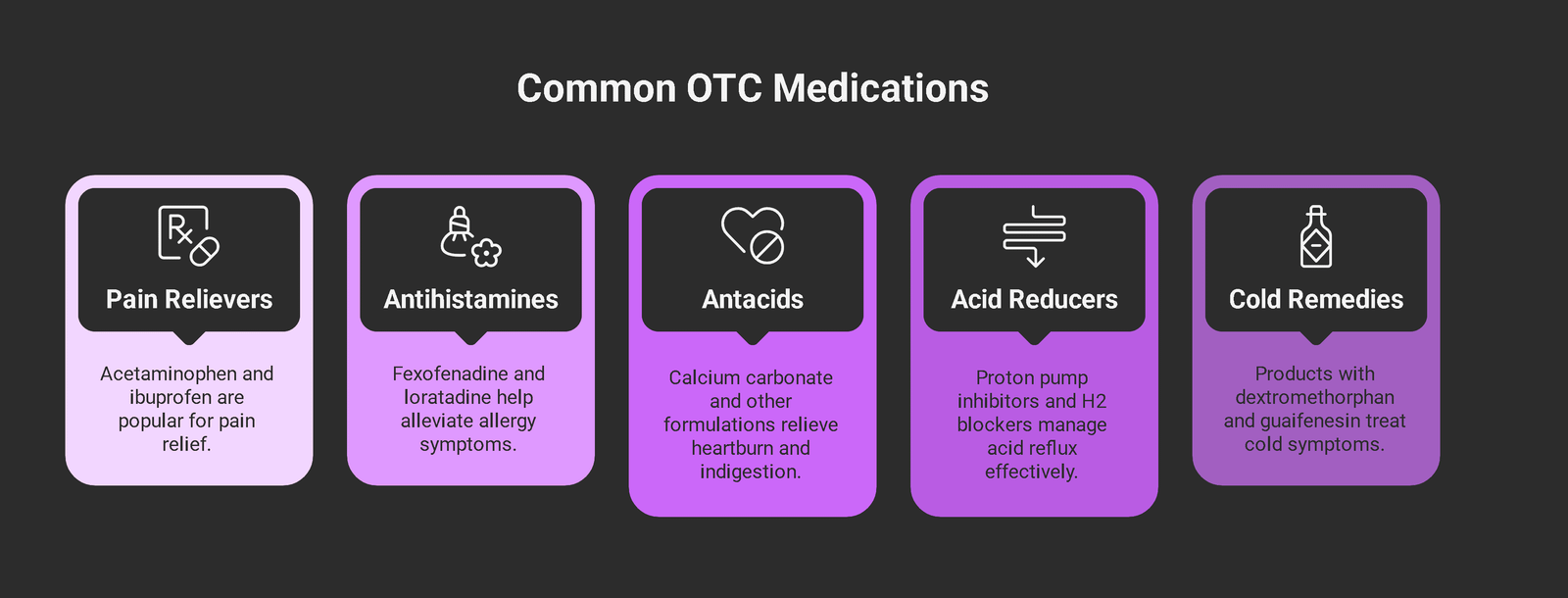
Antihistamines like fexofenadine and loratadine have become household staples for many families dealing with seasonal allergies or environmental sensitivities. These medications block histamine receptors, reducing symptoms like sneezing, itching, and watery eyes without causing the significant drowsiness associated with older antihistamine formulations. Their once-daily dosing regimens enhance convenience for regular users.


Antacids containing calcium carbonate (Tums) or combinations of aluminum, magnesium, and calcium (various formulations) provide quick relief from occasional heartburn and indigestion by neutralizing stomach acid. For more persistent acid reflux issues, proton pump inhibitors like omeprazole (Prilosec OTC) and H2 blockers such as famotidine (Pepcid AC) offer longer-lasting acid reduction through different mechanisms. These medications have transformed the management of acid-related digestive complaints, reducing the need for prescription interventions in many cases.


Cold and cough remedies containing ingredients like dextromethorphan for cough suppression, guaifenesin for mucus thinning, and pseudoephedrine for congestion relief address the constellation of symptoms accompanying upper respiratory infections. These products often combine multiple active ingredients to target different symptoms simultaneously, though this approach necessitates careful reading of labels to avoid unintended ingredient duplication when taking multiple products.


Reading and Understanding OTC Drug Labels

The standardized Drug Facts Label represents one of the most important safety features of OTC medications, providing consistent, clearly formatted information to guide appropriate use. Understanding these labels empowers consumers to make informed decisions about self-care and avoid potential medication errors. The FDA has implemented standardized formatting requirements to ensure this critical information remains accessible across different products.


The Drug Facts Label includes several essential components that consumers should review before using any OTC medication. The active ingredient section identifies the therapeutic substances in the product and their amounts per unit, allowing consumers to understand what they’re taking and compare across products. The uses section outlines the specific symptoms or conditions the product is designed to treat, helping consumers select appropriate medications for their needs. Warnings highlight important safety information, including circumstances when the product should not be used, potential side effects, drug interactions, and when to consult a healthcare provider.


Directions for proper use constitute another critical section, specifying appropriate dosages for different age groups, the frequency of administration, and maximum daily amounts. These guidelines help prevent accidental overdose and ensure optimal therapeutic benefit. The other information section may include storage recommendations to maintain product stability and effectiveness over time. Additionally, labels include the expiration date, after which the product should not be used, as well as lot or batch codes that facilitate product identification if safety concerns arise.

The inactive ingredients list, while often overlooked, provides important information for individuals with allergies or sensitivities to common formulation components like dyes, preservatives, or fillers. Manufacturer information appears on all OTC products, offering contact details for questions or concerns about the medication. This comprehensive labeling system ensures consumers have access to essential information for safe self-medication.


Safety Considerations with OTC Medications

Despite their accessibility and generally favorable safety profiles, OTC medications still require proper precautions to ensure safe use. Understanding potential risks and following recommended guidelines helps maximize benefits while minimizing adverse effects. One fundamental safety consideration involves adhering strictly to recommended dosages and administration frequencies. Exceeding recommended amounts does not accelerate or enhance therapeutic effects but significantly increases risk of side effects and toxicity.


Special populations require particular attention when using OTC medications. Pregnant or breastfeeding women should consult healthcare providers before using any medication, as certain OTC ingredients may affect fetal development or pass into breast milk. Older adults may experience altered drug metabolism and increased sensitivity to certain medications, necessitating potential dosage adjustments or avoidance of specific products. Children require age-appropriate formulations and precise dosing based on weight or age as specified on product labeling, using proper measuring devices rather than household spoons for liquid medications.
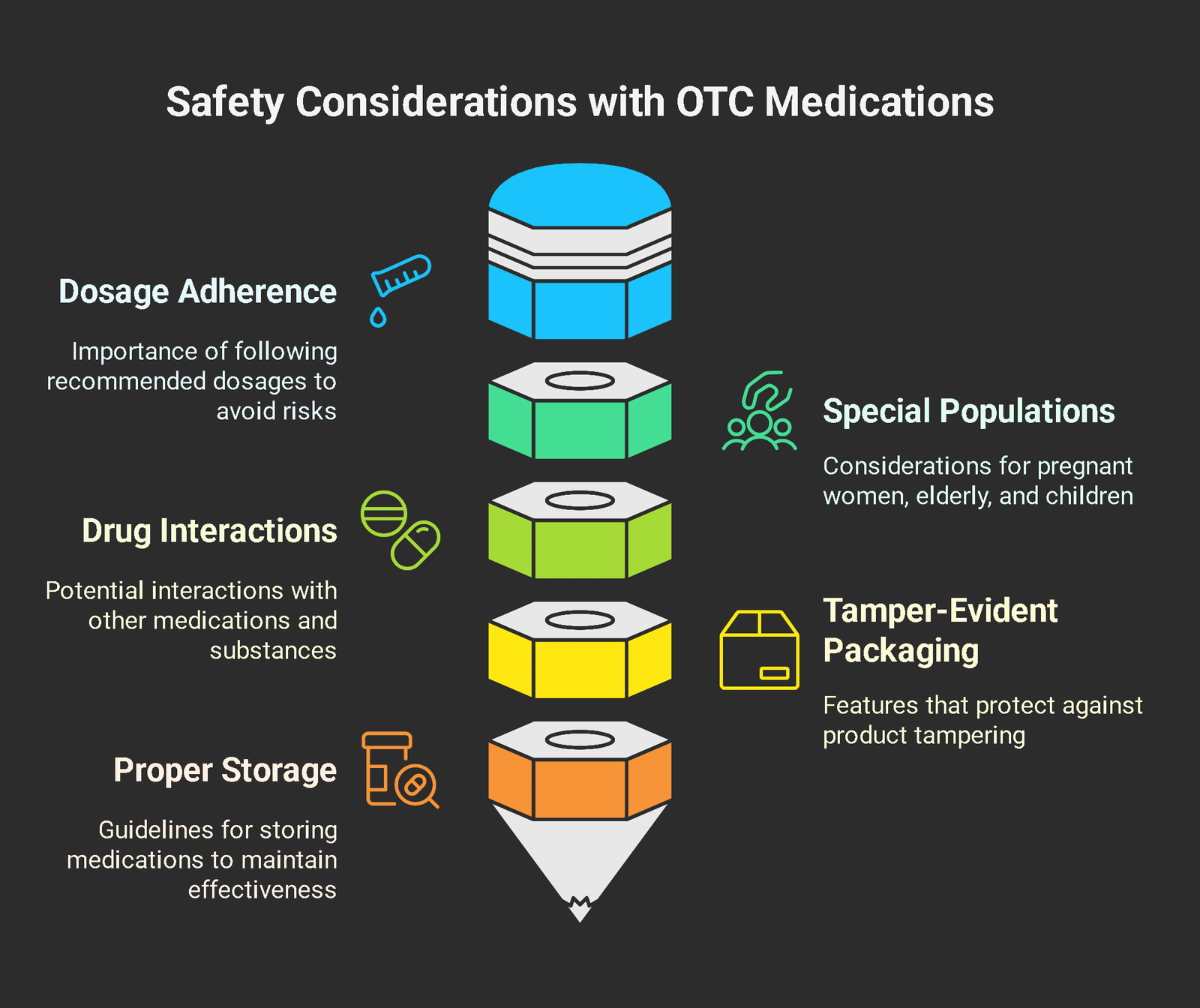
Drug interactions represent another important safety consideration, as OTC medications can interact with prescription drugs, other OTC products, dietary supplements, and even certain foods. For example, NSAIDs may interact with blood pressure medications or anticoagulants, potentially compromising their effectiveness or increasing bleeding risk. Consumers taking multiple medications should review all active ingredients to avoid unintentional duplication, particularly when using combination products for cold or allergy symptoms.


Tamper-evident packaging provides an essential safety feature for OTC medications, helping protect consumers against potential tampering. These security measures include sealed bottles, protective packaging, and indicators that show if a product has been opened previously. Consumers should always inspect packaging before purchase and before using the product, avoiding any items with compromised packaging integrity. Additionally, proper storage according to label instructions—away from heat, moisture, and direct light—helps maintain product stability and effectiveness throughout its shelf life.


Recent Developments in OTC Medications

The landscape of OTC medications continues to evolve, with recent additions expanding consumer access to important treatments. One significant development involves emergency medications moving to OTC status to address critical public health needs. Narcan (naloxone), an opioid overdose reversal nasal spray, became available over-the-counter in 2023, representing a crucial step in addressing the opioid crisis by making this life-saving medication more accessible to the public. This transition allows family members, friends, and bystanders to respond quickly to potential overdoses without waiting for emergency services.


In reproductive health, the FDA approved Opill as the first over-the-counter oral contraceptive in the United States, with availability expected in 2024. This historic development significantly expands contraception access, removing prescription barriers that may delay or prevent individuals from obtaining effective birth control options. Similarly, emergency contraception like Plan B One-Step has become available without age restrictions, improving reproductive healthcare access for adolescents and adults alike.


Allergy treatment has also seen important advances, with prescription-strength nasal steroids like Nasonex 24HR Allergy (mometasone furoate) transitioning to OTC status in 2022. These medications provide effective relief for seasonal allergies with once-daily dosing, expanding the array of self-care options for allergy sufferers. Such transitions reflect growing recognition of consumer ability to self-manage certain health conditions when provided with appropriate information and clearly labeled products.


Digital integration represents another emerging trend in the OTC medication space, with manufacturers developing smartphone applications to provide dosing reminders, track symptom improvements, offer medication guides, and facilitate direct communication with healthcare professionals when needed. These technological enhancements aim to improve proper medication use and outcomes while maintaining the convenience of self-care.


Rx-to-OTC Switches: Expanding Access to Medications

The process known as “Rx-to-OTC switch” represents a significant pathway through which prescription medications become available over-the-counter, expanding consumer access to effective treatments. This regulated transition occurs when sufficient evidence demonstrates that a medication can be used safely and effectively by consumers without direct healthcare provider supervision, provided appropriate labeling guides proper use. These switches typically occur after a medication has established a favorable safety profile through years of prescription use.


Heartburn medications exemplify successful Rx-to-OTC transitions, with both proton pump inhibitors like esomeprazole (Nexium 24HR) and H2 blockers like famotidine (Pepcid AC) now available without prescription. These medications, which once required physician oversight, now enable consumers to manage acid-related conditions independently, typically at lower doses than their prescription counterparts. Similarly, nasal corticosteroids for allergy symptoms, including fluticasone (Flonase) and triamcinolone (Nasacort), have successfully transitioned to OTC status, providing more effective allergy relief options without requiring doctor visits.


The switch process involves rigorous evaluation by regulatory agencies to ensure that the medication meets several key criteria. The condition being treated must be suitable for self-diagnosis and self-monitoring, with symptoms recognizable to the average consumer. The medication itself must demonstrate a wide safety margin with minimal potential for misuse or abuse, and the benefits of increased accessibility must outweigh potential risks. Clear, comprehensive labeling must effectively communicate proper usage, warnings, and circumstances requiring professional consultation.


From a public health perspective, Rx-to-OTC switches offer several benefits, including increased medication access, reduced healthcare costs from fewer doctor visits, and consumer empowerment in managing their own health. However, these switches also transfer greater responsibility to consumers for appropriate self-diagnosis and treatment selection, underscoring the importance of clear communication through product labeling and consumer education.


Potential Risks and Abuse of OTC Medications

While OTC medications provide valuable treatment options with generally favorable safety profiles, certain products contain ingredients with potential for misuse or abuse when taken at doses exceeding recommendations. Understanding these risks helps promote responsible use and appropriate safeguards. Pseudoephedrine, a decongestant found in many cold and allergy products, represents one such ingredient. When used as directed, it effectively relieves nasal congestion, but in excessive amounts or when extracted for illicit purposes, it can cause serious adverse effects including dilated pupils, hallucinations, dangerous blood pressure elevation, heart rhythm disturbances, and even seizures. Due to its potential use in methamphetamine production, many jurisdictions have implemented purchase restrictions requiring identification and limiting quantity.


Dextromethorphan, a common cough suppressant, presents another area of concern regarding potential misuse. At recommended doses, it safely suppresses cough reflexes, but excessive consumption can produce dissociative effects similar to certain controlled substances. Signs of dextromethorphan abuse include energy fluctuations, hyperexcitability, poor coordination, stomach discomfort, blood pressure changes, vision abnormalities, speech impairment, and excessive sweating. Some states have implemented age restrictions for purchasing products containing dextromethorphan to reduce access among vulnerable populations.
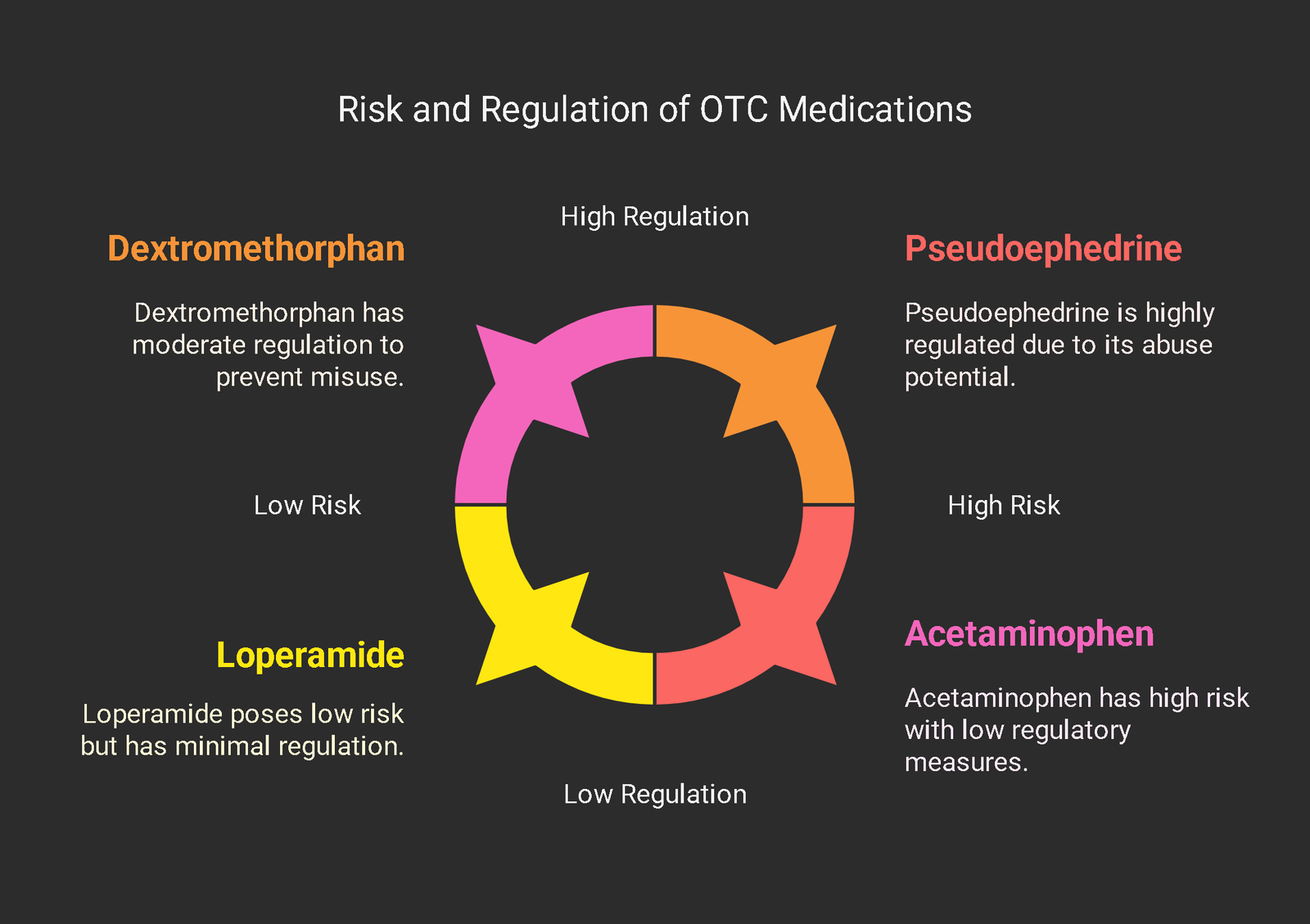
Loperamide, an effective antidiarrheal medication at recommended doses, has emerged as a substance of concern due to its opioid-like effects at extremely high doses. Some individuals have misused this medication in attempts to self-treat opioid withdrawal symptoms or achieve euphoric effects, potentially causing dangerous cardiac complications. In response, some retailers have implemented purchase limits and packaging changes to discourage misuse while maintaining availability for legitimate therapeutic needs.


Even common pain relievers carry risks when used inappropriately. Acetaminophen, while exceptionally safe at recommended doses, can cause serious liver damage with excessive use or when combined with alcohol. NSAIDs like ibuprofen and naproxen may cause gastrointestinal bleeding, kidney problems, and cardiovascular risks with prolonged high-dose use. These risks underscore the importance of following dosage instructions carefully and recognizing that “over-the-counter” does not mean “without risk.”


The Role of OTC Medications in Modern Healthcare

Over-the-counter medications occupy a pivotal position in contemporary healthcare systems, bridging the gap between professional medical care and individual self-management of common health conditions. These accessible medications empower consumers to address minor ailments promptly without overwhelming healthcare resources, allowing medical professionals to focus on more complex or serious conditions requiring specialized attention. This self-care component has become increasingly important as healthcare systems worldwide face resource constraints and growing demands from aging populations and chronic disease management.


The economic impact of OTC medications extends beyond individual convenience to broader healthcare system efficiency. By enabling self-treatment of common conditions, these medications reduce unnecessary office visits, emergency department utilization, and associated costs. For individuals without insurance coverage or with high deductibles, OTC options often represent more affordable alternatives to prescription treatments, improving healthcare equity and access. Additionally, lost productivity due to time away from work for medical appointments decreases when employees can self-manage minor symptoms effectively.


Healthcare professionals increasingly recognize the complementary role of OTC medications within comprehensive treatment plans. Pharmacists, positioned at the interface between prescription and non-prescription medications, provide valuable guidance to consumers navigating OTC options, helping identify appropriate products, potential interactions, and circumstances requiring physician consultation. This advisory role enhances medication safety while supporting consumer autonomy in health management decisions.


As healthcare continues evolving toward more patient-centered approaches, OTC medications exemplify the balance between accessibility and safety, consumer autonomy and appropriate safeguards. Proper education about reading labels, understanding active ingredients, recognizing warning signs that necessitate professional care, and using medications as directed remains essential to maximizing the benefits of these widely available treatment options. With continued regulatory oversight, thoughtful Rx-to-OTC switches, and consumer education initiatives, over-the-counter medications will likely continue expanding their contributions to public health and individual wellness in coming years.


What is OTC Drug? Read More »

What are the strongest OTC pain relievers?

When pain strikes, millions of Americans reach for over-the-counter (OTC) medications for relief. Whether you’re dealing with a throbbing headache, sore muscles, or joint inflammation, understanding which pain relievers pack the most punch can help you manage discomfort more effectively. This comprehensive guide examines the strongest OTC pain relievers available today, comparing their effectiveness, appropriate uses, and potential side effects to help you make informed decisions about pain management.


Understanding OTC Pain Medication Categories

Pain relievers available without prescription generally fall into two main categories: nonsteroidal anti-inflammatory drugs (NSAIDs) and acetaminophen. These medications work through different mechanisms in the body, making them suitable for various types of pain and health conditions. NSAIDs include familiar names like ibuprofen (Advil, Motrin), naproxen sodium (Aleve), and aspirin (Bayer, Bufferin). These medications block chemicals called prostaglandins that cause inflammation and pain from headaches, menstrual cramps, arthritis, and muscle strains. Acetaminophen (Tylenol), on the other hand, works differently by affecting pain signals in the central nervous system without providing significant anti-inflammatory benefits. Understanding these fundamental differences is crucial for selecting the most appropriate medication for your specific pain needs.


The effectiveness of pain relievers varies significantly depending on the nature of your discomfort. While many people tend to stick with familiar brands, the underlying active ingredients and their mechanisms determine which medication might provide the strongest relief for your particular condition. For inflammation-related pain such as arthritis, muscle strains, or menstrual cramps, NSAIDs generally offer more potent relief due to their anti-inflammatory properties. Conversely, for general pain without significant inflammation, acetaminophen might provide sufficient relief with potentially fewer side effects, especially for those with certain health conditions that make NSAIDs riskier to use.


NSAIDs: The Strongest Anti-Inflammatory Options

Among OTC pain relievers, NSAIDs are widely recognized as the most potent options for addressing both pain and inflammation. These medications function by reducing the body’s production of prostaglandins, which are lipids with hormone-like properties that play a key role in inflammation and pain perception. This dual action makes NSAIDs particularly effective for conditions where inflammation contributes significantly to discomfort, such as arthritis, tendonitis, and sports injuries. Many healthcare professionals consider NSAIDs to be the best pain relief medications available without prescription, especially for pain involving inflammation and swelling.


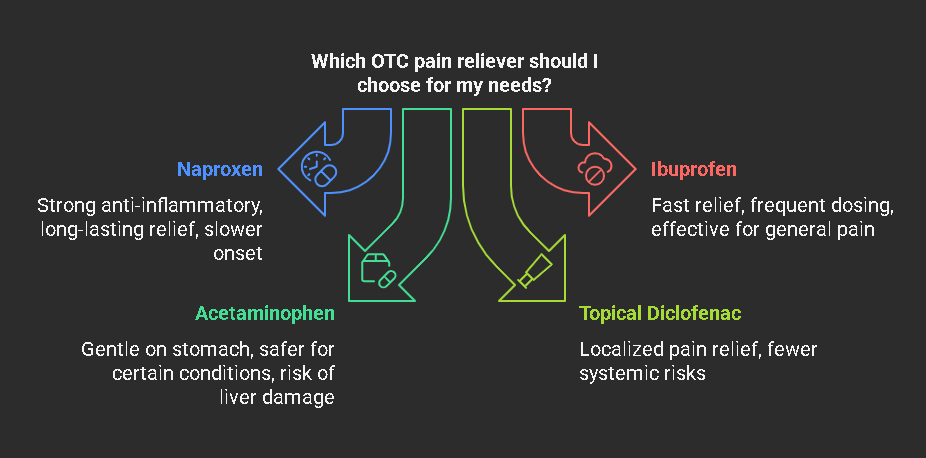
Naproxen sodium (Aleve) is considered by many experts to be the strongest anti-inflammatory medication available over the counter. Its extended duration of action represents a significant advantage, allowing for less frequent dosing compared to other NSAIDs. While ibuprofen typically requires dosing every 4-6 hours, naproxen sodium provides relief for 8-12 hours, making it particularly convenient for managing persistent or chronic pain conditions. This extended relief can improve treatment adherence and provide more consistent pain management throughout the day and night. However, naproxen’s longer-lasting effect comes with a trade-off – it may take longer to reach maximum pain relief (up to 4 hours) compared to faster-acting options like ibuprofen, which typically begins working within 30 minutes and reaches peak effectiveness in 1-2 hours.


Comparing Potency: Naproxen vs. Ibuprofen

When evaluating the strongest OTC pain relievers, naproxen and ibuprofen frequently emerge as top contenders. While both effectively target pain and inflammation, they differ in several important ways that may influence which is most appropriate for specific situations. Naproxen’s longer duration of action represents its primary advantage over ibuprofen. A single dose of naproxen can provide relief for 8-12 hours, making it particularly useful for overnight pain management or for those who cannot take medication frequently throughout the day. This extended relief comes from naproxen’s slower metabolism in the body, allowing it to remain active longer than faster-clearing alternatives.


Ibuprofen, while requiring more frequent dosing, offers the advantage of faster onset of action. It begins working within 30 minutes of ingestion, with maximum pain relief typically achieved within 1-2 hours. This makes ibuprofen potentially more suitable for acute pain situations where rapid relief is desired. The maximum daily OTC ibuprofen dose is typically 1,200 mg, while naproxen is limited to 660 mg per day unless otherwise directed by a healthcare professional. These dosing differences reflect the relative potency of these medications, with naproxen generally considered stronger on a milligram-per-milligram basis. Both medications share similar side effect profiles typical of NSAIDs, including potential for stomach upset, heartburn, dizziness, and more serious risks like kidney damage and cardiovascular effects with long-term use.


Acetaminophen: A Different Approach to Pain Relief

Acetaminophen (Tylenol) represents an alternative approach to pain management that works differently from NSAIDs. While not considered an anti-inflammatory medication, acetaminophen effectively reduces pain and fever by influencing pain signals within the central nervous system. This different mechanism of action makes acetaminophen considerably gentler on the stomach compared to NSAIDs, positioning it as a valuable option for individuals who cannot tolerate the gastrointestinal effects of anti-inflammatory medications. Additionally, acetaminophen presents fewer risks for those with certain health conditions that might be exacerbated by NSAIDs, such as heart disease or kidney problems.


The trade-off for acetaminophen’s gentler profile is its limited effectiveness against inflammation. For conditions where swelling and inflammation are significant contributors to pain – such as arthritis, sprains, or other inflammatory conditions – acetaminophen typically provides less relief than NSAIDs. However, for general pain relief and fever reduction, acetaminophen remains highly effective and is considered one of the safest OTC pain relievers available when used as directed. This makes it particularly valuable for older adults (over 65), who are generally advised against daily NSAID use due to increased risks of side effects. The relative safety profile of acetaminophen, when taken correctly, has positioned it as a first-line recommendation for many healthcare providers, especially for ongoing pain management needs where the anti-inflammatory benefits of NSAIDs are not essential.


Specialized OTC Pain Relief Options

Beyond the standard oral NSAIDs and acetaminophen, several specialized OTC pain relievers offer targeted approaches for specific conditions. Diclofenac gel (Voltaren Arthritis Pain), available over the counter since 2020, provides localized relief when applied directly to painful joints. This topical NSAID delivers medication directly to the site of discomfort while minimizing systemic absorption, resulting in fewer body-wide side effects compared to oral NSAIDs1. The targeted nature of diclofenac gel makes it particularly valuable for arthritis pain in specific joints, allowing for effective relief with reduced risk of gastrointestinal, kidney, or cardiovascular side effects that can occur with oral anti-inflammatory medications.


Combination products like Alka-Seltzer represent another specialized approach to pain relief. These products contain aspirin (an NSAID) along with antacid ingredients like sodium bicarbonate and citric acid. This formulation addresses pain while simultaneously neutralizing stomach acid, potentially making it more tolerable for those who experience digestive discomfort with traditional NSAIDs. However, it’s important to note that these combination products come with their own considerations – the sodium content from sodium bicarbonate may be problematic for individuals with heart failure or kidney problems, and the aspirin component carries blood-thinning effects that may increase bleeding risk. Other specialized options include various topical products containing ingredients like lidocaine, capsaicin, menthol, or methyl salicylate, which can provide localized relief for muscle and joint pain through different mechanisms including numbing, warming, or cooling sensations.


Safety Considerations and Potential Risks

Despite their availability without prescription, OTC pain relievers can be potent medications with significant side effects when misused or taken by individuals with certain health conditions. NSAIDs carry risks of gastrointestinal problems including stomach upset, heartburn, and potentially more serious issues like bleeding or ulcers with prolonged use1. More concerning are the potential risks of kidney damage, cardiovascular problems including heart attack and stroke, and interactions with blood thinners and other medications. These risks increase with higher doses and longer duration of use, particularly in older adults, those with existing kidney or heart conditions, and individuals taking multiple medications.


Acetaminophen, while generally safer for the stomach, carries its own significant risk: liver damage when taken in excessive amounts or combined with alcohol. The narrow margin between therapeutic and toxic doses makes acetaminophen overdose a leading cause of acute liver failure. Even at recommended doses, acetaminophen can cause liver problems in individuals who regularly consume alcohol or have existing liver disease. Understanding these risks underscores the importance of using OTC pain relievers exactly as directed and consulting with healthcare providers before beginning regular use, particularly for individuals with pre-existing health conditions. As Dr. Christopher Gilligan, a pain medicine physician with Harvard-affiliated Brigham and Women’s Hospital notes, “OTC pain relievers can be fairly potent medicine and help reduce most inflammation and pain, but people may not think of them as real medicine and so don’t always use them as directed. This can lead to serious problems”.


Choosing the Right Pain Reliever for Your Needs

Selecting the most appropriate OTC pain reliever depends on several factors including the type and source of pain, your individual health profile, and personal considerations like medication tolerance and lifestyle factors. For pain accompanied by significant inflammation, such as arthritis, tendonitis, or injuries involving swelling, NSAIDs like naproxen or ibuprofen typically provide stronger relief due to their anti-inflammatory properties. Naproxen may be particularly beneficial for persistent pain requiring less frequent dosing, while ibuprofen might be preferred for acute pain where faster onset is desired. However, individuals with kidney disease, heart conditions, or those taking blood thinners should exercise caution with NSAIDs and consult healthcare providers before use.


For those who need to avoid NSAIDs due to health concerns or medication interactions, acetaminophen offers an effective alternative for many types of pain, particularly when inflammation is not a primary factor. Its gentler profile on the stomach and kidneys makes it suitable for older adults and individuals with certain chronic conditions that might be exacerbated by NSAIDs. The choice between different pain relievers should also consider practical factors like timing and duration – for overnight pain relief, longer-acting naproxen might be more appropriate, while daytime pain that requires quick relief might be better addressed with faster-acting ibuprofen. For localized joint or muscle pain, topical options like diclofenac gel may provide targeted relief with reduced risk of systemic side effects. Ultimately, consulting with healthcare providers about your specific situation can help ensure you select the strongest and safest pain reliever for your individual needs.


Emerging Research and Alternative Approaches

Recent research has challenged conventional wisdom about pain management, suggesting that OTC pain relievers may be more effective than previously thought compared to prescription options. Some studies have found that combinations of OTC medications, such as acetaminophen and ibuprofen taken together, can provide pain relief comparable to or even better than opioids for certain conditions. One study found that taking acetaminophen and ibuprofen together provided greater pain relief than opioids after tooth extraction, while other research demonstrated that OTC pain relievers were as effective as opioids for treating sciatica pain. These findings are particularly significant given the ongoing opioid crisis and growing concerns about prescription pain medication dependence.


Beyond medication-based approaches, comprehensive pain management increasingly incorporates complementary strategies that may enhance the effectiveness of OTC pain relievers while potentially reducing the need for higher doses. These include physical therapy, targeted exercise programs, heat and cold therapy, massage, and mind-body practices like meditation and relaxation techniques. For individuals with chronic pain conditions, a multimodal approach often provides better outcomes than reliance on medication alone. Additionally, addressing underlying factors that contribute to pain – such as poor ergonomics, repetitive strain, or inadequate sleep – can significantly impact pain levels and potentially reduce dependence on pain relievers. When used as part of a holistic approach to pain management and with appropriate medical guidance, OTC pain relievers can effectively address discomfort while minimizing risks associated with stronger prescription alternatives.


When it comes to identifying the strongest OTC pain relievers, naproxen (Aleve) is generally considered the most potent anti-inflammatory option available without prescription. Its longer duration of action and strong anti-inflammatory properties make it particularly valuable for persistent pain with inflammatory components. However, the “strongest” pain reliever ultimately depends on individual factors including the nature of your pain, your health profile, and specific needs regarding onset and duration of relief. Ibuprofen offers faster action, acetaminophen provides gentler effects for those with certain health conditions, and specialized products like diclofenac gel deliver targeted relief for specific applications.

Despite their availability without prescription, these medications carry significant risks when misused or taken by individuals with certain health conditions. Using OTC pain relievers safely requires understanding their appropriate uses, adhering to recommended dosages, and recognizing when to consult healthcare providers about pain that persists or worsens. For many types of pain, OTC options provide effective relief without the risks associated with stronger prescription medications. As research continues to evolve, the role of these accessible pain management tools remains crucial in helping individuals address discomfort safely while maintaining quality of life and daily function. Before starting any pain management regimen, even with OTC medications, consulting with healthcare providers can help ensure you select the most appropriate and effective options for your specific situation.

What are the strongest OTC pain relievers? Read More »