health

Why Are Generic Drugs Cheaper Than Brand-Name Drugs?

 Brand-Name Drugs, Generic drugs typically cost 80-85% less than their brand-name equivalents while delivering the same therapeutic benefits. This significant price difference has made generic medications a cornerstone of affordable healthcare, accounting for approximately 80% of all prescriptions filled in the United States. Understanding why these cost disparities exist can help consumers make more informed decisions about their medications and potentially save thousands of dollars annually on their healthcare expenses.


Understanding Generic and Brand-Name Drugs

 Brand-Name Drugs, Generic drugs are medications that contain the same active ingredients as their brand-name counterparts and work in exactly the same way in the human body. According to the Food and Drug Administration (FDA), generic drugs must be “pharmaceutically equivalent” to brand-name versions, meaning they must have the same dosage, safety, strength, route of administration, quality, performance, and intended use. This equivalence ensures that generic drugs provide the same clinical benefits as their brand-name counterparts.


Before a generic medication reaches the market, it undergoes rigorous FDA approval through an “abbreviated new drug application” (ANDA). This process ensures the generic version meets strict standards for quality, safety, and efficacy. However, generic drugs only become available after the patent protection on the original brand-name drug expires, which typically occurs after 20 years from the date of filing.

When you look at a pharmacy shelf, you might notice that generic drugs often look different from their brand-name equivalents. While the active ingredients remain the same, manufacturers may use different inactive ingredients such as fillers, colors, or flavoring agents. These differences in formulation don’t affect the medication’s therapeutic properties but do impact the physical appearance of the drug.


The Economics Behind Generic Drug Pricing

Research and Development Cost Differences

Perhaps the most significant factor contributing to the lower cost of generic drugs is the absence of extensive research and development expenses. Brand-name drug manufacturers invest billions in discovering, developing, and testing new compounds—a process that often takes more than a decade. These companies conduct expensive animal studies, clinical trials, and safety assessments to prove their medications are safe and effective before receiving FDA approval.


Generic drug manufacturers, on the other hand, benefit from this groundwork already being completed. They don’t need to repeat the extensive clinical trials; they only need to demonstrate that their version contains the same active ingredient and works the same way in the body. This dramatic reduction in upfront investment costs allows generic manufacturers to price their products much lower while still maintaining profitability.


“Generic medications typically cost about 80% to 85% less than the same brand-name drug. However, there is no difference in the efficacy of generic versus brand-name drugs,” says Deepti Mundkur, MD, a San Diego-based internal medicine specialist. This cost difference translates to substantial savings for patients, with brand-name drugs that may cost over $100 sometimes available as generics for as little as $5.


Reduced Marketing Expenses

Another significant factor in the price disparity is marketing costs. Brand-name drug companies spend billions annually on advertising to both healthcare providers and consumers. These marketing campaigns aim to build brand recognition and encourage doctors to prescribe their products over competitors’. Television commercials, magazine advertisements, physician samples, and pharmaceutical representatives all represent substantial investments that eventually get built into the cost of brand-name medications.

Generic drug manufacturers generally don’t engage in these expensive promotional activities. Since they’re promoting essentially identical products that healthcare providers already understand, they can forego much of this marketing expenditure and pass those savings on to consumers. This lack of marketing overhead constitutes a major portion of why generic medications cost significantly less than their branded equivalents.


Market Competition

When a brand-name drug’s patent expires, multiple companies can begin producing generic versions, creating competitive market conditions that naturally drive prices down. As more manufacturers enter the market, each must compete on price to gain market share, resulting in further cost reductions for consumers.

This competition factor explains why some recently introduced generics might still be relatively expensive at first, but prices typically fall as more manufacturers begin producing the same drug. In contrast, brand-name drugs maintain exclusive rights during their patent period, allowing them to set prices without direct competition for their specific formulation.


Quality and Efficacy Considerations

Despite the significant price difference, the FDA maintains strict standards ensuring generic drugs perform the same way as brand-name medications. The generic must contain the same active ingredient in the same amount, though inactive ingredients may differ. These differences in inactive ingredients can occasionally affect how quickly the medication gets absorbed by the body.

The FDA allows for a small variance in bioequivalence—specifically, generic drugs can have up to 15% difference in blood absorption compared to the original drug. However, an analysis of 2,000 studies found the average difference was only about 3.5%, which is comparable to the variations found between different batches of the same brand-name drug. This data reinforces that for most patients, generic medications provide equivalent therapeutic benefits at a fraction of the cost.


Special Considerations for Certain Medications

While generic drugs are generally considered interchangeable with brand-name medications, there are some exceptions worth noting. For certain drugs with a narrow therapeutic index—where small differences in dose or blood concentration can lead to serious therapeutic failures or adverse drug reactions—doctors may sometimes recommend sticking with either the brand-name version or a consistent generic manufacturer.

Additionally, not all brand-name drugs have generic equivalents available. Newer medications may still be under patent protection, and some complex biologics (medications derived from living organisms) may not have approved biosimilar alternatives yet. In these cases, patients may have no choice but to use the more expensive brand-name option.


Consumer Savings and Healthcare Impact

The availability of generic medications has profound implications for healthcare affordability and accessibility. According to the FDA, generic drugs saved the U.S. healthcare system approximately $1.67 trillion between 2007 and 2016. For individual patients, switching from brand-name to generic medications can reduce drug costs by two-thirds or more.

This cost difference becomes particularly significant for patients managing chronic conditions who may need to take medications indefinitely. For example, patients with high blood pressure, diabetes, or mental health conditions often find that generic alternatives make long-term medication adherence financially sustainable, potentially improving health outcomes by making necessary treatments more accessible.

Generic drugs offer substantial cost savings compared to brand-name medications primarily due to eliminated research and development costs, reduced regulatory requirements, minimal marketing expenses, and increased market competition. Despite their lower price, generic medications provide the same therapeutic benefits as their brand-name equivalents, making them a smart choice for most patients.

Understanding these economic dynamics can help consumers make more informed decisions about their healthcare spending. While brand-name drugs play an essential role in innovation and developing new treatments, generic medications ensure that proven therapies eventually become affordable and accessible to the broader population. This balance between innovation and accessibility represents one of the most successful aspects of the modern pharmaceutical system.


How does the FDA ensure the quality and safety of generic drugs?

The FDA ensures the quality and safety of generic drugs through a rigorous regulatory process that includes pre-approval evaluations, post-marketing surveillance, and continuous monitoring of manufacturing practices. Here’s how the FDA maintains these standards:

Pre-Approval Process

Before a generic drug is approved, the FDA requires manufacturers to demonstrate that their product is pharmaceutically equivalent and bioequivalent to the brand-name drug. This means the generic must contain the same active ingredient, have the same dosage, strength, route of administration, and perform similarly in the body. The FDA also inspects manufacturing facilities to ensure they meet Good Manufacturing Practices (GMP), which cover quality control, equipment, and facility standards.

Post-Marketing Surveillance

Once a generic drug is on the market, the FDA continues to monitor its safety and quality. The agency uses its MedWatch program to collect reports of adverse effects or quality issues from healthcare professionals and consumers. Additionally, the FDA conducts periodic inspections of manufacturing sites and reviews records to ensure ongoing compliance with GMP.

Handling Variability

The FDA allows for minor variations in purity, size, and strength during manufacturing, but these differences must fall within strict limits to ensure they are not medically significant. Studies have shown that the average difference in absorption between generics and brand-name drugs is only about 3.5%, which is comparable to variations between batches of the same brand-name drug.

Specialized Offices and Initiatives

The FDA’s Office of Generic Drugs (OGD) and Office of Safety and Clinical Evaluation (OSCE) play key roles in evaluating and monitoring generic drug safety. These offices use data analytics, scientific literature reviews, and manufacturer reports to identify potential safety concerns and take corrective actions when necessary.

By maintaining these rigorous standards, the FDA ensures that generic drugs are safe, effective, and interchangeable with their brand-name counterparts, providing patients with affordable and reliable treatment options.


How do generic drugs achieve the same efficacy as brand-name drugs?

Generic drugs achieve the same efficacy as brand-name drugs by meeting stringent FDA requirements that ensure they are pharmaceutically equivalent and bioequivalent to their branded counterparts. Here’s how this is accomplished:

Pharmaceutical Equivalence

Generic drugs must contain the same active ingredient(s) as the brand-name drug, in the same dosage form (e.g., tablet, capsule) and strength, and be administered via the same route (e.g., oral, topical). This ensures that the therapeutic effects of the generic drug match those of the original.

Bioequivalence

The FDA requires generic drugs to demonstrate bioequivalence, meaning they must deliver the same amount of active ingredient into the bloodstream within a similar timeframe as the brand-name drug. This ensures that the generic provides the same clinical benefits and risks.

Rigorous FDA Approval Process

Generic drugs undergo a rigorous approval process where manufacturers must prove that their product meets high standards for quality, safety, and effectiveness. This includes testing for stability, purity, and performance. The FDA also inspects manufacturing facilities to ensure compliance with Good Manufacturing Practices (GMP).

Consistency in Manufacturing Standards

Generic drugs are manufactured under strict guidelines that match those for brand-name drugs. These standards ensure consistent quality across batches, minimizing variability in efficacy.

Inactive Ingredients

While generics may differ in inactive ingredients (such as fillers or dyes), these differences do not affect the drug’s therapeutic action. The FDA ensures that any variations do not compromise safety or effectiveness.

By adhering to these stringent requirements, generic drugs provide patients with the same efficacy as brand-name medications at a significantly lower cost.


Why might a doctor recommend a brand-name drug over a generic one?

Doctors might recommend a brand-name drug over a generic one for several reasons, even though generics are generally equivalent in efficacy and safety:

Allergies to Inactive Ingredients

Generic drugs may contain different inactive ingredients (e.g., fillers, dyes, or preservatives) compared to brand-name drugs. If a patient is allergic to any of these ingredients, the doctor may prescribe the brand-name version to avoid adverse reactions.

Specific Patient Needs

For certain patients, such as those with narrow therapeutic index conditions (e.g., epilepsy or thyroid disorders), even minor variations in drug absorption or metabolism can be critical. In such cases, doctors may prefer the consistency of a brand-name drug.

Familiarity and Patient Comfort

Brand-name drugs are often more recognizable to patients, which can increase their confidence in the medication. Doctors may prescribe them to ensure patient adherence and comfort with their treatment plan.

Lack of Generic Alternatives

For newer medications or complex biologics, generic versions may not yet be available. In these cases, doctors have no choice but to prescribe the brand-name drug.

Habit or Preference

Some doctors may simply be more accustomed to prescribing brand-name drugs, especially if they have used them for years or if the brand is heavily marketed to healthcare professionals.

Insurance or Coverage Issues

In rare cases, insurance plans may cover only the brand-name version of a drug, prompting doctors to prescribe it to avoid out-of-pocket costs for the patient.

While generics are typically just as effective and more cost-effective, these specific scenarios can justify a doctor’s preference for brand-name drugs.


How can I find a generic alternative to my prescription?

Finding a generic alternative to your prescription medication can be a practical and cost-effective way to manage your healthcare expenses. Generic drugs are chemically identical to their brand-name counterparts, offering the same safety, quality, and efficacy at a fraction of the cost. Here’s a step-by-step guide to help you find the right generic alternative for your needs.

1. Consult Your Doctor or Pharmacist

The first step is to discuss your medication with your healthcare provider or pharmacist. They can provide valuable insights into whether a generic equivalent or therapeutic alternative is available for your prescription. They can also ensure that the generic substitute is suitable for your specific medical condition.

2. Check for Generic Equivalents

Generic equivalents contain the same active ingredients, dosage, and administration route as the brand-name drug. These are often available at the same dose and are approved by regulatory authorities like the FDA. Your pharmacist can usually fill your prescription with a generic equivalent without needing a new prescription from your doctor.

3. Explore Generic Alternatives

If a generic equivalent isn’t available, ask your doctor about generic alternatives. These medications treat the same condition but may have different active ingredients. Your doctor will need to write a new prescription if a generic alternative is suitable for you.

4. Compare Prices and Availability

Use online tools, pharmacy websites, or apps to compare the prices and availability of generic drugs. Many pharmacies and insurance plans offer low-cost generic programs that can significantly reduce your prescription expenses.

5. Verify Bioequivalence and Safety

Ensure that the generic substitute meets regulatory standards for bioequivalence, meaning it delivers the same amount of active ingredient into your bloodstream at the same rate as the brand-name drug. Check for any differences in inactive ingredients that might affect your health.

6. Be Aware of Potential Side Effects

While generic drugs are generally safe, they may carry the same risks and side effects as their brand-name counterparts. Monitor your health closely when transitioning to a generic substitute and report any adverse reactions to your doctor.

7. Leverage Insurance and Assistance Programs

Check with your insurance provider to see if generic versions of your medications are covered under your plan’s formulary. Additionally, inquire about patient assistance programs that can help reduce the cost of your prescriptions.

By following these steps, you can confidently switch to a generic alternative, ensuring you receive effective treatment while keeping your healthcare costs manageable. Always consult your healthcare provider to make an informed decision tailored to your specific needs.

Why Are Generic Drugs Cheaper Than Brand-Name Drugs? Read More »

Chia Seeds, Amazing Health Benefits

Chia seeds have emerged as one of the most celebrated superfoods in recent years, and for good reason. These tiny black or white seeds derived from the Salvia hispanica plant have been consumed for over 5,000 years, dating back to the Aztec and Mayan civilizations. Despite their small size, chia seeds pack an impressive nutritional punch that contributes to numerous health benefits. From supporting heart health to aiding digestion, these versatile seeds offer a simple yet effective way to boost your overall wellness. In this article, we’ll explore seven compelling health benefits that make chia seeds worthy of their superfood status.

Rich Nutritional Profile That Powers Your Body

Chia seeds may be tiny, but they’re densely packed with essential nutrients that support optimal health. Just one ounce (approximately 28 grams or 2-3 tablespoons) of chia seeds provides an impressive array of vitamins, minerals, and other beneficial compounds. These seeds contain significant amounts of fiber, protein, omega-3 fatty acids, and several micronutrients including calcium, magnesium, and phosphorus. According to the US Food and Drug Administration, 100g of chia seeds contains about 486 kcal, 16.5g of protein, 30.7g of fat, and a remarkable 34.4g of fiber. The nutritional composition of chia seeds makes them an excellent addition to any diet, especially for those looking to increase their intake of essential nutrients without consuming excessive calories. Their nutrient density is particularly beneficial because it helps supply the body with vital components needed for various physiological functions while supporting overall health and wellbeing.


Complete Protein Source

Unlike many plant foods, chia seeds contain all nine essential amino acids, making them a complete protein source. This is particularly valuable for vegetarians and vegans who may struggle to find complete protein sources in plant-based foods. The protein content helps with muscle repair, immune function, and the production of enzymes and hormones that regulate bodily processes. With approximately 16.5% protein by weight, chia seeds provide a substantial protein boost that can help stabilize blood sugar levels and provide sustained energy throughout the day.

Heart Health Support Through Multiple Mechanisms

Chia seeds offer impressive cardiovascular benefits through several pathways. Research indicates that regular consumption of chia seeds may help lower LDL (“bad”) cholesterol while increasing HDL (“good”) cholesterol levels in the blood. A 2021 review of 10 clinical trials found that chia seeds increased HDL cholesterol and lowered LDL cholesterol, suggesting a protective effect on lipid balance in the blood. This cholesterol-regulating effect is partly attributed to the high fiber content, which helps prevent cholesterol absorption in the intestines. Additionally, the omega-3 fatty acids in chia seeds play a crucial role in promoting heart health by reducing inflammation, preventing blood clot formation, and helping to maintain healthy blood pressure levels. These fatty acids, particularly alpha-linolenic acid (ALA), must be obtained through diet as the body cannot produce them on its own. Regular consumption of ALA has been linked to decreased heart disease risk, making chia seeds a valuable addition to a heart-healthy diet.


Digestive Health Enhancement Through Fiber

One of the most remarkable attributes of chia seeds is their extraordinary fiber content. With approximately 9.8 grams of dietary fiber in just one ounce, chia seeds can significantly contribute to meeting daily fiber requirements. This high fiber content serves multiple digestive functions that benefit overall gut health. When consumed, chia seeds form a gel-like substance in the stomach by absorbing water (up to 10-12 times their weight), which helps to slow digestion and promote a feeling of fullness. The fiber in chia seeds aids healthy digestion by softening stool and providing bulk, allowing it to pass more quickly through the intestines and potentially alleviating constipation. Beyond immediate digestive benefits, adequate fiber intake has been associated with a decreased risk of various conditions including coronary heart disease, type 2 diabetes, several cancer types, inflammation, and various digestive disorders. The soluble fiber in chia seeds also acts as a prebiotic, nourishing the beneficial bacteria in the gut microbiome, which further enhances digestive health and nutrient absorption.


Weight Management Support Through Satiety

Chia seeds have gained attention as a potential aid in weight management strategies due to their unique properties. When chia seeds are consumed, they absorb liquid and expand in the stomach, forming a gel-like substance that increases the feeling of fullness and can decrease appetite. This satiety effect may lead to reduced calorie intake throughout the day, making it easier to maintain or achieve a healthy weight. The combination of fiber, protein, and healthy fats in chia seeds contributes to their satiating effect, as these nutrients take longer to digest and help stabilize blood sugar levels, preventing the spikes and crashes that can lead to hunger and overeating. While some studies suggest chia seeds may support weight loss, the evidence is not yet conclusive, and more robust research is necessary to determine if chia seeds are especially useful for reaching a moderate weight. Nevertheless, their ability to promote fullness makes them a valuable addition to a balanced diet focused on weight management.

Blood Sugar Regulation Through Complex Mechanisms

Chia seeds may offer benefits for individuals concerned about blood sugar management and diabetes risk. The gel-forming fiber in chia seeds slows down the conversion of carbohydrates to sugar, resulting in a more gradual release of glucose into the bloodstream. This slower digestive process helps prevent rapid spikes in blood sugar levels after meals, which is particularly beneficial for individuals with diabetes or insulin resistance. The combination of protein, fiber, and healthy fats in chia seeds contributes to their low glycemic index, meaning they have minimal impact on blood sugar levels compared to high-carbohydrate foods. Additionally, some research suggests that chia seeds may improve insulin sensitivity, allowing the body to use insulin more effectively and further supporting stable blood glucose levels. While more research is needed to fully understand the extent of chia seeds’ impact on diabetes management, their nutrient profile makes them a promising food for supporting healthy blood sugar regulation.


Powerful Antioxidant Protection

Chia seeds are packed with various antioxidants including tocopherols, phytosterols, carotenoids, and polyphenolic compounds that provide significant health benefits. These antioxidants play a crucial role in neutralizing free radicals, which are unstable molecules that can cause oxidative stress and damage cells, proteins, and DNA when accumulated in the body. By combating oxidative stress, the antioxidants in chia seeds help protect against chronic inflammation, which is a common underlying factor in many diseases including diabetes, cancer, heart disease, and Alzheimer’s disease. The antioxidant content of chia seeds also contributes to their exceptional shelf life, as these compounds prevent the oxidation of the seeds’ oils, allowing them to stay fresh for extended periods without becoming rancid. Regular consumption of chia seeds can be an effective way to increase antioxidant intake, supporting the body’s natural defense systems and potentially reducing the risk of various chronic diseases associated with oxidative damage.


Bone Health Reinforcement Through Essential Minerals

Chia seeds offer impressive benefits for bone health due to their exceptional mineral content. They are particularly rich in calcium, with 100g of chia seeds containing approximately 631mg of calcium. This makes them an excellent plant-based source of this essential mineral, which is crucial for maintaining strong bones and teeth. For comparison, chia seeds contain more calcium by weight than many dairy products, making them especially valuable for individuals who don’t consume dairy or follow a plant-based diet. Beyond calcium, chia seeds also contain significant amounts of magnesium, phosphorus, and protein, all of which play vital roles in bone formation, density, and strength. Magnesium helps with calcium absorption and bone mineralization, while phosphorus works together with calcium to form the structural component of bones. The protein in chia seeds provides the building blocks for bone tissue. Together, these nutrients may help reduce the risk of osteoporosis and other bone-related conditions, particularly as we age. Regular consumption of chia seeds as part of a balanced diet can contribute significantly to meeting daily mineral requirements for optimal bone health.

Chia seeds truly deserve their reputation as a nutritional powerhouse. Their impressive content of fiber, protein, omega-3 fatty acids, antioxidants, and essential minerals delivers multiple health benefits that support overall wellbeing. From promoting heart health and aiding digestion to potentially assisting with weight management and blood sugar regulation, these tiny seeds offer substantial advantages for relatively minimal effort. Incorporating chia seeds into your daily diet is simple and versatile – they can be added to smoothies, oatmeal, yogurt, salads, or used to make chia pudding. While chia seeds shouldn’t be viewed as a miracle food that can single-handedly transform health, they represent a valuable addition to a balanced, nutrient-rich diet. As research continues to explore their benefits, the ancient wisdom of the Aztecs and Mayans regarding the power of chia seeds increasingly finds support in modern nutritional science. By making these tiny nutritional gems a regular part of your eating pattern, you can take a small but significant step toward better health.


How can I incorporate chia seeds into my daily diet?

Chia seeds are incredibly versatile and easy to incorporate into your daily diet. Here are some practical and creative ways to enjoy their nutritional benefits:

Sprinkle on Meals

Add chia seeds to your morning oatmeal, cereal, or yogurt for an extra boost of fiber and omega-3 fatty acids.
Sprinkle them over salads or soups for a subtle crunch and added nutrition.

Blend Into Smoothies

Mix chia seeds into your favorite smoothie recipes. You can soak them beforehand to create a gel-like texture or add them raw for a mild crunch.

Make Chia Water or Drinks

Create chia water by soaking 1/4 cup of chia seeds in 4 cups of water for 20–30 minutes. Enhance the flavor with lemon, lime, or fruit juice.
Alternatively, mix chia seeds into fruit juice or tea for a nutrient-rich beverage.

Prepare Chia Pudding

Combine chia seeds with milk (dairy or plant-based) and let them soak overnight to form a pudding-like consistency. Flavor it with vanilla, cocoa, or fresh fruits for a delicious breakfast or dessert.

Use in Baking

Incorporate chia seeds into baked goods like muffins, granola bars, or bread for added texture and nutrition.
You can also use chia flour as a substitute in recipes to boost fiber content.

Replace Eggs

Use chia seeds as an egg substitute in recipes by mixing 1 tablespoon of chia seeds with 2.5 tablespoons of water to form a gel.

Add to Savory Dishes

Mix chia seeds into meatballs, burgers, or stir-fries as a binding agent or nutritional enhancer.
Sprinkle them on top of roasted vegetables or use them in homemade salad dressings.

Create On-the-Go Snacks

Make energy balls or truffles using chia seeds combined with dates, oats, and cocoa powder for a quick and healthy snack.

By incorporating chia seeds into various meals and snacks, you can enjoy their rich nutritional profile without altering the flavor significantly. Just remember to drink plenty of water when consuming them dry to avoid digestive discomfort.

Chia Seeds, Amazing Health Benefits Read More »

Vitamin A Toxicity Causes, Symptoms, and Management

Vitamin A toxicity occurs when excessive amounts of vitamin A accumulate in the body, leading to various health complications. This condition can manifest in both acute and chronic forms, with distinct symptoms and outcomes depending on the duration and level of exposure. Understanding the causes, recognizing the symptoms, and knowing how to manage vitamin A toxicity is essential for preventing serious health consequences, particularly as supplement use continues to grow in popularity.


The Essential Role of Vitamin A in the Body

Function and Importance of Vitamin A

Vitamin A plays several crucial roles in maintaining normal bodily functions. It is required for the formation of rhodopsin, a photoreceptor pigment in the retina that helps maintain night vision. Additionally, vitamin A helps maintain epithelial tissues throughout the body and is important for lysosome stability and glycoprotein synthesis. This vitamin also supports the immune system by keeping the lining of the lungs, intestine, and urinary tract healthy and protecting against infections.

Natural Sources and Metabolism

Dietary sources of preformed vitamin A include fish liver oils, liver, egg yolks, butter, and vitamin A–fortified dairy products. The liver normally stores 80 to 90% of the body’s vitamin A, releasing it into circulation bound to prealbumin (transthyretin) and retinol-binding protein when needed.

Carotenoids, such as beta-carotene found in dark green, yellow, and orange vegetables and fruits, serve as provitamin A compounds that the body converts to vitamin A. These carotenoids are best absorbed when consumed from cooked or homogenized vegetables served with some fat or oil. It’s important to note that carotenoids have less vitamin A activity than preformed vitamin A, which is why retinol activity equivalents (RAE) were developed, with 1 mcg retinol equaling 3.33 units.


Types and Causes of Vitamin A Toxicity

Acute Vitamin A Toxicity

Acute vitamin A toxicity typically results from ingesting very high doses of vitamin A over a short period. In children, this often occurs accidentally when they consume more than 300,000 international units (IU) or 100,000 mcg RAE. Historical cases have been documented among arctic explorers who ingested polar bear or seal livers, which contain several million IU of vitamin A.

Chronic Vitamin A Toxicity

Chronic vitamin A toxicity develops after prolonged intake of excessive amounts of the vitamin. This typically occurs when doses exceeding 100,000 IU (30,000 mcg RAE) per day are taken for months. Common sources of such high doses include megavitamin therapy and treatments for skin disorders like nodular acne, which may involve massive daily doses ranging from 150,000 to 350,000 IU (50,000 to 120,000 mcg RAE).

Adults who regularly consume more than 4,500 IU (1,500 mcg RAE) daily may develop osteoporosis over time. Infants are particularly susceptible, potentially developing toxicity within just a few weeks if given excessive doses of water-miscible vitamin A (18,000 to 60,000 IU or 6,000 to 20,000 mcg RAE per day).

High-Risk Scenarios and Populations

Pregnant women constitute a special risk group, as birth defects can occur in children of women who take isotretinoin (a vitamin A derivative) for acne treatment or who consume megadoses of vitamin A during pregnancy. Additionally, long-term use of certain acne medications containing high levels of vitamin A can lead to toxicity.

It’s worth noting that vitamin A toxicity rarely results from consuming foods high in vitamin A alone. Most cases stem from supplement use or specific medical treatments containing high concentrations of this vitamin or its analogs.


Clinical Manifestations of Vitamin A Toxicity

Common Symptoms in Both Forms of Toxicity

Both acute and chronic vitamin A toxicity typically cause headache and increased intracranial pressure. These symptoms can range from mild discomfort to severe pain and may be accompanied by additional neurological manifestations.

Specific Symptoms of Acute Vitamin A Toxicity

Acute toxicity often presents with drowsiness, irritability, abdominal pain, nausea, and vomiting. The skin may subsequently peel as the body attempts to eliminate excess vitamin A. Blurred vision and dizziness may also occur, creating a constellation of symptoms that can be quite distressing.

Progressive Symptoms in Chronic Vitamin A Toxicity

Chronic vitamin A toxicity manifests with a progressive pattern of symptoms. Early signs include sparsely distributed, coarse hair; alopecia of the eyebrows; dry, rough skin; dry eyes; and cracked lips. As the condition advances, patients may develop severe headache, idiopathic intracranial hypertension (pseudotumor cerebri), and generalized weakness.

Musculoskeletal complications are common, particularly cortical hyperostosis of bone and arthralgia, which are especially prevalent in children. Fractures may occur more easily, a risk that’s heightened in older adults. Children with vitamin A toxicity may additionally experience pruritus, anorexia, and failure to thrive. Hepatomegaly and splenomegaly can also develop, with children being most affected.

Serious Complications

Long-term vitamin A toxicity can lead to several serious complications including liver damage, which may manifest through abnormal liver test results. Respiratory infections appear to occur more frequently in those with vitamin A toxicity. In pregnant women, excess vitamin A can cause birth defects that are not reversible even after treatment.

An interesting related condition is hypercarotenemia, where the skin (but not the sclera) becomes deep yellow, especially on the palms and soles. However, this is distinct from vitamin A toxicity as it results from excessive carotene intake rather than vitamin A itself.


Diagnosis of Vitamin A Toxicity

Clinical Assessment

The diagnosis of vitamin A toxicity is primarily clinical, based on a thorough history of vitamin A intake and characteristic symptoms. Healthcare providers should inquire about supplement use, medications (particularly acne treatments), and dietary habits when evaluating a patient with suspicious symptoms.

Laboratory Findings

Blood vitamin A levels correlate poorly with toxicity, making them less reliable for diagnosis. However, if clinical diagnosis is equivocal, laboratory testing may help. In vitamin A toxicity, fasting serum retinol levels may increase from normal (28 to 86 mcg/dL or 1 to 3 mcmol/L) to more than 100 mcg/dL (more than 3.49 mcmol/L), sometimes exceeding 2000 mcg/dL (more than 69.8 mcmol/L). Hypercalcemia is another common finding in patients with vitamin A toxicity.

Differential Diagnosis

Differentiating vitamin A toxicity from other disorders can be challenging. Conditions that may present with similar symptoms include other vitamin toxicities, certain neurological disorders, and liver diseases. Additionally, carotenosis may occur in severe hypothyroidism and anorexia nervosa, possibly because carotene is converted to vitamin A more slowly in these conditions.


Treatment and Management of Vitamin A Toxicity

Primary Intervention

The fundamental treatment for vitamin A toxicity is straightforward: discontinue the vitamin A supplementation or medication causing the excess. This simple intervention is typically sufficient for most cases and leads to symptom resolution.

Recovery Timeline and Expectations

Complete recovery usually occurs once vitamin A ingestion stops. Symptoms and signs of chronic toxicity typically disappear within 1 to 4 weeks. However, it’s essential to understand that birth defects in the fetus of a mother who has taken megadoses of vitamin A or isotretinoin are not reversible.

Without intervention, serious complications can develop. Continued toxicity may lead to serious liver problems, kidney damage, and osteoporosis. These potential long-term consequences underscore the importance of prompt recognition and treatment.


Prevention of Vitamin A Toxicity

Safe Supplementation Guidelines

To prevent vitamin A toxicity, individuals should adhere to recommended dietary allowances and avoid excessive supplementation without medical guidance. Adults consuming more than 4,500 IU (1,500 mcg RAE) of vitamin A daily may be at risk for developing osteoporosis and other complications of chronic toxicity.

Special Considerations for Vulnerable Groups

Pregnant women should be particularly cautious about vitamin A intake due to the risk of birth defects. Children, whose body weight is lower and whose development is ongoing, require special attention to appropriate dosing of any supplements containing vitamin A.

Vitamin A toxicity represents a significant health concern that can arise from excessive supplementation or treatment with vitamin A or its analogs. While both acute and chronic forms share some symptoms, they also have distinct presentations that can aid in diagnosis. The condition can affect multiple body systems, causing changes in skin, hair, and nails; neurological symptoms; bone abnormalities; and liver dysfunction. In pregnant women, excess vitamin A can lead to irreversible birth defects.

Fortunately, most cases of vitamin A toxicity can be successfully treated by simply discontinuing the source of excess vitamin A, with symptoms typically resolving within a few weeks. However, prevention through appropriate supplementation practices remains the optimal approach. Understanding the risk factors, recognizing the symptoms, and knowing when to seek medical attention are essential steps in managing this preventable condition.


How can vitamin A toxicity be diagnosed?

Vitamin A toxicity can be diagnosed through a combination of clinical evaluation, patient history, and laboratory testing. Here’s a breakdown of the diagnostic process:

Clinical Evaluation

The diagnosis is primarily based on symptoms and a detailed patient history. Common symptoms include headache, nausea, vomiting, skin changes (e.g., peeling, dryness), vision disturbances, and increased intracranial pressure. Chronic toxicity may present with hair loss, bone pain, and liver abnormalities.

Patient History

A thorough history of dietary habits, supplement use, and medications is crucial. High intake of vitamin A-rich foods (e.g., liver, fish oils) or supplements, as well as the use of retinoid-based medications (e.g., isotretinoin for acne), can indicate potential toxicity.

Laboratory Testing

While clinical diagnosis is often sufficient, laboratory tests can confirm suspicions, especially in equivocal cases:
– Serum Retinol Levels: Elevated levels (>100 mcg/dL) are indicative of toxicity, though normal levels do not rule it out.
– Retinyl Esters: These are more specific markers for acute toxicity but are less commonly measured.
– Liver Function Tests: Elevated liver enzymes (AST, ALT) may suggest liver damage due to chronic toxicity.
– Calcium Levels: Hypercalcemia is a common finding in vitamin A toxicity.

Differential Diagnosis

Vitamin A toxicity can mimic other conditions, such as hypercalcemia, liver disease, or neurological disorders. Carotenosis (yellowing of the skin due to high beta-carotene intake) should also be differentiated, as it does not cause systemic toxicity.

Imaging and Additional Tests

In severe cases, imaging (e.g., CT or MRI) may be used to assess intracranial pressure or bone abnormalities, particularly in children.

Diagnosis of vitamin A toxicity relies on a combination of symptom assessment, dietary and supplement history, and confirmatory lab tests. Early recognition is key to preventing serious complications.


What are the early symptoms of vitamin A toxicity?

The early symptoms of vitamin A toxicity can vary depending on whether the condition is acute or chronic. Here’s a breakdown of the initial signs to watch for:

Acute Vitamin A Toxicity

Acute toxicity occurs after consuming a large dose of vitamin A over a short period. Early symptoms include:

  • Headache (often severe)
  • Nausea and vomiting
  • Drowsiness or irritability
  • Abdominal pain
  • Increased intracranial pressure, which may cause dizziness or blurred vision
  • Skin peeling, which can occur hours to days after ingestion.

Chronic Vitamin A Toxicity

Chronic toxicity develops from prolonged excessive intake of vitamin A. Early symptoms include:

  • Dry, rough skin and chapped lips
  • Hair changes, such as coarse hair or alopecia (hair loss, particularly of the eyebrows)
  • Dry eyes and cracked lips
  • Generalized weakness and bone or joint pain, especially in children.
Key Differences

Acute toxicity symptoms appear quickly and are often severe, while chronic toxicity symptoms develop gradually and may be subtle at first.
Skin and hair changes are more prominent in chronic toxicity, while acute toxicity often involves neurological and gastrointestinal symptoms.

Early recognition of these symptoms is crucial to prevent progression to more severe complications, such as liver damage or increased intracranial pressure. If you suspect vitamin A toxicity, discontinue supplementation and consult a healthcare provider immediately.

Vitamin A Toxicity Causes, Symptoms, and Management Read More »

Castor oil, 4 Powerful Benefits and Uses

Castor oil, derived from the seeds of the Ricinus communis plant, has been a trusted natural remedy for thousands of years. Dating back to ancient Egypt, this versatile oil continues to be valued for its impressive therapeutic properties. Rich in ricinoleic acid and other beneficial fatty acids, castor oil offers a range of applications for skin, hair, and health. This article explores four significant benefits of castor oil backed by both traditional wisdom and modern research.


Exceptional Moisturizing Properties for Skin

Castor oil stands out as a remarkable natural moisturizer, thanks to its rich fatty acid content. It functions as a humectant, trapping moisture in the skin and creating an effective barrier against moisture loss. This unique property has made castor oil a common ingredient in numerous cosmetics, lotions, lip balms, and personal care products.

When applied topically, castor oil’s thick consistency helps to deeply hydrate dry skin, leaving it soft and supple. The oil’s moisturizing effect comes primarily from its high concentration of ricinoleic acid, which penetrates deeply into skin layers. For those struggling with dry or flaky skin, castor oil forms a protective sheath that prevents moisture escape while nourishing the skin.


Skin Health Benefits

Beyond basic moisturizing, castor oil offers additional benefits for skin health. Its antimicrobial and anti-inflammatory properties can help reduce acne and soothe irritated skin. The oil may also assist in healing wounds by creating a moist environment that prevents drying out.

For those concerned about facial application, castor oil can be used on the face in small amounts. To apply, simply wash your face with warm water to open pores, then massage a few drops of castor oil in a circular motion. Many users leave it overnight and wash with cold water in the morning. While generally safe for most skin types, it’s always advisable to perform a patch test first to ensure you don’t have an allergic reaction.


Natural and Effective Laxative Properties

One of castor oil’s most well-known and FDA-approved uses is as a natural laxative for treating occasional constipation. The oil works by increasing muscle contractions in the intestines, which helps push stool through the digestive tract.

When consumed for constipation relief, castor oil typically produces bowel movements within six to twelve hours. Its effectiveness comes from the ricinoleic acid content, which stimulates the intestinal muscles while reducing straining and creating softer stools.

However, it’s important to note that while castor oil can be useful for treating occasional constipation, it should not be used for long-term digestive issues without medical guidance. Misuse can lead to complications including diarrhea, vomiting, cramping, and bloating. It’s especially important for pregnant women to avoid consuming castor oil, as it has traditionally been used to induce labor.


Powerful Anti-inflammatory and Healing Properties

Castor oil contains significant anti-inflammatory, antioxidant, and pain-relieving properties, making it valuable for various therapeutic applications. The ricinoleic acid in castor oil is the primary compound responsible for these benefits.


Arthritis Pain Relief

Studies have shown that castor oil may benefit those suffering from arthritis. Research participants who either took castor oil capsules or applied it topically to affected joints experienced significant pain reduction. The oil’s anti-inflammatory action helps decrease joint swelling and discomfort when massaged into painful areas.


Wound Healing Abilities

Castor oil promotes wound healing by creating an optimal moist environment while preventing drying. In clinical settings, Venelex, an ointment that combines castor oil with Peru balsam, is used to treat various wounds. The ricinoleic acid in castor oil may also help reduce inflammation around wounds, potentially speeding the healing process.

For minor cuts and irritations, applying castor oil can help soothe the area and potentially prevent infection due to its antimicrobial properties. However, always consult a healthcare professional before applying castor oil to open wounds.


Transformative Hair Care Benefits

Castor oil has earned a reputation for its benefits in hair care, addressing multiple concerns from conditioning to potentially promoting growth.


Deep Conditioning and Moisturization

The fatty acids in castor oil nourish the hair and prevent the scalp from becoming dry. Regular application helps make hair smoother and softer, improving its overall appearance and manageability. For deep conditioning, warm castor oil can be massaged into the scalp and hair, left for some time, and then washed out.


Potential for Hair Growth and Health

While scientific evidence is still limited, many users report that castor oil helps promote hair growth. Massaging warm castor oil onto the scalp may increase blood circulation, potentially improving hair growth conditions. The oil’s moisturizing properties also help maintain a healthy scalp environment, which is essential for hair health.

Preventing Premature Graying

Some traditional uses suggest that castor oil may help hair maintain its pigment and delay graying. While more research is needed to confirm this benefit scientifically, many continue to use castor oil as part of their hair care routine to potentially preserve natural hair color.


Final Verdict

Castor oil stands as a testament to nature’s ability to provide versatile remedies. From moisturizing skin and relieving constipation to reducing inflammation and nurturing hair, this ancient oil continues to find relevance in modern wellness practices. While beneficial for many, it’s important to use castor oil appropriately and consult healthcare professionals when necessary, especially for internal use or application on wounds.


As with any natural remedy, individual results may vary, and it’s always wise to start with small amounts to test your body’s response. With proper use, castor oil can be a valuable addition to your natural health and beauty arsenal, offering multiple benefits from a single, time-tested source.

Castor oil, 4 Powerful Benefits and Uses Read More »

Erythritol: Healthy Sweetener or a Big, Fat Lie? What Science Says in 2025

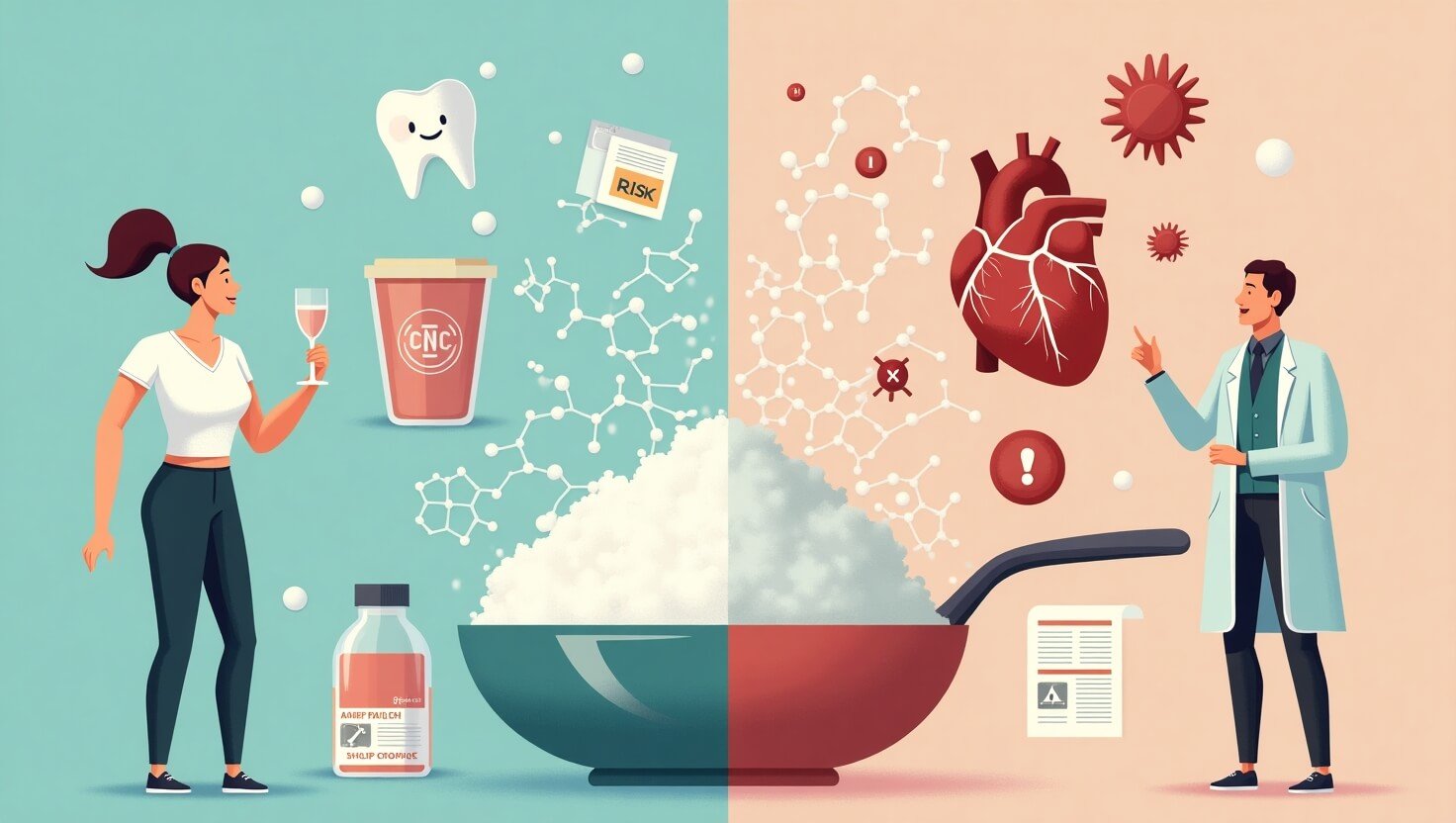
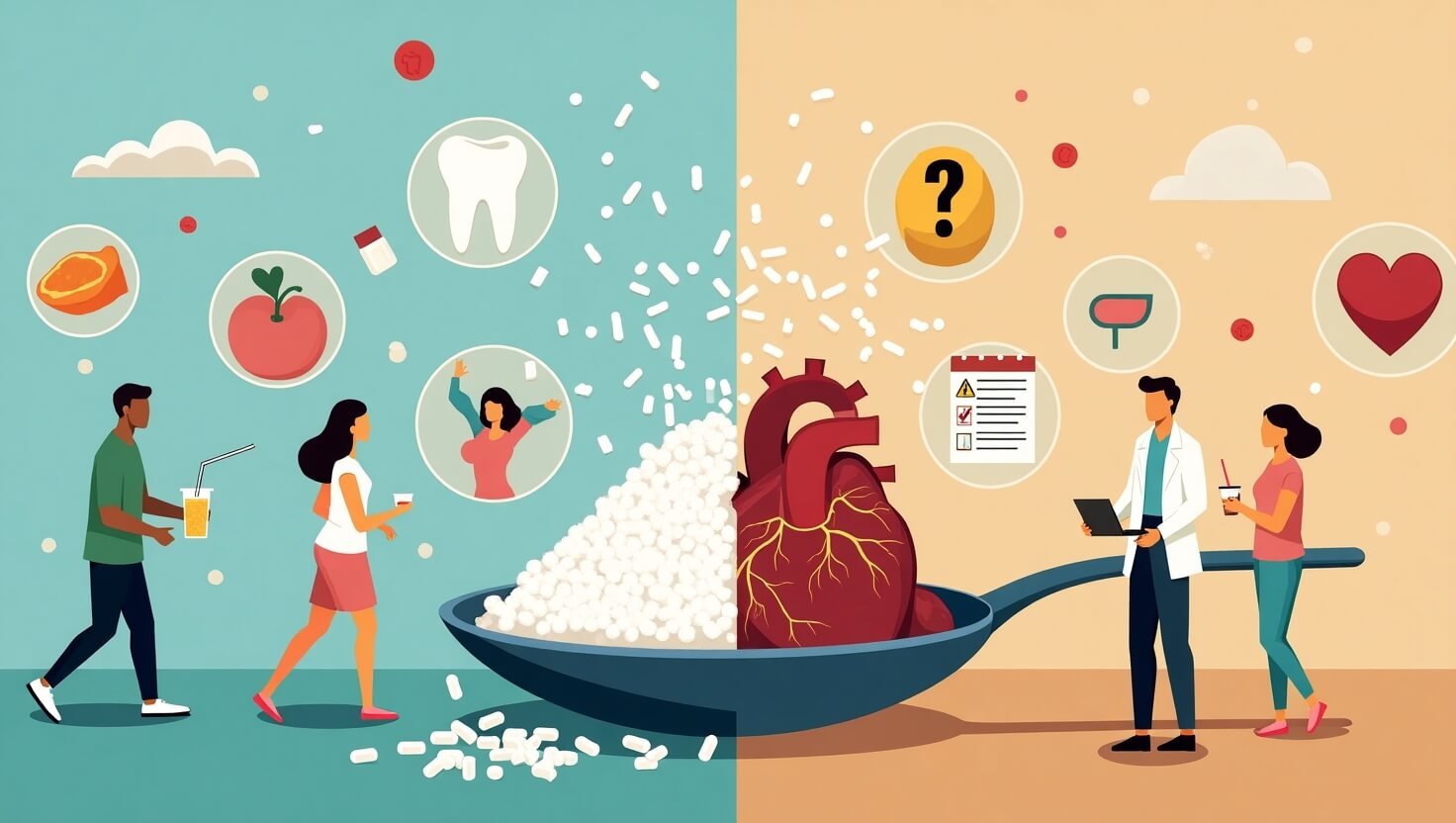
Erythritol, In today’s health-conscious world, many people are seeking alternatives to sugar. Among these, erythritol has gained significant popularity as a supposedly “natural” zero-calorie sweetener. But recent research has raised questions about its safety profile, particularly related to cardiovascular health. Is erythritol truly the miracle sweetener it’s marketed to be, or should consumers approach it with caution?

What Exactly Is Erythritol?

Erythritol belongs to a class of compounds called sugar alcohols or polyols. While it occurs naturally in small amounts in fruits like pears and watermelons, commercial erythritol is typically produced through fermentation of glucose from corn or wheat starch. The final product appears as white crystalline powder that resembles table sugar but with approximately 70% of sugar’s sweetness at only 6% of the calories.

Unlike other sugar alcohols such as xylitol and sorbitol, erythritol contains remarkably fewer calories—only 0.24 calories per gram compared to sugar’s 4 calories per gram. It’s also worth noting that erythritol isn’t just something we consume in food products; our bodies naturally produce small amounts of it through the pentose phosphate pathway.

This sweetener has been generally recognized as safe (GRAS) by the U.S. Food and Drug Administration since 2001 and was approved by the World Health Organization in 1999. These designations have helped erythritol become a staple ingredient in many sugar-free and keto-friendly products on store shelves today.

How Is Erythritol Metabolized?

Erythritol’s metabolism differs significantly from other sugar alcohols. After consumption, it is rapidly absorbed in the small intestine and circulates in the bloodstream before being excreted largely unchanged in urine. This unique metabolic pathway explains why erythritol typically causes fewer digestive issues than other sugar alcohols, which ferment in the large intestine and can cause gastrointestinal discomfort.

The Potential Benefits of Erythritol

Proponents of erythritol highlight several potential benefits that have made it an attractive sugar alternative:

Blood Sugar and Insulin Benefits

One of erythritol’s most touted advantages is its minimal impact on blood glucose and insulin levels. Research shows that erythritol does not affect glucose or insulin responses, making it potentially beneficial for people with diabetes or those monitoring their carbohydrate intake. This quality has led many healthcare professionals to recommend erythritol-containing products for patients with diabetes or metabolic syndrome.

Weight Management

With virtually no calories, erythritol offers sweetness without contributing to caloric intake. Some evidence suggests it might even help with weight management. According to research, erythritol may induce gut hormone secretions that modulate satiety signals, potentially promoting weight loss. Long-term rodent studies have shown erythritol consumption was associated with lower body weight or reduced adiposity.

Tooth-Friendly Properties

Unlike sugar, erythritol does not contribute to tooth decay. Dental health is another area where this sweetener appears to offer advantages over traditional sugar.

Emerging Concerns: Cardiovascular Risks

Despite its apparent benefits, recent scientific research has raised serious questions about erythritol’s safety, particularly regarding cardiovascular health.

The Cleveland Clinic Studies

In February 2023, researchers at the Cleveland Clinic published findings in Nature Medicine that sent shockwaves through the nutrition community. Led by Dr. Stanley Hazen, the study found that people with higher blood erythritol levels had an elevated risk of experiencing major adverse cardiac events such as heart attack, stroke, or death.

“The degree of risk was not modest,” explained Dr. Hazen. “If your blood level of erythritol was in the top 25% compared to the bottom 25%, there was about a two-fold higher risk for heart attack and stroke. It’s on par with the strongest of cardiac risk factors, like diabetes.”

Further laboratory and animal research revealed that erythritol appeared to cause blood platelets to clot more readily. This finding is particularly concerning because blood clots can trigger heart attacks when they reach the heart or strokes when they travel to the brain.

Newer Evidence Strengthens Concerns

In August 2024, Cleveland Clinic researchers published additional research that reinforced these concerns. Their intervention study with healthy volunteers showed that consuming foods with erythritol increased the risk of cardiovascular events by making platelets more active, raising the risk of blood clots. Notably, sugar (glucose) did not have this effect in the same study.

“Many professional societies and clinicians routinely recommend that people at high cardiovascular risk—those with obesity, diabetes or metabolic syndrome—consume foods that contain sugar substitutes rather than sugar,” said Dr. Hazen. “These findings underscore the importance of further long-term clinical studies to assess the cardiovascular safety of erythritol and other sugar substitutes.”

The study found that ingesting erythritol at doses typically contained in a “sugarless” soda or muffin rapidly enhanced platelet reactivity in human blood, thereby increasing thrombosis potential. This is particularly alarming because the populations often advised to use sugar substitutes—those with obesity, diabetes, or metabolic syndrome—are already at elevated risk for cardiovascular events.

Industry Response to Cardiovascular Concerns

The sweetener industry has pushed back against these findings. The Calorie Control Council, an industry association, stated that “the results of this study are contrary to decades of scientific research showing reduced-calorie sweeteners like erythritol are safe, as evidenced by global regulatory permissions for their use in foods and beverages.”

The council further argued that the results “should not be extrapolated to the general population, as the participants in the intervention were already at increased risk for cardiovascular events.” They also claimed that in-vitro studies cannot mimic the complex physiological environment of the human body, which includes absorption, metabolism, and excretion.

Other Potential Side Effects of Erythritol

Beyond cardiovascular concerns, erythritol may cause other side effects in some individuals:

Digestive Issues

While erythritol is generally better tolerated than other sugar alcohols, consuming large amounts may still cause digestive disturbances in some people. These can include nausea, stomach rumbling, and diarrhea. Sensitivity varies significantly between individuals.

Emerging Questions About Metabolic Impact

Some research has raised questions about erythritol’s relationship with obesity. A 2017 study identified erythritol as a biomarker for increasing fat mass, finding that students who gained weight and abdominal fat over the course of a year had fifteenfold higher blood erythritol at the start of the year compared with those who maintained or lost weight.

This finding challenges earlier assumptions about how erythritol functions in the human body, suggesting it may be metabolized differently than previously thought.

Making Informed Decisions About Erythritol

With conflicting information about erythritol’s safety profile, consumers face difficult choices. Here are some considerations:

Who Should Exercise Caution?

Based on current research, people with existing cardiovascular risk factors, including those with heart disease, previous stroke, diabetes, or metabolic syndrome, may want to be particularly cautious about erythritol consumption. These populations appear to be at highest risk for potential negative effects.

Moderation Matters

As with many food ingredients, moderation may be key. The recent studies showing cardiovascular risks involved relatively high blood levels of erythritol. Occasional consumption in small amounts may present different risk profiles than regular, high-dose intake.

Consider Alternative Sweeteners

For those concerned about erythritol but still seeking sugar alternatives, other options exist. However, it’s worth noting that research into the long-term health effects of most sweeteners remains limited.

The Erythritol Debate Continues

The case of erythritol illustrates the evolving nature of nutritional science. What was once considered unequivocally safe based on short-term studies now faces serious questions as longer-term and more sophisticated research emerges.

Dr. Hazen and his team at Cleveland Clinic have urged regulatory agencies to reevaluate erythritol’s safety designation in light of the mounting evidence of potential cardiovascular risks. Meanwhile, the National Institutes of Health has noted that while recent research hasn’t conclusively proven that consuming erythritol directly leads to adverse cardiovascular outcomes, “the results highlight the need for further study of erythritol’s long-term risks for cardiovascular health.”

For consumers, the erythritol debate underscores the importance of staying informed about emerging nutrition research and making personalized decisions based on individual health profiles and risk factors. While erythritol may still be a better option than sugar for some individuals, the “miracle sweetener” narrative deserves a more nuanced interpretation in light of recent scientific findings.

What are the long-term effects of consuming erythritol regularly?

The long-term effects of regular erythritol consumption remain under intense scientific scrutiny, with emerging research revealing potential cardiovascular risks and metabolic impacts that challenge its status as a “healthy” sugar alternative. Here’s what current evidence suggests:

Cardiovascular Risks: Blood Clotting and Cardiac Events

Recent studies show erythritol may increase cardiovascular risks through platelet activation. Consuming a single erythritol-sweetened beverage elevates blood levels 1,000-fold for days—well above thresholds linked to clotting. This heightened platelet reactivity raises the likelihood of blood clots, doubling the risk of heart attack and stroke over three years in individuals with elevated erythritol levels. Notably, these effects persist even after short-term exposure, suggesting regular intake could compound risks.

Metabolic and Gut Health Concerns

– Insulin resistance: Long-term erythritol use is associated with bacterial dysbiosis, which may impair insulin sensitivity and promote metabolic disorders like diabetes. A 2017 study found erythritol acted as a biomarker for fat mass gain, hinting at unexpected metabolic interactions.
– Digestive issues: While better tolerated than other sugar alcohols, chronic high intake can cause bloating, diarrhea, and worsened symptoms in those with IBS or inflammatory bowel diseases.

Conflicting Regulatory Stances

Despite being FDA-approved as “Generally Recognized as Safe,” concerns arise because:
– Safety assessments relied on short-term studies.
– Modern diets often include erythritol at quantities far exceeding natural exposure.
– Industry-funded research dominates existing safety data, while independent studies flag risks.

Populations at Higher Risk

Those with preexisting conditions face amplified dangers:
– Cardiovascular disease patients: Enhanced clotting mechanisms could trigger events.
– Diabetic individuals: Though erythritol doesn’t spike blood sugar, its metabolic impacts might counteract benefits.
– Bariatric surgery candidates: May disrupt post-surgery satiety signals.

Recommendations for Consumers

1. Moderate intake: Limit erythritol-heavy processed foods (e.g., keto products, sugar-free snacks).
2. Prioritize whole foods: Opt for naturally sweet options like fruits when possible.
3. Consult healthcare providers: Especially if managing heart disease, diabetes, or gastrointestinal disorders.

While erythritol offers short-term benefits like dental protection and zero glycemic impact, its long-term safety profile remains uncertain. Ongoing research underscores the need for updated dietary guidelines reflecting these cardiovascular risks.

Erythritol: Healthy Sweetener or a Big, Fat Lie? What Science Says in 2025 Read More »

What Is Tamarind? A Tropical Fruit with Health Benefits

Tamarind is a fascinating tropical fruit with a unique sweet-sour flavor profile that has captivated taste buds across the globe for centuries. Native to Africa but widely cultivated throughout Asia, this versatile pod-like fruit plays a starring role in cuisines from India to Thailand and Mexico to the Caribbean. Beyond its culinary appeal, tamarind boasts an impressive array of health benefits, from supporting heart health to potentially managing diabetes. Whether you’ve encountered tamarind in your favorite Pad Thai dish or are curious about this exotic fruit, this comprehensive guide will introduce you to everything you need to know about this remarkable tropical treasure.


The Origins and Botany of Tamarind

Tamarind (Tamarindus indica) is an evergreen tree indigenous to tropical Africa, particularly Madagascar, though it has been naturalized across Asia for centuries. Botanically speaking, tamarind is classified as a legume, making it a distant relative of peanuts. The tamarind tree can grow impressively tall, reaching heights of up to 24 meters (80 feet) with a vase-shaped crown of dense foliage and pinnately compound leaves that give a billowing effect in the wind.


The fruit itself is a plump, pod-like legume measuring between 7.5-24 cm (3-9 inches) long with a brittle brown shell. Inside each pod, you’ll find sticky, dark brown pulp clinging to several hard seeds. This pulp is the prized part of the tamarind, treasured for its distinctive flavor. The tamarind tree is exceptionally hardy, resistant to wind and drought, making it an excellent shade or street tree in tropical regions. In South Florida, the fruiting season typically runs from February to May, though occasional trees may produce fruit outside this timeframe.


Growing Conditions

Tamarind thrives in tropical and subtropical climates and requires full sun exposure to flourish. While it isn’t particularly fussy about soil conditions and can grow in poor soils, tamarind cannot tolerate waterlogged conditions. The tree demonstrates remarkable resilience to drought and can live for many years with minimal care, making it a relatively low-maintenance addition to suitable landscapes.

What Does Tamarind Taste Like?

The flavor profile of tamarind is truly distinctive – a complex balance of sweet and sour that varies significantly depending on ripeness. Unripe tamarind is intensely sour and astringent, often requiring cooking or pickling to be palatable. As the fruit ripens, it develops a more balanced sweet-sour character that has been described as reminiscent of a mixture of lemons, apricots, and dates.

The unique taste of tamarind comes from its naturally high tartaric acid content, the same acid found in grapes, apples, and citrus fruits. This tartness makes tamarind a popular flavoring ingredient in many cuisines, functioning much like lemon juice does in Western cooking. The flavor is so distinctive that once experienced, it’s rarely forgotten.


Culinary Uses of Tamarind

Tamarind’s versatility in cooking is nothing short of impressive, with applications spanning sweet and savory dishes across multiple culinary traditions.

Global Culinary Applications

In India and Thailand, tamarind is a fundamental ingredient in numerous traditional dishes, adding depth and tanginess to curries, chutneys, and sauces. Perhaps most familiar to Western palates is its essential role in Pad Thai, the beloved Thai noodle dish where tamarind provides the characteristic sweet-sour base. In the Caribbean and Latin America, tamarind is commonly used in refreshing beverages and candies.

Interestingly, tamarind is also a key ingredient in Worcestershire sauce, that ubiquitous British condiment found in kitchens worldwide. In many cuisines, tamarind functions as both a flavoring agent and a meat tenderizer, as its natural acids help break down tough proteins.


Forms of Tamarind in Cooking

Tamarind is available in several forms for culinary use:

– Fresh pods with pulp
– Tamarind paste (the most common form in Western markets)
– Tamarind concentrate or extract
– Tamarind powder
– Tamarind juice

Each form offers convenience for different cooking applications, with paste and concentrate being the most shelf-stable and readily available options in most markets.

Health Benefits of Tamarind

Beyond its culinary applications, tamarind offers numerous potential health benefits supported by its rich nutritional profile.

Nutritional Value

Tamarind is packed with essential nutrients, including:

– Vitamins: Particularly rich in vitamin C and various B vitamins
– Minerals: High in magnesium, calcium, potassium, and iron
– Dietary fiber: Excellent source of soluble and insoluble fiber
– Antioxidants: Contains numerous phytochemicals including beta-carotene
– Amino acids: Contains significant amounts of almost all essential amino acids


Specific Health Benefits

Research suggests tamarind may offer several health-promoting properties:

Heart Health Support

Tamarind contains antioxidants and saponins that may help reduce LDL cholesterol (often called “bad” cholesterol), potentially lowering the risk of cardiovascular diseases. Its potassium content may also help regulate blood pressure.

Diabetes Management

Consuming modest amounts of tamarind may assist with diabetes management thanks to its hypoglycemic effects. The fiber in tamarind may slow sugar absorption in the intestines, helping to stabilize blood glucose levels.

Anti-Inflammatory Properties

Tamarind possesses compounds that may help inhibit inflammatory responses in the body. This makes it potentially beneficial for conditions like stomach pain, sore throats, and even rheumatoid arthritis. Some studies suggest tamarind can activate opioid receptors, helping to reduce pain perception.

Antioxidant Protection

Rich in antioxidants, tamarind helps combat free radicals that can damage cells. This protection extends to skin health, potentially preventing early signs of aging like wrinkles.

Digestive Health

The fiber content and natural acids in tamarind can promote healthy digestion and may help alleviate constipation. Traditional medicine systems have long used tamarind to address various digestive complaints.

How to Use Tamarind at Home

Incorporating tamarind into your cooking opens up a world of flavor possibilities, even for those new to this ingredient.

Where to Find Tamarind

Tamarind can be purchased at Asian and Indian grocery stores, international markets, and increasingly in well-stocked supermarkets. Online retailers also offer various tamarind products. For most home cooks, tamarind paste is the most convenient form to start with, though tamarind concentrate and blocks of compressed pulp are also common.

Basic Preparation Methods

Working with tamarind paste is straightforward – simply dilute with warm water to achieve your desired consistency. If using tamarind pulp blocks, soak a portion in hot water for about 15 minutes, then strain to remove seeds and fibers, leaving you with a smooth tamarind liquid.


Simple Ways to Use Tamarind

Even if you’re new to cooking with tamarind, there are easy ways to incorporate its distinctive flavor:

– Add a spoonful of diluted tamarind paste to stir-fries for a tangy kick
– Mix with honey or sugar, soy sauce, and garlic for a simple glaze for grilled meats or tofu
– Blend into salad dressings as an alternative to lemon juice or vinegar
– Add to soups and stews for depth of flavor
– Create refreshing beverages by mixing tamarind paste with water, sugar, and ice

Tamarind truly stands as one of nature’s most versatile culinary gifts – a fruit that transcends cultural boundaries to enhance dishes across continents. Its unique sweet-sour profile makes it an irreplaceable ingredient in countless traditional recipes, while its impressive nutritional profile offers potential health benefits ranging from heart support to anti-inflammatory properties.

Whether you’re an adventurous home cook looking to expand your culinary horizons or someone interested in incorporating more nutritious foods into your diet, tamarind deserves consideration. From enhancing simple weeknight stir-fries to creating authentic global cuisine, this remarkable tropical fruit continues to delight taste buds while potentially supporting overall health. The next time you encounter tamarind on a menu or at your local international market, consider bringing this sweet-sour wonder into your own kitchen to experience its unique charms firsthand.

What Is Tamarind? A Tropical Fruit with Health Benefits Read More »

Are there any FDA-approved OTC Sex-enhancement Pills in USA

Recent developments in sexual health products have created confusion about which sex-enhancement pills or treatments are actually FDA-approved and available without a prescription in the United States. Many consumers searching for accessible solutions to sexual performance issues face a marketplace filled with products making bold claims. This comprehensive guide examines the current landscape of over-the-counter sexual enhancement options, separating FDA-approved treatments from potentially dangerous alternatives.


The Current State of OTC Sex-Enhancement Products

Despite the abundance of products marketed as “sex-enhancement pills” on store shelves and online retailers, the reality is that there are extremely limited FDA-approved over-the-counter options available. Most products claiming to enhance sexual performance that don’t require a prescription fall into the dietary supplement category, which does not undergo the same rigorous FDA approval process as medications.

Eroxon: The First FDA-Cleared OTC Treatment

In June 2023, the FDA cleared MED3000, marketed as Eroxon, as the first over-the-counter treatment for erectile dysfunction. However, it’s important to note that Eroxon is not a pill but a topical gel that is applied directly to the head of the penis.

Eroxon works through a physical mechanism rather than pharmacological action. When applied, it creates an initial cooling sensation followed by warming, which stimulates nerve endings and increases blood flow to facilitate an erection. Clinical trials found that 65% of men who used the product achieved an erection within 10 minutes, significantly faster than traditional prescription ED medications which typically take around 30 minutes to work.

The FDA considers Eroxon a medical device rather than a medication, and it received “FDA cleared” status, a designation typically used for medical devices that have been reviewed for safety and effectiveness.


The Truth About “Sex-Enhancement Pills” Sold as Supplements

Hidden Ingredients and FDA Warnings

Many products marketed as “all-natural” sex-enhancement pills actually contain undisclosed pharmaceutical ingredients. The FDA has issued hundreds of warnings about unregulated amounts of prescription medications found in these supplements.

For example, the FDA has warned consumers about numerous products including:

1. “Boost — Ultra Sexual Enhancement Formula” which laboratory analysis confirmed contains sildenafil, the active ingredient in Viagra.

2. “Rhino 7S Type F3 7000,” marketed for sexual enhancement, which contains sildenafil and acetaminophen, potentially creating serious health risks.

3. “Control Capsules,” another product promoted for sexual enhancement, which also contained undeclared sildenafil.

Health Risks of Unauthorized Sex-Enhancement Pills

These undeclared ingredients pose significant health risks. Sildenafil may interact with nitrates found in some prescription drugs such as nitroglycerin and may lower blood pressure to dangerous levels. This is particularly concerning for men with diabetes, high blood pressure, high cholesterol, or heart disease who often take nitrates.

The FDA considers this a growing trend of products marketed as dietary supplements with hidden drugs and chemicals. These products are typically promoted for sexual enhancement, weight loss, and body building, and are often represented as being “all natural” despite containing potent pharmaceutical ingredients.


Legitimate Options for Sexual Enhancement

Prescription Medications

FDA-approved prescription medications for erectile dysfunction remain the safest and most effective pharmaceutical options for treating sexual performance issues. These include:

  • Sildenafil (Viagra)
  • Tadalafil (Cialis)
  • Vardenafil (Levitra)
  • Avanafil (Stendra)

These medications require consultation with a healthcare provider to ensure they’re appropriate based on individual health conditions and medications.


Eroxon Gel: The OTC Alternative

For those seeking an over-the-counter option, Eroxon gel represents the only FDA-cleared choice available without a prescription. As a non-medicated product, Eroxon has minimal side effects and doesn’t have the same contraindications as oral ED medications. Side effects were minimal in clinical trials, with headaches and burning or irritation of the penis occurring in only 1% to 3% of men.

Eroxon is available for purchase online or at pharmacies without a prescription. It’s designed for men age 22 and older and comes in single-use tubes.


How to Identify Safe Sexual Enhancement Products

When considering any sex-enhancement product, consumers should:

[1] Look for FDA approval or clearance
[2] Consult with a healthcare provider before trying new products
[3] Be wary of products making extraordinary claims or marketed as “all natural”
[4] Check the FDA’s list of tainted sexual enhancement products
[5] Report adverse effects to the FDA’s MedWatch program

Despite the vast market of products claiming to be effective sex-enhancement pills, there are currently no FDA-approved over-the-counter pills for sexual enhancement in the United States. The only FDA-cleared over-the-counter option is Eroxon, which is a topical gel rather than a pill.

Many products marketed as sex-enhancement pills contain undisclosed prescription medications that could pose serious health risks. Consumers should exercise caution, consult healthcare providers, and consider FDA-approved prescription options or the recently cleared Eroxon gel instead of unregulated supplements.

For those experiencing erectile dysfunction or other sexual health concerns, speaking with a healthcare provider remains the safest first step toward finding effective, medically sound treatment options rather than turning to unregulated sex-enhancement pills that may contain hidden and potentially harmful ingredients.

Are there any FDA-approved OTC Sex-enhancement Pills in USA Read More »

What are the best herbal alternatives to antidepressants?

Depression affects millions worldwide, prompting many to seek treatment options beyond conventional pharmaceuticals. While prescription antidepressants remain the standard medical treatment for clinical depression, growing interest in complementary approaches has led many to explore herbal alternatives. This article examines evidence-based herbal options that some find beneficial for managing depression symptoms, though it’s crucial to note that these should complement rather than replace professional medical care.


Understanding Depression and Conventional Treatments

Depression is a serious mood disorder characterized by persistent feelings of sadness, loss of interest in daily activities, and impaired functioning. According to recent health statistics, depression affects approximately 7 percent of U.S. adults annually, making it one of the most common mental health conditions. Conventional antidepressant medications typically work by targeting neurotransmitters like serotonin, norepinephrine, and dopamine in the brain.


Despite their widespread use, traditional antidepressants aren’t universally effective. A comprehensive review of three decades of randomized controlled trials revealed that antidepressants have an average response rate of about 54%, compared to a placebo response rate of 37%. This efficacy gap, combined with concerns about side effects, has fueled interest in alternative approaches, including herbal remedies that might offer relief with potentially fewer adverse effects.


Top Herbal Alternatives to Antidepressants

Several herbal options have shown promise in managing depression symptoms. Here are the most researched natural alternatives:

St. John’s Wort

St. John’s wort (Hypericum perforatum) stands as perhaps the most studied herbal antidepressant alternative. This yellow-flowering plant has been used in traditional medicine for centuries and has gained considerable scientific attention for its effects on mood disorders.

Research indicates that St. John’s wort may be effective for mild to moderate depression. Some studies suggest it works similarly to tricyclic antidepressants, with comparable efficacy for less severe cases of depression. A significant body of research shows that for mild depression, St. John’s wort may provide benefits similar to those of conventional antidepressants.

However, this herb comes with important cautions. St. John’s wort can significantly reduce the effectiveness of many prescription medications through interactions with drug metabolism pathways. Most critically, combining St. John’s wort with prescription antidepressants can lead to potentially life-threatening increases in serotonin levels in the body—a condition called serotonin syndrome. The typical studied dose is 300 milligrams taken three times daily as a standardized extract.


SAM-e (S-adenosylmethionine)

SAM-e is a naturally occurring compound in the body that plays a role in numerous biochemical processes. As a supplement, it has gained attention for potential antidepressant properties.

Research suggests SAM-e may help alleviate depression symptoms by influencing neurotransmitter production and function. Some studies indicate it could be as effective as certain prescription antidepressants for some individuals. SAM-e appears to work relatively quickly compared to other options, with some people reporting benefits within days to weeks.

Safety considerations are important with SAM-e as well. People with bipolar disorder should avoid this supplement as it may trigger manic episodes. Additionally, those living with HIV should exercise caution as SAM-e might encourage the growth of Pneumocystis jirovecii, potentially leading to pneumonia. For individuals with Parkinson’s disease, SAM-e could decrease the effectiveness of levodopa treatment, necessitating medical supervision.


Omega-3 Fatty Acids

Found abundantly in certain fish like tuna and albacore, omega-3 fatty acids represent another natural approach to supporting mental health. These essential fats play crucial roles in brain function and have been studied for their potential mood-stabilizing effects.

Research on omega-3s for depression shows mixed but promising results. Some studies suggest they may help reduce inflammatory markers associated with depression while supporting overall brain health. The two primary types of omega-3s studied for depression are EPA (eicosapentaenoic acid) and DHA (docosahexaenoic acid), with some research indicating EPA may be particularly beneficial.

Unlike many supplements, omega-3s have excellent safety profiles and few contraindications, making them appropriate for most people. However, high doses may affect blood clotting, so individuals on blood-thinning medications should consult their healthcare providers before supplementation.


Other Promising Herbal Approaches

Beyond the well-studied options above, several other herbal compounds show potential as complementary approaches for depression management:

Anti-inflammatory and Antioxidant Herbs

Emerging research suggests inflammation and oxidative stress may play significant roles in depression pathophysiology. Consequently, herbs with anti-inflammatory and antioxidant properties are being investigated as potential adjuncts to conventional depression treatments. These natural compounds may help reduce the inflammatory processes that contribute to depressive symptoms in some individuals.


Probiotics and Gut Health Supporters

The gut-brain connection has become an important area of depression research. Some probiotics and herbs that support gut health are being studied for their potential to positively influence mood through the gut-brain axis. This approach recognizes the complex bidirectional communication between our digestive systems and brain function.

Important Considerations for Using Herbal Alternatives

While herbal alternatives may appear appealing, several critical considerations should guide their use:

Professional Guidance is Essential

Depression is a serious medical condition that requires proper diagnosis and treatment. Before trying any herbal alternative to antidepressants, consulting with a healthcare provider is crucial. This becomes even more important for individuals already taking medications, as many herbs can interact with prescription drugs.

The National Center for Complementary and Integrative Health (NCCIH) explicitly warns against attempting to treat depression independently. Depression can become severe without effective treatment, and for some individuals, it increases suicide risk. Professional guidance ensures proper care and monitoring.


Quality and Standardization Challenges

Unlike prescription medications, herbal supplements in the United States face less stringent regulatory standards. This means quality, potency, and purity can vary significantly between products and manufacturers.

When selecting herbal supplements, look for products that clearly list the herb’s common and scientific names, provide manufacturer information, include batch and lot numbers, display expiration dates, offer dosage guidelines, and mention potential side effects. Third-party testing certifications can provide additional quality assurance.


Potential Interactions and Side Effects

Herbal alternatives are not without risks. As previously mentioned, St. John’s wort interacts with numerous medications, potentially reducing their effectiveness. Similarly, SAM-e may cause side effects or interact with certain conditions and treatments.

One significant benefit of herbal therapies noted in research is that many herbs with psychotropic effects tend to have fewer side effects than various pharmaceutical agents commonly prescribed for depression. However, “fewer” doesn’t mean “none,” and individual responses vary considerably.


The Future of Natural Approaches to Depression

Research into herbal alternatives to antidepressants continues to evolve. Scientists are exploring multiple mechanisms beyond the traditional monoamine theory of depression, including nitric oxide modulators, NMDA antagonists, anti-inflammatory compounds, antioxidants, mitochondrial modulators, insulin sensitizers, and probiotics.

This expanding understanding of depression’s complex pathophysiology opens doors to more targeted natural interventions. Specific phytochemicals like hyperforin in St. John’s wort, kaempferol, and safranal in crocus have demonstrated therapeutic effects in depressive disorders. As research advances, more refined and evidence-based natural approaches may emerge.


Herbal alternatives to antidepressants represent an area of growing interest and research. While options like St. John’s wort, SAM-e, and omega-3 fatty acids show promise for some individuals with depression, they should be approached thoughtfully and with professional guidance. Depression requires comprehensive treatment, and natural remedies may complement rather than replace conventional care.

When considering herbal alternatives, prioritize quality products, be aware of potential interactions, and maintain open communication with healthcare providers. The most effective approach to depression often involves multiple strategies tailored to individual needs, potentially including both conventional treatments and carefully selected complementary options.

Remember that what works varies significantly between individuals. The journey toward managing depression successfully often requires patience, persistence, and a willingness to adjust approaches based on personal response and professional guidance.

What are the best herbal alternatives to antidepressants? Read More »

How Hormone Therapy Improves Sexual Health?

Hormone Therapy, Declining sexual desire and function can significantly impact quality of life and intimate relationships. For many individuals experiencing these challenges, hormone therapy has emerged as an effective solution that addresses the root causes of sexual health concerns. This comprehensive guide explores how hormone therapy can revitalize libido and enhance overall sexual wellness by restoring crucial hormonal balance in the body.


The Connection Between Hormones and Sexual Health

Understanding Hormonal Influence on Libido

Hormone Therapy, Hormones play a fundamental role in regulating sexual desire and function. Estrogen, testosterone, and progesterone are the primary sex hormones that influence libido in both men and women. When these hormone levels fluctuate or decline due to aging, menopause, or other health conditions, many people experience a noticeable decrease in sexual interest and satisfaction. The body’s natural hormone production typically decreases with age, leading to various symptoms that can negatively impact sexual wellness.

Testosterone, often considered primarily a male hormone, is actually crucial for sexual desire in both men and women. Estrogen is essential for maintaining vaginal health, lubrication, and sensitivity in women. When these hormones become imbalanced, the physical and psychological aspects of sexuality can be significantly affected.


Common Signs of Hormone-Related Sexual Dysfunction

Identifying hormone-related sexual health issues is the first step toward finding appropriate treatment. Common symptoms include decreased libido, difficulty becoming aroused, discomfort during intercourse, and reduced satisfaction. For women experiencing menopause, these challenges are often accompanied by vaginal dryness, thinning of vaginal tissues, and clitoral atrophy, which can make intimacy uncomfortable or even painful.

For men, hormonal imbalances typically manifest as reduced libido, difficulty maintaining erections, decreased energy, and diminished sexual performance. These symptoms can cause significant distress and strain on relationships, highlighting the importance of addressing hormonal factors in sexual health.


How Hormone Therapy Works to Enhance Sexual Function

The Mechanism of Hormone Replacement Therapy

Hormone therapy, also known as hormone replacement therapy (HRT) or menopausal hormone therapy, works by supplementing the body’s declining hormone levels. This therapeutic approach aims to restore hormonal balance to improve various symptoms, including those affecting sexual health. By providing the body with hormones identical or similar to those it naturally produces, hormone therapy can effectively alleviate many of the sexual challenges associated with hormonal deficiencies.

For women, hormone therapy typically involves estrogen alone or in combination with progesterone. Estrogen helps restore vaginal health, improving lubrication and tissue elasticity, while also potentially enhancing mood and energy levels – all factors that contribute to a healthy libido. For men, testosterone therapy aims to bring levels back to optimal ranges, potentially improving desire, performance, and satisfaction.

Bioidentical Approaches

Bioidentical hormone replacement therapy (BHRT) has gained popularity as an alternative to traditional hormone therapies. BHRT utilizes hormones that are chemically identical to those produced naturally by the body, which some practitioners believe leads to better effectiveness and fewer side effects.

BHRT can be precisely tailored to address individual hormonal imbalances, making it a personalized approach to sexual health concerns. Regular monitoring of hormone levels ensures optimal treatment outcomes and helps healthcare providers make necessary adjustments to therapy regimens.


Benefits of Hormone Therapy for Sexual Wellness

Restoring Sexual Desire and Arousal

One of the most significant benefits of hormone therapy is its ability to address low libido. By optimizing hormone levels, therapy can help reignite sexual desire that may have diminished due to hormonal changes. Studies suggest that hormone therapy may slightly improve sexual functioning in perimenopausal and postmenopausal women, a benefit that should be considered when discussing treatment options.

For many individuals, the restoration of libido occurs gradually over the course of hormone therapy. While some may notice improvements within weeks, the full benefits may take three to six months to develop as the body adjusts to the hormonal changes.

Improving Physical Comfort During Intimacy

Hormone therapy, particularly estrogen therapy for women, can significantly alleviate the physical discomforts that often hinder sexual activity. By addressing vaginal dryness and tissue thinning, hormone therapy helps restore the physical comfort necessary for satisfying intimate experiences.


The genitourinary syndrome of menopause (GSM), which affects approximately half of postmenopausal women, results in lack of lubrication, discomfort, and pain during sexual activity. Research indicates that postmenopausal sexually active women with female sexual dysfunction are nearly four times more likely to have GSM than those without. Hormone therapy effectively addresses these symptoms by improving vaginal health and function.

Enhancing Blood Flow and Sensitivity

Estrogen plays a crucial role in maintaining healthy blood flow to the pelvic area, directly impacting sexual sensitivity and pleasure. As estrogen levels decline during menopause, reduced blood flow to the vagina and clitoris can lead to decreased sensitivity and arousal.

Hormone replacement therapy, particularly with estrogen, helps restore proper blood flow to these sensitive areas, enhancing physical response during sexual activity. This improved circulation contributes to increased sensitivity, easier arousal, and more satisfying sexual experiences.


Hormone Therapy for Menopausal and Perimenopausal Women

Addressing Specific Menopausal Sexual Concerns

Menopause brings significant hormonal changes that directly impact sexual health and function. The decline in estrogen and testosterone levels can lead to a range of symptoms, including decreased libido, vaginal dryness, and discomfort during intercourse. Hormone therapy specifically targets these symptoms by replenishing the hormones that naturally decline during this life stage.

For women experiencing severe menopausal symptoms such as hot flashes, night sweats, and mood swings alongside sexual concerns, hormone therapy offers a comprehensive approach that addresses multiple symptoms simultaneously. This multifaceted benefit can significantly improve overall quality of life during the menopausal transition.

Tailoring to Individual Needs

The specific combination and forms of hormones used in therapy are carefully determined to suit each individual’s unique health profile. This personalized approach maximizes therapeutic benefits while minimizing potential risks. Healthcare providers consider factors such as age, symptom severity, personal medical history, and individual preferences when developing hormone therapy plans.

For women who have undergone hysterectomy, estrogen-only therapy may be appropriate. However, for those with an intact uterus, a combination of estrogen and progesterone is typically recommended to reduce the risk of endometrial cancer. Regular monitoring and adjustment of hormone therapy ensure that treatment remains effective and safe over time.


Hormone Therapy for Men’s Sexual Health

Testosterone Therapy Benefits

While much of the research on hormone therapy for sexual health focuses on women, men also experience age-related hormonal changes that can impact sexual function. Testosterone levels typically decline gradually with age, potentially leading to reduced libido, erectile difficulties, and decreased sexual satisfaction.

Testosterone replacement therapy aims to restore optimal hormone levels, potentially improving sexual desire and function in men with clinically low testosterone. Beyond sexual benefits, testosterone therapy may also address related symptoms such as fatigue, reduced muscle mass, and mood changes that can indirectly affect sexual wellness.

Comprehensive Approach to Men’s Sexual Health

For men considering hormone therapy for sexual health concerns, a comprehensive approach that addresses both hormonal and lifestyle factors is often most effective. This may include hormone testing, personalized testosterone replacement plans, and complementary lifestyle modifications to optimize sexual health outcomes.

It’s worth noting that testosterone therapy isn’t appropriate for all men experiencing sexual difficulties, and thorough evaluation by a healthcare provider is essential to determine whether hormonal factors are contributing to sexual concerns.


Comparing Hormone Therapy with Natural Approaches

Natural Remedies for Libido Enhancement

Many individuals seeking to improve sexual health may consider natural approaches before or alongside hormone therapy. These natural remedies include lifestyle modifications such as regular exercise, stress management techniques, adequate sleep, and nutritional changes.


Regular exercise increases blood flow, reduces stress, and improves mood, all of which can positively influence sexual desire. A diet rich in fruits, vegetables, lean proteins, and healthy fats supports overall health and hormone balance, potentially benefiting sexual function.

Making an Informed Choice

When deciding between hormone therapy and natural approaches for addressing sexual health concerns, several factors should be considered. For individuals with clinically diagnosed hormonal imbalances, hormone therapy may provide more direct and significant benefits. However, natural approaches offer fewer risks and may be sufficient for those with mild symptoms.

Many healthcare providers recommend a combined approach, utilizing both hormone therapy and lifestyle modifications to achieve optimal sexual health outcomes. This integrated strategy addresses both the hormonal and non-hormonal factors that influence sexual wellness.


Important Considerations for Hormone Therapy

Personalized Assessment and Monitoring

Before beginning hormone therapy, a thorough consultation with a healthcare provider is essential. This discussion should cover potential benefits and associated risks, enabling an informed decision based on personal health needs and medical history.

Once hormone therapy begins, regular monitoring allows for necessary adjustments to ensure the treatment remains effective and safe. Hormone levels, symptom improvement, and potential side effects should be carefully tracked throughout the course of therapy.


Understanding Potential Risks and Benefits

While hormone therapy offers significant benefits for sexual health, it’s important to understand potential risks. The Women’s Health Initiative study suggests that when initiated within 10 years of menopause, hormone therapy reduces all-cause mortality and risks of coronary disease, osteoporosis, and dementia. However, these beneficial effects may change over time, and some risks, such as venous thromboembolism with oral administration, should be considered.

The decision to begin hormone therapy should always balance potential benefits against possible risks, taking into account individual health factors, age, and specific symptoms.

Hormone therapy offers a promising solution for many individuals experiencing sexual health challenges related to hormonal changes. By addressing the underlying hormonal imbalances that contribute to decreased libido, physical discomfort, and reduced satisfaction, hormone therapy can help restore sexual wellness and improve intimate relationships.

For those considering hormone therapy to enhance sexual health, consultation with a qualified healthcare provider is the essential first step. A personalized approach that considers individual health factors, symptoms, and preferences will yield the best results. Whether used alone or in combination with lifestyle modifications, hormone therapy has the potential to significantly improve quality of life by revitalizing sexual health and function.

How Hormone Therapy Improves Sexual Health? Read More »

Are new COVID-19 variants affecting vaccine effectiveness?

The ongoing evolution of SARS-CoV-2 has led to the emergence of new COVID-19 variants that continue to challenge global public health efforts. As we navigate through 2025, understanding how these new variants affect vaccine effectiveness is crucial for maintaining appropriate protection strategies. Recent data shows varying levels of protection from the latest vaccines, with effectiveness ranging from 33% against emergency department visits to 45-46% against hospitalizations in certain populations. Despite these challenges, vaccines remain the cornerstone of defense against severe COVID-19 outcomes. This article examines the latest information on new COVID-19 variants and their impact on vaccine efficacy, providing guidance for individuals seeking to protect themselves in this evolving landscape.


Current Landscape of New COVID-19 Variants

The Rise of KP.2 and Other Omicron Subvariants

The COVID-19 virus continues to evolve in 2025, with several new variants dominating the global landscape. The KP.2 strain, an Omicron subvariant, has become particularly prominent, prompting updates to vaccine formulations specifically targeting this variant to provide better protection against currently circulating strains. This update was necessary as the virus continued to evolve beyond previous variants like JN.1, which was initially considered for the 2024-2025 vaccine formula before KP.2 became more dominant. The progression of variants has been consistent since the pandemic began, with Omicron sublineages continuing to emerge and replace previous versions through natural selection processes. These evolutionary changes represent the virus’s ongoing adaptation to human immunity, whether acquired through vaccination or previous infection. The emergence of variants like KP.2 demonstrates the need for continued vigilance and adaptation in public health responses to COVID-19.


Characteristics of New Variants

The new COVID-19 variants in 2025 share some common characteristics with their predecessors, particularly their derivation from the Omicron lineage that first emerged in late 2021. However, they possess unique mutations that affect their transmissibility and interaction with the immune system, particularly in the spike protein region, which is the main target for vaccines and natural antibodies. What distinguishes variants like KP.2 is their enhanced ability to evade some aspects of immunity provided by previous infection or vaccination, a characteristic that has contributed to their dominance in the viral landscape. These immune evasion properties don’t necessarily translate to increased severity but do impact how effectively existing antibodies recognize and neutralize the virus. The continuous evolution of the virus highlights the importance of genomic surveillance and rapid vaccine updates to address the changing nature of the pathogen. Understanding the specific mutations in these new variants helps scientists predict their behavior and design more effective countermeasures.


Impact of New Variants on Vaccine Effectiveness

Current Vaccine Efficacy Data

Recent data provides insights into how effective the 2024-2025 COVID-19 vaccines are against new variants circulating in the population. According to CDC reports, the vaccine effectiveness (VE) of the 2024-2025 COVID-19 vaccines shows limited efficacy in certain contexts, with 33% effectiveness against COVID-19-associated emergency department or urgent care visits among adults aged 18 years and older. The same data indicates 45-46% effectiveness against hospitalizations among immunocompetent adults aged 65 years and older, and 40% effectiveness against hospitalizations in immunocompromised adults aged 65 years and older. These numbers indicate a moderate level of protection, particularly against severe outcomes, despite the emergence of new variants with immune-evading properties. While the effectiveness percentages may seem lower compared to the initial vaccine efficacy reported in 2020-2021, they represent significant protection against the outcomes that matter most: severe illness, hospitalization, and death. This pattern of protection—stronger against severe outcomes than against infection or mild disease—has become characteristic of COVID-19 vaccines as the virus continues to evolve.

Waning Immunity and Variant Impact

The effectiveness of COVID-19 vaccines follows a predictable pattern, with protection peaking in the first 3-4 months after administration before gradually waning over time. This natural decline in antibody levels is expected and doesn’t necessarily represent a failure of the vaccines, but rather demonstrates the need for updated boosters tailored to new variants as they emerge. New COVID-19 variants with immune-evasive mutations may reduce vaccine effectiveness against mild infections, but evidence suggests that boosters continue to provide strong protection against severe disease and hospitalization, even as overall immunity wanes. This sustained protection against severe outcomes is attributed to the robust T-cell immunity that vaccines generate, which provides broader protection against various viral mutations compared to antibody responses alone. The interplay between waning immunity and variant evolution creates a complex dynamic that necessitates regular vaccine updates and carefully timed booster recommendations. This situation parallels other respiratory viruses like influenza, where annual vaccination targeting current strains has become standard practice.


Updated Vaccines Targeting New Variants

2024-2025 Vaccine Formulations

In response to the evolution of new COVID-19 variants, vaccine manufacturers have updated their formulations to target the most prevalent strains circulating in the population. As of August 2024, the FDA approved and authorized updated mRNA COVID-19 vaccines that include a monovalent component corresponding to the Omicron variant KP.2 strain, replacing the previous focus on the JN.1 lineage after the agency determined that KP.2 had become more dominant. The current vaccine landscape includes Pfizer-BioNTech’s updated mRNA vaccine (Comirnaty) targeting the KP.2 strain, approved for ages 12 and older and authorized for 6 months through 11 years, as well as Moderna’s updated mRNA vaccine (Spikevax) also targeting KP.2, with similar age approvals. Additionally, Novavax’s updated vaccine targeting the JN.1 strain was authorized for everyone 12 and older, providing an alternative platform for those who prefer non-mRNA vaccines. These updated formulations demonstrate the adaptive approach to vaccine development, focusing on providing protection against the most currently relevant viral strains through regular updates based on surveillance data. This strategy represents a significant advancement in our ability to respond to evolving pathogens with targeted countermeasures.

Vaccination Strategy and Timing

The CDC recommends that everyone aged 6 months and older receive one of the updated 2024-2025 COVID-19 vaccines to ensure optimal protection against current variants. Additionally, in October 2024, the CDC recommended that people 65 years and older and those who are moderately or severely immunocompromised receive a second dose of the vaccine six months after their first dose, acknowledging both the waning nature of vaccine-induced immunity and the increased vulnerability of certain populations. The timing of vaccination is designed to provide optimal protection during periods of increased respiratory illness, typically fall and winter months when people spend more time indoors and transmission rates tend to increase. This approach parallels the annual influenza vaccination schedule, recognizing the seasonal nature of respiratory virus transmission and the need to time protection to coincide with periods of highest risk. The strategy also includes flexibility for additional doses for those with compromised immune systems, allowing for personalized approaches based on individual risk factors and immune status under healthcare provider guidance.


Recommendations for Protection Against New Variants

Who Should Get Vaccinated

Current recommendations emphasize the importance of COVID-19 vaccination for everyone aged 6 months and older, with special emphasis on certain high-risk groups. Individuals with compromised immune systems or chronic health conditions are especially encouraged to stay up to date with vaccinations, as they face higher risks of severe outcomes if infected with new COVID-19 variants. Adults 65 years and older may need additional doses due to their increased vulnerability and typically lower immune response to vaccination, while people who have never received a COVID-19 vaccine are strongly encouraged to initiate the series to establish baseline protection. Pregnant or breastfeeding individuals are also advised to receive updated vaccines, as pregnancy increases the risk of severe COVID-19 outcomes and vaccination can provide protection to both mother and infant through antibody transfer. These recommendations reflect the understanding that while new COVID-19 variants may reduce some aspects of vaccine effectiveness, vaccination remains the most effective tool for preventing severe outcomes across all demographic groups. The targeting of recommendations to specific risk groups represents an evolution in public health strategy as we move from a pandemic to an endemic approach to managing COVID-19.


Complementary Protection Strategies

While vaccination is the cornerstone of protection against new COVID-19 variants, complementary strategies can enhance overall safety and reduce transmission risks in communities. Regular testing, particularly when symptomatic or after exposure to infected individuals, can help detect infections early and prevent onward transmission to vulnerable contacts. Monitoring local transmission rates can inform personal risk assessment and timing of booster doses, with individuals in high-transmission areas potentially benefiting from earlier vaccination within recommended windows. Maintaining awareness of emerging variants through reliable public health information sources helps individuals make informed decisions about personal protective measures based on current risks rather than outdated information. Considering additional protective measures during periods of high transmission, particularly for vulnerable individuals, may include improved ventilation, masking in crowded indoor settings, and temporary modifications to social activities during surge periods. These layered approaches recognize that no single intervention is perfect, especially as new variants emerge with different transmission characteristics and immune evasion capabilities. The combination of vaccination with thoughtful supplementary measures provides the most robust protection strategy against the evolving threat of new COVID-19 variants.


The landscape of COVID-19 continues to evolve in 2025, with new variants like KP.2 challenging our immune defenses and necessitating updates to vaccines and protection strategies. While these new COVID-19 variants have shown some ability to evade aspects of vaccine-induced immunity, the updated 2024-2025 vaccines still provide meaningful protection against severe disease, hospitalization, and death, which remain the primary goals of vaccination efforts. Vaccine effectiveness data indicates moderate protection levels, with higher efficacy against severe outcomes than against mild illness or infection, aligning with the public health priority of preventing the most serious consequences of the disease rather than preventing all infections.


As SARS-CoV-2 continues to mutate, the scientific and public health communities remain vigilant, updating vaccines and recommendations to address emerging threats through systematic surveillance and rapid response mechanisms. The current approach of annual vaccine updates targeting dominant strains offers a sustainable strategy for long-term management of COVID-19 and its evolving variants, similar to how we manage other endemic respiratory pathogens. For individuals, staying up to date with recommended vaccinations, understanding personal risk factors, and maintaining awareness of local variant circulation provides the best protection against new COVID-19 variants now and in the future.


The emergence of new COVID-19 variants will likely continue as a natural part of viral evolution, but our tools to combat them have also evolved significantly since the beginning of the pandemic. The development of rapidly adaptable vaccine platforms, improved understanding of immune responses, and refined public health strategies all contribute to our increasing resilience against this ongoing challenge. By combining scientific advancement with prudent individual choices, we can minimize the impact of new COVID-19 variants even as the virus continues to change.

Are new COVID-19 variants affecting vaccine effectiveness? Read More »