health

Most Used Medicines in USA

Medicine, The United States continues to lead global spending on prescription medications, with Americans increasingly relying on various drugs to manage chronic conditions, improve quality of life, and address emerging health concerns. In 2023, the US spent over $722 billion on prescription medicines, marking a nearly 14% increase from the previous year – the largest annual rise in two decades. This comprehensive analysis explores the most commonly prescribed medications in America and examines the evolving landscape of medicine usage across the country.


Top Prescribed Medicines by Volume in the United States

When examining medication usage purely by prescription volume, several medicines stand out as the most frequently prescribed in America. These medications primarily target common chronic conditions affecting millions of Americans.

Cholesterol and Heart Health Medications

Atorvastatin, commonly known by its brand name Lipitor, remains America’s most prescribed medication, with over 114 million prescriptions representing more than 26.6 million patients. This statin medication plays a crucial role in managing high cholesterol and reducing cardiovascular disease risk. Similarly, Lisinopril, an angiotensin-converting enzyme (ACE) inhibitor used to treat high blood pressure, heart failure, and recovery following heart attacks, ranks fourth with approximately 88.6 million prescriptions serving nearly 19.8 million patients.

Thyroid Medications

Levothyroxine, a synthetic version of the thyroid hormone T4, consistently ranks among the top three most prescribed medicines in America over the past decade. Used to treat hypothyroidism, this medication accounts for nearly 99 million prescriptions serving over 20.2 million patients annually. Brand names include Levothroid, Levoxyl, Synthroid, and Unithroid.

Diabetes Management

With more than 37 million Americans living with diabetes, it’s unsurprising that metformin—a cornerstone medication for type 2 diabetes management—consistently appears in the top prescription rankings. Metformin accounts for approximately 92.6 million prescriptions annually, helping over 20.1 million patients manage their condition through brands like Fortamet, Glucophage, Glumetza, and Riomet.

Blood Pressure Control

Amlodipine, a calcium channel blocker treating high blood pressure, coronary artery disease, and angina, has grown significantly in popularity since becoming available as a generic medication in the early 2000s. This medicine now ranks fifth among America’s most prescribed medications.


Highest-Spending Medicines in America

While prescription volume provides one perspective on medicine usage, examining spending reveals different patterns in how Americans use medications.

Weight Management and Diabetes Medications Lead Spending

Semaglutide, marketed under brand names Ozempic, Rybelsus, and Wegovy, has emerged as America’s highest-spending drug, accounting for nearly $38.6 billion in consumer spending during 2023. Originally developed for type 2 diabetes management, these medications have gained tremendous popularity for weight loss benefits, with costs potentially exceeding $1,000 monthly without insurance coverage.

The dramatic rise in spending on GLP-1 medications like semaglutide represents a significant shift in American medicine usage patterns. Similar medications such as tirzepatide (Mounjaro, Zepbound) also appear among the top-spending drugs, further highlighting the growing importance of this medication category.

Autoimmune and Blood Clot Prevention Medicines

Adalimumab (Humira), used to treat arthritis and Crohn’s disease, ranks second in American medicine spending at $35.3 billion annually. Previously the highest-spending medication, it remains crucial for millions of Americans managing autoimmune conditions.

Apixaban (Eliquis), prescribed to prevent strokes and blood clots in patients with atrial fibrillation, represents the third-highest spending medication at approximately $22.1 billion annually.

Medicine Usage Trends and Growth Factors

The American medication landscape continues evolving rapidly, with several key trends shaping medicine utilization patterns nationwide.

Unprecedented Growth in Medicine Spending

Healthcare experts project continued acceleration in prescription medicine spending. PwC’s Health Research Institute forecasts an 8% year-on-year medical cost trend for 2025 in the group market and 7.5% in the individual market. This growth trajectory represents the highest level of commercial healthcare spending expansion in 13 years.

Key Drivers of Increased Medicine Usage

Several factors contribute to the dramatic rise in medication spending and usage across America:

1. Expanded indications for existing medications, where previously approved medicines receive authorization for additional uses
2. Increased utilization of specialty medications, particularly GLP-1 drugs for diabetes and weight management
3. Rising prescription costs driven by inflationary pressures within the healthcare system
4. Growing demand for behavioral health medications as mental health awareness and treatment access improve
5. Continued innovation in prescription medications targeting chronic conditions


The Future of Medicine Utilization in America

Looking ahead, the landscape of medicine usage in the United States appears poised for continued growth and transformation.

Projected Market Expansion

The global medicine market is expected to grow at a compound annual growth rate of 3-6% through 2025, with the United States remaining the largest contributor to this expansion. This growth will likely push global medicine spending toward $1.6 trillion annually.

Balancing Access, Cost, and Innovation

As medicine usage increases, American healthcare stakeholders face significant challenges balancing expanded access to life-changing medications while controlling escalating costs. The introduction of biosimilar alternatives may provide some cost relief, though many health organizations must look internally for efficiency opportunities to offset rising medicine expenses.

The landscape of medicine usage in America continues evolving rapidly, with shifts in both prescription volume and spending patterns. Traditional medications for chronic conditions like high cholesterol, hypertension, hypothyroidism, and diabetes remain the most frequently prescribed. However, newer therapies—particularly those addressing weight management and specialized conditions—are driving unprecedented spending growth.

Understanding these medicine usage patterns provides valuable insights for healthcare providers, policymakers, pharmaceutical companies, and patients navigating America’s complex healthcare system. As medicine innovation continues accelerating, staying informed about these trends becomes increasingly important for all stakeholders in the American healthcare ecosystem.

Most Used Medicines in USA Read More »

Ten Most Used Drugs in the USA

In the United States, drug usage spans both legal substances and illicit narcotics, creating a complex landscape of consumption patterns across different demographics. Recent statistics reveal concerning trends in substance use, with certain drugs consistently ranking highest in terms of prevalence. This analysis examines the ten most used drugs in the USA, exploring usage rates, demographics, regional variations, and associated health implications.


Legal Substances Dominating Consumption

Alcohol: America’s Primary Substance of Choice

Alcohol maintains its position as the most used drug in the USA, with an astonishing 61.42% of Americans consuming it regularly. This widespread usage crosses socioeconomic boundaries and remains deeply embedded in American social culture. Despite its legal status for adults, alcohol contributes significantly to public health challenges, including approximately 95,000 deaths annually from alcohol-related causes. The ubiquity of alcohol is particularly concerning given that it serves as a gateway substance for many who later develop more problematic substance use disorders.

Alcohol consumption patterns vary dramatically by region, with some metropolitan areas showing significantly higher usage rates than others. Urban centers with vibrant nightlife scenes typically report higher consumption rates, while religious regions in the South often show comparatively lower usage statistics. Despite numerous public health campaigns highlighting risks, alcohol remains the most socially accepted drug in American society.


Tobacco Products: Declining Yet Prevalent

Tobacco products, including cigarettes, cigars, and more recently, vaping devices, represent the second most used drug category in America, with approximately 31.1% of the population using these products. Despite decades of public health initiatives and declining cigarette usage, tobacco remains firmly entrenched in American consumption patterns. The introduction of e-cigarettes and vaping has created new consumption patterns, particularly among younger demographics previously showing decreased interest in traditional tobacco products.


The geographic distribution of tobacco use shows notable concentration in rural areas and specific regions such as the Southeast, where tobacco farming has historical significance. States with lower tobacco taxes typically demonstrate higher usage rates, highlighting the role economic factors play in consumption patterns. Despite being legal for adults, tobacco products cause more preventable deaths than any other substance, with significant healthcare costs associated with treating tobacco-related illnesses.


Illicit Substances and Prescription Misuse

Marijuana: America’s Most Used Illicit Drug

Marijuana ranks third among all substances and first among illicit drugs with 17.68% of Americans reporting usage. This percentage has grown steadily as legalization efforts expand across states. Between 2018 and 2019 alone, marijuana use increased by 15.9%, demonstrating its growing acceptance despite federal prohibition. With 15 states having legalized recreational use and more permitting medical applications, marijuana occupies a unique position as both illicit and legal depending on location.

Usage patterns reveal interesting geographic variations, with cities like Omaha, Mesa, and Tulsa showing the highest consumption rates nationally. The changing legal landscape has significantly impacted how marijuana is perceived, marketed, and consumed. Interestingly, the cannabis industry demonstrated remarkable resilience during the COVID-19 pandemic, with dispensaries in many states being classified as essential businesses while other retailers faced closure.


Prescription Opioids: A National Crisis

Prescription opioids, including hydrocodone (Vicodin) and oxycodone (OxyContin), rank fourth in overall drug usage in America. Hydrocodone usage reaches approximately 3.17% of the population, while oxycodone is used by roughly 2.05%. These medications represent the most commonly misused prescription drugs, with painkillers accounting for 59.5% of all prescription drug abuse cases, affecting 9.7 million Americans annually.

The opioid crisis has devastated communities nationwide, driven initially by prescription practices and later transitioning to illicit alternatives as prescription access tightened. Data shows that 57.1% of prescription drug abusers misuse opioids specifically, representing approximately 9.3 million Americans. Most concerning is that prescription opioid use often serves as a gateway to more dangerous substances like heroin, particularly when prescriptions become unavailable or unaffordable.


Prescription Stimulants: Rising Misuse Trends

Prescription stimulants, primarily medications like Adderall (amphetamine) for ADHD treatment, represent the fifth most used drug category with approximately 2.8% of Americans reporting use. These medications have seen significant increases in both prescribed and illicit use, particularly among college students and young professionals seeking performance enhancement rather than treating diagnosed conditions.

The misuse of prescription stimulants affects approximately 4.9 million Americans annually, representing 30.1% of all prescription drug abuse cases. Usage patterns show concentration in academic environments and high-pressure professional settings, with access often facilitated through diverted prescriptions from legitimate users. Despite medical use under supervision being relatively safe, recreational or performance-enhancing use presents significant cardiovascular and mental health risks.


Highly Addictive Substances

Methamphetamine: Devastating Communities

Methamphetamine usage has surged in recent years, establishing this powerful stimulant as the sixth most used drug in America. Usage rates vary dramatically by region, with Phoenix and Mesa, Arizona, showing the highest rates nationwide, followed closely by Omaha, Nebraska. The drug’s devastating impact is magnified by its highly addictive nature and the severe health consequences associated with both short and long-term use.

Alarmingly, methamphetamine use is approximately four times higher than heroin use in many cities across the USA. Experts rank methamphetamine as potentially the most dangerous drug available on the streets, combining high addiction potential with severe physical and mental health impacts. Usage patterns show concentration in both rural and urban settings, with production and distribution networks adapting to enforcement efforts.


Cocaine: Urban Centers Show Highest Usage

Cocaine ranks seventh among most used drugs in America, with approximately 2.19% of the population reporting use. Phoenix, Arizona leads the nation in cocaine usage rates, with over 20% of citizens reporting having tried the drug at least once. Mesa, Arizona and Omaha, Nebraska follow closely behind in usage statistics.

Despite declining from its peak popularity in the 1980s, cocaine maintains a significant presence in American drug consumption patterns, particularly in urban areas and entertainment districts. Usage demographics skew toward higher-income individuals compared to some other substances, reflecting cocaine’s relatively higher cost. The drug maintains its reputation as the second most common illicit substance after marijuana according to usage statistics nationwide.


Benzodiazepines: The Hidden Epidemic

Benzodiazepines, including alprazolam (Xanax), rank eighth among the most used drugs in America. These prescription anti-anxiety medications affect approximately 4.8 million Americans through misuse, representing 29.4% of all prescription drug abuse cases. Their prevalence is particularly concerning given their high addiction potential and dangerous interaction with other substances, especially opioids and alcohol.

Usage patterns show concentration among individuals with anxiety disorders, sleep disturbances, and those using multiple substances. The legitimate medical uses of these medications make tracking misuse particularly challenging, as many users begin with valid prescriptions before developing problematic usage patterns. The risks associated with benzodiazepine withdrawal make addressing dependency particularly complex compared to some other substances.


Heroin: Limited But Devastating Impact

Heroin ranks ninth among most used drugs in America, with usage rates significantly lower than other substances but consequences disproportionately severe. Approximately 15% of drug users report having used heroin, with cities like Omaha and Indianapolis showing the highest usage rates at approximately 3.4% of citizens.

The devastating impact of heroin extends far beyond its relatively lower usage statistics, with high mortality rates from overdose and significant social consequences for users. Many heroin users report beginning with prescription opioids before transitioning to heroin due to cost or availability factors. The introduction of fentanyl into heroin supplies has dramatically increased overdose risks, creating a public health emergency in many communities.


Prescription Sedatives: Completing the Picture

Rounding out the top ten most used drugs in America are prescription sedatives, which affect approximately 5.9 million Americans through misuse, representing 36.2% of all prescription drug abuse cases. These medications include various sleep aids and anti-anxiety medications outside the benzodiazepine class.

Usage patterns demonstrate highest concentration among older adults and those with comorbid mental health conditions. Sedative misuse often begins with legitimate prescriptions before escalating to problematic patterns, making early intervention challenging. Like benzodiazepines, these medications present complex dependency issues with potentially dangerous withdrawal syndromes requiring medical management.

The landscape of drug use in America presents a complex picture involving both legal and illicit substances, with prescription medications often bridging these categories through misuse. Alcohol remains firmly established as the most used drug in the USA, followed by tobacco, while marijuana leads illicit substance use with rapidly changing legal status. Prescription medications, particularly opioids, stimulants, and sedatives, represent significant portions of America’s drug consumption, highlighting the complex relationship between medical treatment and substance misuse.

Regional variations demonstrate striking differences in drug preferences, with cities like Omaha, Phoenix, and Mesa frequently appearing among locations with highest usage rates across multiple substances. Addressing America’s drug use challenges requires nuanced approaches recognizing the distinct patterns, motivations, and consequences associated with each substance while acknowledging the interconnected nature of many substance use disorders.

Ten Most Used Drugs in the USA Read More »

What are the main Health Benefits of Mushroom Coffee?

Mushroom coffee has emerged as a notable trend in the wellness beverage market, blending traditional coffee with medicinal mushroom extracts. This innovative combination promises various health advantages while maintaining the familiar coffee experience many consumers enjoy. Research indicates that mushroom coffee contains approximately 45-50% less caffeine than regular coffee while offering potential benefits ranging from immune support to cognitive enhancement. This comprehensive review examines the primary health benefits attributed to mushroom coffee, analyzing the available evidence behind these claims.


What Is Mushroom Coffee?

Mushroom coffee is a beverage that combines regular coffee beans with dried and extracted medicinal mushrooms. Despite its name, you won’t find mushroom pieces floating in your cup. The drink generally maintains the familiar coffee taste but often features a slightly earthier or nuttier flavor profile.


The production process involves drying medicinal mushrooms, extracting their beneficial compounds, and blending these extracts with coffee grounds. The most commonly used mushroom varieties include reishi, chaga, lion’s mane, cordyceps, king trumpet, and turkey tail. These functional mushrooms have deep roots in traditional medicine, particularly in Asian countries, where they’ve been utilized for centuries as wellness aids.

Mushroom coffee represents a modern adaptation of these ancient practices, delivering the potential benefits of medicinal mushrooms in a convenient, familiar format. The resulting beverage retains much of coffee’s characteristic taste while potentially offering additional health properties through its fungal components.


Reduced Caffeine Content

One of the most significant and well-documented benefits of mushroom coffee is its reduced caffeine content compared to traditional coffee. Standard brewed coffee typically contains approximately 96 milligrams of caffeine per cup, while mushroom coffee generally provides about half that amount. Specific brands offer products with approximately 50 milligrams of caffeine per serving.


This reduced caffeine profile provides several potential advantages:

Less Jitteriness and Anxiety

The lower caffeine content helps minimize the jittery sensations and anxiety that some people experience with regular coffee. This makes mushroom coffee potentially more suitable for individuals sensitive to caffeine’s stimulant effects.


Improved Sleep Quality

While mushroom coffee itself doesn’t directly improve sleep, the reduced caffeine content can help those who struggle with caffeine-induced sleep disturbances. Lower caffeine levels mean less potential for disruption to sleep patterns, especially when consumed later in the day.


Sustained Energy Without Crashes

Mushroom coffee provides a more balanced energy boost compared to traditional coffee, helping avoid the energy crashes often associated with higher caffeine consumption. This creates sustained energy that supports productivity throughout the day without the dramatic peaks and valleys.


Reduced Dehydration Risk

Caffeine acts as a diuretic, increasing urination frequency and potentially contributing to dehydration, particularly in older adults who may not drink enough water. The lower caffeine content in mushroom coffee may help reduce this risk.


Immune System Support

Numerous sources highlight immune system support as a primary benefit of mushroom coffee. The medicinal mushrooms used in these beverages contain compounds that may enhance immune function through several mechanisms:


Antioxidant Protection

Mushrooms contain beneficial compounds with significant antioxidant properties that may help strengthen immune function. These antioxidants, including polyphenols and polysaccharides, help combat free radicals and oxidative stress in the body. Chaga mushrooms, in particular, are noted for their exceptionally high antioxidant content.


Immune Regulation

Certain mushroom varieties can help regulate immune responses, providing both stimulation when needed and modulation to prevent overactivity. This balanced approach to immune support distinguishes mushrooms from simple immune stimulants.


Anti-inflammatory Effects

The anti-inflammatory properties of medicinal mushrooms may contribute to overall immune health by reducing chronic inflammation, which can otherwise compromise immune function. This may be particularly beneficial for individuals dealing with inflammatory conditions.


Adaptogenic Properties and Stress Management

The adaptogenic qualities of medicinal mushrooms represent one of their most valuable attributes in today’s high-stress environment. Adaptogens help the body respond and adapt to various forms of stress—whether physical, biological, or chemical.


Cortisol Regulation

Adaptogens like reishi mushrooms can help balance cortisol levels—the primary stress hormone—helping the body manage stress more effectively. This regulation can prevent the negative impacts of chronically elevated cortisol.


Increased Stress Resilience

Regular consumption of adaptogenic mushrooms may increase the body’s overall resilience to stressors, helping maintain normal functioning even during challenging periods. This improved stress response can benefit both mental and physical health.


Complementary Calm with Energy

Unlike many stimulants that increase energy at the expense of creating anxiety, mushroom coffee’s adaptogenic properties complement its gentle energy boost, creating balanced alertness without overstimulation. This combination provides sustainable energy without the stress-inducing effects of higher caffeine beverages.


Cognitive Function Enhancement

Research suggests that certain mushroom varieties in mushroom coffee may support brain health and cognitive function:

Lion’s Mane Benefits

Lion’s mane mushroom has received particular attention for its potential neuroprotective properties. Studies indicate it may stimulate the production of nerve growth factor, a protein that increases the length of nerve cell processes and potentially supports cognitive functions including focus, memory, and concentration.


Improved Memory and Focus

Research on participants with mild cognitive impairment found those consuming lion’s mane for 16 weeks showed improvements in cognitive function, though these benefits diminished after discontinuation. This suggests consistent consumption may be necessary for sustained cognitive benefits.


Support

Beyond cognitive function, mushrooms like lion’s mane and cordyceps may have mood-supporting effects. One study on post-menopausal women found lion’s mane consumption was associated with reduced symptoms of anxiety and depression.


Enhanced Mental Clarity

The combination of reduced caffeine jitters with the cognitive-supporting properties of medicinal mushrooms may result in improved mental clarity and sustained focus throughout the day. This balanced approach to cognitive enhancement differentiates mushroom coffee from simple stimulants.


Other Potential Benefits

Beyond the primary benefits detailed above, research suggests mushroom coffee may offer additional health advantages:


Heart Health Support

Some research indicates that certain medicinal mushrooms may contribute to cardiovascular health. While more specific studies are needed, this potential benefit adds to mushroom coffee’s overall wellness profile.


Enhanced Physical Performance

Cordyceps mushrooms, in particular, have been associated with improved physical performance and stamina. Some research suggests they may support mitochondrial ATP production—the cellular source of energy—potentially leading to improved endurance and exercise capacity.


Liver Wellness

Some mushroom varieties may offer hepatoprotective (liver-protecting) effects, though this area requires more clinical research. The potential for liver support adds another dimension to mushroom coffee’s health profile.


The Bottom Line on Mushroom Coffee Benefits

While mushroom coffee shows promise for delivering multiple health benefits, it’s important to note that scientific research specifically on mushroom coffee (rather than individual mushrooms) remains limited. Many studies have been conducted on isolated mushroom compounds, in vitro, or in animal models, highlighting the need for more comprehensive human clinical trials.


The consistent findings regarding reduced caffeine content make this benefit the most well-established advantage of mushroom coffee. The adaptogenic, immune-supporting, and cognitive effects have substantial theoretical backing and preliminary research support, but would benefit from more extensive clinical investigation.


For those interested in trying mushroom coffee, it offers a potentially beneficial alternative to traditional coffee with minimal downsides beyond its premium price point. The combination of gentle energy with functional mushroom compounds creates a unique beverage that aligns well with contemporary wellness priorities of balance, sustained energy, and multifunctional nutrition.

Mushroom coffee presents a fascinating intersection of traditional coffee culture with ancient medicinal mushroom practices. Its primary benefits include reduced caffeine content for gentler energy, immune system support through antioxidant compounds, adaptogenic properties for stress management, and potential cognitive enhancement, particularly from lion’s mane mushroom.


While more research is needed to fully validate all claimed benefits, the existing evidence suggests mushroom coffee may offer valuable advantages for those seeking a balanced energy source with additional wellness properties. As with any supplement or functional food, individual results may vary, and those with pre-existing health conditions should consult healthcare providers before making significant dietary changes. For many consumers, however, mushroom coffee represents an accessible entry point into the world of adaptogenic mushrooms with the familiar comfort of their daily coffee ritual.


How Mushroom Coffee Supports the Immune System

Mushroom coffee has gained significant attention for its potential health benefits, with immune system support standing out as one of its most prominent advantages. This unique beverage, which combines traditional coffee with medicinal mushroom extracts, offers several mechanisms through which it may enhance immune function. While scientific research specifically on mushroom coffee remains developing, the individual components have demonstrated promising immune-supportive properties.


Antioxidant Protection

The primary way mushroom coffee supports immune function is through its rich antioxidant content. These compounds play a crucial role in protecting the body from oxidative stress that can otherwise weaken immune responses.


Medicinal mushrooms used in mushroom coffee contain beneficial compounds with significant antioxidant properties that may strengthen immune function. These antioxidants, including polyphenols and polysaccharides, help combat free radicals and oxidative stress in the body. This protection is particularly important as oxidative stress can compromise immune cell function and reduce the body’s ability to fight pathogens.


Chaga mushrooms, commonly used in mushroom coffee formulations, stand out for their exceptionally high antioxidant content. These mushrooms help the body fight invaders and regulate immune responses through their powerful antioxidant activity. The concentrated nature of mushroom extracts in these coffee blends helps deliver these beneficial compounds in a convenient, daily format.


Bioactive Immune-Modulating Compounds

Mushroom coffee contains several bioactive compounds with direct effects on immune function:


Beta-Glucans

Mushrooms contain special complex carbohydrates called beta-glucans that have been extensively studied for their immune-modulating effects. These compounds can help regulate immune responses by activating macrophages, natural killer cells, and other components of the immune system. The beta-glucans found in medicinal mushrooms like reishi and chaga may help the immune system recognize and respond appropriately to threats.


Polysaccharides

Polysaccharides are complex carbohydrates found in mushrooms that have been shown to have immune-modulating effects. These compounds help the body maintain balanced immune function, supporting proper response without overreaction. This balanced approach to immune support distinguishes mushroom coffee from simple immune stimulants.


Anti-Inflammatory Properties

Chronic inflammation can significantly burden the immune system, reducing its effectiveness in responding to pathogens. Mushroom coffee may help address this issue:

Medicinal mushrooms like Reishi, Chaga, and Lion’s Mane contain compounds believed to have anti-inflammatory properties. By reducing inflammation, these mushrooms may indirectly support immune function by freeing up immune resources that would otherwise be occupied managing inflammatory processes. The bioactive compounds in mushrooms have been shown to reduce markers of inflammation in preliminary studies.

Reishi mushrooms, often featured in mushroom coffee blends, are particularly noted for their anti-inflammatory properties alongside immune-boosting effects. These dual actions work synergistically to support overall immune health and function.


Adaptogenic Stress Management

A less obvious but equally important way mushroom coffee supports immunity involves stress regulation:

Cortisol Balancing

High cortisol levels—the body’s primary stress hormone—can negatively impact immune health. Adaptogens like reishi mushrooms found in mushroom coffee can help balance cortisol levels and keep stress under control. This regulation prevents the immunosuppressive effects of chronically elevated stress hormones.


Improved Stress Resilience

The adaptogenic properties of medicinal mushrooms help the body adapt and respond more effectively to various stressors. By improving the body’s stress response, these adaptogens prevent stress-induced immune suppression, maintaining proper immune vigilance even during challenging periods.


Specific Mushroom Contributions

Different mushroom varieties in mushroom coffee formulations contribute unique immune benefits:

Reishi

Known as the “mushroom of immortality” in traditional Chinese medicine, reishi is valued for its ability to boost the immune system and reduce inflammation. Reishi contains triterpenes and other compounds that modulate immune function and may help defend against pathogens.

Chaga

Renowned for its exceptional antioxidant content, chaga mushrooms help protect immune cells from oxidative damage while supporting overall immune regulation. The high levels of antioxidants in chaga make it particularly effective at neutralizing free radicals that can damage immune cells.

Lion’s Mane

While primarily known for cognitive benefits, lion’s mane also contains compounds that support overall immune function and reduce inflammation. Its unique bioactive compounds complement the immune-supporting properties of other mushrooms in the blend.

Turkey Tail

Though not mentioned as frequently in the search results, turkey tail mushrooms are often included in immune-focused mushroom coffee blends due to their polysaccharide content and immune-modulating properties.


Current Research Limitations

While the potential immune benefits of mushroom coffee are promising, it’s important to acknowledge research limitations:

There is very little research specifically on mushroom coffee that includes human subjects. Most evidence comes from studies on individual mushroom species rather than the combined product with coffee. Additionally, studies on mushroom coffee’s specific benefits are limited, though there are numerous studies on the health effects of mushrooms in general.

Mushroom coffee supports immune function through multiple complementary mechanisms: providing potent antioxidants that protect immune cells, delivering bioactive compounds that modulate immune responses, reducing inflammation that can burden the immune system, and helping manage stress that might otherwise suppress immunity.

The combination of these effects creates a multifaceted approach to immune support that goes beyond simple immune stimulation. While more clinical research is needed to fully validate all claimed benefits, the existing evidence suggests mushroom coffee may offer valuable immune support through its unique blend of medicinal mushrooms and coffee.

For those looking to support their immune system, mushroom coffee offers a convenient way to incorporate functional mushrooms into a daily routine through a familiar and enjoyable beverage format.

What are the main Health Benefits of Mushroom Coffee? Read More »

Potassium: Essential Mineral for Optimal Health and Bodily Functions

Potassium stands as one of the most crucial minerals for human health, playing a vital role in numerous physiological processes from muscle function to heart rhythm regulation. This comprehensive exploration delves into potassium’s multifaceted importance, examining its dietary sources, the concerning implications of deficiency, the dangers of overdose, effective treatment approaches, and the overall outlook regarding optimal potassium balance. Research consistently demonstrates that maintaining proper potassium levels—generally between 3.8 and 5.5 mEq/L—significantly contributes to cardiovascular health, with adequate intake potentially reducing blood pressure and stroke risk. Understanding this essential electrolyte’s impact on bodily functions provides valuable insights for both prevention and management of potassium-related health conditions, highlighting the critical balance required for this mineral that affects virtually every cell in the human body.


The Fundamental Role of Potassium in Human Health

Potassium functions as one of the body’s primary electrolytes, performing essential roles in maintaining cellular function and supporting various physiological processes. As an intracellular cation, potassium works alongside sodium to regulate the electrical gradient across cell membranes, which proves crucial for nerve impulse transmission, muscle contraction, and heart function. This mineral also participates in protein synthesis, carbohydrate metabolism, and acid-base balance within the body. The significance of potassium extends to blood pressure regulation, where adequate intake helps counterbalance sodium’s effects, potentially reducing hypertension risk through vasodilation and decreased sodium retention.


Furthermore, potassium plays a vital role in maintaining proper fluid balance throughout the body’s tissues and organs. The European Food Safety Authority has established that a potassium intake of 3,500 mg per day demonstrates beneficial effects on blood pressure in adults, which underscores its cardiovascular importance. Understanding potassium’s fundamental functions provides essential context for appreciating why both deficiency and excess can significantly impact health outcomes across multiple body systems.


Potassium’s Regulatory Functions in Body Systems

The regulatory functions of potassium extend throughout multiple body systems, with particularly notable effects on neuromuscular and cardiovascular health. Within the neuromuscular system, potassium plays a critical role in transmitting electrical impulses that control muscle contractions, including those governing digestive tract movement and skeletal muscle function. The mineral’s impact on cardiovascular health cannot be overstated, as it helps regulate heart rhythm by maintaining the electrical potential across myocardial cell membranes. Research on heart failure patients reveals that those maintaining high-normal potassium levels (between 5.0 and 5.5 mmol/L) demonstrated significantly better survival rates compared to those with lower levels, suggesting potassium’s protective cardiac effects. Additionally, potassium influences kidney function by participating in glomerular filtration and electrolyte reabsorption processes. Emerging research continues to uncover potassium’s involvement in glucose metabolism and insulin sensitivity, suggesting broader metabolic implications. These diverse regulatory functions highlight why potassium balance remains crucial for overall health maintenance and why disturbances in potassium homeostasis can have wide-ranging physiological consequences affecting virtually every organ system.


Abundant Dietary Sources of Potassium

Potassium naturally occurs in numerous foods, particularly plant-based options, making it accessible through a varied diet. Fruits represent one of the richest potassium sources, with bananas standing as perhaps the most well-known example, though many others contain significant amounts of this essential mineral. Oranges, cantaloupes, honeydew melons, apricots, and grapefruit all provide substantial potassium content, as do dried fruits such as prunes, raisins, and dates, which offer concentrated potassium due to their water removal. Vegetables constitute another excellent potassium source category, with particularly high levels found in cooked spinach, broccoli, potatoes (especially when consumed with skin intact), sweet potatoes, mushrooms, peas, and various leafy greens. One medium baked potato with skin contains substantial potassium, making it one of the most efficient dietary sources of this mineral. The processing method significantly affects potassium content, as illustrated by how concentrated tomato products like puree, stewed tomatoes, or tomato juice contain notably higher potassium levels than fresh tomatoes. These diverse plant-based options provide a foundation for achieving adequate potassium intake while simultaneously delivering other beneficial nutrients and minimal sodium.


Animal-Based and Additional Potassium Sources

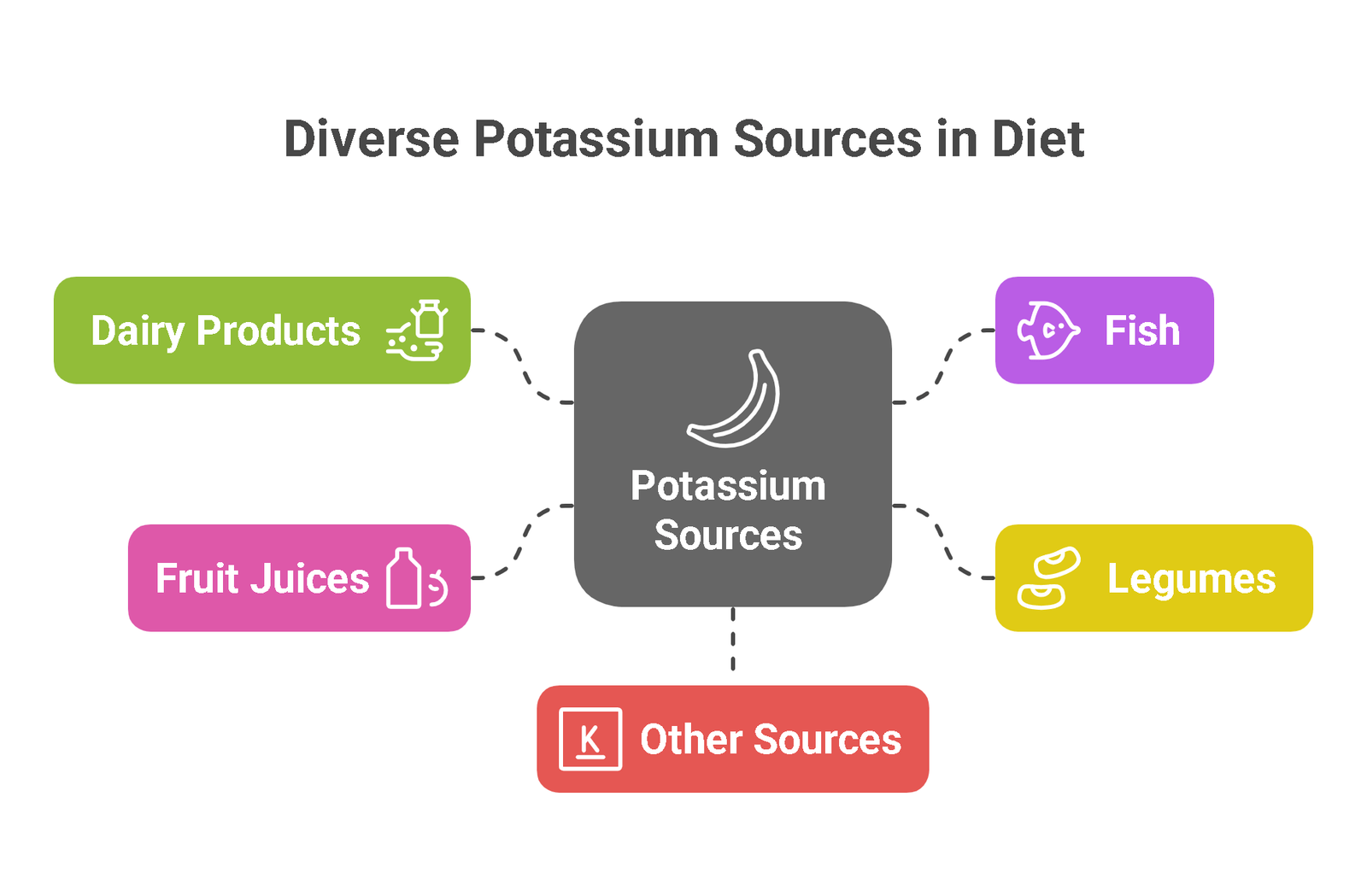
While plant foods offer abundant potassium, several animal-based products and specialty items also contribute significantly to dietary potassium intake. Dairy products, particularly milk and yogurt, contain appreciable potassium amounts, with low-fat or fat-free varieties providing the mineral without excessive saturated fat. Several fish species represent excellent potassium sources, including tuna, halibut, cod, trout, and rockfish, which offer the additional benefit of omega-3 fatty acids. Beans and legumes serve as potassium powerhouses, with lima beans, pinto beans, kidney beans, soybeans, and lentils all delivering substantial amounts; one cup of cooked lentils contains significant potassium while also providing protein and fiber.

Certain fruit juices offer concentrated potassium, with orange, tomato, prune, apricot, and grapefruit juices all serving as excellent sources. Less commonly recognized potassium contributors include molasses, various nuts, meat and poultry products, and certain salt substitutes that specifically use potassium chloride in place of sodium chloride. When selecting processed foods, it’s important to note that processing often reduces potassium content while increasing sodium, creating a less favorable electrolyte balance. This diverse array of potassium sources enables individuals to meet their requirements through various dietary patterns while accommodating personal preferences and restrictions.


Understanding Potassium Deficiency (Hypokalemia)

Potassium deficiency, medically termed hypokalemia, occurs when serum potassium levels fall below 3.6 millimoles per liter (mmol/L), with levels below 2.5 mmol/L considered severe and potentially life-threatening. This condition develops through various mechanisms, including inadequate dietary intake, though this cause alone remains relatively uncommon in healthy individuals due to potassium’s widespread presence in foods. More frequently, hypokalemia results from excessive potassium losses through prolonged diarrhea or vomiting, which can rapidly deplete the body’s stores of this essential mineral. Additional causes include excessive sweating during intense physical activity or in hot climates, excessive alcohol consumption, eating disorders such as bulimia nervosa, and certain medications—particularly diuretics that increase urinary potassium excretion. The clinical manifestations of potassium deficiency typically reflect its critical role in neuromuscular function and cardiac regulation. Patients commonly experience extreme fatigue, constipation with abdominal distension, heart palpitations, and various muscle abnormalities including weakness, spasms, numbness, tingling, and muscle twitches. These symptoms develop because potassium plays an essential role in relaying messages from the brain to muscles and regulating muscle contractions throughout the body, including those controlling intestinal motility and cardiac rhythm.


Severe Hypokalemia and Its Systemic Effects

Severe hypokalemia presents with more pronounced and potentially dangerous manifestations affecting multiple body systems. As potassium levels continue to drop below critical thresholds, patients may experience intensified muscle symptoms, including debilitating cramps, pronounced weakness that can progress to paralysis in extreme cases, and visible muscle twitching. Cardiovascular complications become particularly concerning, with patients reporting palpitations that reflect underlying arrhythmias, which can progress to life-threatening cardiac rhythm disturbances. Neurological manifestations may include lightheadedness, fainting episodes, and decreased brain function that affects cognitive abilities. Metabolic derangements often accompany severe hypokalemia, including elevated blood glucose levels that may temporarily mimic diabetic presentations. The condition can significantly impact kidney function, resulting in increased urination and thirst as the body loses its ability to concentrate urine properly. Respiratory muscles may become affected, leading to breathing difficulties that further compromise patient stability. The diverse and severe nature of these symptoms underscores hypokalemia’s systemic impact and explains why prompt medical intervention becomes essential as potassium levels fall. Without timely correction, severe hypokalemia can lead to profound weakness, respiratory failure, and fatal cardiac arrhythmias, highlighting the critical importance of maintaining proper potassium balance.


The Dangers of Potassium Overdose (Hyperkalemia)

Potassium overdose, medically known as hyperkalemia, occurs when serum potassium concentration exceeds the normal range of 3.8 to 5.5 mEq/L, posing serious health risks that increase with severity. Unlike hypokalemia, which often develops gradually, hyperkalemia can occur rapidly and may result from various circumstances. Accidental causes include medication errors such as mixing up drugs or miscalculating doses, particularly in healthcare settings where potassium supplements or infusions are administered. In rare but documented cases, hyperkalemia has been used intentionally for judicial executions, assisted deaths, and suicides, underscoring its lethal potential when administered in high doses. Beyond exogenous administration, several pathological conditions predispose individuals to hyperkalemia, including renal failure (which impairs potassium excretion), diabetic ketoacidosis, and use of certain medications that affect potassium homeostasis. The cardiac system bears the brunt of hyperkalemia’s effects, as elevated potassium disrupts the normal depolarization and repolarization of myocardial cells, leading to various arrhythmias that can progress to cardiac arrest. Diagnostically, potassium levels exceeding 8.0 mEq/L almost invariably cause characteristic electrocardiogram changes, while levels approaching 9-10 mEq/L frequently trigger ventricular fibrillation and asystole—often with fatal outcomes. These cardiovascular effects explain why hyperkalemia requires immediate medical attention and why potassium supplements should only be taken under strict medical supervision.


Systemic Manifestations of Hyperkalemia

Beyond its profound cardiac effects, hyperkalemia produces numerous manifestations across multiple body systems, creating a complex clinical picture. The neuromuscular system demonstrates particular sensitivity to elevated potassium levels, with patients experiencing weakness that can progress to flaccid paralysis as potassium levels rise. This weakness typically follows an ascending pattern, beginning in the lower extremities and progressing upward, potentially affecting respiratory muscles in severe cases. Gastrointestinal symptoms frequently accompany hyperkalemia, including nausea, vomiting, and intestinal cramping that may mimic various digestive disorders. Respiratory function often becomes compromised as hyperkalemia progresses, resulting in respiratory depression that further threatens patient stability. Renal manifestations typically include oliguria (reduced urine output) as kidney function deteriorates, either as a cause or consequence of rising potassium levels. Metabolic acidosis commonly develops alongside hyperkalemia, creating a dangerous cycle where acidosis drives potassium from cells into the bloodstream, further elevating serum levels. Local tissue effects can occur with direct potassium administration, as extravascular leakage or dermal injection of potassium solutions may cause local necrosis and chemical burns through vascular constriction. This constellation of symptoms underscores hyperkalemia’s multi-system impact and explains why prompt recognition and intervention remain essential for preventing potentially fatal outcomes.


Treatment Approaches for Potassium Imbalances

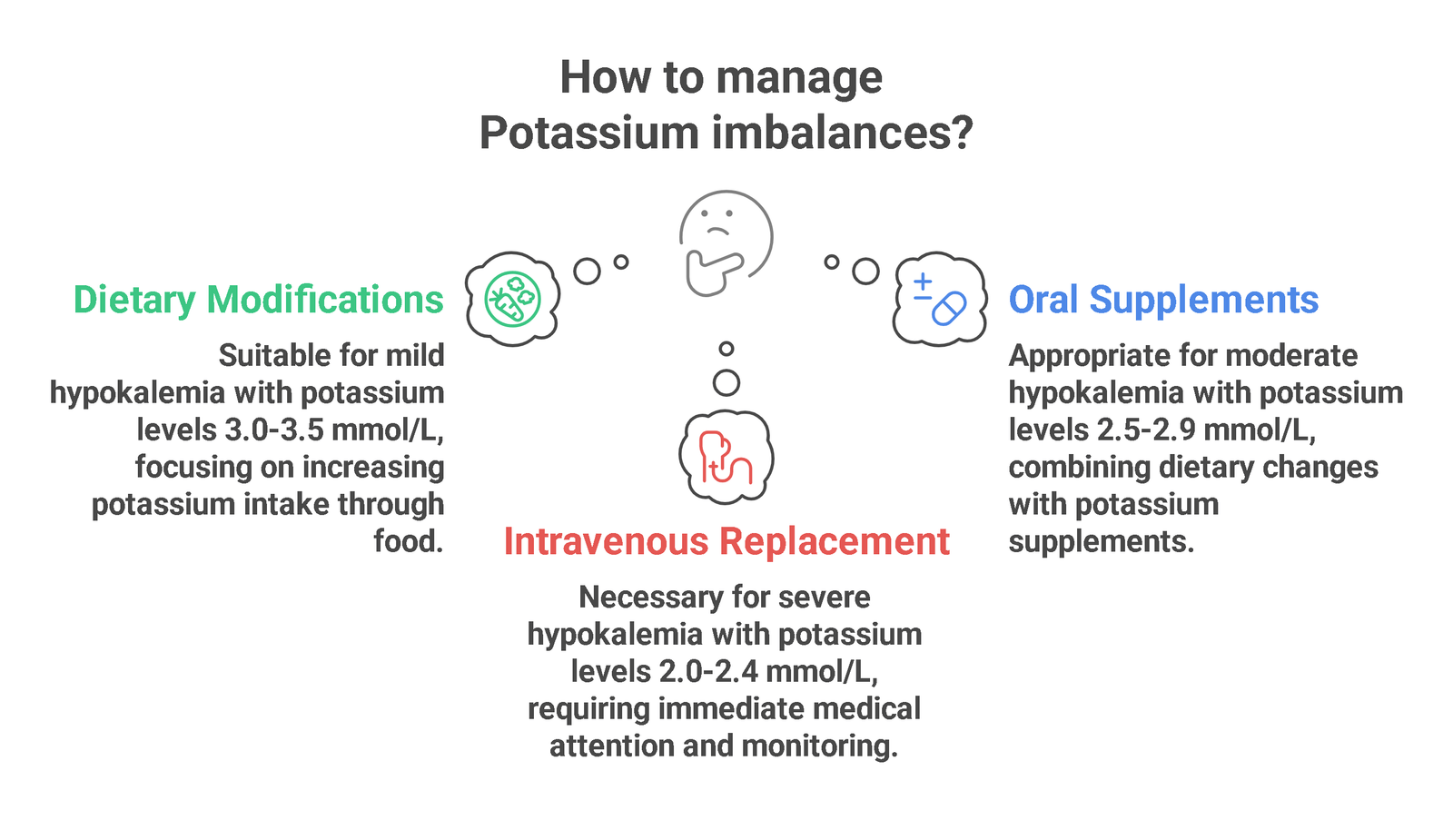
The management of potassium imbalances requires carefully tailored approaches based on severity, underlying causes, and individual patient factors. For hypokalemia (low potassium), treatment strategies vary according to deficit severity, with mild cases (potassium 3.0-3.5 mmol/L) often managed through dietary modifications alone. Encouraging consumption of potassium-rich foods becomes a foundational approach for these patients, with emphasis on fruits, vegetables, beans, and dairy products that naturally contain substantial potassium.


Moderate hypokalemia (potassium 2.5-2.9 mmol/L) typically requires more aggressive intervention, often combining dietary approaches with oral potassium supplements at doses ranging from 0.5-1.5 mmol/kg up to four times daily, or intravenous supplementation at rates of 0.1-0.25 mmol/kg/hour when oral administration proves insufficient. Severe hypokalemia (potassium 2.0-2.4 mmol/L) demands immediate medical attention with continuous cardiac monitoring and more intensive potassium replacement, often requiring higher-concentration intravenous solutions administered in settings capable of managing potential complications. Throughout treatment, identifying and addressing underlying causes remains essential, whether correcting gastrointestinal losses, adjusting medications, treating underlying endocrine disorders, or addressing nutritional deficiencies. Patient monitoring includes regular serum potassium measurements, cardiac monitoring in severe cases, fluid balance assessment, and observation for improvement of clinical symptoms that originally prompted evaluation.


Managing Hyperkalemia and Special Considerations

Hyperkalemia treatment focuses on urgent potassium reduction for cardiac protection while addressing underlying causes. While the search results don’t provide specific hyperkalemia treatments, standard approaches typically include calcium administration to temporarily stabilize cardiac membranes, insulin with glucose to drive potassium into cells, beta-agonist medications that similarly promote cellular potassium uptake, and dialysis in severe or refractory cases. Special considerations apply for specific patient populations with potassium imbalances. Patients with renal impairment require particular caution with both potassium supplementation and restriction, as their reduced excretory capacity narrows the therapeutic window for intervention. Heart failure patients demonstrate improved outcomes with potassium levels in the high-normal range (5.0-5.5 mmol/L), suggesting that management targets may differ from general populations. Patients taking medications that affect potassium balance—including ACE inhibitors, angiotensin receptor blockers, potassium-sparing diuretics, and certain immunosuppressants—require more frequent monitoring and individualized management approaches. Diabetic patients may experience potassium shifts related to insulin therapy and glucose control, necessitating coordinated management of both conditions. Throughout all interventions, the goal remains establishing and maintaining potassium homeostasis while avoiding overcorrection that could precipitate the opposite imbalance, demonstrating the careful balancing act required for optimal electrolyte management.


Outlook and Prevention Strategies

The outlook for individuals with potassium imbalances largely depends on severity, promptness of intervention, underlying causes, and individual factors such as age and comorbidities. Research demonstrates favorable outcomes with proper management, particularly when implemented before permanent organ damage occurs. Studies on heart failure patients reveal notably improved survival rates among those maintaining high-normal potassium levels, suggesting potential benefits from careful monitoring and optimization in vulnerable populations. Prevention strategies focus primarily on dietary adequacy, with evidence supporting the European Food Safety Authority’s recommendation of 3,500 mg (90 mmol) daily potassium intake for adults. This intake level has demonstrated beneficial effects on blood pressure while reducing stroke risk, indicating important cardiovascular preventive benefits. For children, recommendations vary by age, ranging from 800 mg daily for toddlers to the full adult recommendation for adolescents, reflecting their changing physiological needs during development. Pregnant women typically maintain the same potassium requirements as other adults, as physiological adaptations during pregnancy typically preserve potassium homeostasis despite increased demands. Lactating women require slightly higher intake at 4,000 mg daily to compensate for potassium lost through breast milk. Beyond dietary considerations, potassium balance maintenance includes regular medical monitoring for individuals with risk factors such as kidney disease, heart failure, or use of medications affecting potassium levels, which allows for early intervention before clinical manifestations develop.


Future Directions in Potassium Research and Management

Ongoing research continues exploring potassium’s broader health implications, with emerging evidence suggesting potential roles beyond traditional cardiovascular and neuromuscular functions. Studies investigating connections between potassium intake and bone health show promising results, with some research indicating that higher potassium consumption may help maintain bone mineral density by reducing calcium excretion. The relationship between potassium status and glucose metabolism represents another active research area, with preliminary evidence suggesting potassium’s involvement in insulin sensitivity and diabetes risk. Technological advances continue improving potassium monitoring capabilities, with development of continuous monitoring systems potentially allowing real-time assessment in high-risk patients. Personalized medicine approaches increasingly recognize that optimal potassium ranges may vary based on individual factors including genetics, comorbidities, and medication regimens. Future treatment strategies may include novel potassium binders with improved safety profiles for hyperkalemia management, expanded potassium supplementation options with better gastrointestinal tolerability for hypokalemia treatment, and innovative dietary approaches for maintaining optimal potassium balance. Public health initiatives increasingly emphasize dietary patterns supporting adequate potassium intake, such as the DASH (Dietary Approaches to Stop Hypertension) diet, which emphasizes fruits, vegetables, and other potassium-rich foods. These multifaceted developments suggest a progressively more sophisticated understanding of potassium’s physiological importance and improved management strategies for maintaining optimal levels throughout life.

Potassium stands as a fundamental electrolyte essential for numerous physiological functions, from neuromuscular activity to cardiovascular regulation. Its widespread distribution in foods—particularly fruits, vegetables, legumes, and certain animal products—typically allows for adequate intake through balanced nutrition. However, various factors including medical conditions, medications, and extreme losses can disrupt this delicate balance, leading to either deficiency (hypokalemia) or excess (hyperkalemia), both carrying significant health consequences. Understanding potassium’s critical role illuminates why maintaining proper levels proves so important, with research demonstrating clear connections between optimal potassium status and improved cardiovascular outcomes, particularly regarding blood pressure regulation and stroke prevention. The management of potassium imbalances requires carefully individualized approaches based on severity, underlying causes, and patient-specific factors, with treatments ranging from dietary modifications to intensive medical interventions depending on clinical presentation. Future research directions continue expanding our understanding of potassium’s multifaceted physiological roles, potentially uncovering additional health implications and refining management strategies. As scientific knowledge advances, the fundamental message remains clear: maintaining appropriate potassium balance through diet, medication management, and medical monitoring when necessary represents an important aspect of overall health maintenance with implications for multiple body systems and long-term wellbeing.

Potassium: Essential Mineral for Optimal Health and Bodily Functions Read More »

Is Mushroom Coffee Worth the Hype?

Mushroom coffee has emerged as one of the most talked-about wellness trends, combining the familiar comfort of coffee with the potential health benefits of medicinal mushrooms. This unique beverage has captured significant attention on social media platforms and gained traction among health enthusiasts looking for alternatives to their regular caffeine fix. The growing popularity is evident in market projections, with the current $2 billion mushroom coffee market expected to nearly double by 2030, and search interest increasing by 207% in just the past year. But beneath the buzz and marketing claims, what’s the real story behind this fungi-infused brew? This comprehensive analysis explores whether mushroom coffee truly deserves its place in your morning routine.


Understanding Mushroom Coffee

Mushroom coffee is exactly what it sounds like—a beverage that combines traditional coffee with extracts from medicinal mushrooms. However, don’t worry about finding floating mushroom pieces in your morning cup. This unique drink is created by blending regular coffee beans with dried mushroom extracts, resulting in a beverage that maintains much of coffee’s familiar flavor profile while potentially offering additional health properties.


The concept builds on centuries-old wellness practices, particularly from Asian countries where herbs and mushrooms have long been used for their therapeutic properties. These functional mushrooms fall into a category known as “adaptogens,” substances believed to help the body adapt to stressors and maintain equilibrium in challenging situations. The most commonly used varieties in mushroom coffee include Lion’s Mane, known for cognitive support; Chaga, prized for immune system benefits; Reishi, valued for relaxation properties; and Cordyceps, associated with energy enhancement.


Unlike the culinary mushrooms you might add to your pasta sauce or stir-fry, medicinal mushrooms are specifically consumed for their potential health effects rather than primarily as food. These functional mushrooms are typically dried and processed into powder form or extracts before being incorporated into coffee blends.


The Production Process

The creation of mushroom coffee involves several careful steps to ensure quality and efficacy. The process begins with sourcing high-quality coffee beans, often selected for their rich flavor profiles and sustainability credentials. These beans serve as the foundation for the mushroom coffee blend, providing the familiar coffee taste that consumers expect.

In parallel, medicinal mushrooms are harvested and undergo meticulous processing. After collection, the mushrooms are carefully dried to preserve their beneficial compounds. Once thoroughly dried, they’re ground into a fine powder, which concentrates their bioactive components in a form that can be easily mixed with coffee.

The next crucial step involves blending the ground coffee beans and mushroom powder in precise ratios. Many commercial products aim for a balanced formulation, often using equal parts coffee and mushroom powder to achieve optimal taste while delivering mushroom benefits. After blending, the mixture undergoes roasting, a process that develops the flavor of the coffee beans while preserving the delicate properties of the medicinal mushrooms.

The result is a product that looks similar to regular ground coffee but contains a significant portion of mushroom extract. When brewed, it produces a beverage that retains coffee’s familiar characteristics while incorporating the potential health benefits of functional mushrooms.


The Caffeine Advantage

One of the most significant differences between mushroom coffee and regular coffee is the caffeine content. Since the mushrooms themselves don’t contain caffeine, they act as a natural diluent, reducing the overall caffeine concentration in the final beverage. In practical terms, mushroom coffee typically contains approximately half the caffeine of traditional coffee.

To put this in perspective, a standard 8-ounce cup of black coffee contains between 95-200mg of caffeine, while the same size serving of mushroom coffee generally provides only 50-100mg. This places mushroom coffee in an interesting middle ground—more stimulating than decaf coffee (which contains only 2-12mg per cup) but significantly less intense than regular coffee.

This reduced caffeine profile offers potential advantages for certain consumers. People who experience anxiety, jitteriness, or sleep disturbances from regular coffee might find mushroom coffee provides a gentler energy boost without the accompanying side effects. The lower caffeine content may also benefit those looking to reduce their caffeine dependency while still enjoying a warm, energizing morning beverage.

Specific brands like Four Sigmatic and Jajo Mushroom Coffee promote products containing approximately 50mg of caffeine per serving, which is comparable to the caffeine content in a 12-ounce can of soda or a small dark chocolate bar.


Potential Health Benefits

Proponents of mushroom coffee highlight numerous potential health advantages beyond simply reducing caffeine intake. The functional mushrooms incorporated into these beverages have generated interest for their various bioactive compounds that may support wellness in multiple ways.


Immune system support ranks among the most frequently cited benefits. Mushrooms contain beneficial compounds with significant antioxidant properties that may help strengthen immune function. These antioxidants help combat free radicals in the body, potentially reducing inflammation and supporting overall cellular health.


The adaptogenic qualities of these mushrooms also receive considerable attention. Studies suggest that adaptogens like those found in reishi and chaga mushrooms may help regulate the body’s stress response by affecting cortisol levels. For individuals navigating high-stress environments, this potential benefit could contribute to better stress management and overall resilience.

Cognitive function represents another area where mushroom coffee might offer advantages. Lion’s Mane mushroom, in particular, has been studied for its potential neuroprotective properties and ability to support brain health. Some research suggests it may help enhance focus and mental clarity, potentially making it beneficial for productivity and concentration.


For fitness enthusiasts, cordyceps mushrooms present intriguing possibilities. Traditionally used to enhance athletic performance, these fungi may support stamina and potentially aid in post-workout recovery. Additionally, the fiber content in mushrooms contributes to gut health, with registered dietitian Naria Le Mire noting that “mushrooms are foods that not only have fiber, but also have a positive effect on the gut microbiome”.


While these potential benefits sound promising, it’s important to note that scientific research on mushroom coffee specifically remains limited. Many of the proposed advantages derive from studies on individual mushroom species rather than the combined product with coffee. More clinical trials are needed to fully substantiate health claims, particularly regarding mushroom supplementation through coffee.


Potential Downsides and Considerations

Despite its promising attributes, mushroom coffee isn’t without potential drawbacks that consumers should consider before making the switch. Most side effects are mild and uncommon, but being aware of them helps make an informed decision.


Digestive discomfort represents one possible concern. Mushrooms contain a fiber called chitin that some people may find difficult to digest, potentially leading to bloating and gastrointestinal discomfort in sensitive individuals. This reaction varies significantly between people, with many consumers experiencing no digestive issues whatsoever.

Though mushroom coffee contains less caffeine than regular coffee, it’s not caffeine-free unless specifically labeled as such. Individuals particularly sensitive to caffeine might still experience effects like anxiety, muscle tension, or jitteriness even from the reduced amount. For those with severe caffeine sensitivity, even mushroom coffee might be problematic without selecting specifically decaffeinated versions.


Certain mushroom varieties come with specific considerations. For example, chaga mushrooms contain high levels of compounds called oxalates, which could potentially increase the risk of kidney stones when consumed excessively. Chaga also contains a protein that affects blood clotting, making it potentially unsuitable for individuals with clotting disorders or those scheduled for surgery.


Potential medication interactions represent another consideration. Some mushroom varieties may interact with certain medications, particularly blood thinners, immunosuppressants, or drugs metabolized by specific liver enzymes. Individuals taking prescription medications should consult healthcare providers before incorporating mushroom coffee into their regular routine.


The Taste Experience

A common concern for coffee enthusiasts considering the switch to mushroom coffee involves taste. Many wonder if adding fungal extracts will dramatically alter the flavor they’ve come to enjoy. Surprisingly, most reports indicate that mushroom coffee tastes remarkably similar to regular coffee.


While mushroom coffee may have a slightly nuttier or earthier undertone compared to traditional coffee, the difference is generally subtle rather than dramatic. As registered dietitian Beth Czerwony explains, “Interestingly enough, mushroom coffee tastes pretty similar to regular coffee. It is, after all, coffee with mushroom extracts blended in”.


The specific flavor profile can vary between brands and formulations, with some products emphasizing the earthiness more than others. For those particularly sensitive to taste differences, starting with a blend that uses a smaller percentage of mushroom extract might provide an easier transition before moving to more mushroom-forward products.


The Bottom Line: Is Mushroom Coffee Worth It?

When evaluating whether mushroom coffee lives up to its hype, the answer, like many nutrition questions, depends on individual circumstances, preferences, and goals. For some consumers, mushroom coffee represents a valuable addition to their wellness routine, while others might find the benefits don’t justify the typically higher price point compared to regular coffee.


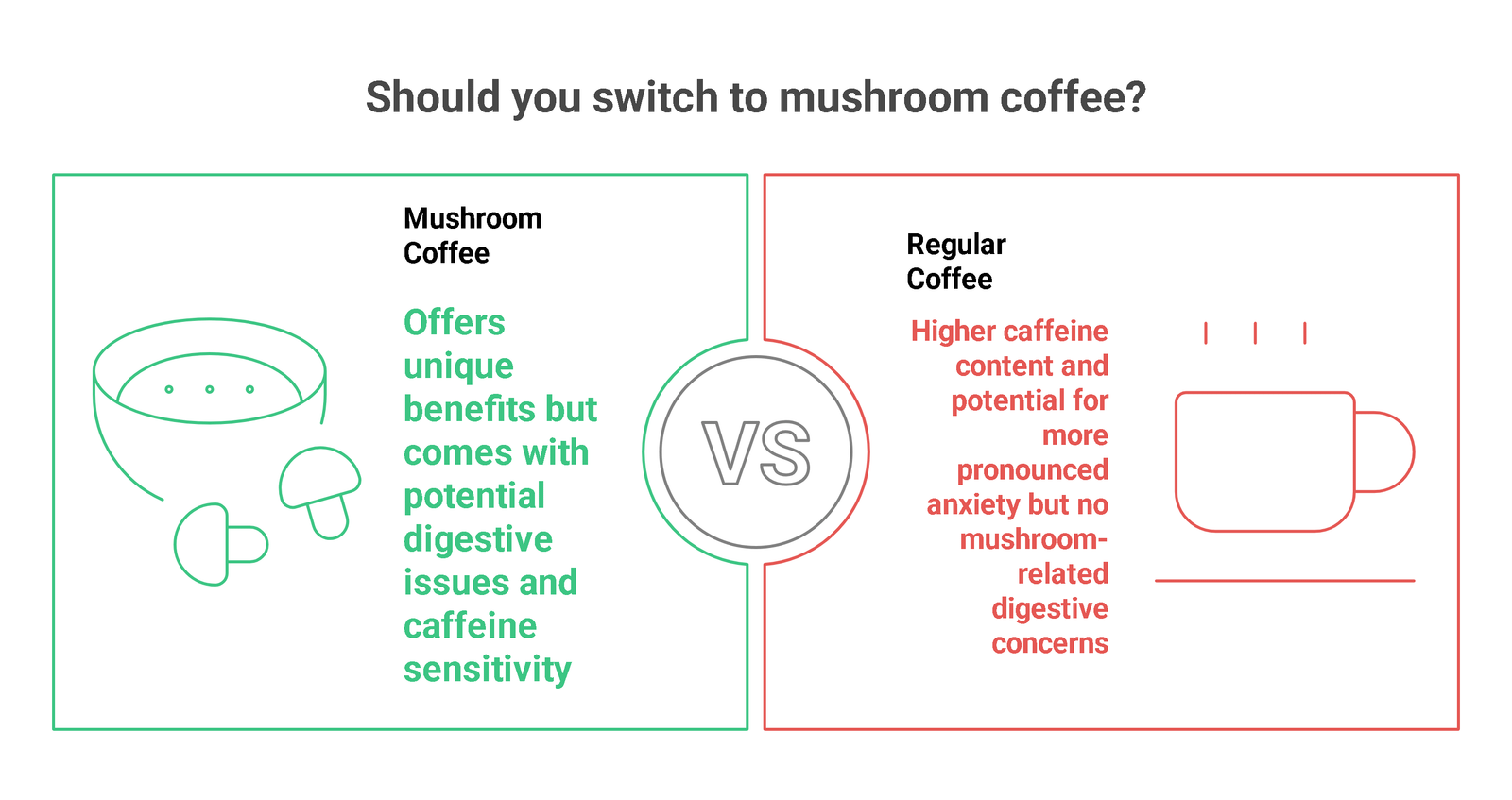
Mushroom coffee offers a particularly compelling option for those looking to reduce caffeine consumption without eliminating coffee entirely. The approximately 50% reduction in caffeine content provides a middle ground that can help mitigate jitters and sleep disruptions while still delivering an energy boost. This makes it especially relevant for individuals sensitive to caffeine or those trying to moderate their intake.


The potential health benefits, while still requiring more robust scientific validation, align with growing interest in functional foods that support wellness beyond basic nutrition. The adaptogenic properties may be particularly valuable for those experiencing chronic stress, while the antioxidant content could complement other immune-supporting dietary choices.


However, traditional coffee already offers numerous health benefits, including antioxidants and potential protective effects against certain diseases. The question becomes whether the added mushroom extracts provide enough additional value to justify the higher cost and potential adjustment in taste, even if minimal.


For individuals with specific health concerns that align with the purported benefits of medicinal mushrooms—such as stress management, immune support, or cognitive function—mushroom coffee might offer a convenient way to incorporate these functional ingredients into an existing routine. Rather than requiring additional supplements or dramatic dietary changes, it modifies a habit many already maintain.


In conclusion, mushroom coffee represents an intriguing option in the evolving landscape of functional beverages. While it may not revolutionize health outcomes, it offers a thoughtful alternative to traditional coffee with potential wellness benefits and reduced caffeine content. As with any trending product, approaching the claims with healthy skepticism while remaining open to the genuine benefits represents the most balanced approach. For those curious about mushroom coffee, starting with a small quantity from a reputable brand allows for personal assessment of both taste preferences and subjective effects before committing to a complete switch from conventional coffee.


Mushroom coffee offers an innovative approach to morning beverages that balances tradition with wellness-focused innovation. By combining familiar coffee with functional mushroom extracts, it creates a drink that potentially delivers multiple benefits while maintaining the ritual and experience coffee lovers enjoy. While scientific research continues to evolve regarding its specific health claims, the reduced caffeine content alone makes it worth consideration for many consumers.


Whether mushroom coffee deserves its current popularity ultimately depends on individual priorities, sensitivities, and wellness goals. For those intrigued by its potential benefits, it represents a relatively low-risk modification to an existing habit that might contribute positively to overall well-being. As with most nutrition and wellness trends, moderation, quality sourcing, and personal experimentation remain the most reliable guides to determining whether mushroom coffee deserves a permanent place in your morning routine.

Is Mushroom Coffee Worth the Hype? Read More »

What are the best herbal alternatives to antidepressants?

Depression affects millions of people worldwide, and while conventional antidepressant medications remain the standard treatment for many, a significant number of individuals seek natural alternatives due to concerns about side effects, medication costs, or personal preferences for holistic approaches. Research into herbal remedies for depression has expanded significantly over the past few decades, providing valuable insights into effective natural options. This comprehensive examination explores the most promising herbal alternatives to conventional antidepressants, evaluating their efficacy, safety profiles, and scientific backing. Current evidence suggests that certain herbs like St. John’s wort, Rhodiola rosea, and various traditional Chinese herbal formulations may offer relief for some individuals with mild to moderate depression, though their effectiveness varies and they should be used with appropriate medical supervision.


St. John’s Wort: The Most Studied Herbal Antidepressant

St. John’s wort (Hypericum perforatum) stands as perhaps the most extensively researched herbal remedy for depression, with a history of medicinal use stretching back centuries. This flowering plant with distinctive yellow blooms native to Europe and Asia has garnered significant scientific attention for its potential antidepressant properties. The herb has been the subject of approximately 40 published clinical trials, including numerous direct comparisons with both tricyclic antidepressants (TCAs) and selective serotonin reuptake inhibitors (SSRIs). These comprehensive studies have helped establish its place in the treatment landscape for depression.


Early clinical research, conducted primarily in Europe, demonstrated that St. John’s wort was more effective than placebo and comparable to tricyclic antidepressants, particularly for milder forms of depression. This initial wave of positive findings helped propel St. John’s wort into mainstream awareness as a potential natural alternative. Beyond major depression, some studies have indicated potential benefits for seasonal affective disorder and menopausal symptoms, suggesting broader applications for this herbal remedy. However, it’s worth noting that many of these early studies had methodological limitations, including short durations and inconsistent diagnostic criteria.
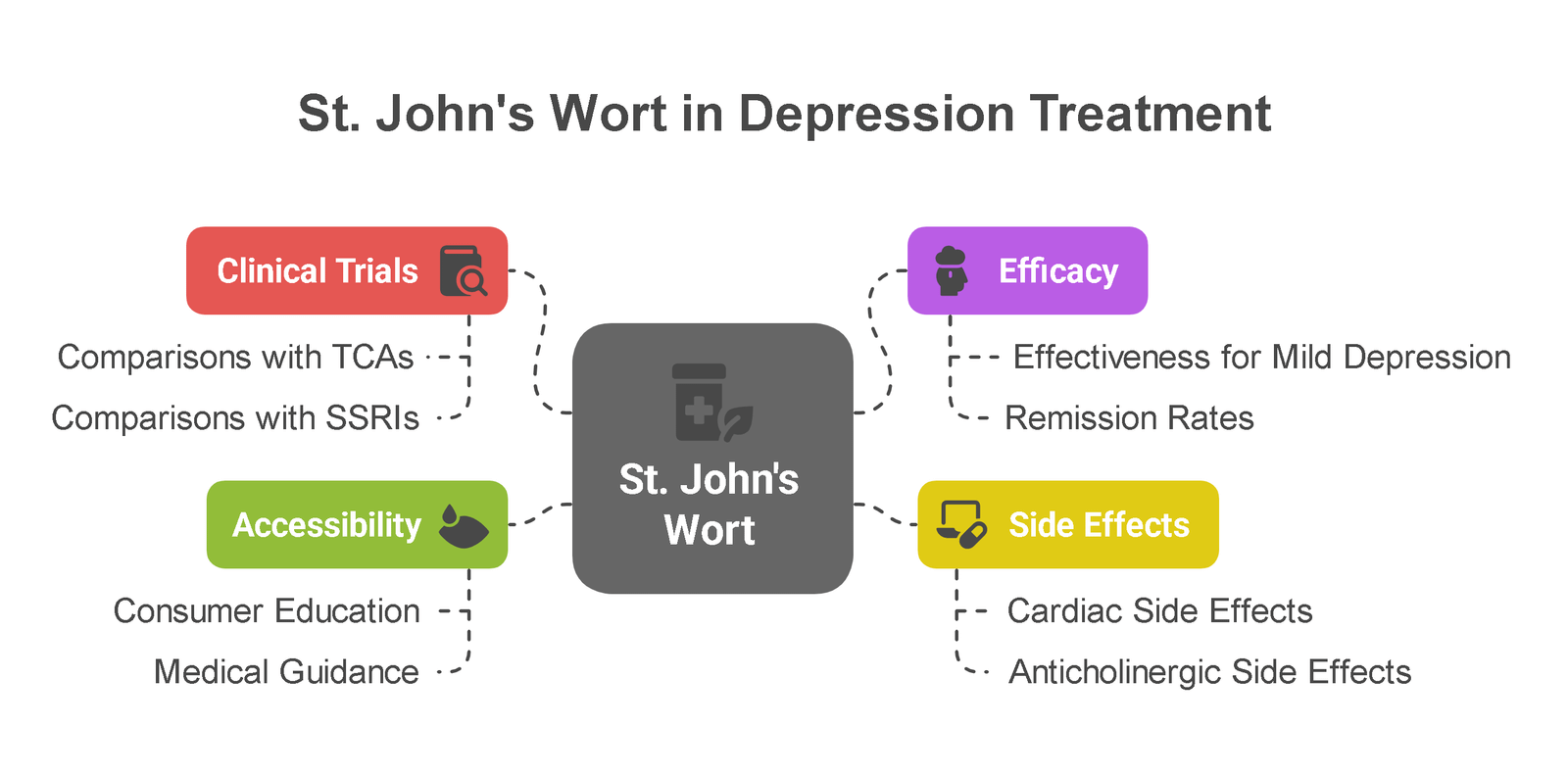


More recent and rigorous investigations have produced mixed results regarding St. John’s wort’s efficacy. Some comparative studies found St. John’s wort performed comparably to fluoxetine and sertraline, two commonly prescribed SSRIs. However, other trials comparing St. John’s wort to sertraline, fluoxetine, and placebo found no advantage for either medication in treating moderately severe major depressive disorder. Interestingly, upon closer examination, some data suggest that remission rates may actually be higher for St. John’s wort, and it may be particularly effective for individuals with less severe depression. This nuanced finding highlights the importance of considering depression severity when evaluating treatment options.


According to a review of the existing literature, St. John’s wort appears to be a safe and effective alternative in depression treatment. While traditional antidepressants like tricyclic antidepressants and monoamine oxidase inhibitors can produce serious cardiac side effects such as tachycardia and postural hypotension, along with anticholinergic side effects like dry mouth and constipation, St. John’s wort has proven to be largely free of these concerning adverse effects. This favorable side effect profile makes it particularly appealing for many patients who cannot tolerate conventional medications.


Despite its promising profile, it’s essential to recognize that St. John’s wort is available over-the-counter in many countries, which creates potential for misuse if not fully understood. While it appears to be an acceptable alternative to traditional antidepressant therapy based on existing research, larger-scale trials are still warranted to fully establish its place in depression treatment. The accessibility of this herbal remedy highlights the need for consumer education and medical guidance, even with natural approaches.


Rhodiola Rosea: A Promising Adaptogenic Herb

Rhodiola rosea, an adaptogenic herb that grows in the cold, mountainous regions of Europe and Asia, has emerged as another promising botanical intervention for depression. Unlike some other herbal remedies that have been used for centuries specifically for mood disorders, Rhodiola has traditionally been valued for its ability to increase physical endurance, work performance, and resilience to various stressors. More recently, researchers have begun to investigate its potential specific benefits for depression, revealing interesting results that position it as a viable option for some individuals.

A notable clinical trial compared Rhodiola rosea directly with sertraline (Zoloft), a commonly prescribed SSRI antidepressant, and placebo in treating mild to moderate major depressive disorder. The 12-week study found modest reductions in depression scores across all treatment conditions, including placebo. While sertraline demonstrated a slightly greater reduction in Hamilton Depression Rating scores (-8.2) compared to Rhodiola (-5.1) and placebo (-4.6), these differences did not reach statistical significance, suggesting comparable overall efficacy. However, the findings revealed an important distinction in the treatments’ risk-benefit profiles that merits consideration.
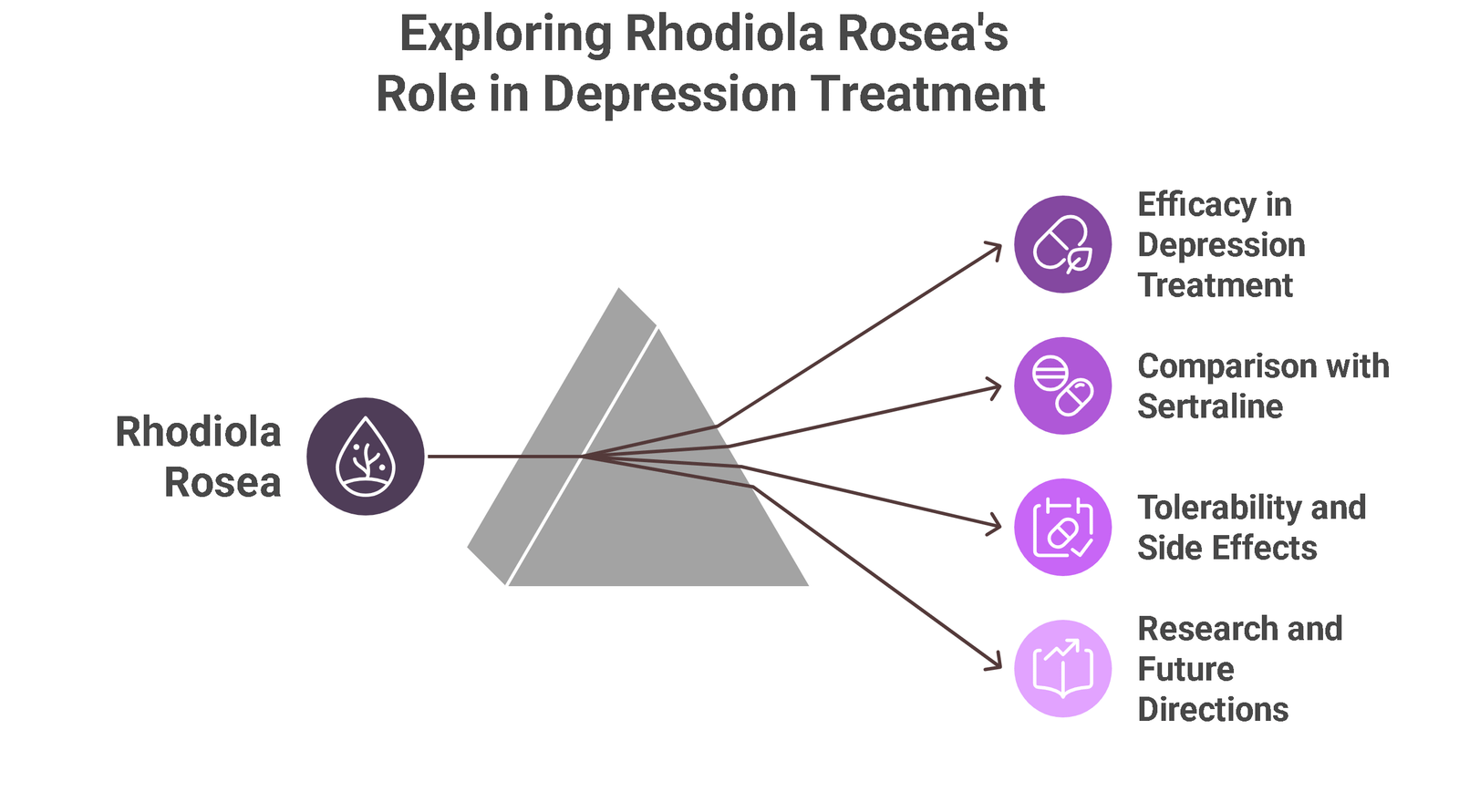


What makes Rhodiola particularly noteworthy is its superior tolerability compared to conventional antidepressants. The study found that significantly fewer subjects taking Rhodiola reported adverse events (30.0%) compared to those taking sertraline (63.2%). This substantial difference in side effect burden suggests that while Rhodiola may produce a somewhat smaller antidepressant effect than sertraline, it offers a more favorable risk-to-benefit ratio for many individuals with mild to moderate depression. Such findings are particularly relevant for patients who prioritize minimizing side effects or who have previously discontinued conventional antidepressants due to tolerability issues.


The researchers concluded that although Rhodiola rosea produced less antidepressant effect compared to sertraline, it resulted in significantly fewer adverse events and was better tolerated overall. This suggests that Rhodiola may represent a valuable option within the spectrum of depression treatments, particularly for those with milder symptoms or individuals who cannot tolerate the side effects of conventional medications. The adaptogenic properties of the herb may provide additional benefits beyond direct antidepressant effects, potentially helping individuals manage stress more effectively while addressing depressive symptoms.


While promising, research on Rhodiola for depression remains in relatively early stages compared to more extensively studied herbs like St. John’s wort. Further investigations are needed to determine optimal dosing, identify which specific depression subtypes might respond best to this herb, and understand its long-term efficacy and safety. Nevertheless, the existing evidence suggests that Rhodiola rosea deserves consideration as part of the arsenal of natural approaches to depression management, particularly when tolerability is a primary concern.


Traditional Chinese Herbal Formulations for Depression

Traditional Chinese medicine (TCM) offers a distinctly different approach to treating depression compared to Western pharmacology, utilizing complex herbal formulations that have been refined over thousands of years. Rather than focusing on single active compounds, TCM employs combinations of herbs designed to work synergistically to restore balance within the body. Several Chinese herbal formulations have demonstrated promising results for depression treatment, supported by both clinical trials and mechanistic studies investigating their neurobiological effects.


Chaihu Shugan San, a traditional formula first documented in the Chinese medical classic “Jingyue Quanshu” from 1640, consists of seven Chinese herbs including Bupleurum chinense, Citrus reticulata, Paeonia lactiflora, and others. According to TCM theory, this formula works by relieving liver-qi stagnation caused by emotional distress. Modern research has begun to validate its efficacy through systematic evaluation. A meta-analysis including 10 studies with 835 depressed patients found that Chaihu Shugan San significantly decreased Hamilton Depression Rating Scale scores. When combined with conventional antidepressants, it demonstrated greater efficacy than antidepressants alone and yielded higher effectiveness and recovery rates. Proteomics studies suggest its antidepressant effects may involve multiple targets and pathways, potentially regulating 110 differentially expressed proteins and neurotransmitter transmission cycles.
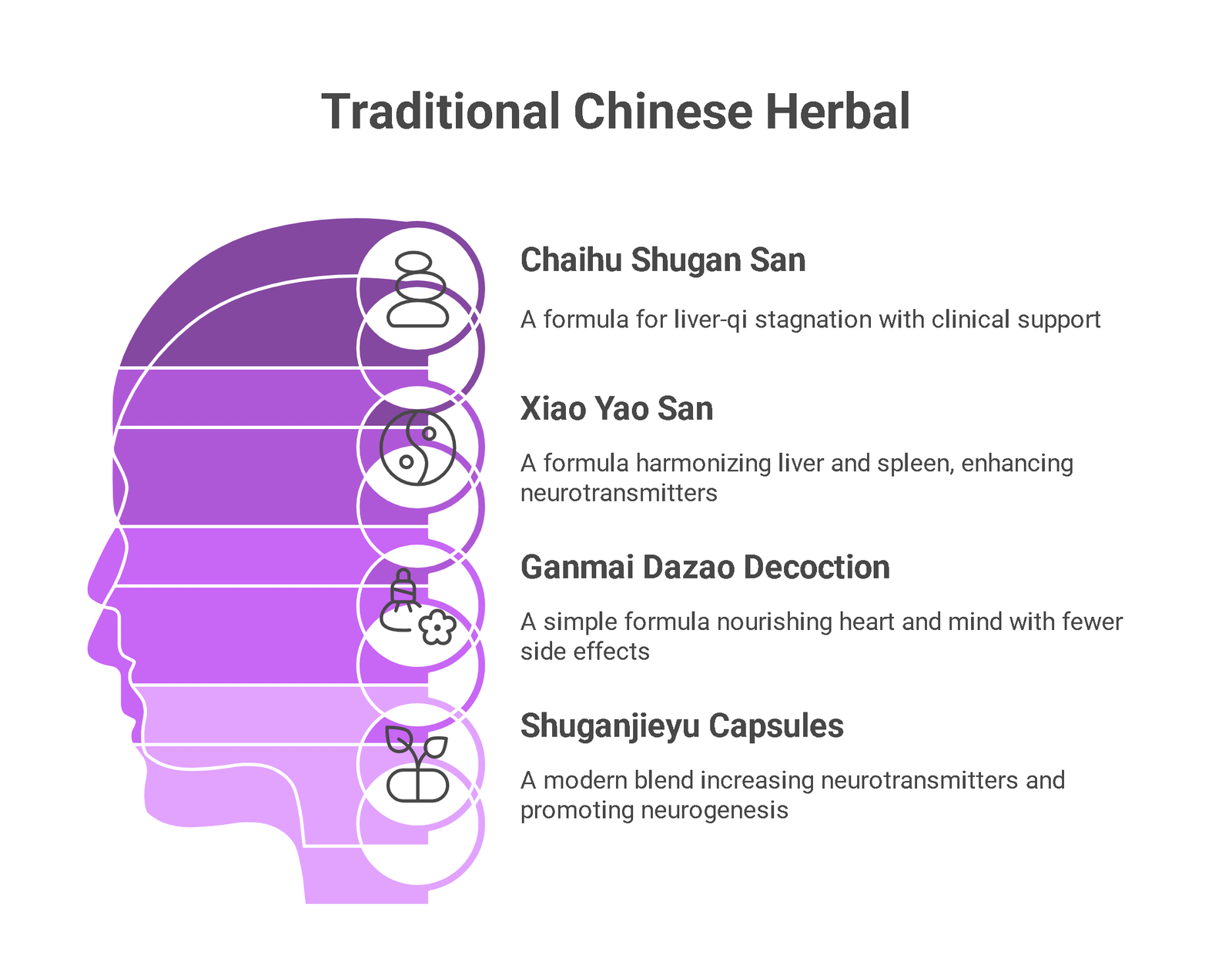
Xiao Yao San represents another important TCM formula for depression, consisting of eight herbs including Paeonia lactiflora, Bupleurum chinense, and Angelica sinensis. According to traditional theory, this formula harmonizes the liver and spleen, soothes the liver, and relieves depression. From a modern perspective, research suggests it may increase serotonin and dopamine levels, inhibit hyperactivity of the hypothalamic-pituitary-adrenal axis, and upregulate brain-derived neurotrophic factor (BDNF). These mechanisms parallel some of the neurobiological targets of conventional antidepressants but approach them through multiple pathways simultaneously, which may offer advantages for certain patients.


Ganmai Dazao decoction, first documented in Jin Gui Yao Lue from 1066, provides a simpler formula consisting of just three ingredients: Glycyrrhiza uralensis, Triticum aestivum, and Ziziphus jujube in a ratio of 3:5:5. Today, it remains one of the most commonly used herbal formulas for depression in China. A meta-analysis examining its efficacy found it comparable to conventional antidepressants in terms of effects on depression scores, yet with fewer adverse events. Animal studies suggest its mechanism may be modulated by 5-HT1a and GABA receptors, providing a scientific basis for its traditional use in “nourishing the heart and tranquilizing the mind.”


Shuganjieyu capsules, a modern patented Chinese herbal medicine, combines two primary ingredients: Hypericum perforatum (St. John’s wort) and Acanthopanax senticosus. This formulation represents an interesting bridge between traditional Chinese and Western herbal approaches to depression. Research suggests it may increase levels of serotonin, norepinephrine, and dopamine, increase expression of BDNF, and promote neurogenesis. These mechanisms align closely with those of conventional antidepressants while potentially offering a more comprehensive approach through the synergistic effects of multiple bioactive compounds.


While these Chinese herbal formulations show promise, research quality remains a limiting factor. Many studies are published exclusively in Chinese, use varying methodologies, and may have high risk of bias. Nevertheless, the emerging evidence suggests these traditional formulations deserve further investigation through rigorous, well-designed clinical trials that meet international standards. Their multi-target approach may ultimately offer valuable alternatives or complements to single-compound pharmaceutical interventions for depression.


Valerian: Beyond Anxiety and Sleep Disorders

Though primarily recognized for its benefits in addressing insomnia and anxiety, Valerian (Valeriana officinalis) has shown potential applications for depression, particularly when mood disorders co-occur with sleep disturbances. This perennial flowering plant has been employed as a medicinal herb for over a millennium, with its roots containing active compounds that appear to affect the central nervous system in ways that promote relaxation and emotional stability. Understanding Valerian’s broader psychological effects provides insight into its potential role as a complementary approach for certain depressive symptoms.


Valerian contains numerous active ingredients, including valepotriates and sesquiterpenes, which may function similarly to benzodiazepines or barbiturates through GABA-ergic activity. This mechanism helps explain its primary calming and sedative effects. Over 40 published controlled trials have investigated Valerian’s effects in both healthy participants and symptomatic individuals, with many suggesting efficacy comparable to benzodiazepines but with fewer side effects and no apparent development of tolerance. Such findings position Valerian as a gentler alternative to conventional anxiolytics and hypnotics, which may be particularly valuable for depressed patients experiencing anxiety or insomnia.
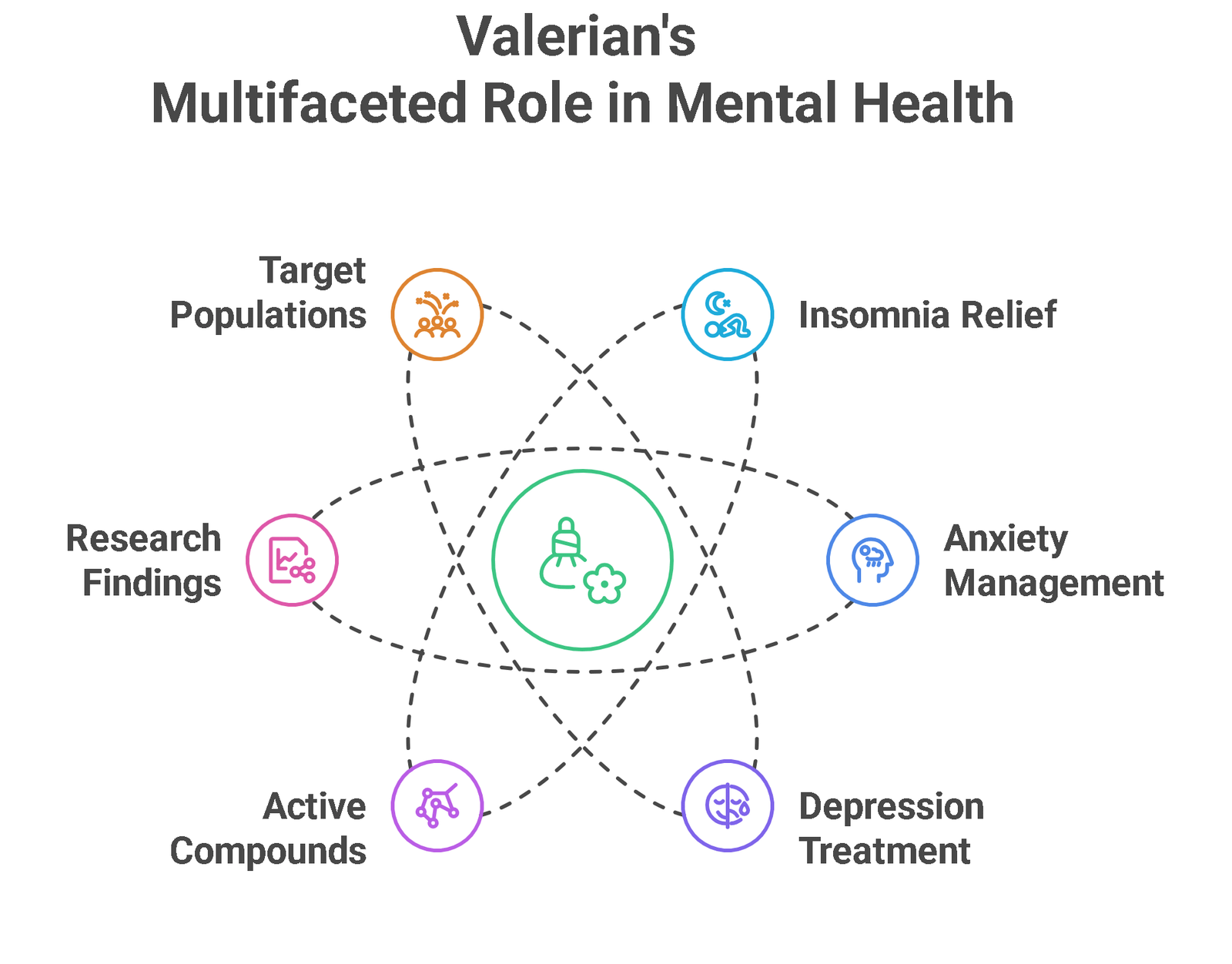


Research indicates that Valerian may be beneficial across diverse populations, including children, elderly individuals, and menopausal women. One small study specifically suggested benefits in treating obsessive-compulsive disorder (OCD), a condition that frequently co-occurs with depression. Additionally, its effectiveness in addressing insomnia in postmenopausal women highlights its potential utility in addressing sleep disturbances that often accompany and exacerbate depressive symptoms. By improving sleep quality, Valerian may indirectly help alleviate certain aspects of depression.


Recommended doses of Valerian typically range from 450-600 mg before bedtime, with no apparent increased benefit from higher doses. Importantly, research suggests that Valerian tends to promote natural sleep patterns after a few weeks of regular use, rather than providing immediate relief for acute insomnia. This gradual onset of action differentiates it from many pharmaceutical sleep aids and suggests it may be better suited for long-term management of chronic sleep issues associated with depression.


Despite these promising attributes, it’s important to note that meta-analyses and systematic reviews have yielded inconsistent findings regarding Valerian’s efficacy. One possible explanation for these mixed results involves methodological challenges, including the powerful smell of Valerian that can potentially unmask study participants and compromise blinding in clinical trials. More recent studies have attempted to address this limitation by adding inactive ingredients with similar aromas to placebos, potentially yielding more reliable results.


While Valerian may not directly target the core neurobiological mechanisms of depression in the same way as dedicated antidepressants, its ability to address comorbid anxiety and sleep disturbances makes it a valuable consideration in the holistic management of mood disorders. For individuals whose depression manifests with prominent sleep disruption or anxiety components, Valerian may serve as a useful adjunctive therapy alongside more directly antidepressant interventions, whether conventional or herbal in nature.


Comparative Efficacy and Safety Considerations

When considering herbal alternatives to conventional antidepressants, understanding their relative efficacy and safety profiles is essential for making informed treatment decisions. Each natural remedy presents a unique balance of potential benefits and risks that must be carefully weighed against both conventional pharmaceuticals and other herbal options. This comparative analysis helps contextualize the place of herbal interventions within the broader landscape of depression treatment approaches.


St. John’s wort has demonstrated the most robust evidence base among herbal antidepressants, with numerous clinical trials suggesting efficacy comparable to conventional antidepressants for mild to moderate depression. Its side effect profile appears significantly more favorable than many pharmaceutical options, with lower rates of the common adverse effects that plague conventional treatments. However, St. John’s wort carries important drug interaction concerns due to its effects on cytochrome P450 enzymes, potentially affecting the metabolism of numerous medications including oral contraceptives, anticoagulants, and certain cancer drugs. This interaction potential necessitates careful consideration when combining St. John’s wort with other treatments.


Rhodiola rosea presents a different risk-benefit equation, offering somewhat more modest antidepressant effects than conventional medications but with a substantially reduced side effect burden. In direct comparison with sertraline, Rhodiola demonstrated fewer adverse events (30.0% vs. 63.2%), suggesting it may be preferable for individuals who prioritize tolerability over maximum efficacy. This makes Rhodiola particularly suitable for milder forms of depression where the risk-benefit calculation might favor a gentler approach with fewer side effects, even if the antidepressant effect is somewhat less pronounced.


Traditional Chinese herbal formulations like Chaihu Shugan San and Xiao Yao San appear to offer efficacy comparable to conventional antidepressants based on available research, particularly when used as adjunctive treatments. Their complex compositions targeting multiple pathways simultaneously may provide advantages for certain patients, though the variability in formulation and quality control presents challenges for consistent clinical application. Safety profiles of these traditional formulations generally appear favorable, with fewer reported adverse events than conventional antidepressants, though rigorous long-term safety studies remain limited.


Valerian, while not primarily an antidepressant, may provide valuable complementary benefits for depression accompanied by anxiety or insomnia. Its safety profile appears excellent, with minimal side effects reported across numerous studies. However, its limited direct antidepressant action means it’s best considered as an adjunctive treatment rather than a primary intervention for major depression. The absence of significant drug interactions with most medications (unlike St. John’s wort) makes Valerian a relatively safe addition to more comprehensive treatment regimens.


An important consideration across all herbal interventions is the issue of standardization and quality control. Unlike pharmaceutical antidepressants, which contain precise amounts of active ingredients, herbal preparations can vary significantly in potency and composition depending on growing conditions, harvesting methods, extraction processes, and manufacturing standards. This variability contributes to inconsistent research findings and unpredictable clinical responses, highlighting the importance of selecting high-quality, standardized products from reputable sources when pursuing herbal approaches to depression.


The decision to use herbal alternatives should also consider the severity of depression. While evidence supports certain herbs for mild to moderate depression, severe depression with suicidal ideation generally requires conventional medical intervention. Additionally, the slower onset of action for many herbal remedies (often weeks rather than days) must be factored into treatment planning, particularly for patients experiencing acute distress requiring rapid symptom relief.


Integrating Herbal Approaches into Depression Treatment

Effectively incorporating herbal remedies into depression management requires thoughtful integration with conventional medical care rather than an either/or approach. The growing body of evidence supporting certain herbal interventions creates opportunities for more personalized, multimodal treatment strategies that may combine the best elements of both conventional and complementary approaches. Understanding how to navigate this integration responsibly can help maximize benefits while minimizing risks for individuals with depression.


Communication with healthcare providers represents the cornerstone of safe herbal medicine use. Many patients fail to disclose their use of herbal supplements to physicians, creating potential for harmful interactions or suboptimal treatment planning. Establishing open dialogue about all treatments—conventional and complementary—allows for proper monitoring of efficacy and safety. Healthcare providers with knowledge of both conventional and herbal approaches can offer valuable guidance on potential interactions, appropriate dosing, and quality product selection. This collaborative approach ensures that herbal remedies complement rather than conflict with other aspects of depression treatment.


Recognizing the appropriate applications for different herbal interventions is crucial for successful integration. For mild to moderate depression, herbs like St. John’s wort may serve as primary interventions with efficacy comparable to conventional medications but fewer side effects. For more severe depression, herbal remedies might better function as adjunctive treatments alongside conventional antidepressants, potentially allowing for lower pharmaceutical doses or addressing specific symptom clusters not fully resolved by medication alone. Chinese herbal formulations like Chaihu Shugan San have demonstrated particular promise as adjunctive treatments, enhancing the efficacy of conventional antidepressants when used in combination.


The timing of therapeutic effects represents another important consideration in treatment planning. Most herbal antidepressants, like their pharmaceutical counterparts, require several weeks of consistent use before achieving maximum benefit. St. John’s wort typically requires 4-6 weeks for full effect, similar to conventional SSRIs. Valerian often needs regular use for a few weeks before noticeably improving sleep patterns. This delayed onset necessitates patience and persistence, along with interim strategies to manage symptoms during the initial treatment period. Combining faster-acting interventions like psychotherapy, stress reduction techniques, or short-term conventional medications with longer-term herbal approaches may provide more comprehensive symptom management across different timeframes.


Quality and standardization considerations significantly impact treatment outcomes with herbal interventions. Research studies typically use standardized extracts with consistent levels of presumed active compounds—for example, St. John’s wort standardized to hypericin or hyperforin content, or Rhodiola standardized to rosavin and salidroside concentrations. Consumers seeking similar benefits should select products that specify standardization to these compounds and are manufactured by reputable companies that adhere to good manufacturing practices. Third-party testing verification provides additional assurance of product quality and accuracy of labeling.


While this article focuses on herbal approaches, it’s worth noting that comprehensive depression management typically extends beyond pharmacological interventions, whether conventional or herbal. Psychotherapy, lifestyle modifications, stress management techniques, and social support all play crucial roles in recovery from depression. Herbal remedies may work best when incorporated into this broader context of multimodal treatment rather than relied upon as sole interventions. This holistic approach acknowledges the complex, multifactorial nature of depression and addresses its biological, psychological, and social dimensions simultaneously.


Finding the Right Approach for Individual Needs

The landscape of herbal alternatives to conventional antidepressants offers promising options for individuals seeking natural approaches to depression management. Research continues to validate traditional wisdom regarding certain herbal remedies, providing scientific rationale for their effects while illuminating important considerations regarding their appropriate use. Understanding the strengths, limitations, and optimal applications of these natural interventions can help individuals and clinicians make more informed decisions about depression treatment.


The evidence reviewed suggests that St. John’s wort remains the best-studied herbal antidepressant, with efficacy comparable to conventional medications for mild to moderate depression but a more favorable side effect profile. Its long history of use and substantial research base provide reasonable confidence in its benefits, though important cautions regarding drug interactions must be heeded. Rhodiola rosea offers another valuable option, particularly for those prioritizing tolerability over maximum efficacy, with significantly fewer side effects than conventional SSRIs in direct comparison. Traditional Chinese herbal formulations like Chaihu Shugan San and Xiao Yao San present multifaceted approaches that target depression through multiple mechanisms simultaneously, potentially offering advantages for certain individuals, particularly when used adjunctively with other treatments.


Individual variation in response to both conventional and herbal antidepressants highlights the importance of personalized approaches to depression treatment. Factors including depression severity, symptom patterns, co-existing conditions, medication sensitivities, and personal preferences all influence treatment outcomes. What works effectively for one person may prove ineffective or poorly tolerated by another, necessitating a flexible, individualized approach to treatment selection and monitoring. This recognition of individual variability aligns with emerging precision medicine approaches to psychiatry, which aim to match specific interventions to the particular biological, psychological, and social factors contributing to each person’s depression.


The integration of herbal approaches into mainstream healthcare continues to evolve, with increasing recognition of their potential value alongside conventional treatments. Rather than viewing herbal and pharmaceutical approaches as opposing or mutually exclusive, a more productive framework sees them as complementary tools within a comprehensive treatment arsenal. This integrated perspective allows for thoughtful combination of different therapeutic modalities based on individual needs and responses, potentially achieving better outcomes than either approach alone.


As research continues to advance our understanding of herbal interventions for depression, several priorities emerge. These include larger, more rigorous clinical trials with standardized preparations; better characterization of mechanisms of action; clearer guidelines for appropriate patient selection; improved understanding of long-term efficacy and safety; and investigation of potential synergies between herbal and conventional treatments. Such research will help further refine the place of herbal alternatives within the spectrum of depression treatments.


For individuals considering herbal approaches to depression, the journey should begin with healthcare provider consultation, particularly for those with moderate to severe symptoms, comorbid conditions, or concurrent medications. With proper guidance, quality products, realistic expectations, and appropriate monitoring, herbal alternatives may offer valuable options within the broader context of comprehensive depression care, potentially providing relief with fewer side effects than conventional medications for suitable candidates.


What are the best herbal alternatives to antidepressants? Read More »