What are the main Health Benefits of Mushroom Coffee?
Mushroom coffee has emerged as a notable trend in the wellness beverage market, blending traditional coffee with medicinal mushroom extracts. This innovative combination promises various health advantages while maintaining the familiar coffee experience many consumers enjoy. Research indicates that mushroom coffee contains approximately 45-50% less caffeine than regular coffee while offering potential benefits ranging from immune support to cognitive enhancement. This comprehensive review examines the primary health benefits attributed to mushroom coffee, analyzing the available evidence behind these claims.
What Is Mushroom Coffee?
Mushroom coffee is a beverage that combines regular coffee beans with dried and extracted medicinal mushrooms. Despite its name, you won’t find mushroom pieces floating in your cup. The drink generally maintains the familiar coffee taste but often features a slightly earthier or nuttier flavor profile.
The production process involves drying medicinal mushrooms, extracting their beneficial compounds, and blending these extracts with coffee grounds. The most commonly used mushroom varieties include reishi, chaga, lion’s mane, cordyceps, king trumpet, and turkey tail. These functional mushrooms have deep roots in traditional medicine, particularly in Asian countries, where they’ve been utilized for centuries as wellness aids.

Mushroom coffee represents a modern adaptation of these ancient practices, delivering the potential benefits of medicinal mushrooms in a convenient, familiar format. The resulting beverage retains much of coffee’s characteristic taste while potentially offering additional health properties through its fungal components.
Reduced Caffeine Content
One of the most significant and well-documented benefits of mushroom coffee is its reduced caffeine content compared to traditional coffee. Standard brewed coffee typically contains approximately 96 milligrams of caffeine per cup, while mushroom coffee generally provides about half that amount. Specific brands offer products with approximately 50 milligrams of caffeine per serving.
This reduced caffeine profile provides several potential advantages:
Less Jitteriness and Anxiety
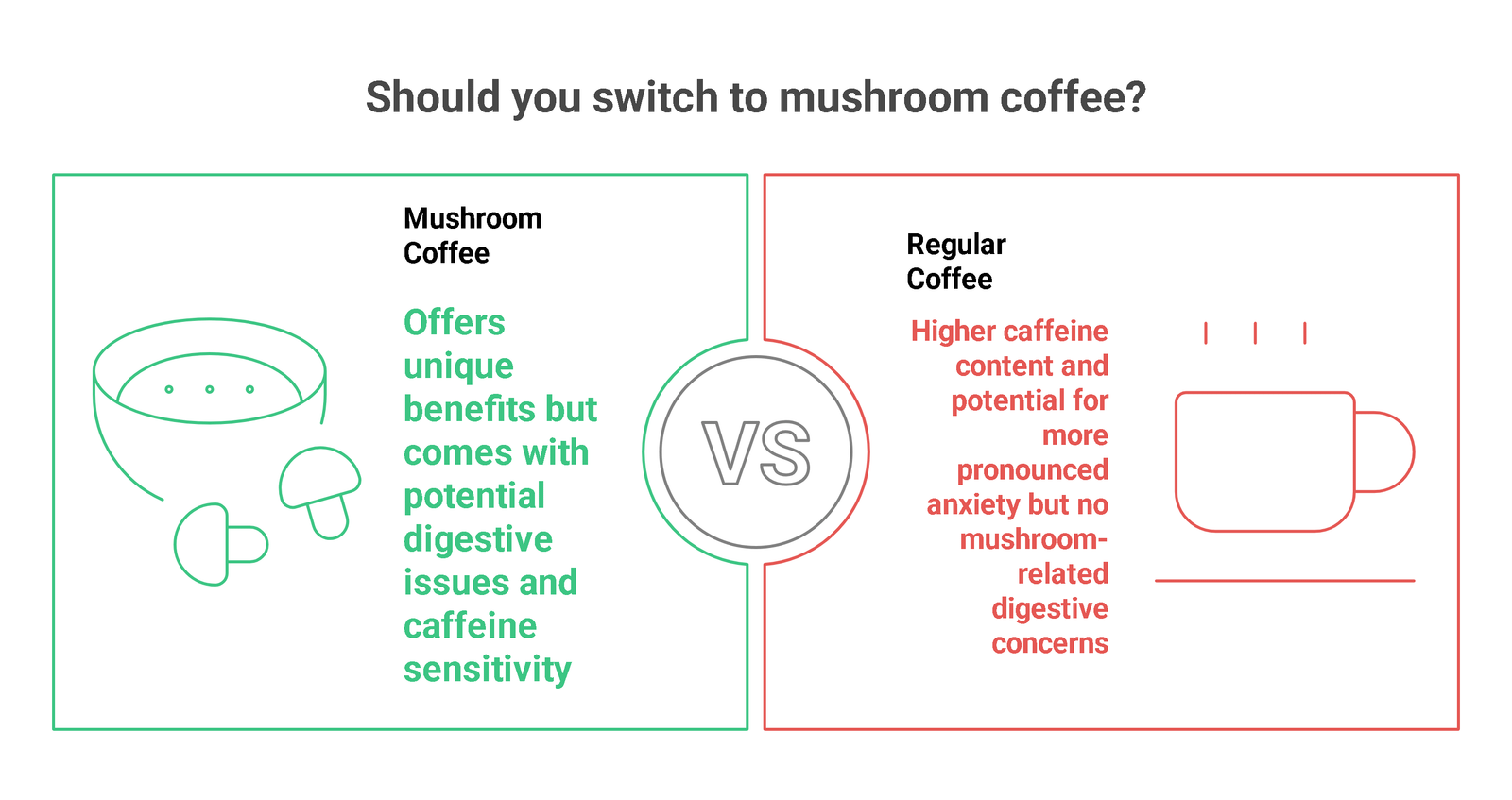
The lower caffeine content helps minimize the jittery sensations and anxiety that some people experience with regular coffee. This makes mushroom coffee potentially more suitable for individuals sensitive to caffeine’s stimulant effects.
Improved Sleep Quality
While mushroom coffee itself doesn’t directly improve sleep, the reduced caffeine content can help those who struggle with caffeine-induced sleep disturbances. Lower caffeine levels mean less potential for disruption to sleep patterns, especially when consumed later in the day.
Sustained Energy Without Crashes
Mushroom coffee provides a more balanced energy boost compared to traditional coffee, helping avoid the energy crashes often associated with higher caffeine consumption. This creates sustained energy that supports productivity throughout the day without the dramatic peaks and valleys.
Reduced Dehydration Risk
Caffeine acts as a diuretic, increasing urination frequency and potentially contributing to dehydration, particularly in older adults who may not drink enough water. The lower caffeine content in mushroom coffee may help reduce this risk.
Immune System Support
Numerous sources highlight immune system support as a primary benefit of mushroom coffee. The medicinal mushrooms used in these beverages contain compounds that may enhance immune function through several mechanisms:
Antioxidant Protection
Mushrooms contain beneficial compounds with significant antioxidant properties that may help strengthen immune function. These antioxidants, including polyphenols and polysaccharides, help combat free radicals and oxidative stress in the body. Chaga mushrooms, in particular, are noted for their exceptionally high antioxidant content.
Immune Regulation
Certain mushroom varieties can help regulate immune responses, providing both stimulation when needed and modulation to prevent overactivity. This balanced approach to immune support distinguishes mushrooms from simple immune stimulants.
Anti-inflammatory Effects
The anti-inflammatory properties of medicinal mushrooms may contribute to overall immune health by reducing chronic inflammation, which can otherwise compromise immune function. This may be particularly beneficial for individuals dealing with inflammatory conditions.
Adaptogenic Properties and Stress Management
The adaptogenic qualities of medicinal mushrooms represent one of their most valuable attributes in today’s high-stress environment. Adaptogens help the body respond and adapt to various forms of stress—whether physical, biological, or chemical.
Cortisol Regulation
Adaptogens like reishi mushrooms can help balance cortisol levels—the primary stress hormone—helping the body manage stress more effectively. This regulation can prevent the negative impacts of chronically elevated cortisol.
Increased Stress Resilience
Regular consumption of adaptogenic mushrooms may increase the body’s overall resilience to stressors, helping maintain normal functioning even during challenging periods. This improved stress response can benefit both mental and physical health.
Complementary Calm with Energy
Unlike many stimulants that increase energy at the expense of creating anxiety, mushroom coffee’s adaptogenic properties complement its gentle energy boost, creating balanced alertness without overstimulation. This combination provides sustainable energy without the stress-inducing effects of higher caffeine beverages.
Cognitive Function Enhancement
Research suggests that certain mushroom varieties in mushroom coffee may support brain health and cognitive function:
Lion’s Mane Benefits
Lion’s mane mushroom has received particular attention for its potential neuroprotective properties. Studies indicate it may stimulate the production of nerve growth factor, a protein that increases the length of nerve cell processes and potentially supports cognitive functions including focus, memory, and concentration.
Improved Memory and Focus
Research on participants with mild cognitive impairment found those consuming lion’s mane for 16 weeks showed improvements in cognitive function, though these benefits diminished after discontinuation. This suggests consistent consumption may be necessary for sustained cognitive benefits.
Support
Beyond cognitive function, mushrooms like lion’s mane and cordyceps may have mood-supporting effects. One study on post-menopausal women found lion’s mane consumption was associated with reduced symptoms of anxiety and depression.
Enhanced Mental Clarity
The combination of reduced caffeine jitters with the cognitive-supporting properties of medicinal mushrooms may result in improved mental clarity and sustained focus throughout the day. This balanced approach to cognitive enhancement differentiates mushroom coffee from simple stimulants.
Other Potential Benefits
Beyond the primary benefits detailed above, research suggests mushroom coffee may offer additional health advantages:
Heart Health Support
Some research indicates that certain medicinal mushrooms may contribute to cardiovascular health. While more specific studies are needed, this potential benefit adds to mushroom coffee’s overall wellness profile.
Enhanced Physical Performance
Cordyceps mushrooms, in particular, have been associated with improved physical performance and stamina. Some research suggests they may support mitochondrial ATP production—the cellular source of energy—potentially leading to improved endurance and exercise capacity.
Liver Wellness
Some mushroom varieties may offer hepatoprotective (liver-protecting) effects, though this area requires more clinical research. The potential for liver support adds another dimension to mushroom coffee’s health profile.
The Bottom Line on Mushroom Coffee Benefits
While mushroom coffee shows promise for delivering multiple health benefits, it’s important to note that scientific research specifically on mushroom coffee (rather than individual mushrooms) remains limited. Many studies have been conducted on isolated mushroom compounds, in vitro, or in animal models, highlighting the need for more comprehensive human clinical trials.
The consistent findings regarding reduced caffeine content make this benefit the most well-established advantage of mushroom coffee. The adaptogenic, immune-supporting, and cognitive effects have substantial theoretical backing and preliminary research support, but would benefit from more extensive clinical investigation.
For those interested in trying mushroom coffee, it offers a potentially beneficial alternative to traditional coffee with minimal downsides beyond its premium price point. The combination of gentle energy with functional mushroom compounds creates a unique beverage that aligns well with contemporary wellness priorities of balance, sustained energy, and multifunctional nutrition.
Mushroom coffee presents a fascinating intersection of traditional coffee culture with ancient medicinal mushroom practices. Its primary benefits include reduced caffeine content for gentler energy, immune system support through antioxidant compounds, adaptogenic properties for stress management, and potential cognitive enhancement, particularly from lion’s mane mushroom.
While more research is needed to fully validate all claimed benefits, the existing evidence suggests mushroom coffee may offer valuable advantages for those seeking a balanced energy source with additional wellness properties. As with any supplement or functional food, individual results may vary, and those with pre-existing health conditions should consult healthcare providers before making significant dietary changes. For many consumers, however, mushroom coffee represents an accessible entry point into the world of adaptogenic mushrooms with the familiar comfort of their daily coffee ritual.
How Mushroom Coffee Supports the Immune System
Mushroom coffee has gained significant attention for its potential health benefits, with immune system support standing out as one of its most prominent advantages. This unique beverage, which combines traditional coffee with medicinal mushroom extracts, offers several mechanisms through which it may enhance immune function. While scientific research specifically on mushroom coffee remains developing, the individual components have demonstrated promising immune-supportive properties.
Antioxidant Protection
The primary way mushroom coffee supports immune function is through its rich antioxidant content. These compounds play a crucial role in protecting the body from oxidative stress that can otherwise weaken immune responses.
Medicinal mushrooms used in mushroom coffee contain beneficial compounds with significant antioxidant properties that may strengthen immune function. These antioxidants, including polyphenols and polysaccharides, help combat free radicals and oxidative stress in the body. This protection is particularly important as oxidative stress can compromise immune cell function and reduce the body’s ability to fight pathogens.
Chaga mushrooms, commonly used in mushroom coffee formulations, stand out for their exceptionally high antioxidant content. These mushrooms help the body fight invaders and regulate immune responses through their powerful antioxidant activity. The concentrated nature of mushroom extracts in these coffee blends helps deliver these beneficial compounds in a convenient, daily format.
Bioactive Immune-Modulating Compounds
Mushroom coffee contains several bioactive compounds with direct effects on immune function:
Beta-Glucans
Mushrooms contain special complex carbohydrates called beta-glucans that have been extensively studied for their immune-modulating effects. These compounds can help regulate immune responses by activating macrophages, natural killer cells, and other components of the immune system. The beta-glucans found in medicinal mushrooms like reishi and chaga may help the immune system recognize and respond appropriately to threats.
Polysaccharides
Polysaccharides are complex carbohydrates found in mushrooms that have been shown to have immune-modulating effects. These compounds help the body maintain balanced immune function, supporting proper response without overreaction. This balanced approach to immune support distinguishes mushroom coffee from simple immune stimulants.
Anti-Inflammatory Properties
Chronic inflammation can significantly burden the immune system, reducing its effectiveness in responding to pathogens. Mushroom coffee may help address this issue:
Medicinal mushrooms like Reishi, Chaga, and Lion’s Mane contain compounds believed to have anti-inflammatory properties. By reducing inflammation, these mushrooms may indirectly support immune function by freeing up immune resources that would otherwise be occupied managing inflammatory processes. The bioactive compounds in mushrooms have been shown to reduce markers of inflammation in preliminary studies.

Reishi mushrooms, often featured in mushroom coffee blends, are particularly noted for their anti-inflammatory properties alongside immune-boosting effects. These dual actions work synergistically to support overall immune health and function.
Adaptogenic Stress Management
A less obvious but equally important way mushroom coffee supports immunity involves stress regulation:
Cortisol Balancing
High cortisol levels—the body’s primary stress hormone—can negatively impact immune health. Adaptogens like reishi mushrooms found in mushroom coffee can help balance cortisol levels and keep stress under control. This regulation prevents the immunosuppressive effects of chronically elevated stress hormones.
Improved Stress Resilience
The adaptogenic properties of medicinal mushrooms help the body adapt and respond more effectively to various stressors. By improving the body’s stress response, these adaptogens prevent stress-induced immune suppression, maintaining proper immune vigilance even during challenging periods.
Specific Mushroom Contributions
Different mushroom varieties in mushroom coffee formulations contribute unique immune benefits:
Reishi
Known as the “mushroom of immortality” in traditional Chinese medicine, reishi is valued for its ability to boost the immune system and reduce inflammation. Reishi contains triterpenes and other compounds that modulate immune function and may help defend against pathogens.
Chaga
Renowned for its exceptional antioxidant content, chaga mushrooms help protect immune cells from oxidative damage while supporting overall immune regulation. The high levels of antioxidants in chaga make it particularly effective at neutralizing free radicals that can damage immune cells.
Lion’s Mane
While primarily known for cognitive benefits, lion’s mane also contains compounds that support overall immune function and reduce inflammation. Its unique bioactive compounds complement the immune-supporting properties of other mushrooms in the blend.
Turkey Tail
Though not mentioned as frequently in the search results, turkey tail mushrooms are often included in immune-focused mushroom coffee blends due to their polysaccharide content and immune-modulating properties.
Current Research Limitations
While the potential immune benefits of mushroom coffee are promising, it’s important to acknowledge research limitations:
There is very little research specifically on mushroom coffee that includes human subjects. Most evidence comes from studies on individual mushroom species rather than the combined product with coffee. Additionally, studies on mushroom coffee’s specific benefits are limited, though there are numerous studies on the health effects of mushrooms in general.
Mushroom coffee supports immune function through multiple complementary mechanisms: providing potent antioxidants that protect immune cells, delivering bioactive compounds that modulate immune responses, reducing inflammation that can burden the immune system, and helping manage stress that might otherwise suppress immunity.
The combination of these effects creates a multifaceted approach to immune support that goes beyond simple immune stimulation. While more clinical research is needed to fully validate all claimed benefits, the existing evidence suggests mushroom coffee may offer valuable immune support through its unique blend of medicinal mushrooms and coffee.
For those looking to support their immune system, mushroom coffee offers a convenient way to incorporate functional mushrooms into a daily routine through a familiar and enjoyable beverage format.
What are the main Health Benefits of Mushroom Coffee? Read More »