weight loss

Are Weight Loss Supplement Effective? 

In a world obsessed with quick fixes and instant results, weight loss supplements have become a multi-billion-dollar industry. From fat burners to appetite suppressants, these products promise to melt away pounds, boost metabolism, and help you achieve your dream body with minimal effort. But the burning question remains: Are weight loss supplements effective? In this comprehensive guide, we’ll explore the science behind weight loss supplements, their benefits, risks, and whether they truly live up to the hype.


What Are Weight Loss Supplements?

Weight loss supplements are products designed to aid in weight reduction by enhancing metabolism, reducing appetite, or increasing fat burning. They come in various forms, including pills, powders, teas, and gummies, and often contain a blend of ingredients like caffeine, green tea extract, garcinia cambogia, or conjugated linoleic acid (CLA). Marketed as a shortcut to weight loss, these supplements appeal to those looking to shed pounds without drastically changing their diet or exercise habits.

While the idea of a magic pill is tempting, the effectiveness of weight loss supplements depends on several factors, including the ingredients, the user’s lifestyle, and realistic expectations. Let’s break it down step by step.

The Appeal of Weight Loss Supplements

The allure of weight loss supplements lies in their convenience and bold promises. For many, the idea of losing weight without spending hours at the gym or meticulously counting calories is irresistible. Here are some reasons why weight loss supplements are so popular:

– Time-Saving: Supplements are marketed as a quick and easy solution for busy individuals.
– Targeted Claims: Products often claim to target specific issues, like stubborn belly fat or slow metabolism.
– Accessibility: Weight loss supplements are widely available online, in pharmacies, and even in grocery stores.
– Endorsements: Celebrity endorsements and influencer marketing make these products seem trustworthy and effective.

However, popularity doesn’t always equal efficacy. To determine whether weight loss supplements work, we need to examine the science behind their ingredients and claims.


Common Ingredients in Weight Loss Supplements

The effectiveness of weight loss supplements largely depends on their active ingredients. Let’s take a closer look at some of the most common components and what research says about them:

1. Caffeine

Caffeine is a staple in many weight loss supplements due to its stimulant properties. It can boost metabolism, increase energy levels, and enhance fat burning during exercise.

– Effectiveness: Studies show that caffeine can increase metabolic rate by 3-11% and promote fat oxidation. However, these effects are often short-term, and regular caffeine users may develop tolerance over time.
– Considerations: While caffeine can provide a temporary boost, it’s not a magic bullet for weight loss. Overconsumption can lead to side effects like jitteriness, insomnia, or increased heart rate.

2. Green Tea Extract

Green tea extract is rich in catechins, particularly epigallocatechin gallate (EGCG), which is believed to enhance fat burning.

– Effectiveness: Research suggests that green tea extract can modestly increase fat oxidation and calorie burning. A 2012 meta-analysis found that green tea supplements led to an average weight loss of about 0.95 kg (2 lbs) over 12 weeks.
– Considerations: The weight loss benefits are minimal and most effective when combined with a healthy diet and exercise.

3. Garcinia Cambogia

Garcinia cambogia is a tropical fruit extract containing hydroxycitric acid (HCA), which is said to suppress appetite and block fat production.

– Effectiveness: Early studies showed promise, but more recent research, including a 2011 review, found no significant weight loss benefits compared to a placebo.
– Considerations: Garcinia cambogia’s effectiveness is questionable, and some users report side effects like digestive issues or headaches.

4. Conjugated Linoleic Acid (CLA)

CLA is a type of fatty acid found in meat and dairy, often marketed for its fat-burning properties.

– Effectiveness: Some studies suggest CLA may reduce body fat by 0.1-0.2% over several months, but results are inconsistent. A 2007 meta-analysis concluded that CLA’s effects on weight loss are minimal.
– Considerations: Long-term use of CLA supplements may lead to side effects like insulin resistance or liver issues.

5. Glucomannan

Glucomannan is a dietary fiber derived from the konjac root, known for its ability to absorb water and promote feelings of fullness.

– Effectiveness: Research shows glucomannan can lead to modest weight loss (about 0.8 kg over 8 weeks) when taken before meals. It works by reducing appetite and calorie intake.
– Considerations: It’s most effective when paired with a calorie-controlled diet, and users should drink plenty of water to avoid digestive discomfort.

6. Orlistat (Alli)

Orlistat is a prescription and over-the-counter weight loss drug that inhibits fat absorption in the intestines.

– Effectiveness: Clinical trials show that orlistat can lead to 5-10% weight loss over a year when combined with lifestyle changes. It’s one of the few FDA-approved weight loss supplements.
– Considerations: Side effects include oily stools, bloating, and nutrient deficiencies if not taken with a balanced diet.

7. Raspberry Ketones

Raspberry ketones are compounds found in raspberries, claimed to increase fat breakdown.

– Effectiveness: There’s little to no human research supporting raspberry ketones for weight loss. Most studies are conducted on animals or in test tubes.
– Considerations: The lack of evidence makes raspberry ketones a questionable choice for weight loss.


Do Weight Loss Supplements Work?

The million-dollar question is whether weight loss supplements deliver on their promises. The answer is nuanced and depends on what you mean by “work.” Here’s a breakdown:

The Pros of Weight Loss Supplements

– Modest Weight Loss: Some supplements, like orlistat, glucomannan, and green tea extract, have shown modest weight loss benefits in clinical studies.
– Appetite Control: Ingredients like glucomannan and protein-based supplements can help reduce hunger, making it easier to stick to a calorie deficit.
– Energy Boost: Stimulants like caffeine can enhance exercise performance, indirectly supporting weight loss efforts.
– Placebo Effect: For some, taking a supplement creates a psychological boost, encouraging healthier habits.

The Cons of Weight Loss Supplements

– Limited Impact: Most supplements produce minimal results, often less than 1-2 kg over several months. Sustainable weight loss requires lifestyle changes.
– Side Effects: Ingredients like caffeine, garcinia cambogia, or CLA can cause side effects ranging from mild (headaches, nausea) to severe (liver damage, heart issues).
– Regulation Issues: The FDA does not tightly regulate dietary supplements, meaning some products may contain unlisted ingredients or inaccurate dosages.
– Cost: Weight loss supplements can be expensive, with monthly costs ranging from $20 to $100 or more.
– False Promises: Many products overpromise and underdeliver, leading to disappointment and wasted money.


What Science Says

A 2021 study published in Obesity reviewed over 300 clinical trials on weight loss supplements and found that most provided little to no significant benefit compared to a placebo. The few that showed promise, like orlistat and glucomannan, worked best when combined with diet and exercise. The researchers concluded that supplements alone are unlikely to produce meaningful, long-term weight loss.

The Role of Diet and Exercise

No weight loss supplement can replace the fundamentals of weight loss: a calorie deficit, balanced nutrition, and regular physical activity. Supplements may provide a slight edge, but they’re not a substitute for healthy habits. Here’s why lifestyle changes trump supplements:

– Calorie Deficit: Weight loss occurs when you burn more calories than you consume. Supplements may help slightly, but tracking food intake and portion control are far more effective.
– Nutrient-Dense Foods: A diet rich in whole foods like vegetables, lean proteins, and healthy fats supports long-term health and weight management.
– Exercise: Regular physical activity, including strength training and cardio, boosts metabolism, builds muscle, and improves overall well-being.
– Sustainability: Supplements are often a short-term solution, while healthy habits lead to lasting results.

For example, a 2019 study in The Lancet found that individuals who followed a structured diet and exercise program lost an average of 10-15% of their body weight over a year, compared to just 1-3% for those relying on supplements alone.


Risks and Side Effects of Weight Loss Supplements

While some weight loss supplements are safe when used as directed, others carry risks. Here are some potential downsides:

– Digestive Issues: Ingredients like glucomannan or orlistat can cause bloating, diarrhea, or stomach cramps.
– Heart Problems: Stimulants like caffeine or synephrine (found in some fat burners) may increase heart rate and blood pressure.
– Liver Damage: Rare cases of liver toxicity have been linked to supplements containing green tea extract or garcinia cambogia.
– Nutrient Deficiencies: Fat-blocking supplements like orlistat can reduce absorption of fat-soluble vitamins (A, D, E, K).
– Interactions: Supplements may interact with medications, such as antidepressants or blood thinners, leading to complications.

To minimize risks, always consult a healthcare professional before starting a new supplement, especially if you have pre-existing health conditions or take medications.


How to Choose a Weight Loss Supplement

If you’re considering weight loss supplements, here’s how to make an informed decision:

1. Check the Ingredients: Look for products with evidence-based ingredients like green tea extract, glucomannan, or orlistat. Avoid supplements with proprietary blends or unlisted dosages.
2. Read Reviews: Research user experiences, but be wary of fake reviews or overly positive testimonials.
3. Verify Certifications: Choose products tested by third-party organizations like USP, NSF, or ConsumerLab for quality and safety.
4. Consult a Doctor: A healthcare provider can help you determine if a supplement is safe and appropriate for your needs.
5. Set Realistic Expectations: Understand that supplements are not a quick fix and work best alongside diet and exercise.


Alternatives to Weight Loss Supplements

If weight loss supplements seem underwhelming, there are plenty of natural and sustainable alternatives:

– Meal Planning: Preparing balanced meals ahead of time helps control portions and reduce impulsive eating.
– Mindful Eating: Paying attention to hunger and fullness cues can prevent overeating.
– Strength Training: Building muscle increases metabolism and supports long-term weight loss.
– Sleep and Stress Management: Poor sleep and high stress can sabotage weight loss efforts by disrupting hormones like cortisol and ghrelin.
– Professional Guidance: A registered dietitian or certified trainer can create a personalized plan tailored to your goals.


Real-Life Success Stories (and Cautionary Tales)

To illustrate the mixed outcomes of weight loss supplements, let’s look at a few hypothetical scenarios based on common experiences:

– Success Story: Sarah, a 35-year-old mother, struggled with post-pregnancy weight gain. She started taking glucomannan before meals, paired it with a Mediterranean diet, and began walking 30 minutes daily. Over six months, she lost 15 pounds and felt more energized. The supplement helped curb her appetite, but her lifestyle changes were the real game-changer.
– Cautionary Tale: Mike, a 28-year-old office worker, bought a fat burner with high doses of caffeine and synephrine. He initially felt a burst of energy but soon experienced heart palpitations and insomnia. After discontinuing the supplement, he focused on portion control and gym workouts, losing 10 pounds without side effects.

These stories highlight that supplements can play a supporting role, but sustainable results come from consistent effort and healthy habits.

Are Weight Loss Supplements Effective?

So, are weight loss supplements effective? The answer is a cautious “sometimes.” Certain supplements, like orlistat, glucomannan, and green tea extract, may offer modest benefits for some individuals, but they’re far from a miracle cure. Most products produce minimal results, and their effectiveness pales in comparison to diet, exercise, and lifestyle changes.

If you’re considering weight loss supplements, approach them with skepticism and prioritize evidence-based options. Always consult a healthcare professional to ensure safety, and focus on building sustainable habits for long-term success. Weight loss is a journey, not a race, and there’s no shortcut to lasting health.


FAQs About Weight Loss Supplements


1. Can weight loss supplements replace diet and exercise?

No, weight loss supplements cannot replace a healthy diet and regular exercise. They may provide a slight boost but are most effective when combined with lifestyle changes.

2. Are weight loss supplements safe?

Some supplements are safe when used as directed, but others carry risks like digestive issues, heart problems, or liver damage. Consult a doctor before starting any supplement.

3. How long does it take to see results from weight loss supplements?

Results vary, but most studies show modest weight loss (1-2 kg) over several weeks to months. Significant results require consistent use and healthy habits.

4. What’s the best weight loss supplement?

There’s no one-size-fits-all answer. Evidence-based options like orlistat, glucomannan, or green tea extract may help, but effectiveness depends on individual factors.

5. Are natural weight loss supplements better?

“Natural” doesn’t always mean safe or effective. Some natural ingredients, like green tea extract, have evidence, while others, like raspberry ketones, lack support.

By focusing on science, realistic expectations, and sustainable habits, you can make informed decisions about weight loss supplements and achieve your goals the healthy way.

Are Weight Loss Supplement Effective?  Read More »

How Can I Boost My Metabolism?

Boosting metabolism is a popular topic among health enthusiasts, fitness experts, and anyone looking to improve their energy levels or manage their weight. Metabolism refers to the chemical processes that occur within the body to maintain life, including converting food into energy. While factors like genetics, age, and gender influence your metabolic rate, there are science-backed strategies you can adopt to enhance it. In this article, we’ll explore actionable tips for boosting metabolism and optimizing your body’s efficiency.


What Is Metabolism and Why Does It Matter?

Metabolism encompasses all the chemical reactions in your body that keep it functioning. These processes include breaking down nutrients for energy (catabolism) and building up compounds needed for cellular repair and growth (anabolism). Your metabolic rate—the speed at which your body burns calories—affects energy levels, weight management, and overall health.


Several factors influence metabolism:
– Genetics: Your inherited traits play a significant role in determining your baseline metabolic rate.
– Age: Metabolism slows down as you age, particularly after 40.
– Gender: Men typically have faster metabolisms due to higher muscle mass compared to women.
– Muscle Mass: Muscle tissue burns more calories than fat tissue at rest.

Understanding these factors helps you identify areas where lifestyle changes can make a difference.


Effective Strategies for Boosting Metabolism

1. Incorporate Strength Training

Building muscle is one of the most effective ways to boost metabolism. Muscle tissue is metabolically active, meaning it burns more calories even at rest compared to fat. Strength training exercises such as squats, lunges, deadlifts, and bench presses target multiple muscle groups and increase lean body mass.

Progressive overload—gradually increasing the intensity or difficulty of workouts—ensures continued muscle growth and metabolic benefits. Aim for at least two days of strength training per week.

2. Engage in High-Intensity Interval Training (HIIT)

Aerobic exercise boosts metabolism temporarily, but high-intensity interval training (HIIT) provides longer-lasting effects. HIIT involves alternating short bursts of intense activity with periods of rest or lower-intensity exercise. This method increases your resting metabolic rate for hours after the workout.

Examples of HIIT exercises include sprinting, cycling intervals, or circuit training with bodyweight exercises.

3. Prioritize Protein Intake

Protein has a higher thermic effect than carbohydrates or fats, meaning your body burns more calories digesting protein-rich foods. Including 25–35 grams of high-quality protein in each meal supports muscle repair and growth while enhancing satiety.

Sources of protein include:
– Animal-based: Chicken, turkey, fish, eggs, Greek yogurt
– Plant-based: Tofu, beans, lentils, quinoa

4. Stay Hydrated

Water plays a crucial role in metabolic processes. Dehydration can slow down metabolism by impairing cellular functions. Drinking enough water throughout the day ensures optimal metabolic efficiency. For an added boost, drinking cold water may temporarily increase calorie burning as your body works to warm it up.

5. Eat Small Meals Frequently

Eating smaller meals more frequently can help maintain steady blood sugar levels and prevent energy crashes. This approach keeps your metabolism active throughout the day. However, ensure these meals are nutrient-dense rather than calorie-heavy.

6. Spice Up Your Diet

Capsaicin—the compound in chili peppers—has been shown to temporarily increase metabolic rate. Adding spicy foods like chili flakes or hot sauces to your meals can provide a mild boost.

7. Drink Green Tea or Coffee

Green tea contains catechins and caffeine that stimulate metabolism for a few hours after consumption. Similarly, coffee can provide a short-term rise in metabolic rate while improving focus and endurance during workouts.

Aim for 2–4 cups of green tea or moderate coffee intake daily for optimal benefits without overloading on caffeine.

8. Avoid Extreme Calorie Restriction

Drastically cutting calories may lead to a slower metabolism as your body conserves energy. Instead of crash dieting, focus on balanced meals that provide adequate nutrients while maintaining a slight calorie deficit if weight loss is your goal.


Lifestyle Habits That Support Metabolic Health

Get Enough Sleep
Poor sleep disrupts hormonal balance and reduces metabolic efficiency. Aim for 7–9 hours of quality sleep per night to support recovery and energy balance.

Manage Stress
Chronic stress increases cortisol levels, which can slow metabolism over time. Practices like meditation, yoga, or deep breathing exercises help manage stress effectively.

Limit Alcohol Consumption
Alcohol slows down fat oxidation and disrupts metabolic processes. Reducing alcohol intake can help maintain a healthy metabolism.


Common Myths About Boosting Metabolism

While there are many proven ways to enhance metabolism naturally, some myths persist:
– Eating late at night slows metabolism: While meal timing affects digestion slightly, total calorie intake matters more than when you eat.
– Certain foods drastically speed up metabolism: While spicy foods or caffeine provide temporary boosts, they won’t significantly alter your baseline metabolic rate.
– Thin people always have fast metabolisms: Body composition (muscle vs. fat) is more important than weight alone when determining metabolic rate.

Boosting metabolism requires a combination of healthy habits tailored to your lifestyle and needs. Incorporating strength training, eating protein-rich meals, staying hydrated, engaging in HIIT workouts, and consuming green tea or coffee are effective strategies backed by science. Additionally, prioritizing sleep and stress management ensures long-term metabolic health.

Remember that changes won’t happen overnight; consistency is key to seeing lasting results. By following these tips and making gradual adjustments to your routine, you’ll be well on your way to optimizing your metabolic rate and improving overall well-being!

How Can I Boost My Metabolism? Read More »

What Role Does Metabolism Play in Weight Loss?

Metabolism is a term that often surfaces in discussions about weight loss, fitness, and overall health. Many people attribute their struggles with weight management to having a “slow metabolism,” while others claim their “fast metabolism” keeps them lean. But what exactly is metabolism, and how does it influence weight loss? This article explores the science behind metabolism, its role in weight management, and actionable tips for optimizing it.


What Is Metabolism?

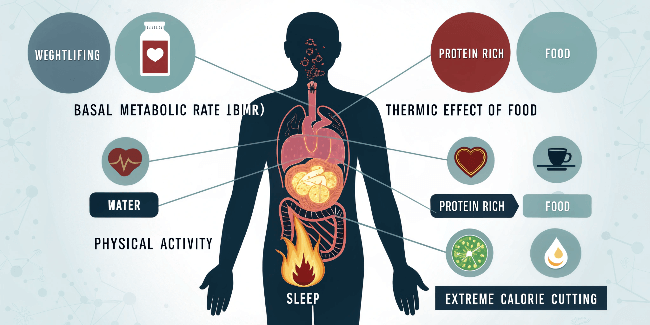
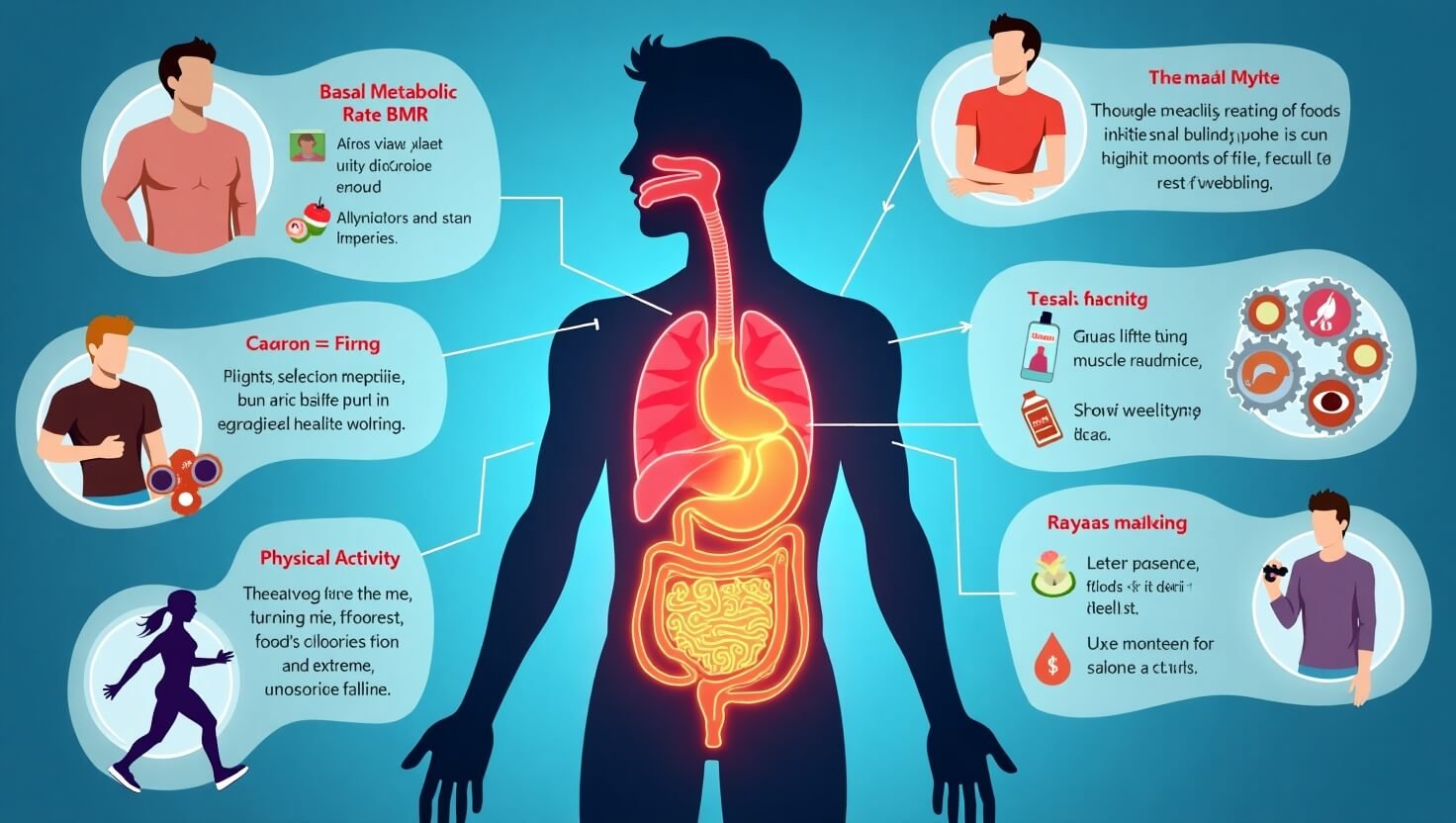
Metabolism refers to the complex biochemical processes through which your body converts food and drink into energy. This energy is essential for maintaining basic bodily functions such as breathing, circulating blood, repairing cells, and regulating temperature. These processes are collectively known as your basal metabolic rate (BMR), which accounts for approximately 60-70% of the calories you burn daily.

The energy expenditure from metabolism can be divided into three main components:
1. Basal Metabolic Rate (BMR): The calories burned at rest to sustain vital functions.
2. Thermic Effect of Food (TEF): The energy used to digest, absorb, and process nutrients from food.
3. Physical Activity: Includes both structured exercise and non-exercise activities like walking or fidgeting.


How Metabolism Affects Weight Loss

Weight loss fundamentally boils down to the balance between calories consumed and calories burned. While metabolism plays a significant role in determining how many calories your body burns daily, it is not the sole factor influencing weight loss.

1. Caloric Burn and Energy Balance

Your metabolic rate determines how efficiently your body uses calories for energy. A higher metabolic rate means more calories burned at rest, which can aid in creating a caloric deficit—a key requirement for weight loss. However, even with a “slow” metabolism, weight gain typically results from consuming more calories than you burn.

2. Adaptive Thermogenesis

When you lose weight, your body undergoes metabolic adaptations to conserve energy. This phenomenon, known as adaptive thermogenesis, can slow down your metabolic rate and make further weight loss more challenging. For instance:
– Your BMR decreases as you lose lean body mass.
– Hormonal changes (e.g., reduced thyroid hormones and leptin levels) signal your body to conserve energy.
– Hunger-regulating hormones like ghrelin increase, making you feel hungrier.

These adaptations are evolutionary mechanisms designed to prevent starvation but can hinder sustained weight loss efforts.

3. Muscle Mass and Metabolism

Muscle tissue is more metabolically active than fat tissue, meaning it burns more calories at rest. Therefore, individuals with higher muscle mass tend to have a higher BMR. Incorporating strength training into your fitness routine can help preserve or build muscle during weight loss, mitigating the decline in metabolic rate.


Factors That Influence Metabolism

Several factors determine your metabolic rate:
1. Age: Metabolism slows down as you age due to muscle mass loss and hormonal changes.
2. Gender: Men generally have a higher BMR than women because of greater muscle mass.
3. Genetics: Your genetic makeup influences how efficiently your body burns calories.
4. Body Composition: More muscle mass equals a higher metabolic rate.
5. Hormones: Hormonal imbalances (e.g., thyroid dysfunction) can significantly impact metabolism.


Can You Boost Your Metabolism?

While some aspects of metabolism are beyond your control (e.g., genetics), there are ways to optimize it for better weight management:

1. Build Muscle

Strength training increases muscle mass, which boosts your resting metabolic rate. Even after a workout, your body continues to burn calories during the recovery phase.

2. Stay Active

Incorporate both structured exercise and non-exercise activities like walking or standing more often throughout the day. These small movements contribute to your total daily energy expenditure.

3. Eat Enough Protein

Protein has a high thermic effect compared to fats and carbohydrates, meaning it requires more energy to digest. Additionally, protein helps preserve muscle mass during weight loss.

4. Stay Hydrated

Drinking water has been shown to temporarily boost metabolism through thermogenesis—the process of heat production in the body.

5. Get Quality Sleep

Poor sleep disrupts hormones that regulate hunger (ghrelin) and fullness (leptin), potentially leading to overeating and a slower metabolic rate.

6. Avoid Extreme Calorie Restriction

Severe calorie restriction can trigger adaptive thermogenesis, slowing down your metabolism and making long-term weight loss harder.


Common Misconceptions About Metabolism

1. “Slow Metabolism Causes Weight Gain”

While a slow metabolism might make it slightly harder to lose weight, overeating relative to your caloric needs is usually the primary cause of weight gain.

2. “Certain Foods Supercharge Metabolism”

While some foods (e.g., green tea or spicy peppers) may slightly increase calorie burn temporarily, their effects are minimal compared to overall diet and activity levels.

3. “Metabolism Is Fixed”

Metabolic rate is dynamic and can be influenced by lifestyle factors such as diet composition, physical activity levels, and muscle-building exercises.


The Dynamic Nature of Metabolism During Weight Loss

One of the challenges of sustained weight loss is overcoming the body’s natural resistance to change:
– As you lose weight, your BMR decreases because smaller bodies require less energy to function.
– Adaptive thermogenesis further reduces total daily energy expenditure (TDEE), making it harder to maintain a caloric deficit.
– These changes often lead to plateaus where weight loss stalls despite continued efforts.

Understanding these dynamics can help you set realistic expectations and develop strategies for long-term success.

Practical Tips for Sustainable Weight Loss

To manage weight effectively while considering metabolic factors:
– Focus on gradual weight loss (1-2 pounds per week) to minimize muscle loss.
– Combine strength training with cardiovascular exercise for balanced fitness.
– Prioritize nutrient-dense foods that keep you full without excess calories.
– Monitor progress using multiple metrics (e.g., measurements or how clothes fit) rather than just the scale.
– Be patient—metabolic adaptations take time but can be managed with consistency.

Metabolism plays a crucial role in weight loss by determining how efficiently your body burns calories for energy. While factors like age, genetics, and hormones influence metabolic rate, lifestyle choices such as exercise, diet composition, and sleep quality can optimize it for better results.

Understanding the dynamic nature of metabolism—especially during periods of calorie restriction—can empower you to navigate challenges like plateaus or adaptive thermogenesis effectively. By adopting sustainable habits that support both metabolic health and overall well-being, you can achieve long-term success in your weight-loss journey.

What Role Does Metabolism Play in Weight Loss? Read More »

Can Drinking Water Help with Weight Loss?

Water is one of the most essential components for maintaining overall health. It aids in digestion, regulates body temperature, supports kidney function, and keeps joints lubricated. But can drinking water help with weight loss? This question has intrigued researchers and health enthusiasts alike. While drinking water alone isn’t a magic bullet for shedding pounds, it can play a significant role in supporting weight loss efforts when paired with a balanced diet and regular exercise.


The Science Behind Drinking Water and Weight Loss

Drinking water can influence weight loss in several ways:

1. Suppressing Appetite

One common misconception is confusing thirst with hunger. When dehydrated, people often mistake their body’s need for water as a craving for food. Drinking water before meals can help curb appetite by making you feel fuller. Research shows that individuals who drank water before meals consumed fewer calories overall. For instance, one study found that drinking water before meals reduced calorie intake by about 75 calories per meal, which could lead to significant weight loss over time.

2. Boosting Metabolism

Drinking water may temporarily boost your metabolism. Studies suggest that consuming around 500 mL of warm water can increase metabolic rates by up to 30% for 10–40 minutes. This effect, though modest, contributes to burning extra calories throughout the day.

3. Replacing High-Calorie Beverages

Water is calorie-free, making it an excellent alternative to sugary drinks like sodas, juices, and energy drinks. These beverages are often loaded with unnecessary calories that contribute to weight gain. By replacing them with water, you can significantly reduce your daily calorie intake.

4. Promoting Fat Loss

Long-term studies have shown that increasing water consumption is associated with reductions in body weight and fat percentage in overweight individuals. This effect is independent of diet and physical activity, suggesting that hydration itself plays a role in weight management.


How Much Water Should You Drink?

The “8 glasses a day” rule is widely known but not universally applicable. The amount of water you need depends on factors like age, activity level, climate, and overall health. Foods high in water content—such as fruits and vegetables—also contribute to hydration. While there’s no one-size-fits-all answer, aiming for 64 ounces (about 2 liters) per day is a good starting point for most adults.

Practical Tips for Increasing Water Intake

If you’re looking to incorporate more water into your daily routine for weight loss or general health benefits, here are some strategies:

– Drink Before Meals: Have a glass of water 30 minutes before eating to help control portion sizes and reduce calorie intake.
– Tie It to Routine: Drink water at specific times during the day—when you wake up, before meals, or after brushing your teeth.
– Flavor Your Water: Add slices of lemon, cucumber, or berries to make plain water more appealing.
– Track Your Intake: Use apps or smart bottles to monitor how much water you consume each day.
– Replace Sugary Drinks: Swap sodas and juices for water or herbal teas to cut down on empty calories.


Debunking Myths About Water and Weight Loss

While drinking water offers numerous benefits, it’s important to separate fact from fiction:

– Cold Water Burns More Calories: The idea that ice-cold water significantly boosts calorie burning is largely exaggerated. While your body expends energy warming cold water to body temperature, the effect is minimal and unlikely to impact weight loss significantly[7].
– Water Alone Causes Weight Loss: Drinking more water without addressing other aspects of your lifestyle—like diet and exercise—won’t lead to substantial weight loss[7]. Water complements healthy habits but isn’t a standalone solution.


Japanese Water Therapy: Does It Work?

Japanese water therapy involves drinking several glasses of room-temperature water first thing in the morning and adhering to strict eating windows throughout the day. While anecdotal evidence suggests this practice may help some people lose weight due to increased hydration and reduced snacking opportunities, scientific studies on its effectiveness are limited. The key takeaway is that hydration supports healthy habits rather than directly causing weight loss.


The Role of Hydration in Overall Health

Beyond its potential impact on weight loss, staying hydrated offers numerous health benefits:

– Improves digestion and prevents constipation.
– Enhances skin health by maintaining elasticity.
– Supports kidney function by flushing out toxins.
– Reduces bloating caused by fluid retention.


Drinking Water as Part of a Holistic Approach

Drinking water can aid weight loss by suppressing appetite, boosting metabolism, replacing high-calorie beverages, and promoting fat loss. However, it’s not a standalone solution; it works best when integrated into a comprehensive lifestyle plan that includes a balanced diet and regular physical activity.

To maximize the benefits of drinking water:
– Pair hydration with nutrient-rich meals.
– Stay active throughout the day.
– Monitor your progress over time.

Ultimately, while drinking more water won’t guarantee dramatic weight loss results on its own, it remains an essential component of any healthy lifestyle aimed at achieving sustainable weight management goals.

Can Drinking Water Help with Weight Loss? Read More »

Does Intermittent Fasting Aid in Weight Loss?

Intermittent fasting has taken the health and wellness world by storm, promising not just weight loss but a host of other benefits like improved energy and better overall health. If you’ve ever wondered whether skipping meals could help you shed those extra pounds, you’re not alone. The question on many minds is: does intermittent fasting really aid in weight loss? Let’s dive into what intermittent fasting is, how it works, and whether it can help you reach your weight loss goals.


What is Intermittent Fasting?

At its core, intermittent fasting (often called IF) isn’t about what you eat—it’s about when you eat. Instead of focusing on cutting out carbs or counting every calorie, this approach involves cycling between periods of eating and fasting. It’s less of a diet and more of an eating pattern that’s gained popularity for its simplicity and flexibility.

There are several popular methods of intermittent fasting to suit different lifestyles:

– 16/8 Method: You fast for 16 hours and eat all your meals within an 8-hour window—like skipping breakfast and eating from noon to 8 p.m.
– 5:2 Diet: You eat normally for five days of the week and limit yourself to 500-600 calories on two non-consecutive days.
– Eat-Stop-Eat: This involves a full 24-hour fast once or twice a week.

The beauty of intermittent fasting is that it doesn’t dictate food choices, making it easier for many to stick with compared to restrictive diets. But does this timing trick actually help with weight loss? Let’s explore how it works.


How Does Intermittent Fasting Promote Weight Loss?

The short answer is yes—intermittent fasting can aid in weight loss, and science backs this up. Here’s how it happens:

1. Creating a Calorie Deficit

The most straightforward way intermittent fasting helps with weight loss is by reducing your overall calorie intake. When you shorten your eating window, you’re likely to eat less simply because there’s less time to snack or overindulge. For example, if you’re used to late-night munching, the 16/8 method cuts that out entirely. As long as you’re not overcompensating by eating excessive calories during your eating periods, this natural reduction can lead to a calorie deficit—key to shedding pounds.

2. Hormonal Changes That Burn Fat

Fasting doesn’t just limit calories; it also triggers changes in your body that make weight loss easier. When you fast, insulin levels drop, which signals your body to start breaking down stored fat for energy. At the same time, levels of norepinephrine (a hormone that revs up fat-burning) increase. These shifts can turn your body into a more efficient fat-burning machine.

3. A Metabolic Boost

Unlike long-term calorie restriction, which can slow your metabolism over time, intermittent fasting may actually give your metabolic rate a slight boost—anywhere from 3.6% to 14%, according to some studies. A faster metabolism means you burn more calories even when you’re just sitting around, which can add up over time.

What the Research Says

Studies support these mechanisms. In one review, people practicing intermittent fasting lost 3-8% of their body weight over 3-24 weeks. Another study found it to be just as effective as traditional calorie restriction for weight loss, with a bonus: it often helps preserve muscle mass better than constant dieting. So, yes, intermittent fasting can work—but it’s not a magic fix.

Is Intermittent Fasting Right for You?

While intermittent fasting can be a powerful tool for weight loss, it’s not a one-size-fits-all solution. Its success depends on how you use it and whether it fits your life. Here are some things to keep in mind:

It’s Not Foolproof

Weight loss with intermittent fasting isn’t guaranteed. If you load up on junk food or overeat during your eating windows, you could cancel out the calorie deficit fasting creates. Pairing it with a balanced diet—think whole foods like veggies, lean proteins, and healthy fats—plus regular exercise can make all the difference.

Who Should Think Twice

Intermittent fasting isn’t for everyone. If you’re pregnant, breastfeeding, or have a history of eating disorders, it’s best to steer clear or talk to a doctor first. People with conditions like diabetes or low blood sugar should also consult a healthcare professional, as fasting can affect blood sugar levels. Even if you’re healthy, you might experience side effects like hunger, irritability, or fatigue, especially when you’re just starting out.

Lifestyle Matters

Intermittent fasting requires some discipline. If your job involves unpredictable hours or your social life revolves around food, sticking to a fasting schedule might feel like a chore. The key is finding a method that feels sustainable for you.

Final Thoughts on Intermittent Fasting and Weight Loss

So, does intermittent fasting aid in weight loss? For many, the answer is a resounding yes. By helping you eat fewer calories, tweaking your hormones, and potentially boosting your metabolism, it offers a practical path to dropping pounds. Countless success stories and scientific studies back its effectiveness. But it’s not a quick fix or a miracle cure—your results will depend on how you approach it and what else you bring to the table, like healthy eating and staying active.

If you’re curious about intermittent fasting, start small—maybe try the 16/8 method for a week—and see how your body responds. Before diving in, especially if you have health concerns, chat with a healthcare professional to make sure it’s a good fit. Weight loss aside, intermittent fasting might just teach you a new way to think about food and timing.


Frequently Asked Questions


Can I Drink Water During Fasting Periods?

Absolutely! Water, black coffee, tea, and other zero-calorie drinks are not only allowed but encouraged during fasting periods to keep you hydrated.

Will Intermittent Fasting Slow My Metabolism?

Not likely. Unlike prolonged low-calorie diets, intermittent fasting tends to maintain or even slightly increase your metabolism, thanks to those hormonal shifts we mentioned.

How Long Does It Take to See Results?

It varies. Some people notice changes within a few weeks, while others might take a couple of months. Consistency and patience are key.

Ready to give intermittent fasting a shot? It might just be the weight loss strategy you’ve been looking for—or at least a fresh way to mix up your routine!

Does Intermittent Fasting Aid in Weight Loss? Read More »

Healthy Snacks for Weight Loss

Weight Loss, Research shows that strategic snacking can be a powerful tool in your weight loss arsenal. The right snacks can help manage hunger, regulate blood sugar, and prevent overeating at mealtimes. By incorporating nutrient-dense options that combine protein, fiber, and healthy fats, you can satisfy cravings while supporting your weight loss goals. This comprehensive guide explores 29 delicious and satisfying snack options that can help you stay on track with your weight loss journey without feeling deprived.


Why Healthy Snacking Matters for Weight Loss

Contrary to popular belief, snacking between meals doesn’t necessarily hinder weight loss efforts. Studies have shown that strategic snacking can actually help you reach your weight loss goals by managing hunger and improving blood sugar regulation. When you satisfy hunger with nutritious snacks, you’re much less likely to overeat at mealtimes or reach for unhealthy processed foods high in sugar and salt.

The key is choosing foods that are high in protein and fiber, as these nutrients tend to be more filling and help you feel satisfied with smaller portions. Foods that are low in calories but high in volume can also help you feel fuller longer, making it easier to maintain a calorie deficit for weight loss. Let’s explore 29 nutritious snack options that can support your weight loss journey.


Protein-Rich Snacks for Weight Loss

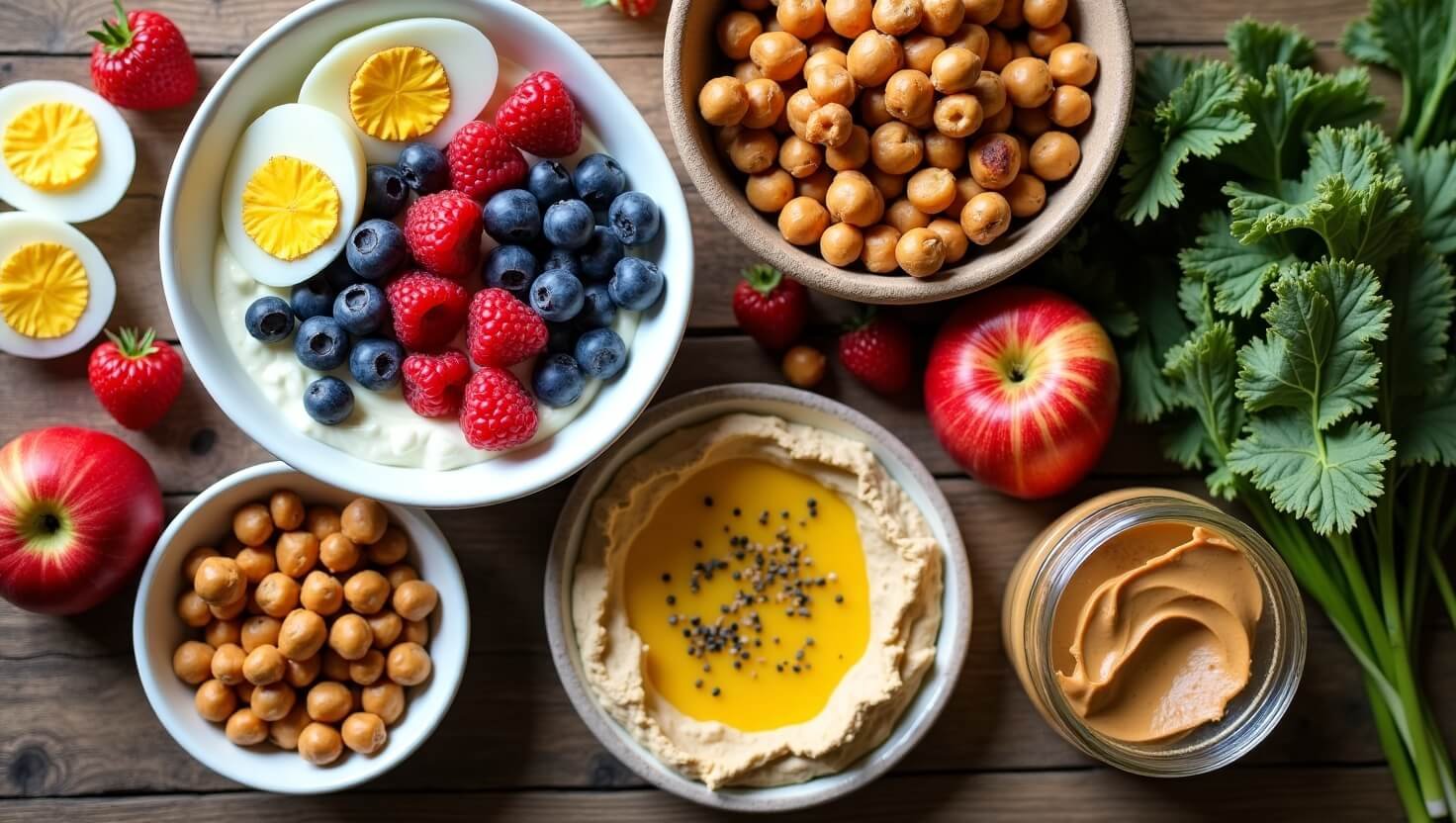
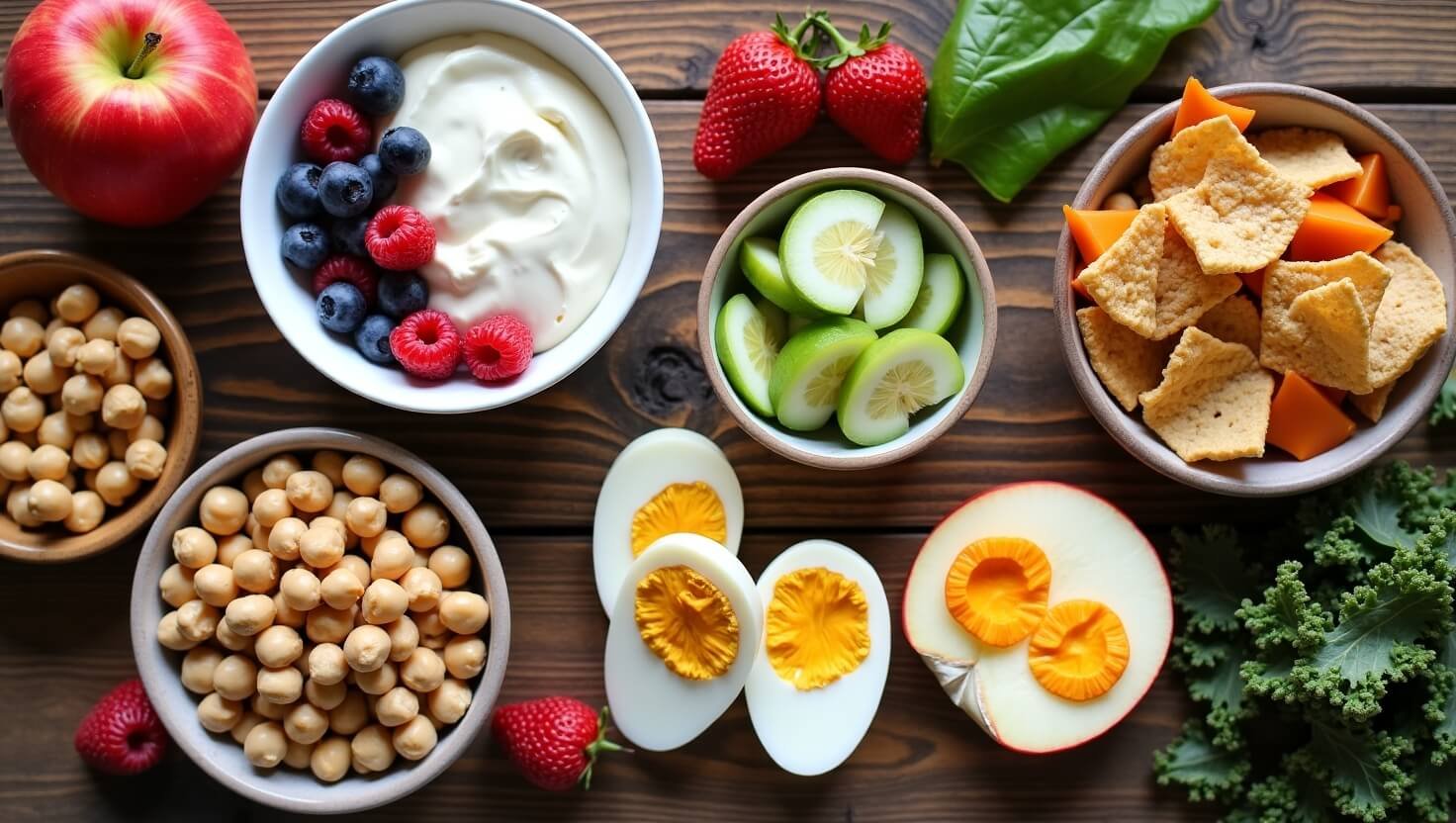
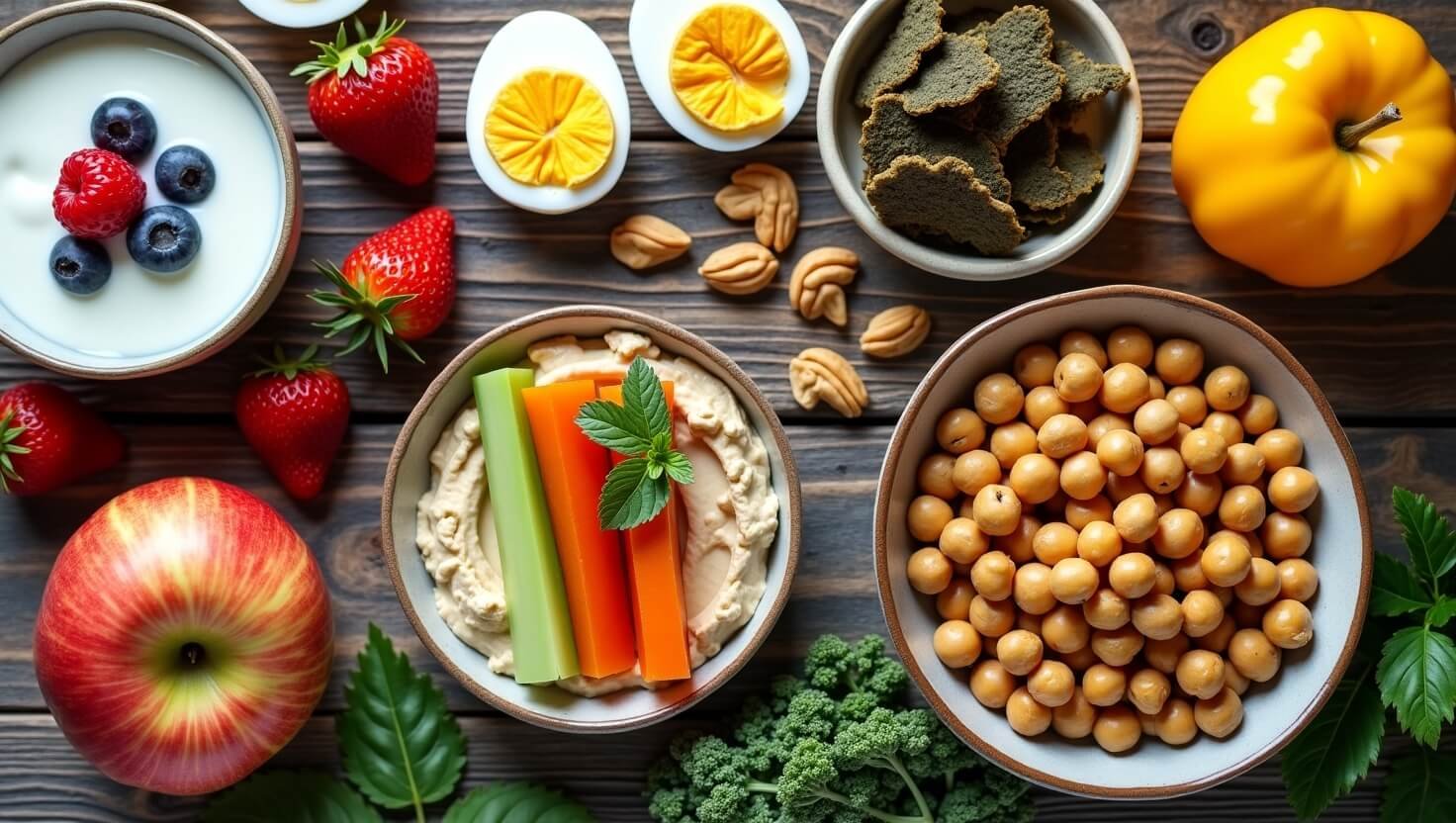
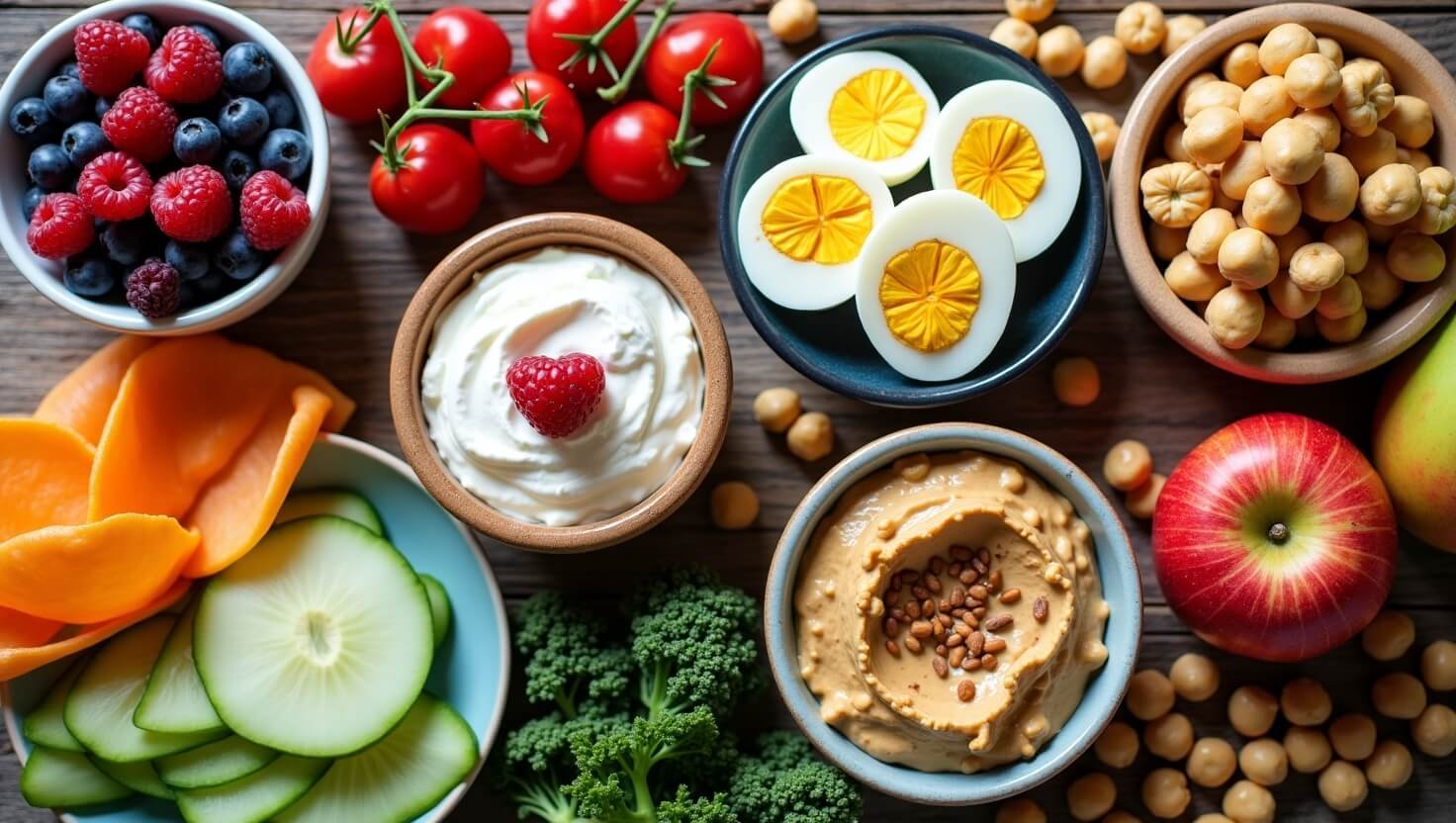
1. Greek Yogurt with Berries

Greek yogurt packs an impressive protein punch, helping to keep hunger at bay. When paired with antioxidant-rich berries, you get a perfect balance of protein, fiber, and natural sweetness. This combination provides essential nutrients while satisfying your sweet tooth in a healthy way.

2. Hard-Boiled Eggs

Simple yet effective, hard-boiled eggs are a portable, high-protein option that can help manage hunger between meals. Recent studies suggest that moderate egg consumption may even be linked with reduced arterial stiffness, a risk factor for heart disease. For optimal nutrition, be sure to eat the yolk, which contains important nutrients like vitamin D and choline.

3. Cottage Cheese with Fruit

With approximately 25 grams of protein per cup, cottage cheese is an excellent weight loss snack. Pairing it with tropical fruits like pineapple, papaya, or watermelon adds fiber and natural sweetness, creating a balanced and satisfying snack. The protein-fiber combination helps control hunger for hours after eating.

4. Nuts

Nuts provide the perfect balance of healthy fats, protein, and fiber, making them an ideal nutritious snack for weight loss. Opt for raw, unsalted varieties like almonds, walnuts, and macadamia nuts. Since nuts are calorie-dense, portion control is important – weigh out snack-sized portions to avoid mindless overeating.


Fiber-Packed Plant-Based Options

5. Hummus with Vegetables

Hummus, traditionally made from pureed chickpeas, tahini, olive oil, and garlic, provides plant-based protein, fiber, and heart-healthy fats. Pairing it with crunchy vegetables like cucumber, bell peppers, or carrots adds volume and additional nutrients to your snack. This Mediterranean-inspired combination is both satisfying and supportive of weight loss goals.

6. Apple with Peanut Butter

This classic combination provides the perfect balance of fiber, protein, and healthy fats. The natural sweetness of the apple satisfies cravings while the peanut butter provides satiating protein and fat. For optimal nutrition, choose natural peanut butter that contains only peanuts and salt, without added sugars or oils.

7. Roasted Chickpeas

This easy, high-protein snack is simple to prepare and customize with different seasonings. Drain and dry canned chickpeas, toss with olive oil and seasonings like paprika, cumin, or garlic powder, then roast for 20-30 minutes. The result is a crunchy, satisfying snack that’s rich in protein and fiber to support weight loss.

8. Bell Peppers with Guacamole

Red bell peppers are particularly rich in antioxidants, while guacamole provides healthy fats from avocados. This colorful combination offers a satisfying crunch with creamy richness, all while delivering fiber and nutrients that support weight loss.


Crunchy and Savory Snacks

9. Kale Chips

Transform nutrient-dense kale into crispy chips for a low-calorie alternative to potato chips. Massage kale leaves with olive oil, spread on a baking sheet, and season with salt, pepper, cumin, garlic powder, or nutritional yeast. Bake until crispy for a satisfying snack that’s packed with fiber and antioxidants.

10. Edamame Beans

These young soybeans are rich in protein, healthy fibers, antioxidants, and vitamin K. Simply boil them in their pods and sprinkle with a little salt or soy sauce for a satisfying and nutritious snack that supports weight loss.

11. Celery Sticks with Cream Cheese

This classic low-carb snack combines the crunch of celery with creamy richness. The high water content of celery makes it filling with very few calories, while the fat in cream cheese helps you feel satisfied. This combination can help keep you full between meals without excess calories.

12. Cucumber with Hummus
Fresh, crunchy cucumber pairs perfectly with creamy hummus for a hydrating, satisfying snack. Cucumbers are incredibly low in calories while providing hydration and fiber, making them an excellent choice for weight loss.


Sweet Treats for Weight Loss

13. Frozen Fruit Bark

This simple two-ingredient treat satisfies sweet cravings while keeping calories in check. Scatter frozen fruits on a baking tray, pour yogurt over the top, and freeze. Once frozen, break into bite-sized pieces for a refreshing, naturally sweet snack. Use Greek yogurt for additional protein or plant-based alternatives for a vegan option.

14. Dark Chocolate with Almonds

For chocolate lovers, this pairing provides antioxidants from the dark chocolate and healthy fats from the almonds. A small amount (a couple of teaspoons of dark chocolate chips or one square with a handful of nuts) can satisfy cravings without derailing weight loss efforts.

15. Frozen Banana Bites

For a healthier alternative to ice cream, try freezing banana pieces dipped in dark chocolate and sprinkled with chopped nuts. This sweet treat provides natural sugars, fiber, and antioxidants while satisfying dessert cravings with fewer calories than traditional frozen treats.

16. Bliss Balls

These energy-dense bites are easy to make at home, allowing you to control the ingredients and avoid the preservatives found in store-bought versions. Combine mashed dates, peanut butter, crushed nuts, and a little honey, then roll into balls and refrigerate. They make perfect portable snacks for busy days.


Quick and Convenient Options

17. Rice Cake Pizzas

Transform plain rice cakes into satisfying mini pizzas by topping them with tomato paste and cheese, then heating briefly in the oven. This creative option provides a low-calorie base with protein from the cheese, creating a more balanced snack than reaching for processed alternatives.

18. Tomatoes and Mozzarella

This classic Italian-inspired combination provides protein, fiber, and healthy fats. Mix cherry tomatoes with fresh mozzarella pearls, a drizzle of balsamic vinegar, and olive oil for a snack that’s both satisfying and supportive of weight loss.

19. Beef Jerky or Beef Sticks

For meat lovers, beef jerky provides a portable, high-protein option that can help maintain fullness between meals. Look for varieties with minimal added sugars and preservatives for the healthiest option.

20. Carrots with Blue Cheese Dressing

The crunchiness of carrots paired with creamy blue cheese dressing creates a satisfying contrast. While blue cheese dressing is calorie-dense, it helps you eat more vegetables and increases the absorption of fat-soluble vitamins from the carrots, like vitamin A.

Nutrient-Dense Combinations

21. Cheese with Whole-Grain Crackers
Cheese provides satiating protein and fat, while whole-grain crackers add fiber. This classic combination offers a good balance of nutrients that can help keep you feeling full while supporting weight loss goals.

22. Fresh Fruit

Simple yet effective, a piece of portable fruit like an apple, pear, orange, or small container of berries makes an excellent weight loss-friendly snack. Fruit provides fiber, vitamins, and minerals with natural sweetness, helping to satisfy cravings with fewer calories than processed snacks.

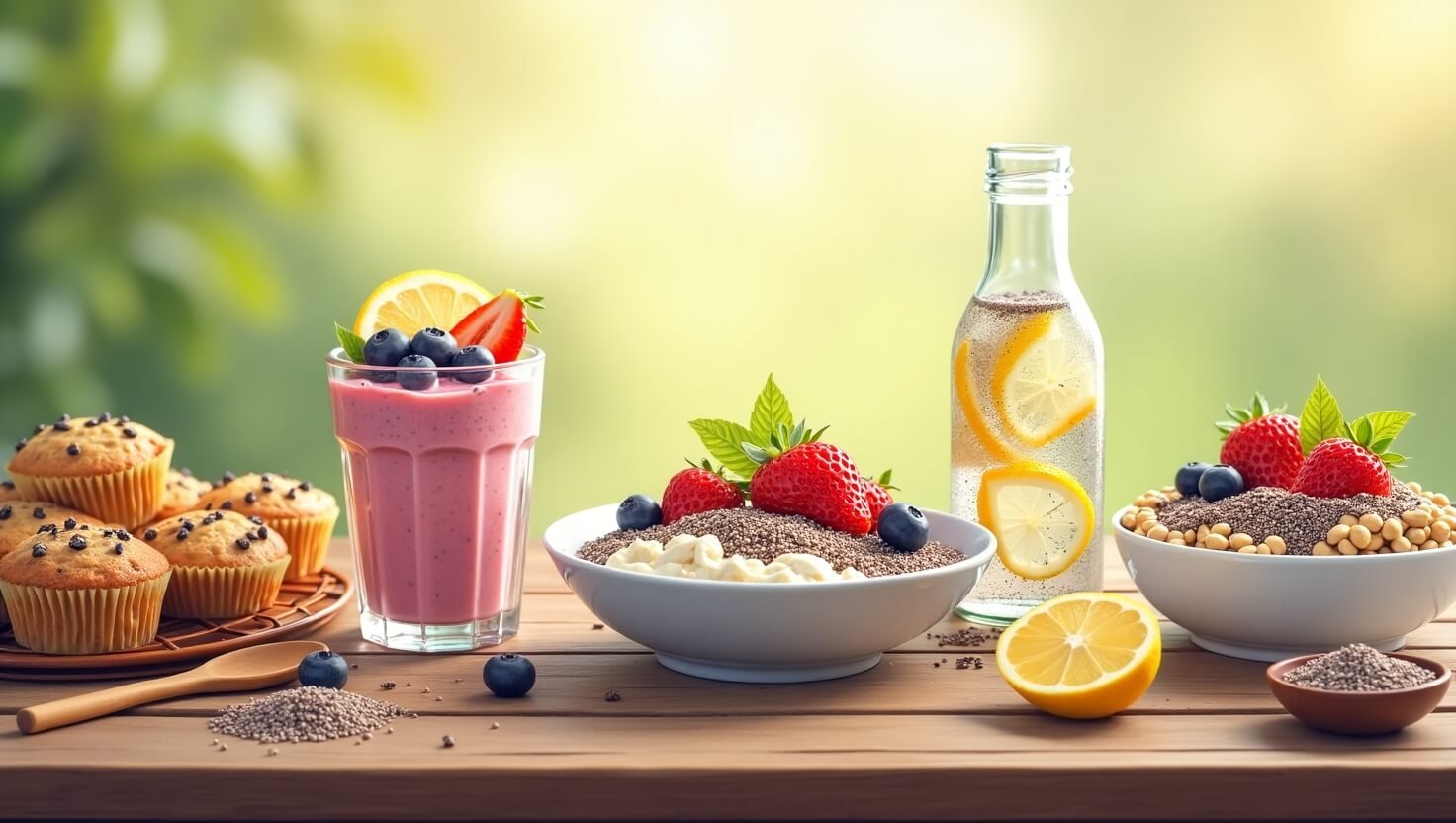
23. Chia Seed Pudding

These tiny seeds are nutritional powerhouses, loaded with fiber, omega-3 fatty acids, and plant-based protein. When soaked in liquid, they create a pudding-like consistency that’s both filling and nutritious. Mix with almond milk, a touch of honey, and top with fruit for a delicious snack or breakfast option.

24. Greek Yogurt with Honey

Plain Greek yogurt topped with a small amount of honey offers protein with controlled sweetness. This combination helps stabilize blood sugar levels while satisfying cravings for something sweet, making it easier to stick to weight loss goals.


Innovative Weight Loss Snack Ideas

25. Seaweed Snacks

Low in calories but high in minerals and fiber, seaweed snacks offer a unique savory flavor that can help satisfy salt cravings with minimal calories.

26. Turkey Roll-Ups

Roll slices of lean turkey breast with a small amount of cream cheese and a pickle or bell pepper strip for a high-protein, low-carb snack that supports weight loss.

27. Smoothie Popsicles

Pour leftover fruit and yogurt smoothies into popsicle molds for a refreshing frozen treat that’s lower in sugar than commercial popsicles.

28. Pear with Ricotta Cheese

Top pear slices with a dollop of ricotta cheese and a sprinkle of cinnamon for a sweet and creamy snack that’s rich in fiber and protein.

29. Avocado Toast on Thin Rice Cakes

For a lighter version of avocado toast, spread mashed avocado on thin rice cakes and top with a sprinkle of everything bagel seasoning or red pepper flakes.


How to Incorporate These Snacks Into Your Weight Loss Plan

When integrating these snacks into your weight loss strategy, timing and portion control are crucial. Plan your snacks between meals when hunger typically strikes to prevent overeating later. Pre-portion snacks into containers to avoid mindless eating, especially with calorie-dense options like nuts or cheese.

For optimal results, combine protein with fiber in your snacks. This powerful nutritional duo helps maintain stable blood sugar levels and provides lasting fullness. Also, be mindful of your overall daily calorie goals – even healthy snacks contribute to your total intake.

Strategic snacking can be a valuable tool in your weight loss journey when you focus on nutrient-dense options that provide protein, fiber, and healthy fats. These 29 snack ideas offer delicious alternatives to processed foods while helping you stay satisfied between meals. Remember that successful weight loss combines mindful eating with regular physical activity and proper hydration.

By incorporating these healthy snacks into your routine, you can satisfy hunger, fuel your body with beneficial nutrients, and maintain steady energy levels throughout the day – all while supporting your weight loss goals. The key is finding options you genuinely enjoy, as sustainable weight loss depends on creating healthy habits you can maintain long-term.

Healthy Snacks for Weight Loss Read More »

Chia Seeds, Amazing Health Benefits

Chia seeds have emerged as one of the most celebrated superfoods in recent years, and for good reason. These tiny black or white seeds derived from the Salvia hispanica plant have been consumed for over 5,000 years, dating back to the Aztec and Mayan civilizations. Despite their small size, chia seeds pack an impressive nutritional punch that contributes to numerous health benefits. From supporting heart health to aiding digestion, these versatile seeds offer a simple yet effective way to boost your overall wellness. In this article, we’ll explore seven compelling health benefits that make chia seeds worthy of their superfood status.

Rich Nutritional Profile That Powers Your Body

Chia seeds may be tiny, but they’re densely packed with essential nutrients that support optimal health. Just one ounce (approximately 28 grams or 2-3 tablespoons) of chia seeds provides an impressive array of vitamins, minerals, and other beneficial compounds. These seeds contain significant amounts of fiber, protein, omega-3 fatty acids, and several micronutrients including calcium, magnesium, and phosphorus. According to the US Food and Drug Administration, 100g of chia seeds contains about 486 kcal, 16.5g of protein, 30.7g of fat, and a remarkable 34.4g of fiber. The nutritional composition of chia seeds makes them an excellent addition to any diet, especially for those looking to increase their intake of essential nutrients without consuming excessive calories. Their nutrient density is particularly beneficial because it helps supply the body with vital components needed for various physiological functions while supporting overall health and wellbeing.


Complete Protein Source

Unlike many plant foods, chia seeds contain all nine essential amino acids, making them a complete protein source. This is particularly valuable for vegetarians and vegans who may struggle to find complete protein sources in plant-based foods. The protein content helps with muscle repair, immune function, and the production of enzymes and hormones that regulate bodily processes. With approximately 16.5% protein by weight, chia seeds provide a substantial protein boost that can help stabilize blood sugar levels and provide sustained energy throughout the day.

Heart Health Support Through Multiple Mechanisms

Chia seeds offer impressive cardiovascular benefits through several pathways. Research indicates that regular consumption of chia seeds may help lower LDL (“bad”) cholesterol while increasing HDL (“good”) cholesterol levels in the blood. A 2021 review of 10 clinical trials found that chia seeds increased HDL cholesterol and lowered LDL cholesterol, suggesting a protective effect on lipid balance in the blood. This cholesterol-regulating effect is partly attributed to the high fiber content, which helps prevent cholesterol absorption in the intestines. Additionally, the omega-3 fatty acids in chia seeds play a crucial role in promoting heart health by reducing inflammation, preventing blood clot formation, and helping to maintain healthy blood pressure levels. These fatty acids, particularly alpha-linolenic acid (ALA), must be obtained through diet as the body cannot produce them on its own. Regular consumption of ALA has been linked to decreased heart disease risk, making chia seeds a valuable addition to a heart-healthy diet.


Digestive Health Enhancement Through Fiber

One of the most remarkable attributes of chia seeds is their extraordinary fiber content. With approximately 9.8 grams of dietary fiber in just one ounce, chia seeds can significantly contribute to meeting daily fiber requirements. This high fiber content serves multiple digestive functions that benefit overall gut health. When consumed, chia seeds form a gel-like substance in the stomach by absorbing water (up to 10-12 times their weight), which helps to slow digestion and promote a feeling of fullness. The fiber in chia seeds aids healthy digestion by softening stool and providing bulk, allowing it to pass more quickly through the intestines and potentially alleviating constipation. Beyond immediate digestive benefits, adequate fiber intake has been associated with a decreased risk of various conditions including coronary heart disease, type 2 diabetes, several cancer types, inflammation, and various digestive disorders. The soluble fiber in chia seeds also acts as a prebiotic, nourishing the beneficial bacteria in the gut microbiome, which further enhances digestive health and nutrient absorption.


Weight Management Support Through Satiety

Chia seeds have gained attention as a potential aid in weight management strategies due to their unique properties. When chia seeds are consumed, they absorb liquid and expand in the stomach, forming a gel-like substance that increases the feeling of fullness and can decrease appetite. This satiety effect may lead to reduced calorie intake throughout the day, making it easier to maintain or achieve a healthy weight. The combination of fiber, protein, and healthy fats in chia seeds contributes to their satiating effect, as these nutrients take longer to digest and help stabilize blood sugar levels, preventing the spikes and crashes that can lead to hunger and overeating. While some studies suggest chia seeds may support weight loss, the evidence is not yet conclusive, and more robust research is necessary to determine if chia seeds are especially useful for reaching a moderate weight. Nevertheless, their ability to promote fullness makes them a valuable addition to a balanced diet focused on weight management.

Blood Sugar Regulation Through Complex Mechanisms

Chia seeds may offer benefits for individuals concerned about blood sugar management and diabetes risk. The gel-forming fiber in chia seeds slows down the conversion of carbohydrates to sugar, resulting in a more gradual release of glucose into the bloodstream. This slower digestive process helps prevent rapid spikes in blood sugar levels after meals, which is particularly beneficial for individuals with diabetes or insulin resistance. The combination of protein, fiber, and healthy fats in chia seeds contributes to their low glycemic index, meaning they have minimal impact on blood sugar levels compared to high-carbohydrate foods. Additionally, some research suggests that chia seeds may improve insulin sensitivity, allowing the body to use insulin more effectively and further supporting stable blood glucose levels. While more research is needed to fully understand the extent of chia seeds’ impact on diabetes management, their nutrient profile makes them a promising food for supporting healthy blood sugar regulation.


Powerful Antioxidant Protection

Chia seeds are packed with various antioxidants including tocopherols, phytosterols, carotenoids, and polyphenolic compounds that provide significant health benefits. These antioxidants play a crucial role in neutralizing free radicals, which are unstable molecules that can cause oxidative stress and damage cells, proteins, and DNA when accumulated in the body. By combating oxidative stress, the antioxidants in chia seeds help protect against chronic inflammation, which is a common underlying factor in many diseases including diabetes, cancer, heart disease, and Alzheimer’s disease. The antioxidant content of chia seeds also contributes to their exceptional shelf life, as these compounds prevent the oxidation of the seeds’ oils, allowing them to stay fresh for extended periods without becoming rancid. Regular consumption of chia seeds can be an effective way to increase antioxidant intake, supporting the body’s natural defense systems and potentially reducing the risk of various chronic diseases associated with oxidative damage.


Bone Health Reinforcement Through Essential Minerals

Chia seeds offer impressive benefits for bone health due to their exceptional mineral content. They are particularly rich in calcium, with 100g of chia seeds containing approximately 631mg of calcium. This makes them an excellent plant-based source of this essential mineral, which is crucial for maintaining strong bones and teeth. For comparison, chia seeds contain more calcium by weight than many dairy products, making them especially valuable for individuals who don’t consume dairy or follow a plant-based diet. Beyond calcium, chia seeds also contain significant amounts of magnesium, phosphorus, and protein, all of which play vital roles in bone formation, density, and strength. Magnesium helps with calcium absorption and bone mineralization, while phosphorus works together with calcium to form the structural component of bones. The protein in chia seeds provides the building blocks for bone tissue. Together, these nutrients may help reduce the risk of osteoporosis and other bone-related conditions, particularly as we age. Regular consumption of chia seeds as part of a balanced diet can contribute significantly to meeting daily mineral requirements for optimal bone health.

Chia seeds truly deserve their reputation as a nutritional powerhouse. Their impressive content of fiber, protein, omega-3 fatty acids, antioxidants, and essential minerals delivers multiple health benefits that support overall wellbeing. From promoting heart health and aiding digestion to potentially assisting with weight management and blood sugar regulation, these tiny seeds offer substantial advantages for relatively minimal effort. Incorporating chia seeds into your daily diet is simple and versatile – they can be added to smoothies, oatmeal, yogurt, salads, or used to make chia pudding. While chia seeds shouldn’t be viewed as a miracle food that can single-handedly transform health, they represent a valuable addition to a balanced, nutrient-rich diet. As research continues to explore their benefits, the ancient wisdom of the Aztecs and Mayans regarding the power of chia seeds increasingly finds support in modern nutritional science. By making these tiny nutritional gems a regular part of your eating pattern, you can take a small but significant step toward better health.


How can I incorporate chia seeds into my daily diet?

Chia seeds are incredibly versatile and easy to incorporate into your daily diet. Here are some practical and creative ways to enjoy their nutritional benefits:

Sprinkle on Meals

Add chia seeds to your morning oatmeal, cereal, or yogurt for an extra boost of fiber and omega-3 fatty acids.
Sprinkle them over salads or soups for a subtle crunch and added nutrition.

Blend Into Smoothies

Mix chia seeds into your favorite smoothie recipes. You can soak them beforehand to create a gel-like texture or add them raw for a mild crunch.

Make Chia Water or Drinks

Create chia water by soaking 1/4 cup of chia seeds in 4 cups of water for 20–30 minutes. Enhance the flavor with lemon, lime, or fruit juice.
Alternatively, mix chia seeds into fruit juice or tea for a nutrient-rich beverage.

Prepare Chia Pudding

Combine chia seeds with milk (dairy or plant-based) and let them soak overnight to form a pudding-like consistency. Flavor it with vanilla, cocoa, or fresh fruits for a delicious breakfast or dessert.

Use in Baking

Incorporate chia seeds into baked goods like muffins, granola bars, or bread for added texture and nutrition.
You can also use chia flour as a substitute in recipes to boost fiber content.

Replace Eggs

Use chia seeds as an egg substitute in recipes by mixing 1 tablespoon of chia seeds with 2.5 tablespoons of water to form a gel.

Add to Savory Dishes

Mix chia seeds into meatballs, burgers, or stir-fries as a binding agent or nutritional enhancer.
Sprinkle them on top of roasted vegetables or use them in homemade salad dressings.

Create On-the-Go Snacks

Make energy balls or truffles using chia seeds combined with dates, oats, and cocoa powder for a quick and healthy snack.

By incorporating chia seeds into various meals and snacks, you can enjoy their rich nutritional profile without altering the flavor significantly. Just remember to drink plenty of water when consuming them dry to avoid digestive discomfort.

Chia Seeds, Amazing Health Benefits Read More »

Castor oil, 4 Powerful Benefits and Uses

Castor oil, derived from the seeds of the Ricinus communis plant, has been a trusted natural remedy for thousands of years. Dating back to ancient Egypt, this versatile oil continues to be valued for its impressive therapeutic properties. Rich in ricinoleic acid and other beneficial fatty acids, castor oil offers a range of applications for skin, hair, and health. This article explores four significant benefits of castor oil backed by both traditional wisdom and modern research.


Exceptional Moisturizing Properties for Skin

Castor oil stands out as a remarkable natural moisturizer, thanks to its rich fatty acid content. It functions as a humectant, trapping moisture in the skin and creating an effective barrier against moisture loss. This unique property has made castor oil a common ingredient in numerous cosmetics, lotions, lip balms, and personal care products.

When applied topically, castor oil’s thick consistency helps to deeply hydrate dry skin, leaving it soft and supple. The oil’s moisturizing effect comes primarily from its high concentration of ricinoleic acid, which penetrates deeply into skin layers. For those struggling with dry or flaky skin, castor oil forms a protective sheath that prevents moisture escape while nourishing the skin.


Skin Health Benefits

Beyond basic moisturizing, castor oil offers additional benefits for skin health. Its antimicrobial and anti-inflammatory properties can help reduce acne and soothe irritated skin. The oil may also assist in healing wounds by creating a moist environment that prevents drying out.

For those concerned about facial application, castor oil can be used on the face in small amounts. To apply, simply wash your face with warm water to open pores, then massage a few drops of castor oil in a circular motion. Many users leave it overnight and wash with cold water in the morning. While generally safe for most skin types, it’s always advisable to perform a patch test first to ensure you don’t have an allergic reaction.


Natural and Effective Laxative Properties

One of castor oil’s most well-known and FDA-approved uses is as a natural laxative for treating occasional constipation. The oil works by increasing muscle contractions in the intestines, which helps push stool through the digestive tract.

When consumed for constipation relief, castor oil typically produces bowel movements within six to twelve hours. Its effectiveness comes from the ricinoleic acid content, which stimulates the intestinal muscles while reducing straining and creating softer stools.

However, it’s important to note that while castor oil can be useful for treating occasional constipation, it should not be used for long-term digestive issues without medical guidance. Misuse can lead to complications including diarrhea, vomiting, cramping, and bloating. It’s especially important for pregnant women to avoid consuming castor oil, as it has traditionally been used to induce labor.


Powerful Anti-inflammatory and Healing Properties

Castor oil contains significant anti-inflammatory, antioxidant, and pain-relieving properties, making it valuable for various therapeutic applications. The ricinoleic acid in castor oil is the primary compound responsible for these benefits.


Arthritis Pain Relief

Studies have shown that castor oil may benefit those suffering from arthritis. Research participants who either took castor oil capsules or applied it topically to affected joints experienced significant pain reduction. The oil’s anti-inflammatory action helps decrease joint swelling and discomfort when massaged into painful areas.


Wound Healing Abilities

Castor oil promotes wound healing by creating an optimal moist environment while preventing drying. In clinical settings, Venelex, an ointment that combines castor oil with Peru balsam, is used to treat various wounds. The ricinoleic acid in castor oil may also help reduce inflammation around wounds, potentially speeding the healing process.

For minor cuts and irritations, applying castor oil can help soothe the area and potentially prevent infection due to its antimicrobial properties. However, always consult a healthcare professional before applying castor oil to open wounds.


Transformative Hair Care Benefits

Castor oil has earned a reputation for its benefits in hair care, addressing multiple concerns from conditioning to potentially promoting growth.


Deep Conditioning and Moisturization

The fatty acids in castor oil nourish the hair and prevent the scalp from becoming dry. Regular application helps make hair smoother and softer, improving its overall appearance and manageability. For deep conditioning, warm castor oil can be massaged into the scalp and hair, left for some time, and then washed out.


Potential for Hair Growth and Health

While scientific evidence is still limited, many users report that castor oil helps promote hair growth. Massaging warm castor oil onto the scalp may increase blood circulation, potentially improving hair growth conditions. The oil’s moisturizing properties also help maintain a healthy scalp environment, which is essential for hair health.

Preventing Premature Graying

Some traditional uses suggest that castor oil may help hair maintain its pigment and delay graying. While more research is needed to confirm this benefit scientifically, many continue to use castor oil as part of their hair care routine to potentially preserve natural hair color.


Final Verdict

Castor oil stands as a testament to nature’s ability to provide versatile remedies. From moisturizing skin and relieving constipation to reducing inflammation and nurturing hair, this ancient oil continues to find relevance in modern wellness practices. While beneficial for many, it’s important to use castor oil appropriately and consult healthcare professionals when necessary, especially for internal use or application on wounds.


As with any natural remedy, individual results may vary, and it’s always wise to start with small amounts to test your body’s response. With proper use, castor oil can be a valuable addition to your natural health and beauty arsenal, offering multiple benefits from a single, time-tested source.

Castor oil, 4 Powerful Benefits and Uses Read More »

Erythritol: Healthy Sweetener or a Big, Fat Lie? What Science Says in 2025

Erythritol, In today’s health-conscious world, many people are seeking alternatives to sugar. Among these, erythritol has gained significant popularity as a supposedly “natural” zero-calorie sweetener. But recent research has raised questions about its safety profile, particularly related to cardiovascular health. Is erythritol truly the miracle sweetener it’s marketed to be, or should consumers approach it with caution?

What Exactly Is Erythritol?

Erythritol belongs to a class of compounds called sugar alcohols or polyols. While it occurs naturally in small amounts in fruits like pears and watermelons, commercial erythritol is typically produced through fermentation of glucose from corn or wheat starch. The final product appears as white crystalline powder that resembles table sugar but with approximately 70% of sugar’s sweetness at only 6% of the calories.

Unlike other sugar alcohols such as xylitol and sorbitol, erythritol contains remarkably fewer calories—only 0.24 calories per gram compared to sugar’s 4 calories per gram. It’s also worth noting that erythritol isn’t just something we consume in food products; our bodies naturally produce small amounts of it through the pentose phosphate pathway.

This sweetener has been generally recognized as safe (GRAS) by the U.S. Food and Drug Administration since 2001 and was approved by the World Health Organization in 1999. These designations have helped erythritol become a staple ingredient in many sugar-free and keto-friendly products on store shelves today.

How Is Erythritol Metabolized?

Erythritol’s metabolism differs significantly from other sugar alcohols. After consumption, it is rapidly absorbed in the small intestine and circulates in the bloodstream before being excreted largely unchanged in urine. This unique metabolic pathway explains why erythritol typically causes fewer digestive issues than other sugar alcohols, which ferment in the large intestine and can cause gastrointestinal discomfort.

The Potential Benefits of Erythritol

Proponents of erythritol highlight several potential benefits that have made it an attractive sugar alternative:

Blood Sugar and Insulin Benefits

One of erythritol’s most touted advantages is its minimal impact on blood glucose and insulin levels. Research shows that erythritol does not affect glucose or insulin responses, making it potentially beneficial for people with diabetes or those monitoring their carbohydrate intake. This quality has led many healthcare professionals to recommend erythritol-containing products for patients with diabetes or metabolic syndrome.

Weight Management

With virtually no calories, erythritol offers sweetness without contributing to caloric intake. Some evidence suggests it might even help with weight management. According to research, erythritol may induce gut hormone secretions that modulate satiety signals, potentially promoting weight loss. Long-term rodent studies have shown erythritol consumption was associated with lower body weight or reduced adiposity.

Tooth-Friendly Properties

Unlike sugar, erythritol does not contribute to tooth decay. Dental health is another area where this sweetener appears to offer advantages over traditional sugar.

Emerging Concerns: Cardiovascular Risks

Despite its apparent benefits, recent scientific research has raised serious questions about erythritol’s safety, particularly regarding cardiovascular health.

The Cleveland Clinic Studies

In February 2023, researchers at the Cleveland Clinic published findings in Nature Medicine that sent shockwaves through the nutrition community. Led by Dr. Stanley Hazen, the study found that people with higher blood erythritol levels had an elevated risk of experiencing major adverse cardiac events such as heart attack, stroke, or death.

“The degree of risk was not modest,” explained Dr. Hazen. “If your blood level of erythritol was in the top 25% compared to the bottom 25%, there was about a two-fold higher risk for heart attack and stroke. It’s on par with the strongest of cardiac risk factors, like diabetes.”

Further laboratory and animal research revealed that erythritol appeared to cause blood platelets to clot more readily. This finding is particularly concerning because blood clots can trigger heart attacks when they reach the heart or strokes when they travel to the brain.

Newer Evidence Strengthens Concerns

In August 2024, Cleveland Clinic researchers published additional research that reinforced these concerns. Their intervention study with healthy volunteers showed that consuming foods with erythritol increased the risk of cardiovascular events by making platelets more active, raising the risk of blood clots. Notably, sugar (glucose) did not have this effect in the same study.

“Many professional societies and clinicians routinely recommend that people at high cardiovascular risk—those with obesity, diabetes or metabolic syndrome—consume foods that contain sugar substitutes rather than sugar,” said Dr. Hazen. “These findings underscore the importance of further long-term clinical studies to assess the cardiovascular safety of erythritol and other sugar substitutes.”

The study found that ingesting erythritol at doses typically contained in a “sugarless” soda or muffin rapidly enhanced platelet reactivity in human blood, thereby increasing thrombosis potential. This is particularly alarming because the populations often advised to use sugar substitutes—those with obesity, diabetes, or metabolic syndrome—are already at elevated risk for cardiovascular events.

Industry Response to Cardiovascular Concerns

The sweetener industry has pushed back against these findings. The Calorie Control Council, an industry association, stated that “the results of this study are contrary to decades of scientific research showing reduced-calorie sweeteners like erythritol are safe, as evidenced by global regulatory permissions for their use in foods and beverages.”

The council further argued that the results “should not be extrapolated to the general population, as the participants in the intervention were already at increased risk for cardiovascular events.” They also claimed that in-vitro studies cannot mimic the complex physiological environment of the human body, which includes absorption, metabolism, and excretion.

Other Potential Side Effects of Erythritol

Beyond cardiovascular concerns, erythritol may cause other side effects in some individuals:

Digestive Issues

While erythritol is generally better tolerated than other sugar alcohols, consuming large amounts may still cause digestive disturbances in some people. These can include nausea, stomach rumbling, and diarrhea. Sensitivity varies significantly between individuals.

Emerging Questions About Metabolic Impact

Some research has raised questions about erythritol’s relationship with obesity. A 2017 study identified erythritol as a biomarker for increasing fat mass, finding that students who gained weight and abdominal fat over the course of a year had fifteenfold higher blood erythritol at the start of the year compared with those who maintained or lost weight.

This finding challenges earlier assumptions about how erythritol functions in the human body, suggesting it may be metabolized differently than previously thought.

Making Informed Decisions About Erythritol

With conflicting information about erythritol’s safety profile, consumers face difficult choices. Here are some considerations:

Who Should Exercise Caution?

Based on current research, people with existing cardiovascular risk factors, including those with heart disease, previous stroke, diabetes, or metabolic syndrome, may want to be particularly cautious about erythritol consumption. These populations appear to be at highest risk for potential negative effects.

Moderation Matters

As with many food ingredients, moderation may be key. The recent studies showing cardiovascular risks involved relatively high blood levels of erythritol. Occasional consumption in small amounts may present different risk profiles than regular, high-dose intake.

Consider Alternative Sweeteners

For those concerned about erythritol but still seeking sugar alternatives, other options exist. However, it’s worth noting that research into the long-term health effects of most sweeteners remains limited.

The Erythritol Debate Continues

The case of erythritol illustrates the evolving nature of nutritional science. What was once considered unequivocally safe based on short-term studies now faces serious questions as longer-term and more sophisticated research emerges.

Dr. Hazen and his team at Cleveland Clinic have urged regulatory agencies to reevaluate erythritol’s safety designation in light of the mounting evidence of potential cardiovascular risks. Meanwhile, the National Institutes of Health has noted that while recent research hasn’t conclusively proven that consuming erythritol directly leads to adverse cardiovascular outcomes, “the results highlight the need for further study of erythritol’s long-term risks for cardiovascular health.”

For consumers, the erythritol debate underscores the importance of staying informed about emerging nutrition research and making personalized decisions based on individual health profiles and risk factors. While erythritol may still be a better option than sugar for some individuals, the “miracle sweetener” narrative deserves a more nuanced interpretation in light of recent scientific findings.

What are the long-term effects of consuming erythritol regularly?

The long-term effects of regular erythritol consumption remain under intense scientific scrutiny, with emerging research revealing potential cardiovascular risks and metabolic impacts that challenge its status as a “healthy” sugar alternative. Here’s what current evidence suggests:

Cardiovascular Risks: Blood Clotting and Cardiac Events

Recent studies show erythritol may increase cardiovascular risks through platelet activation. Consuming a single erythritol-sweetened beverage elevates blood levels 1,000-fold for days—well above thresholds linked to clotting. This heightened platelet reactivity raises the likelihood of blood clots, doubling the risk of heart attack and stroke over three years in individuals with elevated erythritol levels. Notably, these effects persist even after short-term exposure, suggesting regular intake could compound risks.

Metabolic and Gut Health Concerns

– Insulin resistance: Long-term erythritol use is associated with bacterial dysbiosis, which may impair insulin sensitivity and promote metabolic disorders like diabetes. A 2017 study found erythritol acted as a biomarker for fat mass gain, hinting at unexpected metabolic interactions.
– Digestive issues: While better tolerated than other sugar alcohols, chronic high intake can cause bloating, diarrhea, and worsened symptoms in those with IBS or inflammatory bowel diseases.

Conflicting Regulatory Stances

Despite being FDA-approved as “Generally Recognized as Safe,” concerns arise because:
– Safety assessments relied on short-term studies.
– Modern diets often include erythritol at quantities far exceeding natural exposure.
– Industry-funded research dominates existing safety data, while independent studies flag risks.

Populations at Higher Risk

Those with preexisting conditions face amplified dangers:
– Cardiovascular disease patients: Enhanced clotting mechanisms could trigger events.
– Diabetic individuals: Though erythritol doesn’t spike blood sugar, its metabolic impacts might counteract benefits.
– Bariatric surgery candidates: May disrupt post-surgery satiety signals.

Recommendations for Consumers

1. Moderate intake: Limit erythritol-heavy processed foods (e.g., keto products, sugar-free snacks).
2. Prioritize whole foods: Opt for naturally sweet options like fruits when possible.
3. Consult healthcare providers: Especially if managing heart disease, diabetes, or gastrointestinal disorders.

While erythritol offers short-term benefits like dental protection and zero glycemic impact, its long-term safety profile remains uncertain. Ongoing research underscores the need for updated dietary guidelines reflecting these cardiovascular risks.

Erythritol: Healthy Sweetener or a Big, Fat Lie? What Science Says in 2025 Read More »

What Is Tamarind? A Tropical Fruit with Health Benefits

Tamarind is a fascinating tropical fruit with a unique sweet-sour flavor profile that has captivated taste buds across the globe for centuries. Native to Africa but widely cultivated throughout Asia, this versatile pod-like fruit plays a starring role in cuisines from India to Thailand and Mexico to the Caribbean. Beyond its culinary appeal, tamarind boasts an impressive array of health benefits, from supporting heart health to potentially managing diabetes. Whether you’ve encountered tamarind in your favorite Pad Thai dish or are curious about this exotic fruit, this comprehensive guide will introduce you to everything you need to know about this remarkable tropical treasure.


The Origins and Botany of Tamarind

Tamarind (Tamarindus indica) is an evergreen tree indigenous to tropical Africa, particularly Madagascar, though it has been naturalized across Asia for centuries. Botanically speaking, tamarind is classified as a legume, making it a distant relative of peanuts. The tamarind tree can grow impressively tall, reaching heights of up to 24 meters (80 feet) with a vase-shaped crown of dense foliage and pinnately compound leaves that give a billowing effect in the wind.


The fruit itself is a plump, pod-like legume measuring between 7.5-24 cm (3-9 inches) long with a brittle brown shell. Inside each pod, you’ll find sticky, dark brown pulp clinging to several hard seeds. This pulp is the prized part of the tamarind, treasured for its distinctive flavor. The tamarind tree is exceptionally hardy, resistant to wind and drought, making it an excellent shade or street tree in tropical regions. In South Florida, the fruiting season typically runs from February to May, though occasional trees may produce fruit outside this timeframe.


Growing Conditions

Tamarind thrives in tropical and subtropical climates and requires full sun exposure to flourish. While it isn’t particularly fussy about soil conditions and can grow in poor soils, tamarind cannot tolerate waterlogged conditions. The tree demonstrates remarkable resilience to drought and can live for many years with minimal care, making it a relatively low-maintenance addition to suitable landscapes.

What Does Tamarind Taste Like?

The flavor profile of tamarind is truly distinctive – a complex balance of sweet and sour that varies significantly depending on ripeness. Unripe tamarind is intensely sour and astringent, often requiring cooking or pickling to be palatable. As the fruit ripens, it develops a more balanced sweet-sour character that has been described as reminiscent of a mixture of lemons, apricots, and dates.

The unique taste of tamarind comes from its naturally high tartaric acid content, the same acid found in grapes, apples, and citrus fruits. This tartness makes tamarind a popular flavoring ingredient in many cuisines, functioning much like lemon juice does in Western cooking. The flavor is so distinctive that once experienced, it’s rarely forgotten.


Culinary Uses of Tamarind

Tamarind’s versatility in cooking is nothing short of impressive, with applications spanning sweet and savory dishes across multiple culinary traditions.

Global Culinary Applications

In India and Thailand, tamarind is a fundamental ingredient in numerous traditional dishes, adding depth and tanginess to curries, chutneys, and sauces. Perhaps most familiar to Western palates is its essential role in Pad Thai, the beloved Thai noodle dish where tamarind provides the characteristic sweet-sour base. In the Caribbean and Latin America, tamarind is commonly used in refreshing beverages and candies.

Interestingly, tamarind is also a key ingredient in Worcestershire sauce, that ubiquitous British condiment found in kitchens worldwide. In many cuisines, tamarind functions as both a flavoring agent and a meat tenderizer, as its natural acids help break down tough proteins.


Forms of Tamarind in Cooking

Tamarind is available in several forms for culinary use:

– Fresh pods with pulp
– Tamarind paste (the most common form in Western markets)
– Tamarind concentrate or extract
– Tamarind powder
– Tamarind juice

Each form offers convenience for different cooking applications, with paste and concentrate being the most shelf-stable and readily available options in most markets.

Health Benefits of Tamarind

Beyond its culinary applications, tamarind offers numerous potential health benefits supported by its rich nutritional profile.

Nutritional Value

Tamarind is packed with essential nutrients, including:

– Vitamins: Particularly rich in vitamin C and various B vitamins
– Minerals: High in magnesium, calcium, potassium, and iron
– Dietary fiber: Excellent source of soluble and insoluble fiber
– Antioxidants: Contains numerous phytochemicals including beta-carotene
– Amino acids: Contains significant amounts of almost all essential amino acids


Specific Health Benefits

Research suggests tamarind may offer several health-promoting properties:

Heart Health Support

Tamarind contains antioxidants and saponins that may help reduce LDL cholesterol (often called “bad” cholesterol), potentially lowering the risk of cardiovascular diseases. Its potassium content may also help regulate blood pressure.

Diabetes Management

Consuming modest amounts of tamarind may assist with diabetes management thanks to its hypoglycemic effects. The fiber in tamarind may slow sugar absorption in the intestines, helping to stabilize blood glucose levels.

Anti-Inflammatory Properties

Tamarind possesses compounds that may help inhibit inflammatory responses in the body. This makes it potentially beneficial for conditions like stomach pain, sore throats, and even rheumatoid arthritis. Some studies suggest tamarind can activate opioid receptors, helping to reduce pain perception.

Antioxidant Protection

Rich in antioxidants, tamarind helps combat free radicals that can damage cells. This protection extends to skin health, potentially preventing early signs of aging like wrinkles.

Digestive Health

The fiber content and natural acids in tamarind can promote healthy digestion and may help alleviate constipation. Traditional medicine systems have long used tamarind to address various digestive complaints.

How to Use Tamarind at Home

Incorporating tamarind into your cooking opens up a world of flavor possibilities, even for those new to this ingredient.

Where to Find Tamarind

Tamarind can be purchased at Asian and Indian grocery stores, international markets, and increasingly in well-stocked supermarkets. Online retailers also offer various tamarind products. For most home cooks, tamarind paste is the most convenient form to start with, though tamarind concentrate and blocks of compressed pulp are also common.

Basic Preparation Methods

Working with tamarind paste is straightforward – simply dilute with warm water to achieve your desired consistency. If using tamarind pulp blocks, soak a portion in hot water for about 15 minutes, then strain to remove seeds and fibers, leaving you with a smooth tamarind liquid.


Simple Ways to Use Tamarind

Even if you’re new to cooking with tamarind, there are easy ways to incorporate its distinctive flavor:

– Add a spoonful of diluted tamarind paste to stir-fries for a tangy kick
– Mix with honey or sugar, soy sauce, and garlic for a simple glaze for grilled meats or tofu
– Blend into salad dressings as an alternative to lemon juice or vinegar
– Add to soups and stews for depth of flavor
– Create refreshing beverages by mixing tamarind paste with water, sugar, and ice

Tamarind truly stands as one of nature’s most versatile culinary gifts – a fruit that transcends cultural boundaries to enhance dishes across continents. Its unique sweet-sour profile makes it an irreplaceable ingredient in countless traditional recipes, while its impressive nutritional profile offers potential health benefits ranging from heart support to anti-inflammatory properties.

Whether you’re an adventurous home cook looking to expand your culinary horizons or someone interested in incorporating more nutritious foods into your diet, tamarind deserves consideration. From enhancing simple weeknight stir-fries to creating authentic global cuisine, this remarkable tropical fruit continues to delight taste buds while potentially supporting overall health. The next time you encounter tamarind on a menu or at your local international market, consider bringing this sweet-sour wonder into your own kitchen to experience its unique charms firsthand.

What Is Tamarind? A Tropical Fruit with Health Benefits Read More »