metabolism

How Can I Boost My Metabolism?

Boosting metabolism is a popular topic among health enthusiasts, fitness experts, and anyone looking to improve their energy levels or manage their weight. Metabolism refers to the chemical processes that occur within the body to maintain life, including converting food into energy. While factors like genetics, age, and gender influence your metabolic rate, there are science-backed strategies you can adopt to enhance it. In this article, we’ll explore actionable tips for boosting metabolism and optimizing your body’s efficiency.


What Is Metabolism and Why Does It Matter?

Metabolism encompasses all the chemical reactions in your body that keep it functioning. These processes include breaking down nutrients for energy (catabolism) and building up compounds needed for cellular repair and growth (anabolism). Your metabolic rate—the speed at which your body burns calories—affects energy levels, weight management, and overall health.

 

Several factors influence metabolism:
– Genetics: Your inherited traits play a significant role in determining your baseline metabolic rate.
– Age: Metabolism slows down as you age, particularly after 40.
– Gender: Men typically have faster metabolisms due to higher muscle mass compared to women.
– Muscle Mass: Muscle tissue burns more calories than fat tissue at rest.

Understanding these factors helps you identify areas where lifestyle changes can make a difference.


Effective Strategies for Boosting Metabolism

1. Incorporate Strength Training

Building muscle is one of the most effective ways to boost metabolism. Muscle tissue is metabolically active, meaning it burns more calories even at rest compared to fat. Strength training exercises such as squats, lunges, deadlifts, and bench presses target multiple muscle groups and increase lean body mass.

Progressive overload—gradually increasing the intensity or difficulty of workouts—ensures continued muscle growth and metabolic benefits. Aim for at least two days of strength training per week.

2. Engage in High-Intensity Interval Training (HIIT)

Aerobic exercise boosts metabolism temporarily, but high-intensity interval training (HIIT) provides longer-lasting effects. HIIT involves alternating short bursts of intense activity with periods of rest or lower-intensity exercise. This method increases your resting metabolic rate for hours after the workout.

Examples of HIIT exercises include sprinting, cycling intervals, or circuit training with bodyweight exercises.

3. Prioritize Protein Intake

Protein has a higher thermic effect than carbohydrates or fats, meaning your body burns more calories digesting protein-rich foods. Including 25–35 grams of high-quality protein in each meal supports muscle repair and growth while enhancing satiety.

Sources of protein include:
– Animal-based: Chicken, turkey, fish, eggs, Greek yogurt
– Plant-based: Tofu, beans, lentils, quinoa

4. Stay Hydrated

Water plays a crucial role in metabolic processes. Dehydration can slow down metabolism by impairing cellular functions. Drinking enough water throughout the day ensures optimal metabolic efficiency. For an added boost, drinking cold water may temporarily increase calorie burning as your body works to warm it up.

5. Eat Small Meals Frequently

Eating smaller meals more frequently can help maintain steady blood sugar levels and prevent energy crashes. This approach keeps your metabolism active throughout the day. However, ensure these meals are nutrient-dense rather than calorie-heavy.

6. Spice Up Your Diet

Capsaicin—the compound in chili peppers—has been shown to temporarily increase metabolic rate. Adding spicy foods like chili flakes or hot sauces to your meals can provide a mild boost.

7. Drink Green Tea or Coffee

Green tea contains catechins and caffeine that stimulate metabolism for a few hours after consumption. Similarly, coffee can provide a short-term rise in metabolic rate while improving focus and endurance during workouts.

Aim for 2–4 cups of green tea or moderate coffee intake daily for optimal benefits without overloading on caffeine.

8. Avoid Extreme Calorie Restriction

Drastically cutting calories may lead to a slower metabolism as your body conserves energy. Instead of crash dieting, focus on balanced meals that provide adequate nutrients while maintaining a slight calorie deficit if weight loss is your goal.


Lifestyle Habits That Support Metabolic Health

Get Enough Sleep
Poor sleep disrupts hormonal balance and reduces metabolic efficiency. Aim for 7–9 hours of quality sleep per night to support recovery and energy balance.

Manage Stress
Chronic stress increases cortisol levels, which can slow metabolism over time. Practices like meditation, yoga, or deep breathing exercises help manage stress effectively.

Limit Alcohol Consumption
Alcohol slows down fat oxidation and disrupts metabolic processes. Reducing alcohol intake can help maintain a healthy metabolism.


Common Myths About Boosting Metabolism

While there are many proven ways to enhance metabolism naturally, some myths persist:
– Eating late at night slows metabolism: While meal timing affects digestion slightly, total calorie intake matters more than when you eat.
– Certain foods drastically speed up metabolism: While spicy foods or caffeine provide temporary boosts, they won’t significantly alter your baseline metabolic rate.
– Thin people always have fast metabolisms: Body composition (muscle vs. fat) is more important than weight alone when determining metabolic rate.

Boosting metabolism requires a combination of healthy habits tailored to your lifestyle and needs. Incorporating strength training, eating protein-rich meals, staying hydrated, engaging in HIIT workouts, and consuming green tea or coffee are effective strategies backed by science. Additionally, prioritizing sleep and stress management ensures long-term metabolic health.

Remember that changes won’t happen overnight; consistency is key to seeing lasting results. By following these tips and making gradual adjustments to your routine, you’ll be well on your way to optimizing your metabolic rate and improving overall well-being!

How Can I Boost My Metabolism? Read More »
What Role Does Metabolism Play in Weight Loss?

Metabolism is a term that often surfaces in discussions about weight loss, fitness, and overall health. Many people attribute their struggles with weight management to having a “slow metabolism,” while others claim their “fast metabolism” keeps them lean. But what exactly is metabolism, and how does it influence weight loss? This article explores the science behind metabolism, its role in weight management, and actionable tips for optimizing it.


What Is Metabolism?

Metabolism refers to the complex biochemical processes through which your body converts food and drink into energy. This energy is essential for maintaining basic bodily functions such as breathing, circulating blood, repairing cells, and regulating temperature. These processes are collectively known as your basal metabolic rate (BMR), which accounts for approximately 60-70% of the calories you burn daily.

The energy expenditure from metabolism can be divided into three main components:
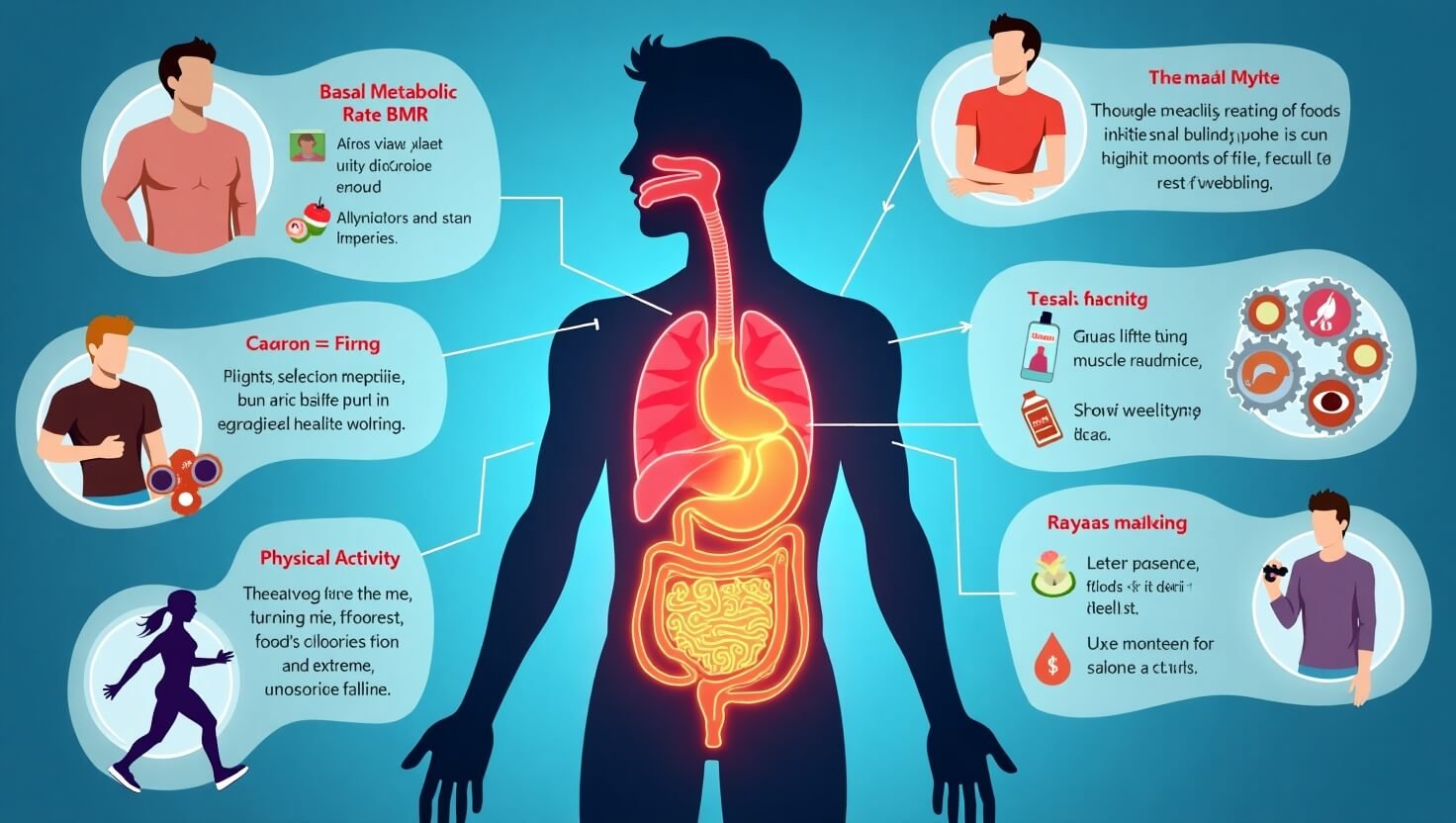
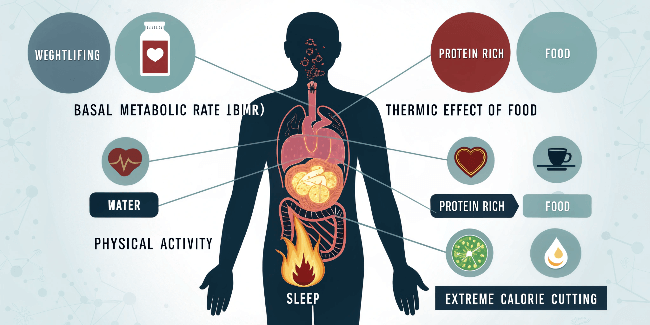
1. Basal Metabolic Rate (BMR): The calories burned at rest to sustain vital functions.
2. Thermic Effect of Food (TEF): The energy used to digest, absorb, and process nutrients from food.
3. Physical Activity: Includes both structured exercise and non-exercise activities like walking or fidgeting.


How Metabolism Affects Weight Loss

Weight loss fundamentally boils down to the balance between calories consumed and calories burned. While metabolism plays a significant role in determining how many calories your body burns daily, it is not the sole factor influencing weight loss.

1. Caloric Burn and Energy Balance

Your metabolic rate determines how efficiently your body uses calories for energy. A higher metabolic rate means more calories burned at rest, which can aid in creating a caloric deficit—a key requirement for weight loss. However, even with a “slow” metabolism, weight gain typically results from consuming more calories than you burn.

2. Adaptive Thermogenesis

When you lose weight, your body undergoes metabolic adaptations to conserve energy. This phenomenon, known as adaptive thermogenesis, can slow down your metabolic rate and make further weight loss more challenging. For instance:
– Your BMR decreases as you lose lean body mass.
– Hormonal changes (e.g., reduced thyroid hormones and leptin levels) signal your body to conserve energy.
– Hunger-regulating hormones like ghrelin increase, making you feel hungrier.

These adaptations are evolutionary mechanisms designed to prevent starvation but can hinder sustained weight loss efforts.

3. Muscle Mass and Metabolism

Muscle tissue is more metabolically active than fat tissue, meaning it burns more calories at rest. Therefore, individuals with higher muscle mass tend to have a higher BMR. Incorporating strength training into your fitness routine can help preserve or build muscle during weight loss, mitigating the decline in metabolic rate.


Factors That Influence Metabolism

Several factors determine your metabolic rate:
1. Age: Metabolism slows down as you age due to muscle mass loss and hormonal changes.
2. Gender: Men generally have a higher BMR than women because of greater muscle mass.
3. Genetics: Your genetic makeup influences how efficiently your body burns calories.
4. Body Composition: More muscle mass equals a higher metabolic rate.
5. Hormones: Hormonal imbalances (e.g., thyroid dysfunction) can significantly impact metabolism.


Can You Boost Your Metabolism?

While some aspects of metabolism are beyond your control (e.g., genetics), there are ways to optimize it for better weight management:

1. Build Muscle

Strength training increases muscle mass, which boosts your resting metabolic rate. Even after a workout, your body continues to burn calories during the recovery phase.

2. Stay Active

Incorporate both structured exercise and non-exercise activities like walking or standing more often throughout the day. These small movements contribute to your total daily energy expenditure.

3. Eat Enough Protein

Protein has a high thermic effect compared to fats and carbohydrates, meaning it requires more energy to digest. Additionally, protein helps preserve muscle mass during weight loss.

4. Stay Hydrated

Drinking water has been shown to temporarily boost metabolism through thermogenesis—the process of heat production in the body.

5. Get Quality Sleep

Poor sleep disrupts hormones that regulate hunger (ghrelin) and fullness (leptin), potentially leading to overeating and a slower metabolic rate.

6. Avoid Extreme Calorie Restriction

Severe calorie restriction can trigger adaptive thermogenesis, slowing down your metabolism and making long-term weight loss harder.


Common Misconceptions About Metabolism

1. “Slow Metabolism Causes Weight Gain”

While a slow metabolism might make it slightly harder to lose weight, overeating relative to your caloric needs is usually the primary cause of weight gain.

2. “Certain Foods Supercharge Metabolism”

While some foods (e.g., green tea or spicy peppers) may slightly increase calorie burn temporarily, their effects are minimal compared to overall diet and activity levels.

3. “Metabolism Is Fixed”

Metabolic rate is dynamic and can be influenced by lifestyle factors such as diet composition, physical activity levels, and muscle-building exercises.


The Dynamic Nature of Metabolism During Weight Loss

One of the challenges of sustained weight loss is overcoming the body’s natural resistance to change:
– As you lose weight, your BMR decreases because smaller bodies require less energy to function.
– Adaptive thermogenesis further reduces total daily energy expenditure (TDEE), making it harder to maintain a caloric deficit.
– These changes often lead to plateaus where weight loss stalls despite continued efforts.

Understanding these dynamics can help you set realistic expectations and develop strategies for long-term success.

Practical Tips for Sustainable Weight Loss

To manage weight effectively while considering metabolic factors:
– Focus on gradual weight loss (1-2 pounds per week) to minimize muscle loss.
– Combine strength training with cardiovascular exercise for balanced fitness.
– Prioritize nutrient-dense foods that keep you full without excess calories.
– Monitor progress using multiple metrics (e.g., measurements or how clothes fit) rather than just the scale.
– Be patient—metabolic adaptations take time but can be managed with consistency.

Metabolism plays a crucial role in weight loss by determining how efficiently your body burns calories for energy. While factors like age, genetics, and hormones influence metabolic rate, lifestyle choices such as exercise, diet composition, and sleep quality can optimize it for better results.

Understanding the dynamic nature of metabolism—especially during periods of calorie restriction—can empower you to navigate challenges like plateaus or adaptive thermogenesis effectively. By adopting sustainable habits that support both metabolic health and overall well-being, you can achieve long-term success in your weight-loss journey.

What Role Does Metabolism Play in Weight Loss? Read More »

Can Drinking Water Help with Weight Loss?

Water is one of the most essential components for maintaining overall health. It aids in digestion, regulates body temperature, supports kidney function, and keeps joints lubricated. But can drinking water help with weight loss? This question has intrigued researchers and health enthusiasts alike. While drinking water alone isn’t a magic bullet for shedding pounds, it can play a significant role in supporting weight loss efforts when paired with a balanced diet and regular exercise.


The Science Behind Drinking Water and Weight Loss

Drinking water can influence weight loss in several ways:

1. Suppressing Appetite

One common misconception is confusing thirst with hunger. When dehydrated, people often mistake their body’s need for water as a craving for food. Drinking water before meals can help curb appetite by making you feel fuller. Research shows that individuals who drank water before meals consumed fewer calories overall. For instance, one study found that drinking water before meals reduced calorie intake by about 75 calories per meal, which could lead to significant weight loss over time.

2. Boosting Metabolism

Drinking water may temporarily boost your metabolism. Studies suggest that consuming around 500 mL of warm water can increase metabolic rates by up to 30% for 10–40 minutes. This effect, though modest, contributes to burning extra calories throughout the day.

3. Replacing High-Calorie Beverages

Water is calorie-free, making it an excellent alternative to sugary drinks like sodas, juices, and energy drinks. These beverages are often loaded with unnecessary calories that contribute to weight gain. By replacing them with water, you can significantly reduce your daily calorie intake.

4. Promoting Fat Loss

Long-term studies have shown that increasing water consumption is associated with reductions in body weight and fat percentage in overweight individuals. This effect is independent of diet and physical activity, suggesting that hydration itself plays a role in weight management.


How Much Water Should You Drink?

The “8 glasses a day” rule is widely known but not universally applicable. The amount of water you need depends on factors like age, activity level, climate, and overall health. Foods high in water content—such as fruits and vegetables—also contribute to hydration. While there’s no one-size-fits-all answer, aiming for 64 ounces (about 2 liters) per day is a good starting point for most adults.

Practical Tips for Increasing Water Intake

If you’re looking to incorporate more water into your daily routine for weight loss or general health benefits, here are some strategies:

– Drink Before Meals: Have a glass of water 30 minutes before eating to help control portion sizes and reduce calorie intake.
– Tie It to Routine: Drink water at specific times during the day—when you wake up, before meals, or after brushing your teeth.
– Flavor Your Water: Add slices of lemon, cucumber, or berries to make plain water more appealing.
– Track Your Intake: Use apps or smart bottles to monitor how much water you consume each day.
– Replace Sugary Drinks: Swap sodas and juices for water or herbal teas to cut down on empty calories.


Debunking Myths About Water and Weight Loss

While drinking water offers numerous benefits, it’s important to separate fact from fiction:

– Cold Water Burns More Calories: The idea that ice-cold water significantly boosts calorie burning is largely exaggerated. While your body expends energy warming cold water to body temperature, the effect is minimal and unlikely to impact weight loss significantly[7].
– Water Alone Causes Weight Loss: Drinking more water without addressing other aspects of your lifestyle—like diet and exercise—won’t lead to substantial weight loss[7]. Water complements healthy habits but isn’t a standalone solution.


Japanese Water Therapy: Does It Work?

Japanese water therapy involves drinking several glasses of room-temperature water first thing in the morning and adhering to strict eating windows throughout the day. While anecdotal evidence suggests this practice may help some people lose weight due to increased hydration and reduced snacking opportunities, scientific studies on its effectiveness are limited. The key takeaway is that hydration supports healthy habits rather than directly causing weight loss.


The Role of Hydration in Overall Health

Beyond its potential impact on weight loss, staying hydrated offers numerous health benefits:

– Improves digestion and prevents constipation.
– Enhances skin health by maintaining elasticity.
– Supports kidney function by flushing out toxins.
– Reduces bloating caused by fluid retention.


Drinking Water as Part of a Holistic Approach

Drinking water can aid weight loss by suppressing appetite, boosting metabolism, replacing high-calorie beverages, and promoting fat loss. However, it’s not a standalone solution; it works best when integrated into a comprehensive lifestyle plan that includes a balanced diet and regular physical activity.

To maximize the benefits of drinking water:
– Pair hydration with nutrient-rich meals.
– Stay active throughout the day.
– Monitor your progress over time.

Ultimately, while drinking more water won’t guarantee dramatic weight loss results on its own, it remains an essential component of any healthy lifestyle aimed at achieving sustainable weight management goals.

Can Drinking Water Help with Weight Loss? Read More »