keto diet

Can I Drink Alcohol on Keto?

If you’re following a ketogenic diet, you’re likely focused on keeping carbs low, burning fat efficiently, and staying in ketosis. But when it comes to socializing or unwinding, one common question arises: “Can I drink alcohol on keto?” The short answer is yes—but with some key guidelines. In this article, we’ll walk you through which alcoholic drinks fit into a keto lifestyle, how alcohol affects ketosis, and how to enjoy a drink or two without derailing your goals.

How Alcohol Affects Ketosis

When you consume alcohol on a ketogenic diet, your body prioritizes metabolizing alcohol over burning fat. This doesn’t mean you’re immediately kicked out of ketosis, but it does temporarily halt fat burning.

Your liver processes alcohol into acetate, which the body prefers to use for energy before it returns to burning fat. That means if you’re trying to lose weight, drinking may slow your progress temporarily.


Keto-Friendly Alcohol Choices

To keep things keto, you need to focus on alcohols that are low or zero in carbohydrates. Fortunately, many options fit the bill.

Hard Liquors (Zero-Carb Alcohols)

Most distilled spirits are completely free of carbs, making them ideal for keto. Here are some popular zero-carb choices:

  • Vodka
  • Gin
  • Tequila
  • Whiskey
  • Rum (unflavored)
  • Brandy

Pro Tip: Always choose unflavored versions. Many flavored spirits have added sugars that can knock you out of ketosis.

Keto-Approved Mixers

If you’re mixing drinks, steer clear of sugary sodas and juices. Instead, opt for these keto-safe mixers:

  • Sparkling water
  • Soda water
  • Unsweetened iced tea
  • Diet tonic water
  • Lemon or lime slices

These keep your drink refreshing and carb-free.

What Are the Benefits of Meal Prepping for Weight Loss?

Low-Carb Wine on Keto

Wine can be part of your keto lifestyle—if you choose wisely. Dry wines generally contain fewer carbs than sweet varieties.

Best Keto Wines

  • Dry red wines: Cabernet Sauvignon, Pinot Noir, Merlot (3–4g carbs/glass)
  • Dry white wines: Sauvignon Blanc, Chardonnay, Pinot Grigio (2–3g carbs/glass)
  • Champagne or sparkling wine (Brut): ~1–2g carbs/glass

Avoid dessert wines and anything labeled “sweet” or “semi-sweet.”


Is Beer Keto-Friendly?

Beer is notoriously high in carbs, but there are a few exceptions.

Low-Carb Beers to Consider

  • Michelob Ultra – 2.6g carbs
  • Bud Light Next – 0g carbs
  • Miller Lite – 3.2g carbs
  • Coors Light – 5g carbs

Stick to light beers and always check the label, as many craft or specialty beers contain 15+ grams of carbs per bottle.


How Many Drinks Can I Have on Keto?

Moderation is crucial. While keto allows some flexibility, overindulgence can lead to:

  • Increased appetite and cravings
  • Delayed fat metabolism
  • Hangovers due to dehydration and electrolyte imbalance

Recommended Limits:

  • Women: 1 drink per day
  • Men: 1–2 drinks per day

Always hydrate well and never drink on an empty stomach, especially when on keto.


Alcohol and Weight Loss on Keto

Even if your drink is carb-free, it still contains empty calories. Alcohol has 7 calories per gram, which can add up quickly. When fat loss is the goal, keep track of your overall calorie intake.

Additionally, drinking can lead to poor food choices, especially high-carb snacks. Always have keto snacks on hand to avoid derailing your progress.

Tips for Drinking Alcohol on Keto Safely

  1. Choose Pure Spirits or Dry Wines

Avoid sugary cocktails or beer unless it’s explicitly low-carb.

  1. Drink with a Meal

Food slows alcohol absorption and helps maintain blood sugar balance.

  1. Watch for Hidden Carbs

Be cautious of liqueurs, premixed drinks, and sweetened mixers.

  1. Hydrate Constantly

Alcohol is a diuretic. Combine every drink with a glass of water to stay hydrated.

  1. Track Your Intake

Use apps like MyFitnessPal to log your drinks and ensure you stay within your macros.

Worst Alcoholic Drinks for Keto

Stay far away from the following:

  • Margaritas
  • Pina coladas
  • Sweet wines
  • Craft beers
  • Regular cocktails with sugary syrups or soda

These often contain 20–40g+ of carbs per serving, which is more than a daily keto allowance.

What Happens if I Go Over My Carbs from Alcohol?

If you exceed your carb limit from alcohol, your body may exit ketosis temporarily. Don’t panic—just return to your regular keto eating the next day. You might experience:

  • Sluggishness
  • Bloating
  • Mild sugar cravings

Get back on track with a clean meal, hydrate, and resume your usual keto routine.

How to Order Alcohol on Keto at a Bar or Restaurant

Ordering drinks while staying keto-friendly can be simple if you’re prepared.

Smart Keto Orders:

  • Vodka soda with lime
  • Tequila on the rocks
  • Dry red wine
  • Whiskey neat
  • Rum with diet cola

What to Say to Bartenders:

Ask for no added syrups, no sweet mixers, and verify if a drink has any juice or soda added.

How to Recover from Alcohol Faster on Keto

Keto dieters often experience stronger hangovers, especially if electrolytes are off balance. Here’s how to bounce back:

  • Drink plenty of water during and after
  • Take magnesium, sodium, and potassium supplements
  • Eat a keto-friendly meal with protein and fat
  • Avoid sugar, which can worsen symptoms
  • Get extra sleep to help your body recover

Conclusion: Yes, You Can Drink Alcohol on Keto—But Wisely

So, can you drink alcohol on keto? Absolutely—but make smart choices. Stick to low-carb options, drink in moderation, and stay mindful of your goals. Alcohol doesn’t have to sabotage your progress as long as you’re informed, intentional, and responsible.

The ketogenic lifestyle is all about balancing discipline with enjoyment. With the right strategies, you can savor a cocktail or glass of wine without stepping out of ketosis. Now go ahead, cheers to your health—keto style!


FAQs

  1. Does alcohol kick you out of ketosis immediately?

Not always. Alcohol slows fat burning but doesn’t automatically end ketosis unless it comes with a high-carb mixer or beer.

  1. Is red wine or white wine better on keto?

Both can be keto-friendly if dry. Red wines typically contain slightly more carbs than dry whites, but both are fine in moderation.

  1. Why do I feel drunk faster on keto?

Keto dieters have less glycogen and water in their system, which can amplify alcohol’s effects. Always pace yourself and monitor how you feel.

  1. Can I drink alcohol during intermittent fasting on keto?

Drinking alcohol while fasting isn’t ideal. It can increase intoxication and negatively impact metabolic processes.

  1. What are keto-friendly drinks I can make at home?

Try a vodka soda with lime, a keto mojito (with stevia and fresh mint), or whiskey on the rocks. These are all low-carb and easy to prepare.

Can I Drink Alcohol on Keto? Read More »

What is the Ketogenic Diet, and Does it Help with Weight Loss?

The ketogenic diet, often referred to simply as “keto,” has gained significant popularity in recent years as a weight loss strategy and overall health regimen. This low-carb, high-fat diet has been praised for its ability to transform the body’s metabolism and promote fat burning. But what exactly is the ketogenic diet, and does it truly help with weight loss? Let’s explore its principles, mechanisms, benefits, and potential downsides.


What is the Ketogenic Diet?

The ketogenic diet is a dietary approach that drastically reduces carbohydrate intake while increasing fat consumption. The objective is to shift the body’s primary energy source from glucose (derived from carbohydrates) to fat. This metabolic state, known as ketosis, forces the body to burn fat for fuel instead of carbohydrates.

Key Features of the Ketogenic Diet

1. Macronutrient Composition:

– Approximately 70-80% of daily calories come from fat.
– About 10-20% comes from protein.
– Only 5-10% comes from carbohydrates.

2. Ketosis:

– When carbohydrate intake is reduced to below 20-50 grams per day, the liver begins to produce ketones from stored fat, which serve as an alternative energy source for the brain and body.
3. Foods Allowed:
– High-fat foods like avocados, nuts, seeds, fatty fish, butter, and oils.
– Moderate-protein sources such as meat, poultry, and eggs.
– Low-carb vegetables like leafy greens and cruciferous vegetables.

4. Foods Restricted:

– High-carb foods such as bread, pasta, rice, sugary snacks, fruits (except berries), and starchy vegetables like potatoes.


How Does the Ketogenic Diet Work?

The ketogenic diet works by depriving the body of glucose—its primary energy source—which is typically obtained from carbohydrates. When carbohydrate intake is minimized:
1. The body depletes its glycogen (stored glucose) reserves.
2. Insulin levels drop significantly.
3. The liver converts fat into molecules called ketone bodies, which become the main fuel source.

This metabolic shift not only promotes fat burning but also stabilizes blood sugar levels and reduces hunger hormones like ghrelin. These effects make it easier for individuals to consume fewer calories without feeling deprived.


Does the Ketogenic Diet Help with Weight Loss?

Numerous studies suggest that the ketogenic diet can be highly effective for weight loss. Here’s how it promotes weight reduction:

1. Enhanced Fat Burning

When in ketosis, the body becomes efficient at burning stored fat for energy. This leads to a reduction in overall body fat percentage.

2. Appetite Suppression

Ketosis has been shown to suppress appetite by regulating hunger hormones such as ghrelin and leptin. This natural reduction in appetite helps individuals consume fewer calories without feeling hungry.

3. Improved Insulin Sensitivity

By lowering carbohydrate intake, the ketogenic diet reduces insulin levels and improves insulin sensitivity. This is particularly beneficial for overweight individuals or those with type 2 diabetes.

4. Rapid Initial Weight Loss

The initial phase of the ketogenic diet often leads to rapid water weight loss as glycogen stores are depleted. While this is not fat loss per se, it can be motivating for individuals starting their weight loss journey.

5. Long-Term Fat Loss

Studies have shown that individuals on a ketogenic diet tend to lose more weight over time compared to those on low-fat diets or other conventional weight loss programs.


Scientific Evidence Supporting Keto for Weight Loss

A meta-analysis of randomized controlled trials found that the ketogenic diet significantly reduced body weight, waist circumference, and triglyceride levels in overweight individuals compared to other diets. Additionally:
– Participants experienced improved glycemic control and increased levels of HDL (good cholesterol).
– Another study highlighted that keto dieters lost more weight over six months than those following low-fat diets.

Other Health Benefits of the Ketogenic Diet

In addition to weight loss, the ketogenic diet offers several other health benefits:
1. Improved Blood Sugar Control: Beneficial for managing type 2 diabetes by reducing blood sugar levels and improving insulin sensitivity.
2. Neurological Benefits: Originally developed in 1921 to treat epilepsy, keto has shown promise in managing neurological conditions like Alzheimer’s disease and Parkinson’s disease.
3. Reduced Risk of Heart Disease: By improving lipid profiles (lowering triglycerides and increasing HDL), keto may reduce cardiovascular risk factors.
4. Potential Cancer Therapy: Preliminary research suggests that keto may inhibit tumor growth by depriving cancer cells of glucose.
5. Anti-Inflammatory Effects: The reduction in processed carbs and sugars may lower inflammation levels in the body.


Potential Downsides of the Ketogenic Diet

Despite its benefits, the ketogenic diet may not be suitable for everyone due to certain drawbacks:

1. Keto Flu

Many individuals experience flu-like symptoms (e.g., fatigue, headaches) during the initial transition into ketosis as the body adapts to using ketones instead of glucose.

2. Nutrient Deficiencies

Restricting fruits, grains, and some vegetables can lead to deficiencies in essential vitamins and minerals if not carefully managed.

3. Difficulty Maintaining Long-Term

The strict nature of keto can make it challenging to sustain over time.

4. Potential Side Effects

Some people may experience constipation due to low fiber intake or elevated cholesterol levels from high-fat consumption.

5. Not Suitable for Everyone

The ketogenic diet may not be appropriate for individuals with certain medical conditions (e.g., pancreatitis or gallbladder issues) or pregnant women without medical supervision.


Different Types of Ketogenic Diets

There are several variations of the ketogenic diet tailored to different needs:
1. Standard Ketogenic Diet (SKD): High fat (70%), moderate protein (20%), very low carbs (10%).
2. Cyclical Ketogenic Diet (CKD): Alternates between periods of strict keto and higher carb intake.
3. Targeted Ketogenic Diet (TKD): Allows carb consumption around workouts.
4. High-Protein Ketogenic Diet: Similar to SKD but with higher protein intake (35% protein).


Tips for Success on a Ketogenic Diet

To maximize results on a ketogenic diet:
1. Plan meals ahead of time to ensure proper macronutrient ratios.
2. Stay hydrated and replenish electrolytes (e.g., sodium, potassium) to avoid keto flu symptoms.
3. Incorporate high-fiber foods like avocados and leafy greens to support digestion.
4. Monitor ketone levels using urine strips or blood tests if desired.
5. Consult a healthcare professional before starting keto if you have underlying health conditions.


The ketogenic diet is a scientifically-backed approach that can help with weight loss by promoting fat burning, suppressing appetite, and improving metabolic health markers like insulin sensitivity and lipid profiles. However, it requires careful planning and commitment due to its restrictive nature.

While keto can be effective for many people seeking short-term weight loss or specific health benefits, it may not be suitable or sustainable for everyone in the long term. As with any dietary change, consulting a healthcare provider or nutritionist is recommended before starting a ketogenic lifestyle.

By understanding how keto works and tailoring it to individual needs, many people have successfully achieved their weight loss goals while reaping additional health benefits along the way!

What is the Ketogenic Diet, and Does it Help with Weight Loss? Read More »

What Role Does Metabolism Play in Weight Loss?

Metabolism is a term that often surfaces in discussions about weight loss, fitness, and overall health. Many people attribute their struggles with weight management to having a “slow metabolism,” while others claim their “fast metabolism” keeps them lean. But what exactly is metabolism, and how does it influence weight loss? This article explores the science behind metabolism, its role in weight management, and actionable tips for optimizing it.


What Is Metabolism?

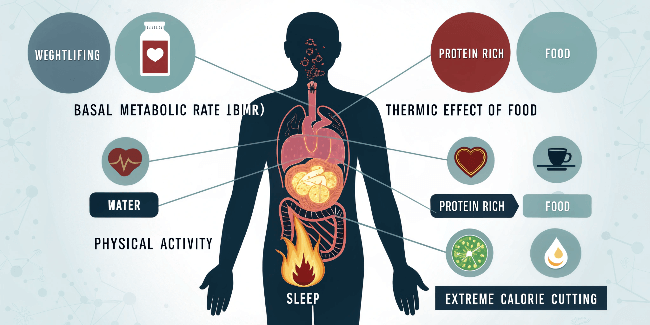
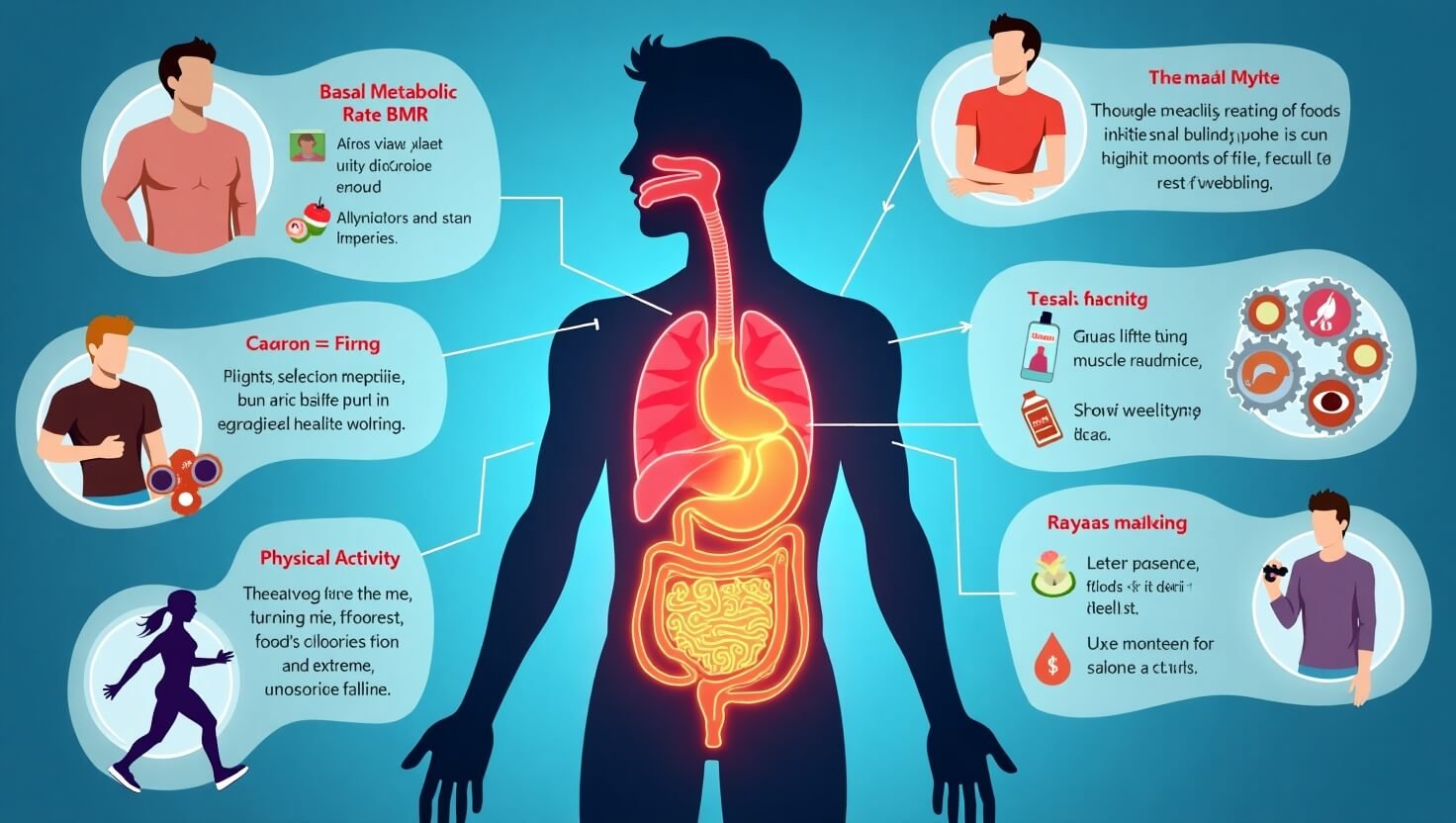
Metabolism refers to the complex biochemical processes through which your body converts food and drink into energy. This energy is essential for maintaining basic bodily functions such as breathing, circulating blood, repairing cells, and regulating temperature. These processes are collectively known as your basal metabolic rate (BMR), which accounts for approximately 60-70% of the calories you burn daily.

The energy expenditure from metabolism can be divided into three main components:
1. Basal Metabolic Rate (BMR): The calories burned at rest to sustain vital functions.
2. Thermic Effect of Food (TEF): The energy used to digest, absorb, and process nutrients from food.
3. Physical Activity: Includes both structured exercise and non-exercise activities like walking or fidgeting.


How Metabolism Affects Weight Loss

Weight loss fundamentally boils down to the balance between calories consumed and calories burned. While metabolism plays a significant role in determining how many calories your body burns daily, it is not the sole factor influencing weight loss.

1. Caloric Burn and Energy Balance

Your metabolic rate determines how efficiently your body uses calories for energy. A higher metabolic rate means more calories burned at rest, which can aid in creating a caloric deficit—a key requirement for weight loss. However, even with a “slow” metabolism, weight gain typically results from consuming more calories than you burn.

2. Adaptive Thermogenesis

When you lose weight, your body undergoes metabolic adaptations to conserve energy. This phenomenon, known as adaptive thermogenesis, can slow down your metabolic rate and make further weight loss more challenging. For instance:
– Your BMR decreases as you lose lean body mass.
– Hormonal changes (e.g., reduced thyroid hormones and leptin levels) signal your body to conserve energy.
– Hunger-regulating hormones like ghrelin increase, making you feel hungrier.

These adaptations are evolutionary mechanisms designed to prevent starvation but can hinder sustained weight loss efforts.

3. Muscle Mass and Metabolism

Muscle tissue is more metabolically active than fat tissue, meaning it burns more calories at rest. Therefore, individuals with higher muscle mass tend to have a higher BMR. Incorporating strength training into your fitness routine can help preserve or build muscle during weight loss, mitigating the decline in metabolic rate.


Factors That Influence Metabolism

Several factors determine your metabolic rate:
1. Age: Metabolism slows down as you age due to muscle mass loss and hormonal changes.
2. Gender: Men generally have a higher BMR than women because of greater muscle mass.
3. Genetics: Your genetic makeup influences how efficiently your body burns calories.
4. Body Composition: More muscle mass equals a higher metabolic rate.
5. Hormones: Hormonal imbalances (e.g., thyroid dysfunction) can significantly impact metabolism.


Can You Boost Your Metabolism?

While some aspects of metabolism are beyond your control (e.g., genetics), there are ways to optimize it for better weight management:

1. Build Muscle

Strength training increases muscle mass, which boosts your resting metabolic rate. Even after a workout, your body continues to burn calories during the recovery phase.

2. Stay Active

Incorporate both structured exercise and non-exercise activities like walking or standing more often throughout the day. These small movements contribute to your total daily energy expenditure.

3. Eat Enough Protein

Protein has a high thermic effect compared to fats and carbohydrates, meaning it requires more energy to digest. Additionally, protein helps preserve muscle mass during weight loss.

4. Stay Hydrated

Drinking water has been shown to temporarily boost metabolism through thermogenesis—the process of heat production in the body.

5. Get Quality Sleep

Poor sleep disrupts hormones that regulate hunger (ghrelin) and fullness (leptin), potentially leading to overeating and a slower metabolic rate.

6. Avoid Extreme Calorie Restriction

Severe calorie restriction can trigger adaptive thermogenesis, slowing down your metabolism and making long-term weight loss harder.


Common Misconceptions About Metabolism

1. “Slow Metabolism Causes Weight Gain”

While a slow metabolism might make it slightly harder to lose weight, overeating relative to your caloric needs is usually the primary cause of weight gain.

2. “Certain Foods Supercharge Metabolism”

While some foods (e.g., green tea or spicy peppers) may slightly increase calorie burn temporarily, their effects are minimal compared to overall diet and activity levels.

3. “Metabolism Is Fixed”

Metabolic rate is dynamic and can be influenced by lifestyle factors such as diet composition, physical activity levels, and muscle-building exercises.


The Dynamic Nature of Metabolism During Weight Loss

One of the challenges of sustained weight loss is overcoming the body’s natural resistance to change:
– As you lose weight, your BMR decreases because smaller bodies require less energy to function.
– Adaptive thermogenesis further reduces total daily energy expenditure (TDEE), making it harder to maintain a caloric deficit.
– These changes often lead to plateaus where weight loss stalls despite continued efforts.

Understanding these dynamics can help you set realistic expectations and develop strategies for long-term success.

Practical Tips for Sustainable Weight Loss

To manage weight effectively while considering metabolic factors:
– Focus on gradual weight loss (1-2 pounds per week) to minimize muscle loss.
– Combine strength training with cardiovascular exercise for balanced fitness.
– Prioritize nutrient-dense foods that keep you full without excess calories.
– Monitor progress using multiple metrics (e.g., measurements or how clothes fit) rather than just the scale.
– Be patient—metabolic adaptations take time but can be managed with consistency.

Metabolism plays a crucial role in weight loss by determining how efficiently your body burns calories for energy. While factors like age, genetics, and hormones influence metabolic rate, lifestyle choices such as exercise, diet composition, and sleep quality can optimize it for better results.

Understanding the dynamic nature of metabolism—especially during periods of calorie restriction—can empower you to navigate challenges like plateaus or adaptive thermogenesis effectively. By adopting sustainable habits that support both metabolic health and overall well-being, you can achieve long-term success in your weight-loss journey.

What Role Does Metabolism Play in Weight Loss? Read More »

What Are the Most Common Side Effects of Erectile Dysfunction and Libido-Boosting Drugs?

Erectile dysfunction (ED) and low libido can significantly impact a person’s quality of life, self-esteem, and relationships. Fortunately, modern medicine has developed effective treatments to address these concerns, including prescription medications like Viagra (sildenafil), Cialis (tadalafil), Levitra (vardenafil), and other over-the-counter libido-boosting supplements. While these drugs can be life-changing for many individuals, they are not without potential drawbacks. Understanding the common side effects associated with these treatments is essential for making informed decisions about your health.


How Do ED and Libido-Boosting Drugs Work?

Before diving into the common side effects, it’s important to understand how these medications function. ED drugs primarily work by increasing blood flow to the penis, enabling men to achieve and maintain an erection when sexually stimulated. They belong to a class of medications called phosphodiesterase type 5 (PDE5) inhibitors. On the other hand, libido-boosting supplements often contain natural ingredients like herbs, vitamins, and amino acids that aim to enhance sexual desire and performance.

While these treatments are generally safe when used as directed, they can cause unwanted reactions in some individuals. Let’s explore the common side effects associated with these drugs.

Common Side Effects of Erectile Dysfunction Drugs

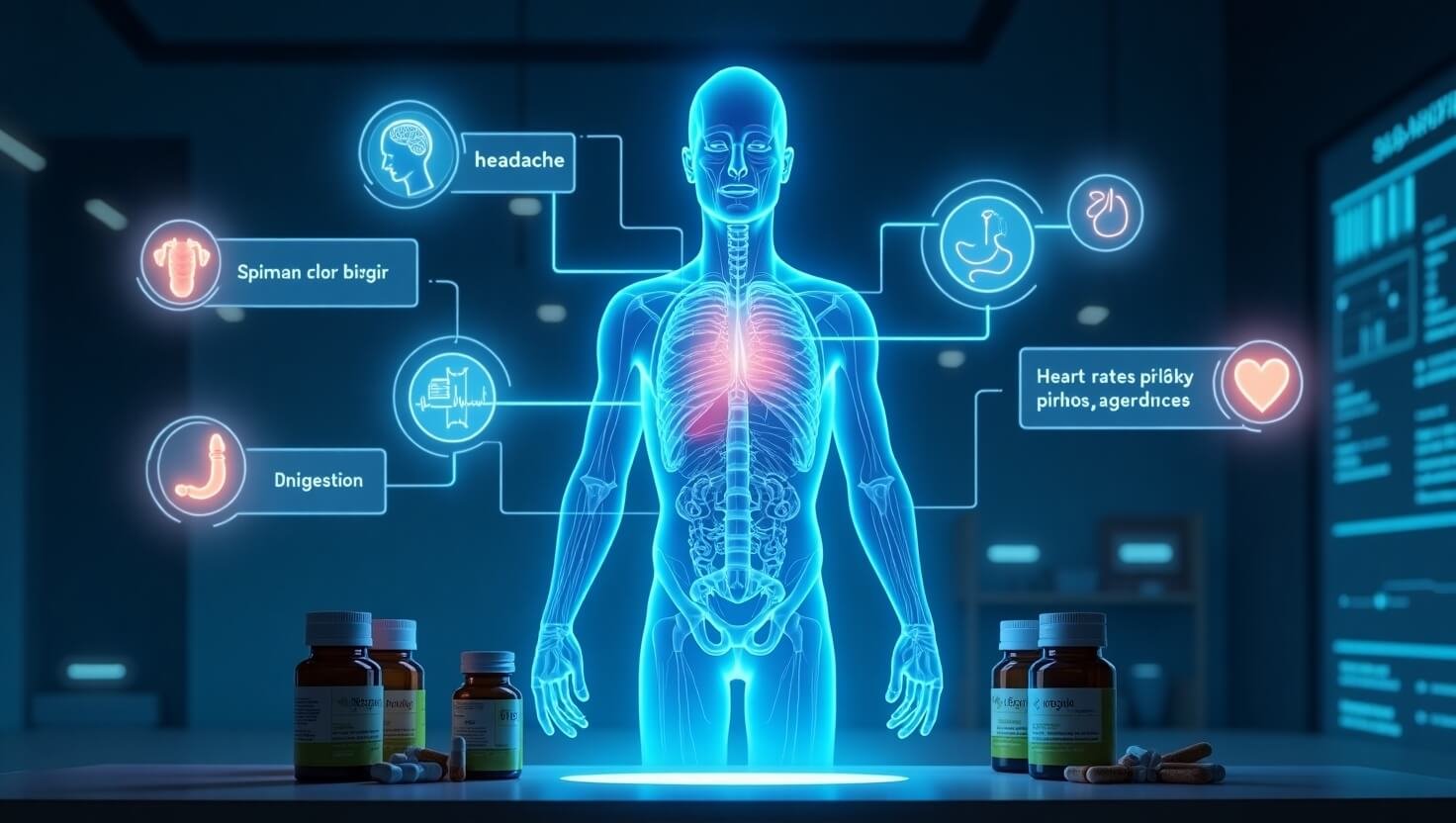
1. Headaches

One of the most frequently reported common side effects of ED medications is headaches. This occurs because PDE5 inhibitors increase blood flow throughout the body, including the brain, which can lead to mild to moderate headaches. While this side effect is usually temporary, it can be uncomfortable for some users.

2. Flushing

Many people experience facial flushing or redness after taking ED drugs. This happens due to the dilation of blood vessels, which increases blood flow near the skin’s surface. Although harmless, flushing can sometimes cause embarrassment or discomfort.

3. Nasal Congestion

Another vascular-related common side effect is nasal congestion or a stuffy nose. Similar to flushing, this symptom arises from increased blood flow to mucous membranes in the nasal passages. It typically resolves on its own but may require decongestants if severe.

4. Indigestion or Upset Stomach

Some users report gastrointestinal issues such as indigestion, acid reflux, or nausea after taking ED medications. These symptoms are usually mild and subside within a few hours. Taking the medication with food can sometimes help reduce stomach irritation.

5. Dizziness or Lightheadedness

A drop in blood pressure caused by ED drugs can lead to feelings of dizziness or lightheadedness. This is particularly common when combined with alcohol or certain medications. It’s crucial to avoid activities like driving or operating heavy machinery if you experience this side effect.

6. Vision Changes

Blurred vision, sensitivity to light, or seeing a blue tint are among the less common but notable common side effects of ED drugs. These visual disturbances occur because PDE5 inhibitors affect enzymes in the eye. If these symptoms persist, consult a healthcare provider immediately.

7. Priapism

Though rare, priapism—a prolonged and painful erection lasting more than four hours—is a serious side effect that requires immediate medical attention. Left untreated, it can damage penile tissue and lead to permanent erectile dysfunction.


Common Side Effects of Libido-Boosting Supplements

Libido-boosting supplements, whether herbal or synthetic, are marketed as natural alternatives to prescription ED drugs. However, they also come with their own set of common side effects:

1. Gastrointestinal Issues

Ingredients like maca root, ginseng, and horny goat weed found in many libido-enhancing products can irritate the digestive system, leading to bloating, diarrhea, or constipation.

2. Hormonal Imbalance

Certain supplements may interfere with hormone levels, especially if taken excessively or over long periods. This can result in mood swings, acne, or irregular menstrual cycles in women.

3. Allergic Reactions

Herbal extracts and additives in libido-boosting pills can trigger allergic responses such as itching, rashes, or swelling. Always check the ingredient list before use, especially if you have known allergies.

4. Increased Heart Rate

Stimulants like caffeine or yohimbine, commonly included in libido supplements, can elevate heart rate and cause palpitations. Individuals with cardiovascular conditions should exercise caution when using these products.

5. Sleep Disturbances

Due to their stimulating properties, some libido-boosting supplements can disrupt sleep patterns, leading to insomnia or restlessness.


Tips for Minimizing Common Side Effects

If you’re considering ED or libido-boosting drugs, here are some practical tips to minimize the risk of experiencing common side effects:

– Start with a Low Dose: Begin with the lowest effective dose to see how your body reacts before increasing it.
– Avoid Alcohol and Grapefruit Juice: Both can interact with ED medications and worsen side effects like dizziness or headaches.
– Consult Your Doctor: Discuss any pre-existing health conditions or medications you’re taking to ensure compatibility.
– Stay Hydrated: Drinking plenty of water can help alleviate symptoms like headaches and dry mouth.
– Monitor Reactions: Keep track of any adverse effects and report them to your healthcare provider promptly.


When to Seek Medical Attention

While most common side effects of ED and libido-boosting drugs are mild and transient, some symptoms warrant immediate medical attention. These include chest pain, shortness of breath, severe allergic reactions, or priapism. Never ignore these signs, as they could indicate a more serious underlying issue.

Erectile dysfunction and libido-boosting drugs offer promising solutions for those struggling with sexual health challenges. However, being aware of the common side effects associated with these treatments is vital for ensuring safety and effectiveness. By understanding what to expect and taking preventive measures, you can make the most of these medications while minimizing risks. Always prioritize open communication with your healthcare provider to tailor treatment plans that suit your unique needs. Remember, knowledge empowers you to take control of your sexual health responsibly.

Disclaimer: This article is for informational purposes only and does not constitute medical advice. Consult a qualified healthcare professional before starting any new medication or supplement.

What Are the Most Common Side Effects of Erectile Dysfunction and Libido-Boosting Drugs? Read More »

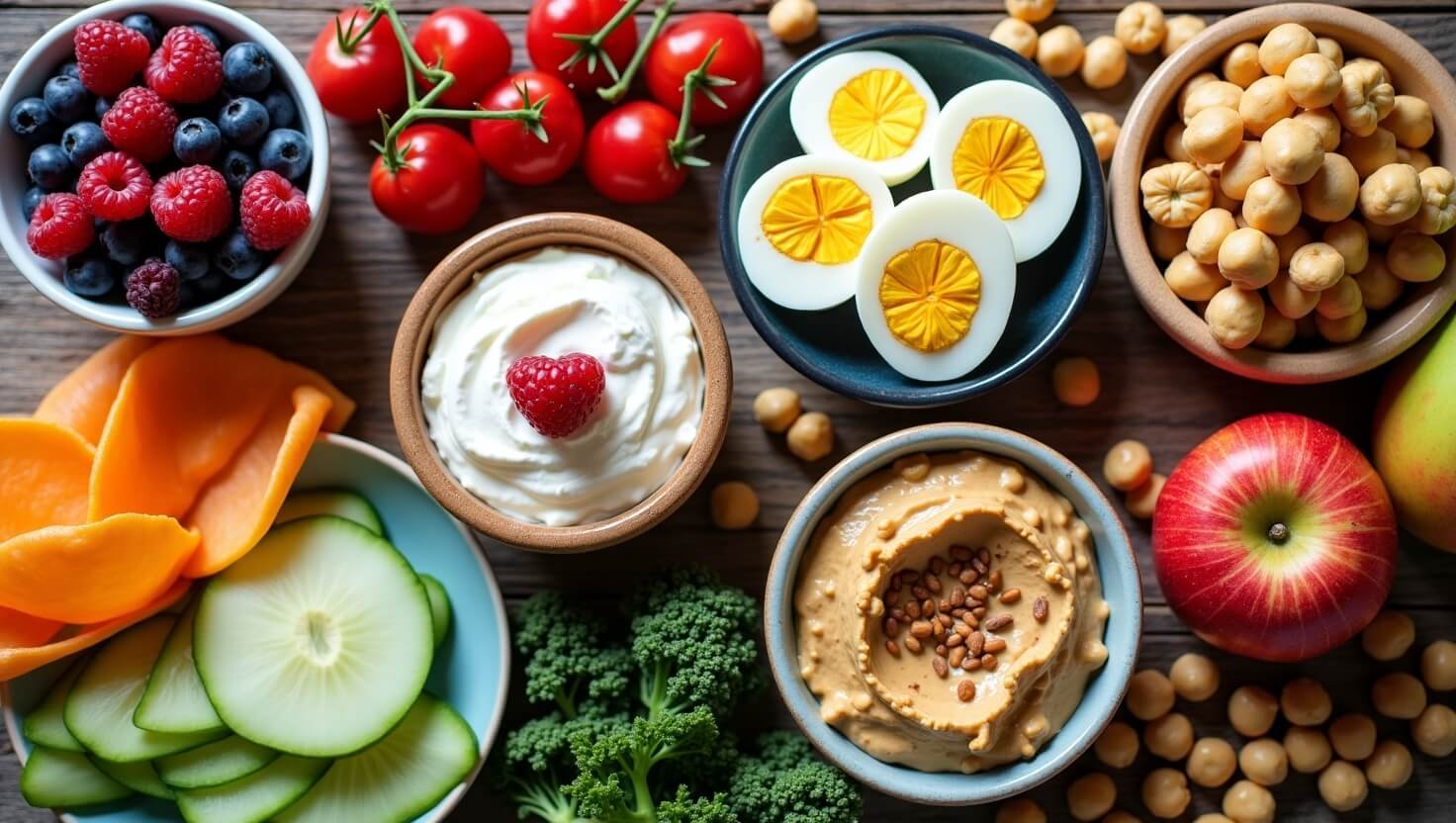
Healthy Snacks for Weight Loss

Weight Loss, Research shows that strategic snacking can be a powerful tool in your weight loss arsenal. The right snacks can help manage hunger, regulate blood sugar, and prevent overeating at mealtimes. By incorporating nutrient-dense options that combine protein, fiber, and healthy fats, you can satisfy cravings while supporting your weight loss goals. This comprehensive guide explores 29 delicious and satisfying snack options that can help you stay on track with your weight loss journey without feeling deprived.


Why Healthy Snacking Matters for Weight Loss

Contrary to popular belief, snacking between meals doesn’t necessarily hinder weight loss efforts. Studies have shown that strategic snacking can actually help you reach your weight loss goals by managing hunger and improving blood sugar regulation. When you satisfy hunger with nutritious snacks, you’re much less likely to overeat at mealtimes or reach for unhealthy processed foods high in sugar and salt.

The key is choosing foods that are high in protein and fiber, as these nutrients tend to be more filling and help you feel satisfied with smaller portions. Foods that are low in calories but high in volume can also help you feel fuller longer, making it easier to maintain a calorie deficit for weight loss. Let’s explore 29 nutritious snack options that can support your weight loss journey.


Protein-Rich Snacks for Weight Loss

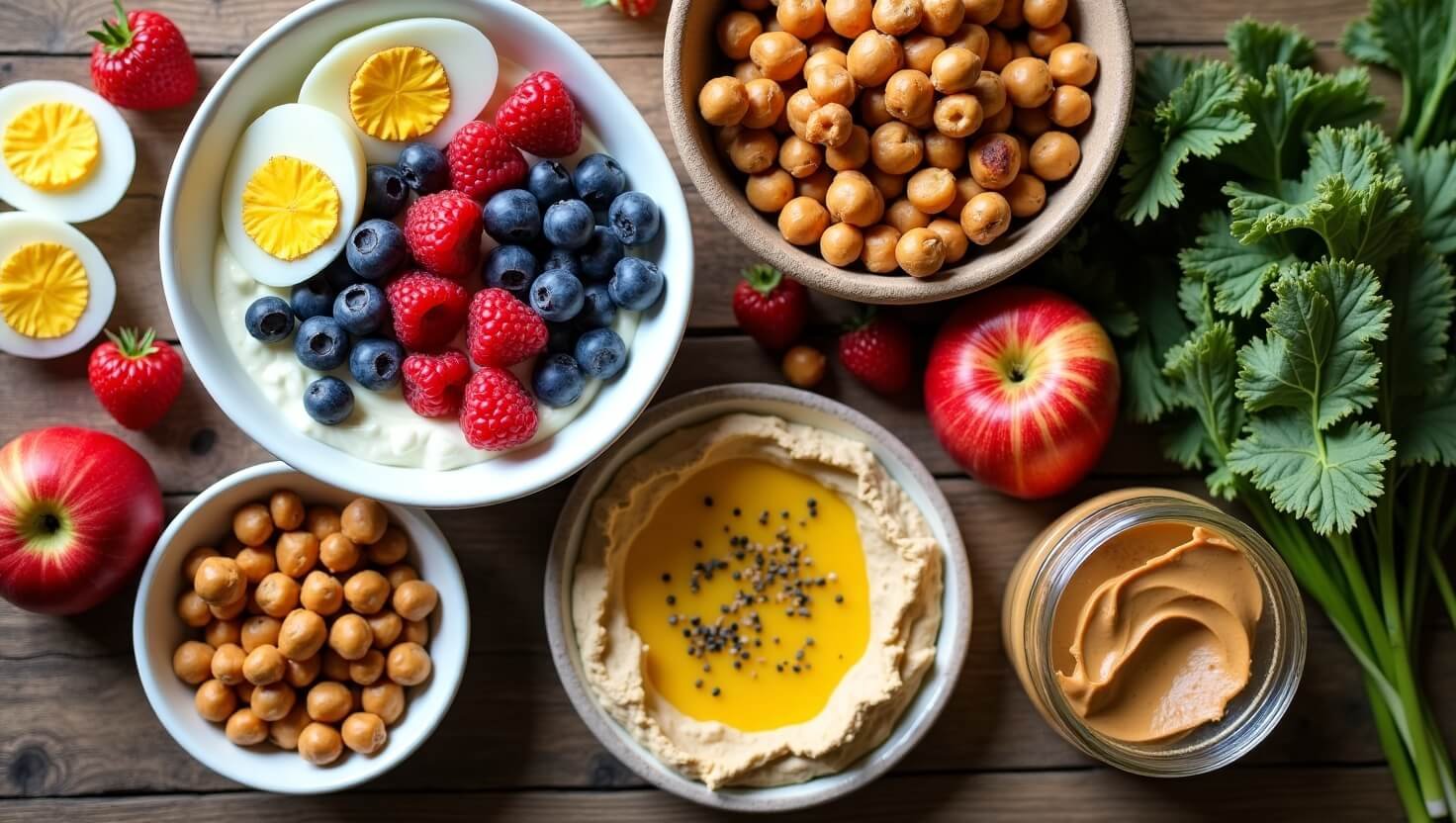
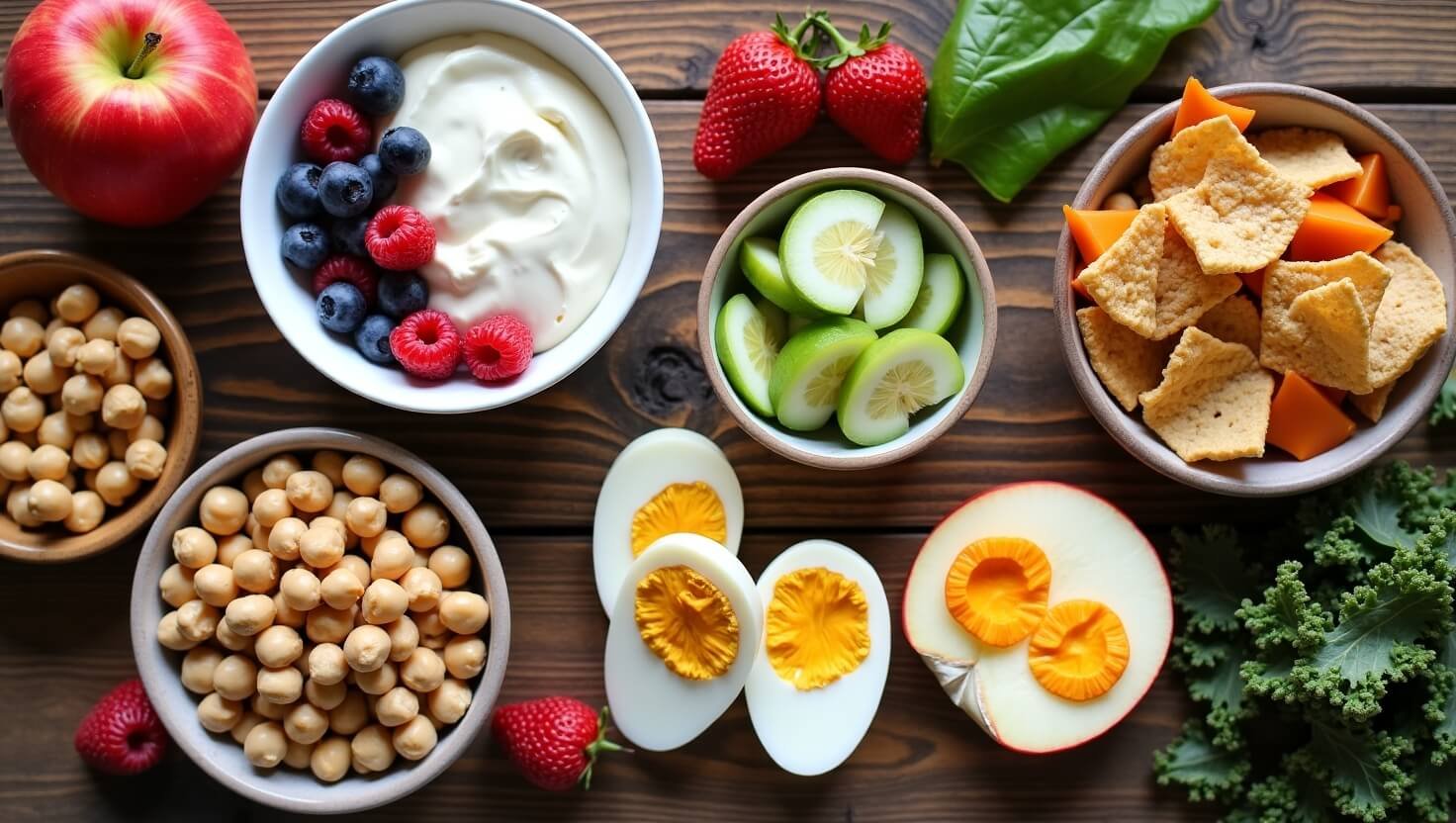
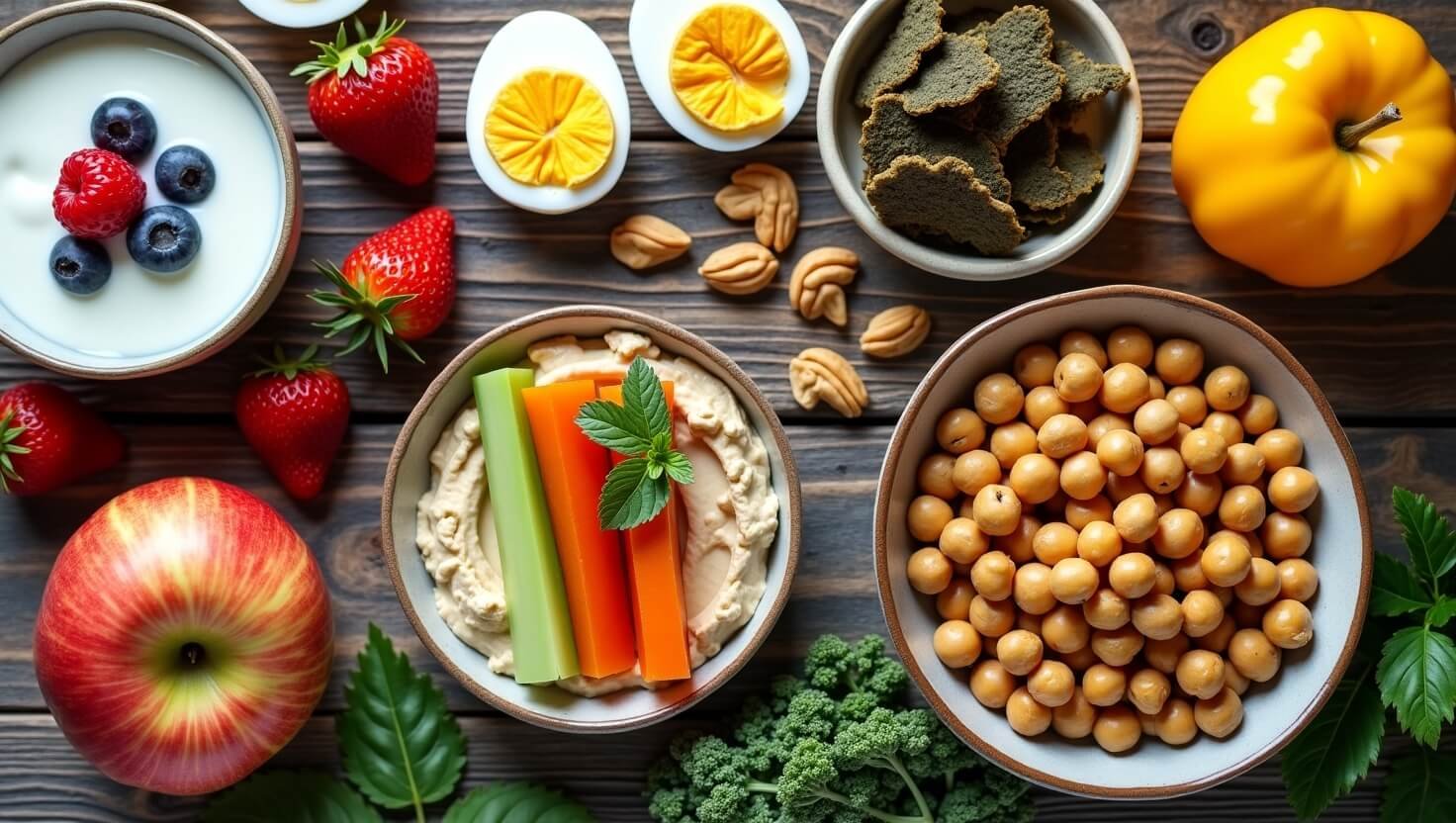
1. Greek Yogurt with Berries

Greek yogurt packs an impressive protein punch, helping to keep hunger at bay. When paired with antioxidant-rich berries, you get a perfect balance of protein, fiber, and natural sweetness. This combination provides essential nutrients while satisfying your sweet tooth in a healthy way.

2. Hard-Boiled Eggs

Simple yet effective, hard-boiled eggs are a portable, high-protein option that can help manage hunger between meals. Recent studies suggest that moderate egg consumption may even be linked with reduced arterial stiffness, a risk factor for heart disease. For optimal nutrition, be sure to eat the yolk, which contains important nutrients like vitamin D and choline.

3. Cottage Cheese with Fruit

With approximately 25 grams of protein per cup, cottage cheese is an excellent weight loss snack. Pairing it with tropical fruits like pineapple, papaya, or watermelon adds fiber and natural sweetness, creating a balanced and satisfying snack. The protein-fiber combination helps control hunger for hours after eating.

4. Nuts

Nuts provide the perfect balance of healthy fats, protein, and fiber, making them an ideal nutritious snack for weight loss. Opt for raw, unsalted varieties like almonds, walnuts, and macadamia nuts. Since nuts are calorie-dense, portion control is important – weigh out snack-sized portions to avoid mindless overeating.


Fiber-Packed Plant-Based Options

5. Hummus with Vegetables

Hummus, traditionally made from pureed chickpeas, tahini, olive oil, and garlic, provides plant-based protein, fiber, and heart-healthy fats. Pairing it with crunchy vegetables like cucumber, bell peppers, or carrots adds volume and additional nutrients to your snack. This Mediterranean-inspired combination is both satisfying and supportive of weight loss goals.

6. Apple with Peanut Butter

This classic combination provides the perfect balance of fiber, protein, and healthy fats. The natural sweetness of the apple satisfies cravings while the peanut butter provides satiating protein and fat. For optimal nutrition, choose natural peanut butter that contains only peanuts and salt, without added sugars or oils.

7. Roasted Chickpeas

This easy, high-protein snack is simple to prepare and customize with different seasonings. Drain and dry canned chickpeas, toss with olive oil and seasonings like paprika, cumin, or garlic powder, then roast for 20-30 minutes. The result is a crunchy, satisfying snack that’s rich in protein and fiber to support weight loss.

8. Bell Peppers with Guacamole

Red bell peppers are particularly rich in antioxidants, while guacamole provides healthy fats from avocados. This colorful combination offers a satisfying crunch with creamy richness, all while delivering fiber and nutrients that support weight loss.


Crunchy and Savory Snacks

9. Kale Chips

Transform nutrient-dense kale into crispy chips for a low-calorie alternative to potato chips. Massage kale leaves with olive oil, spread on a baking sheet, and season with salt, pepper, cumin, garlic powder, or nutritional yeast. Bake until crispy for a satisfying snack that’s packed with fiber and antioxidants.

10. Edamame Beans

These young soybeans are rich in protein, healthy fibers, antioxidants, and vitamin K. Simply boil them in their pods and sprinkle with a little salt or soy sauce for a satisfying and nutritious snack that supports weight loss.

11. Celery Sticks with Cream Cheese

This classic low-carb snack combines the crunch of celery with creamy richness. The high water content of celery makes it filling with very few calories, while the fat in cream cheese helps you feel satisfied. This combination can help keep you full between meals without excess calories.

12. Cucumber with Hummus
Fresh, crunchy cucumber pairs perfectly with creamy hummus for a hydrating, satisfying snack. Cucumbers are incredibly low in calories while providing hydration and fiber, making them an excellent choice for weight loss.


Sweet Treats for Weight Loss

13. Frozen Fruit Bark

This simple two-ingredient treat satisfies sweet cravings while keeping calories in check. Scatter frozen fruits on a baking tray, pour yogurt over the top, and freeze. Once frozen, break into bite-sized pieces for a refreshing, naturally sweet snack. Use Greek yogurt for additional protein or plant-based alternatives for a vegan option.

14. Dark Chocolate with Almonds

For chocolate lovers, this pairing provides antioxidants from the dark chocolate and healthy fats from the almonds. A small amount (a couple of teaspoons of dark chocolate chips or one square with a handful of nuts) can satisfy cravings without derailing weight loss efforts.

15. Frozen Banana Bites

For a healthier alternative to ice cream, try freezing banana pieces dipped in dark chocolate and sprinkled with chopped nuts. This sweet treat provides natural sugars, fiber, and antioxidants while satisfying dessert cravings with fewer calories than traditional frozen treats.

16. Bliss Balls

These energy-dense bites are easy to make at home, allowing you to control the ingredients and avoid the preservatives found in store-bought versions. Combine mashed dates, peanut butter, crushed nuts, and a little honey, then roll into balls and refrigerate. They make perfect portable snacks for busy days.


Quick and Convenient Options

17. Rice Cake Pizzas

Transform plain rice cakes into satisfying mini pizzas by topping them with tomato paste and cheese, then heating briefly in the oven. This creative option provides a low-calorie base with protein from the cheese, creating a more balanced snack than reaching for processed alternatives.

18. Tomatoes and Mozzarella

This classic Italian-inspired combination provides protein, fiber, and healthy fats. Mix cherry tomatoes with fresh mozzarella pearls, a drizzle of balsamic vinegar, and olive oil for a snack that’s both satisfying and supportive of weight loss.

19. Beef Jerky or Beef Sticks

For meat lovers, beef jerky provides a portable, high-protein option that can help maintain fullness between meals. Look for varieties with minimal added sugars and preservatives for the healthiest option.

20. Carrots with Blue Cheese Dressing

The crunchiness of carrots paired with creamy blue cheese dressing creates a satisfying contrast. While blue cheese dressing is calorie-dense, it helps you eat more vegetables and increases the absorption of fat-soluble vitamins from the carrots, like vitamin A.

Nutrient-Dense Combinations

21. Cheese with Whole-Grain Crackers
Cheese provides satiating protein and fat, while whole-grain crackers add fiber. This classic combination offers a good balance of nutrients that can help keep you feeling full while supporting weight loss goals.

22. Fresh Fruit

Simple yet effective, a piece of portable fruit like an apple, pear, orange, or small container of berries makes an excellent weight loss-friendly snack. Fruit provides fiber, vitamins, and minerals with natural sweetness, helping to satisfy cravings with fewer calories than processed snacks.

23. Chia Seed Pudding

These tiny seeds are nutritional powerhouses, loaded with fiber, omega-3 fatty acids, and plant-based protein. When soaked in liquid, they create a pudding-like consistency that’s both filling and nutritious. Mix with almond milk, a touch of honey, and top with fruit for a delicious snack or breakfast option.

24. Greek Yogurt with Honey

Plain Greek yogurt topped with a small amount of honey offers protein with controlled sweetness. This combination helps stabilize blood sugar levels while satisfying cravings for something sweet, making it easier to stick to weight loss goals.


Innovative Weight Loss Snack Ideas

25. Seaweed Snacks

Low in calories but high in minerals and fiber, seaweed snacks offer a unique savory flavor that can help satisfy salt cravings with minimal calories.

26. Turkey Roll-Ups

Roll slices of lean turkey breast with a small amount of cream cheese and a pickle or bell pepper strip for a high-protein, low-carb snack that supports weight loss.

27. Smoothie Popsicles

Pour leftover fruit and yogurt smoothies into popsicle molds for a refreshing frozen treat that’s lower in sugar than commercial popsicles.

28. Pear with Ricotta Cheese

Top pear slices with a dollop of ricotta cheese and a sprinkle of cinnamon for a sweet and creamy snack that’s rich in fiber and protein.

29. Avocado Toast on Thin Rice Cakes

For a lighter version of avocado toast, spread mashed avocado on thin rice cakes and top with a sprinkle of everything bagel seasoning or red pepper flakes.


How to Incorporate These Snacks Into Your Weight Loss Plan

When integrating these snacks into your weight loss strategy, timing and portion control are crucial. Plan your snacks between meals when hunger typically strikes to prevent overeating later. Pre-portion snacks into containers to avoid mindless eating, especially with calorie-dense options like nuts or cheese.

For optimal results, combine protein with fiber in your snacks. This powerful nutritional duo helps maintain stable blood sugar levels and provides lasting fullness. Also, be mindful of your overall daily calorie goals – even healthy snacks contribute to your total intake.

Strategic snacking can be a valuable tool in your weight loss journey when you focus on nutrient-dense options that provide protein, fiber, and healthy fats. These 29 snack ideas offer delicious alternatives to processed foods while helping you stay satisfied between meals. Remember that successful weight loss combines mindful eating with regular physical activity and proper hydration.

By incorporating these healthy snacks into your routine, you can satisfy hunger, fuel your body with beneficial nutrients, and maintain steady energy levels throughout the day – all while supporting your weight loss goals. The key is finding options you genuinely enjoy, as sustainable weight loss depends on creating healthy habits you can maintain long-term.

Healthy Snacks for Weight Loss Read More »