Can I lose weight during menopause?​

Menopause is a natural phase in a woman’s life, marking the end of menstrual cycles and reproductive years. While it is a significant milestone, it often comes with a host of physical and emotional changes, one of the most common being weight gain. Many women find themselves asking, “Can I lose weight during menopause?” The answer is a resounding yes, but it requires understanding the unique challenges of this life stage and adopting a strategic, sustainable approach to weight management.

In this comprehensive, SEO-friendly guide, we’ll explore the science behind weight gain during menopause, the factors that make weight loss challenging, and actionable strategies to help you lose weight and maintain a healthy lifestyle. With over 2500 words of expert advice, practical tips, and evidence-based insights, this article will empower you to take control of your health during menopause.


Understanding Menopause and Weight Gain

What Is Menopause?

Menopause is defined as the point in a woman’s life when she has not had a menstrual period for 12 consecutive months, signaling the end of ovulation and fertility. It typically occurs between the ages of 45 and 55, with the average age being 51. The years leading up to menopause, known as perimenopause, can last anywhere from a few months to a decade and are characterized by fluctuating hormone levels, irregular periods, and a variety of symptoms.

Why Do Women Gain Weight During Menopause?
Weight gain during menopause is a common concern, with studies showing that women may gain an average of 5 to 10 pounds during this transition. Several factors contribute to this phenomenon:

Hormonal Changes

The decline in estrogen levels during menopause affects how the body stores fat. Estrogen plays a role in regulating body fat distribution, and as levels drop, fat tends to accumulate around the abdomen rather than the hips and thighs. This shift increases the risk of visceral fat, which is linked to health issues like heart disease and diabetes.

Loss of Muscle Mass

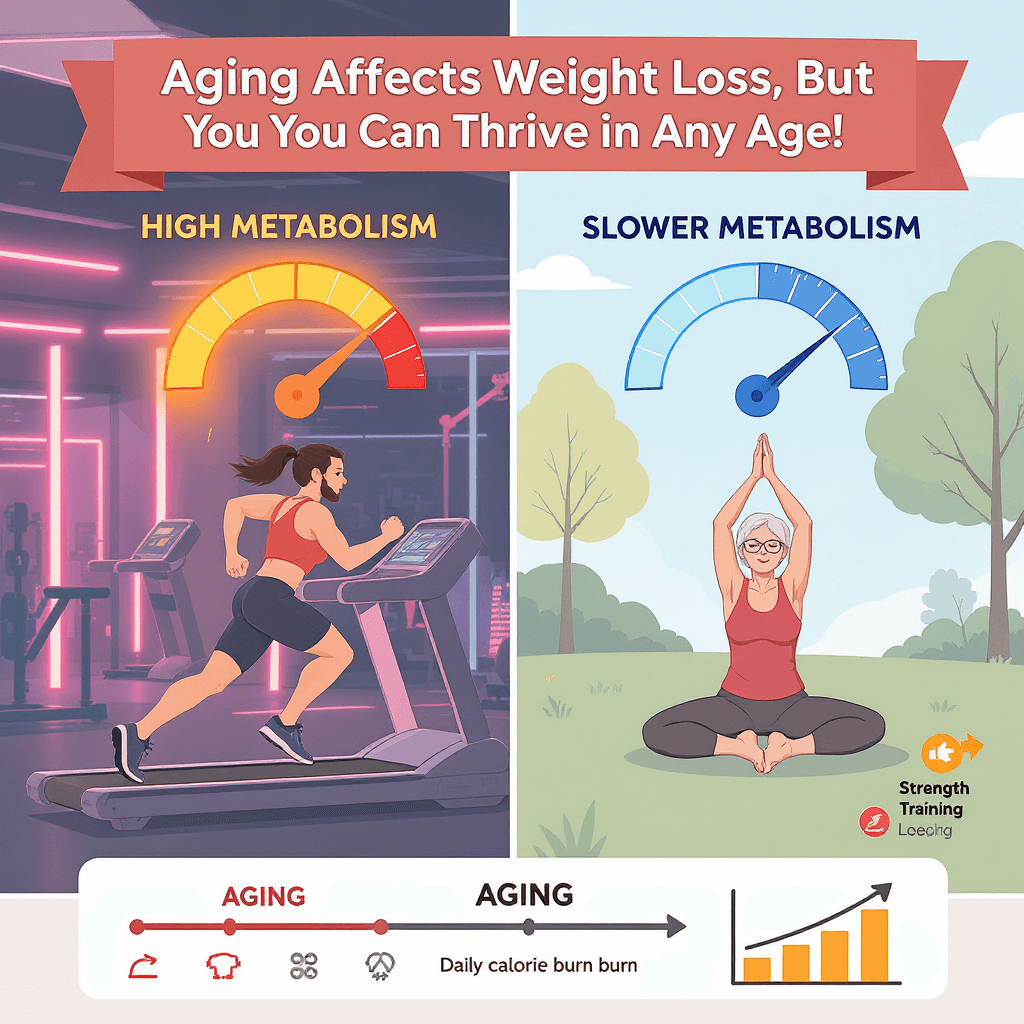
Aging naturally leads to a loss of muscle mass, a condition known as sarcopenia. Muscle tissue burns more calories at rest than fat tissue, so a decrease in muscle mass slows down metabolism, making it easier to gain weight and harder to lose it.

Slower Metabolism

As we age, our metabolic rate naturally declines. This means the body burns fewer calories at rest, which can lead to weight gain if dietary and activity habits remain unchanged.

Lifestyle Factors

Menopause often coincides with other life changes, such as increased stress, poor sleep, and reduced physical activity. These factors can contribute to weight gain and make weight loss more challenging.

Insulin Resistance

Hormonal changes during menopause can increase insulin resistance, making it harder for the body to regulate blood sugar levels. This can lead to increased fat storage, particularly around the midsection.

Is Weight Gain Inevitable During Menopause?

While weight gain is common during menopause, it is not inevitable. By understanding the factors at play and making intentional lifestyle changes, you can not only prevent weight gain but also lose weight during this phase of life. The key is to adopt a holistic approach that addresses diet, exercise, sleep, stress, and overall health.

Challenges of Losing Weight During Menopause
Before diving into strategies for weight loss, it’s important to acknowledge the unique challenges women face during menopause. These challenges can make weight loss feel more difficult, but they are not insurmountable.

Hormonal Fluctuations

The hormonal changes of menopause can lead to increased appetite, cravings for sugary or high-fat foods, and a tendency to store fat. These changes can make it harder to stick to a healthy diet.

Slower Metabolism

A slower metabolism means you burn fewer calories, so you may need to eat less or exercise more to create a calorie deficit for weight loss.

Sleep Disruptions

Hot flashes, night sweats, and other menopausal symptoms can disrupt sleep, leading to fatigue and increased hunger hormones like ghrelin. Poor sleep is also linked to weight gain and difficulty losing weight.

Emotional and Psychological Factors

Menopause can bring mood swings, anxiety, and depression, which may lead to emotional eating or a lack of motivation to exercise.

Joint Pain and Fatigue

Some women experience joint pain, stiffness, or fatigue during menopause, which can make physical activity more challenging.

Despite these challenges, weight loss during menopause is absolutely achievable with the right mindset and strategies. Let’s explore how you can overcome these obstacles and achieve your weight loss goals.


How to Lose Weight During Menopause: A Step-by-Step Guide

Losing weight during menopause requires a multifaceted approach that addresses diet, exercise, lifestyle, and mindset. Below, we outline evidence-based strategies to help you succeed.

1. Optimize Your Diet for Weight Loss

Diet plays a critical role in weight management, especially during menopause. Here are some key dietary strategies to help you lose weight:

a. Focus on a Calorie Deficit

To lose weight, you need to consume fewer calories than you burn. This is known as a calorie deficit. However, it’s important to avoid extreme calorie restriction, as this can slow your metabolism further and lead to muscle loss. Aim for a moderate deficit of 300–500 calories per day, which can result in a safe and sustainable weight loss of 0.5–1 pound per week.

b. Prioritize Protein

Protein is essential for preserving muscle mass, boosting metabolism, and keeping you full. Aim to include a source of lean protein in every meal, such as:

  • Chicken, turkey, or lean beef
  • Fish and seafood
  • Eggs
  • Tofu, tempeh, or legumes
  • Greek yogurt or cottage cheese

Research suggests that women during menopause may benefit from consuming 1.2–1.6 grams of protein per kilogram of body weight daily to support muscle maintenance and weight loss.

c. Choose Nutrient-Dense Foods

Focus on whole, minimally processed foods that are rich in nutrients and low in empty calories. These include:

  • Vegetables: Leafy greens, broccoli, cauliflower, zucchini, and bell peppers
  • Fruits: Berries, apples, oranges, and pears (in moderation due to natural sugars)
  • Whole Grains: Quinoa, brown rice, oats, and whole-grain bread
  • Healthy Fats: Avocado, nuts, seeds, olive oil, and fatty fish like salmon
  • Fiber-Rich Foods: Beans, lentils, chia seeds, and flaxseeds

Fiber is particularly important during menopause, as it promotes satiety, supports digestive health, and helps regulate blood sugar levels.

d. Limit Added Sugars and Refined Carbs

Sugary foods and refined carbohydrates (like white bread, pastries, and sugary drinks) can spike blood sugar levels, increase cravings, and contribute to weight gain. Opt for complex carbohydrates and natural sweeteners like fruit instead.

e. Watch Portion Sizes

Even healthy foods can contribute to weight gain if eaten in large quantities. Use portion control techniques, such as measuring servings or using smaller plates, to avoid overeating.

f. Stay Hydrated

Drinking plenty of water is essential for overall health and can help with weight loss by reducing hunger and boosting metabolism. Aim for at least 8–10 cups of water per day, and consider herbal teas or infused water for variety.

g. Consider a Mediterranean Diet

The Mediterranean diet, which emphasizes whole foods, healthy fats, and lean proteins, has been shown to be effective for weight loss and overall health during menopause. It is also linked to a reduced risk of heart disease, which becomes more important as estrogen levels decline.

2. Incorporate Regular Exercise

Exercise is a cornerstone of weight loss and overall health, especially during menopause. It helps burn calories, preserve muscle mass, improve mood, and reduce the risk of chronic diseases. Here’s how to create an effective exercise plan:

a. Strength Training

Strength training is crucial for combating muscle loss and boosting metabolism. Aim to do strength training exercises at least 2–3 times per week, targeting all major muscle groups. Examples include:

  • Weightlifting (dumbbells, kettlebells, or resistance machines)
  • Bodyweight exercises (push-ups, squats, lunges, and planks)
  • Resistance band workouts

Start with light weights or resistance and gradually increase as you build strength.

b. Cardiovascular Exercise

Cardio exercises help burn calories and improve heart health. Aim for at least 150 minutes of moderate-intensity cardio per week, such as:

  • Brisk walking
  • Cycling
  • Swimming
  • Dancing
  • Aerobics classes

For faster results, consider incorporating high-intensity interval training (HIIT), which alternates short bursts of intense exercise with periods of rest. HIIT is highly effective for burning fat and improving fitness in less time.

c. Flexibility and Mobility

Incorporate stretching, yoga, or Pilates into your routine to improve flexibility, reduce joint pain, and enhance overall mobility. These activities also help manage stress, which is important for weight loss.

d. Stay Active Throughout the Day

In addition to structured exercise, aim to increase your daily activity levels. Simple changes like taking the stairs, walking during phone calls, or gardening can add up and contribute to your calorie burn.

3. Prioritize Sleep

Poor sleep is a common issue during menopause, but it’s also a major barrier to weight loss. Lack of sleep disrupts hunger hormones, increases cravings, and reduces energy for exercise. To improve sleep quality:

  • Stick to a consistent sleep schedule, going to bed and waking up at the same time each day.
  • Create a relaxing bedtime routine, such as reading, meditating, or taking a warm bath.
  • Avoid caffeine, alcohol, and heavy meals close to bedtime.
  • Keep your bedroom cool, dark, and quiet to minimize hot flashes and night sweats.
  • Consider speaking to a healthcare provider if sleep disturbances persist, as hormone therapy or other treatments may help.

4. Manage Stress

Chronic stress can lead to weight gain by increasing cortisol levels, a hormone that promotes fat storage, particularly around the abdomen. To manage stress:

  • Practice mindfulness techniques, such as meditation, deep breathing, or journaling.
  • Engage in activities you enjoy, like hobbies, spending time with loved ones, or being in nature.
  • Consider therapy or counseling if stress, anxiety, or depression is impacting your daily life.

5. Monitor Your Progress

Tracking your progress can help you stay motivated and make adjustments as needed. Consider:

  • Keeping a food diary to monitor your calorie intake and eating habits.
  • Using a fitness tracker to monitor steps, workouts, and sleep.
  • Taking measurements (waist, hips, etc.) or progress photos, as the scale may not always reflect changes in body composition.

6. Consider Medical Support

If you’re struggling to lose weight despite making lifestyle changes, it may be worth consulting a healthcare provider or registered dietitian. They can:

  • Assess for underlying medical conditions, such as thyroid disorders or insulin resistance, that may be affecting your weight.
  • Discuss the potential benefits and risks of hormone replacement therapy (HRT), which may help with menopausal symptoms and weight management in some women.
  • Provide personalized guidance tailored to your needs and goals.

Common Myths About Weight Loss During Menopause

There are many misconceptions about weight loss during menopause that can lead to frustration or unrealistic expectations. Let’s debunk some of the most common myths:

Myth 1: Weight Gain Is Inevitable

While weight gain is common, it is not inevitable. With the right strategies, you can maintain or even lose weight during menopause.

Myth 2: You Can’t Lose Weight After 50

Age is not a barrier to weight loss. While metabolism may slow with age, creating a calorie deficit through diet and exercise can still lead to successful weight loss.

Myth 3: Hormone Therapy Causes Weight Gain

Hormone replacement therapy (HRT) does not inherently cause weight gain. In fact, it may help some women manage symptoms like hot flashes and fatigue, making it easier to stay active and eat healthily.

Myth 4: Crash Diets Are the Answer

Extreme diets may lead to quick weight loss, but they are not sustainable and can result in muscle loss, nutrient deficiencies, and weight regain. Focus on long-term, balanced eating habits instead.


The Importance of a Positive Mindset

Weight loss during menopause is not just about diet and exercise—it’s also about mindset. Here are some tips to stay motivated and maintain a positive outlook:

  • Set Realistic Goals: Aim for gradual, sustainable weight loss rather than rapid results. Celebrate small victories along the way.
  • Focus on Health, Not Just Weight: Shift your focus from the number on the scale to overall health improvements, such as increased energy, better sleep, and reduced risk of chronic diseases.
  • Be Kind to Yourself: Menopause is a time of transition, and it’s normal to face challenges. Avoid self-criticism and practice self-compassion.
  • Seek Support: Join a support group, enlist a workout buddy, or work with a coach or therapist to stay accountable and motivated.

Long-Term Weight Management After Menopause

Once you’ve achieved your weight loss goals, the focus shifts to maintaining your results. Here are some tips for long-term success:

  • Continue to prioritize a balanced diet rich in whole foods.
  • Stay active with a mix of strength training, cardio, and flexibility exercises.
  • Regularly reassess your calorie needs, as metabolism may continue to slow with age.
  • Stay consistent with healthy habits, but allow for flexibility and enjoyment in your diet and lifestyle.

Conclusion: Yes, You Can Lose Weight During Menopause!

Losing weight during menopause is not only possible but also achievable with the right approach. By understanding the unique challenges of this life stage and adopting a holistic strategy that includes a balanced diet, regular exercise, quality sleep, stress management, and a positive mindset, you can take control of your health and achieve your weight loss goals.

Remember, the journey to weight loss during menopause is not about perfection—it’s about progress. Be patient, stay consistent, and seek support when needed. With dedication and the right tools, you can not only lose weight but also improve your overall well-being and thrive during this transformative phase of life.

If you’re ready to start your weight loss journey, consult with a healthcare provider or registered dietitian to create a personalized plan that works for you. Menopause may bring changes, but it’s also an opportunity to prioritize your health and embrace a vibrant, active lifestyle.

Can I lose weight during menopause?​ Read More »

How Does Meal Timing Influence Weight Loss?

When it comes to weight loss, most people focus on what they eat—cutting carbs, counting calories, and increasing protein intake. But an often overlooked, yet incredibly powerful factor in weight management is meal timing.

In recent years, researchers and nutritionists have turned their attention to when you eat, revealing that meal timing may play a significant role in metabolism, fat storage, energy levels, and ultimately, weight loss.

This article explores the science behind meal timing, its effects on your body’s internal clock, and practical tips for aligning your eating habits with your weight loss goals.

Understanding Meal Timing: What Does It Mean?

Meal timing refers to the schedule of when you consume your meals and snacks throughout the day. It includes factors such as:

  • The time of your first meal (typically breakfast)
  • The interval between meals
  • When you eat your last meal of the day
  • Whether you follow a consistent meal routine daily

For example, eating breakfast at 7 a.m. and dinner at 6 p.m. versus skipping breakfast and eating your first meal at noon affects your metabolism and energy usage in very different ways.

The Science Behind Meal Timing and Your Body Clock

Our bodies run on a circadian rhythm, a 24-hour internal clock that regulates sleep, hormones, digestion, and metabolism. This biological clock is influenced by external cues such as light and, crucially, food intake.

When you eat can either support or disrupt your natural rhythm. Eating in sync with your circadian clock helps maintain metabolic balance, while erratic eating patterns can lead to insulin resistance, weight gain, and increased risk for chronic diseases.

How Meal Timing Affects Your Circadian Rhythm

Here’s how meal timing and circadian rhythms are connected:

  • Morning: Your insulin sensitivity is highest in the morning, which means your body is better at handling carbohydrates and using glucose efficiently. Eating earlier in the day aligns with your metabolism’s peak performance.
  • Evening: Your metabolism begins to slow down in the evening, making late-night eating more likely to lead to fat storage.

Studies show that consuming the majority of your daily calories earlier in the day can lead to better weight loss outcomes than eating the same number of calories later.


Taylor Swift Diet Secrets that actually work


Key Scientific Findings on Meal Timing and Weight Loss

Let’s delve into some compelling research that supports the importance of meal timing in weight management.

1. Eating Earlier in the Day May Promote Weight Loss

A landmark study published in the International Journal of Obesity in 2013 found that people who ate their largest meal before 3 p.m. lost significantly more weight than those who ate a large dinner, despite consuming similar calories and engaging in similar physical activity.

Key Takeaway: Front-loading your calories earlier in the day can enhance your weight loss efforts.

2. Skipping Breakfast Can Backfire

While intermittent fasting and skipping breakfast have become trendy, not everyone benefits from this approach. For many people, skipping breakfast may lead to overeating later in the day or choosing more calorie-dense, less nutritious foods.

A 2017 meta-analysis concluded that breakfast eaters tend to have a lower body mass index (BMI) and healthier diets overall.

Key Takeaway: Starting your day with a healthy, balanced meal may help regulate appetite and reduce total daily calorie intake.

3. Late-Night Eating Is Linked to Weight Gain

Several studies have shown that eating late at night—especially after 8 p.m.—is associated with weight gain. Late-night meals may interfere with the body’s ability to burn fat efficiently and increase the risk of storing excess energy as fat.

A 2020 study in The Journal of Clinical Endocrinology & Metabolism found that eating late disrupts circadian rhythms and reduces overnight fat oxidation (i.e., fat burning).

Key Takeaway: Avoiding meals late in the evening can support better fat metabolism.

Meal Timing and Hormonal Balance

Another layer to consider is the effect of meal timing on hormones that regulate hunger and metabolism, including:

  • Insulin: Controls blood sugar levels. Eating at regular times helps maintain insulin sensitivity.
  • Leptin: Signals fullness to the brain. Irregular eating can disrupt leptin signals, leading to overeating.
  • Ghrelin: The “hunger hormone.” Levels increase before meals and drop after eating. Meal timing affects ghrelin cycles.

Disruptions in these hormones due to irregular meal patterns can lead to increased appetite, cravings, and fat storage.

Intermittent Fasting and Time-Restricted Eating

One of the most popular diet trends related to meal timing is intermittent fasting (IF). This involves cycling between periods of eating and fasting, and common methods include:

  • 16:8 method: Fasting for 16 hours and eating during an 8-hour window
  • 5:2 method: Eating normally for 5 days and restricting calories on 2 days

Does Intermittent Fasting Help with Weight Loss?

Yes, for many people, IF can help reduce calorie intake, regulate insulin levels, and enhance fat burning. However, the timing of the eating window matters greatly.

Studies show that early time-restricted eating (e.g., eating from 7 a.m. to 3 p.m.) is more effective for weight loss and metabolic health than eating later (e.g., noon to 8 p.m.), even if the eating window is the same length.

Meal Frequency: Three Meals vs. Frequent Snacking

There’s a common belief that eating small meals every 2–3 hours boosts metabolism. However, research does not consistently support this.

Instead, meal timing and calorie distribution appear to have a greater impact on weight than how often you eat. Whether you eat three larger meals or five smaller ones, the key is to:

  • Eat at consistent times
  • Avoid eating late
  • Ensure your meals are balanced in nutrients

Real-World Examples of Effective Meal Timing

Let’s look at how you might structure your meal timing for optimal weight loss:

Example 1: Traditional 3-Meal Plan

  • 7:30 a.m. Breakfast: Oatmeal with berries and nuts
  • 12:30 p.m. Lunch: Grilled chicken salad with quinoa
  • 6:00 p.m. Dinner: Baked salmon, sweet potato, and steamed broccoli

This schedule aligns well with your circadian rhythm and allows for digestion before bedtime.

Example 2: Time-Restricted Eating (8-Hour Window)

  • 10:00 a.m. Brunch: Veggie omelet with avocado toast
  • 2:00 p.m. Snack: Greek yogurt with fruit
  • 5:30 p.m. Dinner: Stir-fried tofu and vegetables with brown rice

This early eating window supports fat burning overnight.

Practical Tips to Optimize Meal Timing for Weight Loss

If you’re looking to leverage meal timing to support your weight loss goals, here are some practical, science-backed strategies:

1. Eat a Hearty Breakfast

Start your day with a high-protein, high-fiber breakfast to stabilize blood sugar and curb appetite throughout the day.

2. Front-Load Your Calories

Aim to consume a larger portion of your calories in the first half of the day rather than in the evening.

3. Stick to a Routine

Eat at consistent times each day to help regulate your body’s internal clock and hormone levels.

4. Avoid Late-Night Eating

Try to finish your last meal at least 2–3 hours before bedtime. Avoid snacking after dinner.

5. Try Early Time-Restricted Feeding

If practicing intermittent fasting, aim for an eating window that ends by 6 or 7 p.m. for best results.

6. Listen to Your Body

Pay attention to genuine hunger signals versus emotional or habitual eating. Don’t eat just because the clock says it’s time if you’re not hungry.

Common Misconceptions About Meal Timing

“Skipping meals helps you lose weight faster.”

Skipping meals, especially breakfast, can lead to overeating later and may slow metabolism over time.

“Eating before bed doesn’t matter as long as calories are controlled.”

Meal timing affects hormone regulation and metabolism. Nighttime eating may hinder fat burning, even if total calories are equal.

“Frequent snacking boosts metabolism.”

Meal frequency has minimal impact on metabolism. What and when you eat matters more than how often.

Who Should Pay Special Attention to Meal Timing?

While meal timing can benefit anyone trying to lose weight, it’s especially relevant for:

  • Shift workers: Irregular schedules can disrupt circadian rhythms; structured meal timing helps.
  • People with insulin resistance or prediabetes: Meal timing can improve glucose control.
  • Older adults: Circadian rhythms become more sensitive with age; early eating may support better health outcomes.

Final Thoughts: Is Meal Timing the Key to Weight Loss?

While meal timing isn’t a silver bullet, it plays a powerful role in weight management when combined with a healthy diet and lifestyle. Aligning your meals with your body’s natural rhythms can enhance metabolic efficiency, regulate hunger, and promote fat burning.

Rather than obsessing over every calorie, consider this holistic approach:

“Eat earlier, eat consistently, and eat mindfully.”

When you eat may be just as important as what you eat—so let’s start treating meal timing as a central part of the weight loss equation.

Frequently Asked Questions (FAQs)

Q: Can I lose weight by simply changing my meal timing?

Yes, improving meal timing can lead to better weight loss outcomes even without changing what you eat, but the best results come from combining both strategies.

Q: What time should I stop eating to lose weight?

Ideally, aim to stop eating at least 2–3 hours before bedtime, and try to finish your last meal by 7 p.m.

Q: Is it bad to skip breakfast?

It depends on the individual. For some, skipping breakfast may lead to overeating later, while others thrive on intermittent fasting. What matters most is consistency and overall calorie intake.

Q: Does meal timing affect everyone the same way?

No, individual factors like age, gender, activity level, and metabolic health all influence how your body responds to meal timing.

How Does Meal Timing Influence Weight Loss? Read More »

Can I Lose Weight by Eating More Frequently in Smaller Portions?

When it comes to losing weight, there’s a world of advice out there: diet plans, exercise routines, intermittent fasting, calorie counting, and the list goes on. But among all these options, one method that has sparked curiosity is the idea of eating more frequently in smaller portions. The basic premise is simple: instead of three large meals, eat several smaller meals throughout the day. But does this approach really help with weight loss?

In this article, we will explore the science behind eating more frequently in smaller portions and whether this strategy can truly help you lose weight. We will examine the potential benefits, debunk common myths, and give you practical tips to decide if this eating strategy is right for your weight loss journey. So, can you really lose weight by eating more frequently? Let’s dive into it.

eating more frequently

The Basics of Weight Loss: A Quick Overview

Before we can fully understand whether eating more frequently in smaller portions can aid weight loss, we need to grasp the fundamental principle behind losing weight: calories in versus calories out. Simply put, to lose weight, you need to consume fewer calories than your body needs to maintain its current weight. This is called a caloric deficit.

The body uses calories for everything it does—breathing, thinking, walking, and digesting food. If you consistently consume more calories than your body burns, the excess calories are stored as fat. Conversely, when you eat fewer calories than your body requires, it begins to use stored fat for energy, leading to weight loss.

Now, let’s explore how eating more frequently might play into this equation.


How Eating More Frequently Works

The idea of eating more frequently is rooted in the belief that consuming smaller meals throughout the day will speed up your metabolism, prevent overeating, and help with portion control. In essence, instead of eating one or two large meals, you eat several smaller meals at regular intervals. The thinking behind this is that smaller meals help to keep your hunger at bay and your metabolism in overdrive.

But does this theory hold water, or is it just another fad diet myth?


Myth #1: Eating More Frequently Boosts Your Metabolism

One of the key arguments for eating more frequently in smaller portions is that it will speed up your metabolism. The theory goes that when you eat, your body has to expend energy to digest and process the food. This energy expenditure is known as the thermic effect of food (TEF).

While it’s true that digestion does require energy, the effect of meal frequency on metabolism isn’t as significant as it may seem. Studies have shown that the thermic effect of food accounts for only about 10% of your total daily calorie expenditure. Whether you eat three meals a day or six smaller meals, the thermic effect of food remains roughly the same. So, eating more frequently won’t drastically increase your metabolism.

However, eating smaller, balanced meals throughout the day can help to maintain stable blood sugar levels, reducing the risk of energy crashes and cravings. This can make it easier to stick to your weight loss goals by preventing overeating and making healthier food choices.


Myth #2: Eating More Frequently Helps Control Hunger and Prevents Overeating

One of the most convincing arguments for eating more frequently in smaller portions is that it helps control hunger and prevent overeating. When you go long periods without food, your hunger hormones ramp up, leading to strong cravings and overeating at your next meal. By eating smaller meals every 3-4 hours, you can theoretically keep hunger at bay and avoid the temptation to overeat.

While there is some truth to this idea, the effectiveness of this approach varies from person to person. For some individuals, eating more frequently can indeed curb hunger and make it easier to control portion sizes. However, for others, the constant eating may lead to mindless snacking or unnecessary calorie consumption. It all comes down to how well you manage your food choices and ensure that each meal is balanced and nutrient-dense.

What are healthy sources for weight loss

Myth #3: Eating More Frequently Helps Stabilize Blood Sugar

Eating smaller, more frequent meals can help stabilize your blood sugar levels, which is particularly important for people with insulin resistance or type 2 diabetes. When you consume large meals, particularly those rich in carbohydrates, your blood sugar levels spike quickly, leading to an insulin response. If your body is constantly exposed to these fluctuations, it can lead to weight gain, fatigue, and poor metabolic health.

By spreading your food intake throughout the day, you help prevent large swings in blood sugar, which can improve energy levels and prevent insulin resistance. This can make it easier for your body to process and use the calories you consume, instead of storing them as fat.


The Potential Benefits of Eating More Frequently in Smaller Portions

So, if eating more frequently in smaller portions doesn’t dramatically boost metabolism or cause significant weight loss by itself, what are the actual benefits of this eating pattern?

1. Improved Portion Control

One of the biggest advantages of eating more frequently in smaller portions is that it can help you manage portion sizes. When you eat larger meals, it’s easy to overeat, especially if you’re distracted or not paying attention to your hunger cues. Eating smaller meals can help you avoid overeating, as you’re less likely to feel overly full or stuffed.

Additionally, smaller meals allow you to focus more on the quality of your food rather than the quantity. You can choose nutrient-dense foods that support weight loss, like vegetables, lean proteins, and whole grains, instead of filling up on empty calories or processed foods.

2. Better Digestion and Absorption of Nutrients

Eating smaller, more frequent meals can also improve your digestion. Large meals can overwhelm your digestive system, leading to bloating, indigestion, and discomfort. By spreading out your meals, your body has more time to digest and absorb nutrients efficiently, which can lead to better overall health and potentially more effective weight loss.

3. Increased Satiety

One of the challenges of losing weight is feeling satisfied after meals. If you’re constantly hungry, it can be hard to stick to your caloric goals. Smaller meals spread throughout the day can help you feel fuller for longer, making it easier to stay within your target calorie range. Eating protein-rich snacks and meals, in particular, can enhance feelings of fullness and reduce cravings.

4. Better Energy Levels

Eating more frequently can help maintain steady energy levels throughout the day. When you eat large meals, your blood sugar can fluctuate, leading to energy crashes. Smaller meals provide your body with a consistent supply of fuel, which can help keep your energy levels stable. This might also make it easier to stay active and stick to your fitness routine, both of which are important for weight loss.

5. Psychological Benefits

For some people, eating more frequently can provide psychological benefits. It allows them to enjoy food more often throughout the day, reducing feelings of deprivation or restriction. This can make the weight loss process feel more sustainable and enjoyable, rather than like a constant struggle.

The Science Behind Eating More Frequently

While eating more frequently might seem like a great strategy, it’s important to understand the science behind the way our bodies process food and burn fat. One of the most significant factors in weight loss is calorie density—the amount of calories in a given weight or volume of food.

If you eat smaller meals more frequently but don’t watch the overall calorie content of those meals, you could end up eating more calories than you need. For example, if you snack on high-calorie foods throughout the day, you may not be able to achieve the caloric deficit necessary for weight loss.

Therefore, the key to success is not just eating more frequently, but ensuring that each meal or snack is nutritionally balanced and mindful of portion sizes. Focus on eating whole, unprocessed foods, and be sure to include a good mix of proteins, healthy fats, and fiber-rich carbohydrates in every meal.

eating more frequently

Tips for Losing Weight by Eating More Frequently in Smaller Portions

If you’re interested in trying this approach to weight loss, here are some practical tips to help you get started:

  1. Plan Your Meals and Snacks: Instead of grazing throughout the day, plan your meals and snacks ahead of time. This ensures that you’re not just eating for the sake of eating, but that each meal is nutritionally balanced.
  2. Portion Control is Key: Even though you’re eating more frequently, it’s important not to overeat. Use smaller plates, bowls, or containers to help control your portion sizes and avoid mindless snacking.
  3. Eat Protein-Rich Foods: Protein helps keep you full and satisfied. Include lean proteins like chicken, turkey, tofu, beans, and legumes in each of your meals.
  4. Choose Nutrient-Dense Foods: Prioritize whole foods that are rich in nutrients, like fruits, vegetables, whole grains, and healthy fats. These foods will keep you full longer and provide essential nutrients for your body.
  5. Stay Hydrated: Sometimes, thirst can be mistaken for hunger. Make sure to drink plenty of water throughout the day to stay hydrated and reduce the likelihood of overeating.
  6. Listen to Your Body: Pay attention to your hunger and fullness cues. If you’re not truly hungry, don’t eat just because it’s time for a meal or snack. This will help you avoid eating more calories than necessary.

Final Thoughts

So, can you lose weight by eating more frequently in smaller portions? The answer is: it depends. Eating more frequently can help with portion control, keep your blood sugar stable, and prevent overeating. However, it’s not a magical solution for weight loss. Success ultimately comes down to creating a caloric deficit, eating nutrient-dense foods, and maintaining an overall balanced approach to eating.

If you feel that eating more frequently helps you stay on track with your weight loss goals and improves your relationship with food, it might be worth trying. But remember, there’s no one-size-fits-all solution when it comes to weight loss. Find what works for you and stick with it for the long term. And as always, pair your eating habits with regular exercise for the best results.

In the end, losing weight isn’t about following the latest trend; it’s about adopting a sustainable lifestyle that supports your health and well-being. So go ahead and experiment with eating more frequently, but make sure you’re doing it in a way that benefits your body—and your goals.

Can I Lose Weight by Eating More Frequently in Smaller Portions? Read More »

What Are Healthy Fat Sources for Weight Loss?

When it comes to weight loss, there are many misconceptions that can lead people to make poor choices, especially when it comes to fats. For decades, we’ve been told to cut down on fat in our diets to lose weight, but the truth is that not all fats are created equal. Healthy fat sources for weight loss are an essential part of any balanced diet, helping with everything from metabolism to overall health. But what exactly are these healthy fat sources? How do they help with weight loss? Let’s dive into the world of fats and explore the top healthy fat sources for weight loss.


Understanding Healthy Fats vs. Unhealthy Fats

Before we get into the best fat sources, it’s crucial to understand the difference between healthy and unhealthy fats.

1. Healthy Fats:

Healthy fats are essential for the body and should be included in your diet. These fats help regulate hormones, support brain function, aid in fat-soluble vitamin absorption, and even promote a healthy heart. Healthy fats are primarily unsaturated fats, and they can be found in foods like avocados, olive oil, nuts, seeds, and fatty fish.

2. Unhealthy Fats:

Unhealthy fats, such as trans fats and certain saturated fats, are typically found in processed foods and fried foods. These fats contribute to increased cholesterol levels and can negatively affect your cardiovascular health, so they should be consumed in moderation or avoided altogether.

When we talk about “healthy fat sources for weight loss,” we’re focusing on the fats that can nourish your body and even promote fat loss when consumed in the right amounts. Now, let’s take a look at the best sources of healthy fats.


Top Healthy Fat Sources for Weight Loss

1. Avocados: The King of Healthy Fats

Avocados are often hailed as the ultimate superfood, and for good reason. This creamy fruit is loaded with monounsaturated fats, which are heart-healthy fats known to reduce bad cholesterol levels and lower the risk of heart disease. Not only that, but they’re also rich in fiber, which helps to keep you feeling full longer, preventing overeating.

Why Avocados Are Great for Weight Loss:

  • Monounsaturated Fats: These fats help increase feelings of satiety, which can reduce overall calorie intake.
  • Fiber Content: Fiber slows down digestion, which keeps you feeling fuller for longer.
  • Low in Carbs: Despite being a fruit, avocados are low in carbohydrates, making them perfect for low-carb diets.

How to Use Avocados:

  • Spread on whole-grain toast
  • Add to salads
  • Blend into smoothies
  • Make homemade guacamole
  • Enjoy as a topping for eggs or grilled meats

2. Olive Oil: Liquid Gold for Weight Loss

Olive oil is one of the most popular healthy fats around the globe, especially in Mediterranean diets. It’s primarily made up of monounsaturated fats, which have been linked to a variety of health benefits, including improved cholesterol levels and a lower risk of chronic diseases like type 2 diabetes.

How does Sugar Consumption affect Weight Loss?

Why Olive Oil is Beneficial for Weight Loss:

  • Rich in Antioxidants: Olive oil is packed with antioxidants that fight inflammation and promote healthy metabolic function.
  • Supports Fat Burning: Studies show that olive oil helps activate certain genes that regulate fat metabolism, potentially enhancing fat loss.
  • Easy to Incorporate: Olive oil is incredibly versatile and can be used in dressings, cooking, and even drizzling over vegetables.

How to Use Olive Oil:

  • Drizzle over salads
  • Use for cooking or stir-frying (at moderate heat)
  • Mix into hummus or dips
  • Use in baking recipes

3. Nuts and Seeds: Tiny Powerhouses of Healthy Fats

Nuts and seeds are not only delicious but also packed with healthy fats, fiber, and protein. Almonds, walnuts, chia seeds, and flaxseeds are excellent sources of omega-3 fatty acids and monounsaturated fats, both of which are known to help with fat loss and weight management.

Why Nuts and Seeds Are Effective for Weight Loss:

  • High in Fiber: Fiber helps to control appetite by promoting feelings of fullness.
  • Healthy Fats: These fats boost metabolism and increase the burning of fat.
  • Rich in Protein: Protein contributes to muscle maintenance and repair, keeping your metabolism running efficiently.

How to Use Nuts and Seeds:

  • Snack on a handful of nuts (like almonds, walnuts, or pistachios)
  • Add chia seeds or flaxseeds to smoothies or oatmeal
  • Incorporate them into salads or baked goods
  • Use nut butter as a spread or dip

4. Fatty Fish: Omega-3s for Fat Loss

Fatty fish, such as salmon, mackerel, sardines, and trout, are not just a delicious meal but also a goldmine of omega-3 fatty acids. Omega-3s are a type of polyunsaturated fat that has been shown to reduce inflammation and help with fat metabolism.

Why Fatty Fish Helps with Weight Loss:

  • Boosts Metabolism: Omega-3s have been shown to enhance fat oxidation (the process by which the body burns fat for energy).
  • Reduces Inflammation: Chronic inflammation is often linked to obesity and weight gain. Omega-3s help fight this inflammation, promoting weight loss.
  • Increases Satiety: Fatty fish is rich in protein and healthy fats, both of which help increase feelings of fullness and decrease overall calorie intake.

How to Incorporate Fatty Fish:

  • Grill or bake salmon or mackerel
  • Add sardines to salads or pasta dishes
  • Make homemade fish tacos or wraps
  • Try omega-3-rich fish in soups and stews

5. Coconut Oil: The Tropical Fat

Coconut oil has garnered significant attention for its potential health benefits, particularly when it comes to fat loss. Although coconut oil contains saturated fat, much of it is in the form of medium-chain triglycerides (MCTs), which are metabolized differently from other types of fats. MCTs can increase energy expenditure and promote fat loss.

Why Coconut Oil Is Great for Weight Loss:

  • Boosts Metabolism: MCTs in coconut oil are quickly absorbed and used for energy, rather than being stored as fat.
  • Increases Fat Oxidation: Some studies suggest that coconut oil can help increase fat burning, particularly in the abdominal area.
  • Supports Ketosis: Coconut oil is often used in ketogenic diets, where the body burns fat for energy instead of carbs.

How to Use Coconut Oil:

  • Cook with it at medium heat
  • Add to smoothies or coffee (for a keto-friendly drink)
  • Use in baking recipes
  • Apply to vegetables for roasting

6. Chia Seeds: A Superfood for Healthy Fats

Chia seeds might be small, but they pack a big punch when it comes to healthy fats. These tiny seeds are loaded with omega-3 fatty acids, fiber, and antioxidants, all of which help promote fat loss and reduce inflammation.

Why Chia Seeds Work for Weight Loss:

  • High in Omega-3s: Omega-3s are essential for boosting fat metabolism and supporting overall health.
  • Rich in Fiber: The fiber content in chia seeds helps to increase satiety and curb hunger, reducing overall calorie intake.
  • Water Absorption: Chia seeds can absorb up to 12 times their weight in water, helping you feel full and hydrated longer.

How to Use Chia Seeds:

  • Add to smoothies, oatmeal, or yogurt
  • Use to make chia pudding
  • Sprinkle over salads or fruit bowls
  • Mix into energy bars or baked goods

7. Dark Chocolate: The Sweet Fat Source

Yes, you read that right. Dark chocolate, particularly varieties with 70% or higher cacao, can actually be a healthy fat source when consumed in moderation. Dark chocolate is rich in antioxidants and healthy fats, which can help with weight loss when eaten in controlled portions.

Why Dark Chocolate Can Aid Weight Loss:

  • Rich in Antioxidants: Dark chocolate is loaded with flavonoids that help reduce inflammation and improve metabolic function.
  • Controls Appetite: Dark chocolate can help reduce cravings for sweets, making it easier to stick to a healthy diet.
  • Contains Healthy Fats: Dark chocolate contains monounsaturated fats that support heart health and fat metabolism.

How to Incorporate Dark Chocolate:

  • Snack on a small piece of dark chocolate
  • Melt over fruits or desserts for added flavor
  • Add to smoothies or trail mix
  • Use in baking recipes

Final Verdict: Healthy Fat Sources for Sustainable Weight Loss

Incorporating healthy fat sources for weight loss into your diet is a smart and effective strategy for achieving your weight loss goals. These fats provide essential nutrients that support your overall health, reduce cravings, and keep you feeling full. By adding sources like avocados, olive oil, fatty fish, nuts, and seeds to your meals, you can fuel your body with the right fats that enhance metabolism and fat burning.

Remember, balance is key. Healthy fats should be consumed in moderation, as they are calorie-dense. When combined with a well-rounded diet that includes lean proteins, whole grains, and plenty of fruits and vegetables, healthy fats can help you achieve sustainable weight loss while nourishing your body.

So, next time you’re crafting your meals, don’t be afraid to embrace these healthy fat sources for weight loss. With the right approach, these delicious and nutritious fats can be a powerful tool in your weight loss journey.

What Are Healthy Fat Sources for Weight Loss? Read More »

Are Low Carb Diets Effective for Weight Loss?

In recent years, low-carb diets have gained immense popularity, especially among people looking to shed some extra pounds. The premise is simple: reduce your intake of carbohydrates, and you’ll lose weight. But how true is this statement? Are low-carb diets truly effective for weight loss? In this article, we’ll dive deep into the science, benefits, and potential risks of following a low-carb diet, and ultimately, help you decide if it’s the right approach for your weight loss journey.

What is a Low Carb Diet?

Before we explore whether a low-carb diet is effective for weight loss, it’s essential to understand what it actually is. A low-carb diet focuses on drastically reducing the intake of foods that are rich in carbohydrates, such as bread, pasta, rice, sweets, and sugary beverages. Instead, it emphasizes the consumption of protein-rich foods like lean meats, fish, eggs, and plenty of non-starchy vegetables.

The goal of a low-carb diet is to shift your body from using carbohydrates as its primary source of energy to burning fat for fuel, a metabolic state known as ketosis. When you consume fewer carbs, your body starts to break down fats into ketones, which are then used as an alternative energy source. This is the basis for popular low-carb diets like the Keto Diet, Atkins Diet, and Paleo Diet.

The Science Behind Low Carb Diets and Weight Loss

The science supporting low-carb diets in the context of weight loss is quite compelling. Numerous studies suggest that reducing carbohydrate intake can lead to significant weight loss. Here’s how it works:

  1. Reduced Insulin Levels: Insulin is a hormone that helps regulate blood sugar levels. When you eat carbs, your body breaks them down into glucose (sugar), which triggers an increase in insulin production. Insulin helps store excess glucose in fat cells. A low-carb diet reduces insulin levels, which means less glucose is stored as fat, making it easier for the body to burn fat for energy.
  2. Increased Fat Burning: By cutting carbs, the body enters a state of ketosis, where it burns fat for fuel. This process leads to faster weight loss, particularly from stored fat.
  3. Appetite Suppression: Many individuals report feeling less hungry on a low-carb diet. This could be because fat and protein take longer to digest than carbohydrates, leading to greater feelings of fullness. Moreover, ketones produced in ketosis may have appetite-suppressing effects.
  4. Water Weight Loss: One of the initial effects of a low-carb diet is the loss of water weight. Carbohydrates are stored in the body along with water. For every gram of glycogen (carbohydrate storage), there’s approximately 3 grams of water. When you reduce carbs, your body uses up glycogen and sheds excess water, leading to rapid but temporary weight loss.
  5. Improved Fat Metabolism: A low-carb diet can help improve fat oxidation (fat-burning) during both rest and exercise. Studies have shown that when carbohydrate intake is reduced, the body becomes more efficient at using fat as a source of energy.

Low Carb Diets vs. Other Diets

Low-carb diets are often compared to other popular weight loss plans, like low-fat diets and calorie-restricted diets. So, how do low-carb diets stack up against these approaches?

  • Low-Carb Diet vs. Low-Fat Diet: While both low-carb and low-fat diets restrict certain macronutrients, the key difference is the emphasis on protein and fats in low-carb diets. Studies have shown that low-carb diets may be more effective for weight loss than low-fat diets. One reason for this is that low-carb diets often lead to greater satiety, reducing overall calorie intake.
  • Low-Carb Diet vs. Calorie Restriction: When you simply restrict calories, the focus is on reducing the total energy you consume. A low-carb diet naturally leads to a reduction in calorie intake because of the appetite-suppressing effects of ketones. Additionally, low-carb diets don’t require meticulous calorie counting, which can be exhausting and difficult to maintain long-term.
  • Low-Carb Diet vs. Mediterranean Diet: The Mediterranean diet, which emphasizes healthy fats, whole grains, and plenty of fruits and vegetables, is another popular approach to weight loss. While both diets can promote weight loss, low-carb diets tend to lead to faster results, especially in the initial stages.

The Benefits of a Low Carb Diet

When done correctly, a low-carb diet can offer numerous benefits beyond just weight loss. Here are some of the key benefits:

  1. Improved Blood Sugar Control: Low-carb diets have been shown to improve blood sugar levels, especially for people with type 2 diabetes or those at risk. By reducing carbohydrate intake, the body doesn’t need to produce as much insulin, helping to stabilize blood sugar.
  2. Enhanced Heart Health: Studies indicate that low-carb diets can improve heart health by lowering triglyceride levels, reducing LDL (bad) cholesterol, and raising HDL (good) cholesterol. These changes can reduce the risk of cardiovascular diseases, like heart attacks and strokes.
  3. Better Mental Clarity: Many people on low-carb diets report clearer thinking and better mental focus. This may be due to the brain’s reliance on ketones for energy, which is considered a more stable and efficient fuel source than glucose.
  4. Reduced Inflammation: A low-carb diet can lower inflammation in the body, which is linked to various chronic diseases. Reduced inflammation can help prevent conditions like arthritis, heart disease, and even cancer.
  5. Increased Physical Endurance: While carbohydrates are often used by athletes for quick bursts of energy, fat is the primary fuel source for long-lasting endurance. By switching to fat as your body’s main fuel source, you may experience improved stamina during long workouts.

The Risks and Potential Downsides of a Low Carb Diet

Although a low-carb diet can offer numerous benefits, it’s not without its risks. Here are some potential downsides to be aware of:

  1. Nutrient Deficiency: Carbohydrates are a vital source of fiber, vitamins, and minerals. A strict low-carb diet may lead to nutrient deficiencies, especially if it excludes healthy fruits, vegetables, and whole grains. It’s important to focus on nutrient-dense, low-carb foods like leafy greens and non-starchy vegetables to avoid deficiencies.
  2. Keto Flu: When first starting a low-carb diet, especially the more extreme versions like the ketogenic diet, some individuals may experience what’s known as the “keto flu.” Symptoms include fatigue, headaches, dizziness, irritability, and nausea. These symptoms are usually temporary but can make the transition to a low-carb lifestyle difficult for some people.
  3. Difficulty Maintaining the Diet Long-Term: While a low-carb diet may work for short-term weight loss, many people find it challenging to stick to in the long run. Carbs are a primary part of many people’s diets, and cutting them out can feel restrictive, leading to eventual cravings and overeating.
  4. Kidney and Liver Strain: The increased breakdown of proteins and fats on a low-carb diet may put additional strain on the kidneys and liver. Individuals with preexisting kidney or liver conditions should consult a doctor before starting such a diet.
  5. Potential for Increased Cholesterol Levels: Some individuals on low-carb diets, especially those with high levels of saturated fat, may experience an increase in cholesterol levels. It’s crucial to focus on healthy fats (like avocados, olive oil, and nuts) rather than unhealthy fats to mitigate this risk.

How to Make a Low Carb Diet Work for You

If you’re interested in trying a low-carb diet for weight loss, here are some tips to ensure success:

  1. Focus on Whole Foods: Rather than relying on processed, low-carb snacks, aim to include whole, nutrient-dense foods in your diet, such as lean proteins, non-starchy vegetables, and healthy fats.
  2. Stay Hydrated: Drinking plenty of water is essential, especially in the early stages of a low-carb diet. Dehydration is common as your body sheds excess water from the initial weight loss.
  3. Plan Your Meals: Meal planning is key to staying on track with a low-carb diet. Without proper planning, you might find yourself reaching for carb-heavy options when you get hungry.
  4. Exercise Regularly: Regular physical activity can enhance the effects of a low-carb diet by accelerating fat loss and improving overall health. Aim for a combination of strength training and cardiovascular exercise.
  5. Consult a Healthcare Professional: Before making any significant dietary changes, especially if you have any underlying health conditions, consult a doctor or nutritionist. They can help you create a plan that’s right for you.

Final Verdict

Low-carb diets can be an effective and sustainable approach to weight loss for many people. They help regulate insulin levels, increase fat burning, and promote feelings of fullness, which can all contribute to weight loss. However, they are not without their challenges. Nutrient deficiencies, the risk of muscle loss, and difficulty maintaining the diet long-term can pose issues.

If you’re considering a low-carb diet, take the time to understand how it works, plan your meals carefully, and make sure you’re getting all the essential nutrients your body needs. For some, it might be the perfect solution for shedding those extra pounds, but for others, a different approach may be more suitable.

Ultimately, the best weight loss plan is the one that aligns with your lifestyle, preferences, and long-term goals. Whether it’s a low-carb diet, a balanced approach, or another method, consistency and sustainability are key.

Are Low Carb Diets Effective for Weight Loss? Read More »

 How Does Sugar Consumption Impact Weight Loss?

Understanding the relationship between sugar consumption and weight loss is vital for anyone looking to manage their body weight and improve overall health. With sugar present in almost every processed food and beverage, its effects on metabolism, appetite, and fat storage have become a major focus for researchers and health professionals. This comprehensive article explores how sugar consumption influences weight loss, the mechanisms behind its impact, and practical strategies for reducing sugar intake to achieve your weight goals.


 What Is Sugar Consumption?

Sugar consumption refers to the intake of sugars from foods and beverages. Sugars can be naturally occurring—like those found in fruits, vegetables, and dairy—or added sugars, which are incorporated into foods during processing or preparation. The primary concern for weight loss is with added sugars, such as table sugar (sucrose), high-fructose corn syrup, and syrups used in processed foods and drinks.

 How Sugar Is Metabolized in the Body

When you consume sugar, your body breaks it down into glucose, which enters the bloodstream and provides energy for your cells. Each gram of sugar delivers about 17 kilojoules (approximately 4 calories) of energy. If your body needs immediate energy—for example, during physical activity—it uses this glucose right away. However, if the energy isn’t needed immediately, the body stores the excess as glycogen in the liver or as fat in adipose tissue.


 Key Points:

– Immediate energy needs: Sugar is used for metabolic functions and physical activity.

– Excess sugar: Surplus glucose is stored as glycogen or converted into fat.


 Sugar Consumption and Caloric Surplus

One of the primary ways sugar consumption impacts weight loss is through its contribution to overall calorie intake. Sugary foods and drinks are often high in calories but low in essential nutrients, making them a source of “empty calories.” Consuming more calories than your body needs leads to weight gain, regardless of the source.


 Empty Calories and Weight Gain

Many processed foods and sugary beverages provide energy without significant vitamins, minerals, or fiber. This makes it easy to consume excess calories, which gradually leads to weight gain over time. Unlike whole foods, which promote satiety, sugary products often fail to make you feel full, increasing the likelihood of overeating.


 Sugar, Insulin, and Fat Storage

 The Role of Insulin

Insulin is a hormone produced by the pancreas to help regulate blood sugar levels. When you eat carbohydrates—including sugars—your pancreas releases insulin to move glucose from your blood into your cells. Insulin also signals your body to store excess energy as fat or glycogen.


 Insulin Resistance

Regularly consuming large amounts of sugar can cause your body to produce more insulin. Over time, your cells may become less responsive to insulin, a condition known as insulin resistance. This means your pancreas has to work harder and produce even more insulin. High insulin levels make it difficult for your body to utilize stored fat for energy, which is essential for sustained weight loss.

> “When insulin in the blood is present at a high level, the body doesn’t utilize stored fat well which is needed for sustained weight loss to occur.”


 Selective Insulin Resistance

Even as cells become resistant to insulin’s effect on glucose uptake, they often remain sensitive to insulin’s fat-storing effects. This selective insulin resistance promotes increased fat storage, especially in the abdominal area.


 Sugar Consumption and Appetite Regulation

 Blood Sugar Spikes and Crashes

Sugary foods and drinks cause rapid spikes in blood sugar, followed by sharp declines (crashes). These fluctuations can trigger cravings and increase feelings of hunger, making it more difficult to maintain a calorie deficit necessary for weight loss.

 Leptin Resistance

Leptin is a hormone that helps regulate appetite and energy balance by signaling to your brain when you are full. Diets high in sugar are associated with leptin resistance, which impairs your body’s ability to recognize satiety signals. This leads to increased appetite and a higher likelihood of overeating.

> “High-sugar diets are associated with leptin resistance, which increases appetite and contributes to weight gain and excess body fat.”

 The Cycle of Sugar, Hunger, and Overeating

The combination of insulin resistance, blood sugar crashes, and leptin resistance creates a cycle where sugar consumption leads to increased hunger and cravings for more sugary foods. This cycle can make it challenging to reduce calorie intake and lose weight.


 Sugar and Processed Foods

Added sugars are prevalent in processed foods and beverages, including:

– Soft drinks and energy drinks

– Candy and chocolate

– Pastries, cakes, and cookies

– Breakfast cereals

– Flavored yogurts

– Sauces and condiments

These products are often engineered to be hyper-palatable, encouraging overconsumption and making it easy to exceed daily calorie requirements.


 Scientific Evidence Linking Sugar Consumption to Weight Gain

Multiple studies and health organizations, including the American Hospital Association, have highlighted the connection between high sugar intake and weight gain. Research shows that diets high in added sugars are associated with increased risk of obesity, type 2 diabetes, and metabolic syndrome.

 Key Findings:

– Excess sugar intake increases total calorie consumption.

– High-sugar diets promote insulin resistance and fat storage.

– Sugar-sweetened beverages are strongly linked to weight gain in both children and adults.

 Practical Strategies to Reduce Sugar Consumption for Weight Loss

Reducing sugar consumption is a proven strategy to support weight loss and improve metabolic health. Here are practical steps you can take:

  1. Read Nutrition Labels

Check food and beverage labels for added sugars. Ingredients like high-fructose corn syrup, cane sugar, and syrups indicate added sugar content.

  1. Limit Sugar-Sweetened Beverages

Replace sodas, energy drinks, and sweetened teas with water, herbal teas, or sparkling water with a splash of lemon.

  1. Choose Whole Foods

Opt for whole fruits instead of fruit juices or sweetened snacks. Whole fruits provide fiber, which slows sugar absorption and promotes satiety.

  1. Prepare Meals at Home

Cooking at home gives you control over ingredients and helps you avoid hidden sugars found in restaurant and take-out foods.

  1. Be Mindful of Sauces and Condiments

Ketchup, barbecue sauce, and salad dressings often contain significant amounts of added sugar. Use them sparingly or choose sugar-free alternatives.

  1. Gradually Reduce Sugar Intake

If you’re used to a high-sugar diet, gradually reducing your intake can help your taste buds adjust and minimize cravings.


 Common Myths About Sugar and Weight Loss

 Myth 1: All Sugars Are Equally Harmful

Naturally occurring sugars in whole fruits and dairy are less concerning than added sugars. Whole foods contain fiber, vitamins, and minerals that support health and help regulate blood sugar.

 Myth 2: You Must Eliminate Sugar Completely

While reducing added sugar is beneficial, occasional consumption in moderation is unlikely to derail your weight loss efforts. The focus should be on minimizing excess and choosing nutrient-dense foods.

 Myth 3: Artificial Sweeteners Are the Best Alternative

Some artificial sweeteners may help reduce calorie intake, but their long-term impact on appetite and metabolism is still under investigation. It’s best to use them sparingly and prioritize whole foods.

 The Role of Exercise and Sugar Consumption

Physical activity increases your body’s energy needs and helps utilize glucose for fuel. Exercising in a fasted state (before eating) may enhance fat utilization, as insulin levels are lower and the body is more likely to use stored fat for energy. However, the most important factor for weight loss remains maintaining a calorie deficit.

 Sugar Consumption and Long-Term Health

Beyond weight loss, high sugar consumption is linked to a range of health issues, including:

– Increased risk of type 2 diabetes

– Higher blood pressure

– Elevated triglycerides

– Increased risk of heart disease

– Non-alcoholic fatty liver disease

Reducing sugar intake not only supports weight loss but also lowers the risk of these chronic conditions.


 Frequently Asked Questions about Sugar Consumption and Weight Loss

Q: How much sugar is safe to consume daily for weight loss?

A: The American Heart Association recommends limiting added sugar to no more than 25 grams (about 6 teaspoons) per day for women and 36 grams (about 9 teaspoons) for men. Lower intakes are beneficial for weight loss.

Q: Are natural sugars in fruit bad for weight loss?

A: No. Whole fruits contain fiber, water, and nutrients that slow sugar absorption and promote fullness. The concern is primarily with added sugars.

Q: Can I lose weight without cutting out sugar completely?

A: Yes. Moderation is key. Reducing added sugars while focusing on whole, nutrient-dense foods can support weight loss.

Q: Why do I crave sugar when dieting?

A: Dieting can lead to energy deficits, and sugar provides quick energy. Blood sugar fluctuations from high-sugar foods can also trigger cravings. Choosing balanced meals with protein, fiber, and healthy fats can help manage cravings.

 The Bottom Line on Sugar Consumption and Weight Loss

Sugar consumption plays a significant role in weight management. High intake of added sugars contributes to excess calorie consumption, promotes insulin and leptin resistance, and disrupts appetite regulation—all factors that make weight loss more challenging. By understanding how sugar affects your body and adopting strategies to reduce added sugar intake, you can improve your chances of achieving and maintaining a healthy weight.

The journey toward weight loss is not about deprivation but about making informed choices. Focus on whole foods, limit processed products, and be mindful of your sugar consumption. These steps will not only support your weight loss goals but also enhance your overall health and well-being.

 How Does Sugar Consumption Impact Weight Loss? Read More »

Taylor Swift’s Diet Secrets That Actually Work?

Taylor Swift’s Diet Secrets That Actually Work?

Taylor Swift is known for her chart-topping hits, sold-out stadium tours, and killer red carpet looks. But what many fans and fitness enthusiasts are eager to learn is this: how does Taylor Swift maintain such a lean, energetic, and healthy body year-round? Let’s uncover the diet secrets behind her slender figure, glowing skin, and endless energy.

 A Balanced Approach: Taylor Swift’s Core Philosophy

Unlike fad diets and extreme restrictions, Taylor follows a balanced, realistic eating plan. She doesn’t deprive herself of the foods she loves, and that’s what makes her diet sustainable. Swift believes in moderation, not elimination.


 Weekday Discipline, Weekend Indulgence

Taylor maintains a structured routine during the week and loosens the reins slightly on weekends.

Clean Eating From Monday to Friday

During the weekdays, Taylor’s meals are focused on:

  • Lean proteins like grilled chicken or turkey.
  • Whole grains such as brown rice, oats, and quinoa.
  • Fresh fruits and vegetables in abundance.
  • Low-fat dairy options.
  • Plenty of water, avoiding sugary drinks.

She’s often quoted saying she tries to keep it “as healthy as possible” during the week. This approach fuels her body without causing food fatigue.


 Weekend Treats Without Guilt

On weekends, she allows herself treats like:

  • Cheeseburgers
  • Ice cream
  • Baked goods (especially her favorite: cookies)

This helps avoid binge eating and prevents feelings of restriction, making her overall diet more sustainable in the long term.


H2: Hydration is Her Secret Weapon

Water is the cornerstone of Taylor Swift’s daily routine. She often drinks over ten bottles a day to stay hydrated. This not only improves her metabolism but also enhances skin clarity, flushes toxins, and supports digestion.


Green Tea Over Coffee

While she does enjoy the occasional latte, Taylor prefers green tea to start her mornings. It’s rich in antioxidants, boosts metabolism, and offers a gentler caffeine lift without the crash that coffee often causes.

Can I drink Alcohol on Keto?

Cooking at Home for Control and Comfort

Taylor often cooks her own meals, giving her full control over what goes into her food. Her go-to dishes include:

  • Grilled chicken with herbs
  • Roasted vegetables
  • Salads with homemade vinaigrettes
  • Simple pastas with olive oil and fresh ingredients

This allows her to enjoy her favorite meals without processed additives or excess sodium.


Smart Snacking Throughout the Day

Taylor’s snack choices are both nutritious and satisfying. Some of her favorites include:

  • Greek yogurt with berries
  • Protein bars (low sugar)
  • Fruit smoothies
  • Nuts and seeds

She avoids vending machine junk and opts for snacks that boost energy without empty calories.


 Portion Control is Key

Rather than counting every calorie, Taylor uses portion control. She doesn’t eliminate carbs or fats; she simply eats them in moderation. This allows her to indulge without overdoing it, keeping her metabolism active and her body fueled.

Fitness Fuels Her Appetite, Not Restriction

Taylor’s intense touring schedule involves hours of dancing and cardio, so she eats enough to sustain her energy levels. She doesn’t under-eat or skip meals. Her diet supports her performance-driven lifestyle, keeping her sharp on and off stage.


No Crash Diets or Cleanses

Taylor doesn’t believe in quick fixes. You won’t catch her doing a juice cleanse or a starvation diet. Instead, she emphasizes consistency and healthy habits over time. This mindset helps her maintain a steady weight and strong immunity.


Mindful Eating and Emotional Balance

Taylor understands the connection between mental health and food. She’s been open about managing body image pressures and prioritizing emotional well-being. She practices mindful eating, enjoying each bite, and stopping when full.


Her Favorite Healthy Recipes

Here are a few meals that are regulars in Taylor’s kitchen:

Breakfast – Buckwheat Pancakes with Berries

Rich in fiber and antioxidants, this breakfast is low in sugar but still satisfies a sweet tooth.

Lunch – Turkey Wraps with Hummus

Packed with lean protein and fiber, it’s an ideal midday fuel.

Dinner – Grilled Salmon with Asparagus

Loaded with omega-3s and vitamins, it supports brain function and glowing skin.


 Why Taylor Swift’s Diet Secrets Actually Work

Taylor Swift’s diet works because it’s realistic, balanced, and consistent. There are no extreme rules or rigid plans. Instead, she embraces a lifestyle of moderation, nourishment, and joy. Her success isn’t just in her music—it’s in her mindset about food and well-being.

If you’re looking for a sustainable way to feel your best, take inspiration from Taylor: eat clean most of the time, hydrate well, indulge occasionally, and never punish yourself for enjoying food.

FAQs About Taylor Swift’s Diet Secrets

  1. Does Taylor Swift follow a specific named diet like keto or vegan?

No, Taylor doesn’t follow any branded diet. She chooses a flexible and balanced approach that includes all food groups.


  1. How many meals does Taylor Swift eat per day?

She typically eats three main meals and two snacks, keeping her metabolism stable and energy high throughout the day.


  1. What is Taylor Swift’s guilty pleasure food?

Cookies and ice cream top her list of favorite indulgences, especially over the weekend.


  1. Does Taylor Swift count calories?

No, Taylor focuses on portion control and eating nutrient-rich foods, rather than obsessing over calorie counts.


  1. How does Taylor manage her diet while on tour?

She plans ahead with healthy meals, snacks, and hydration, ensuring she can perform night after night without fatigue or burnout.

Taylor Swift’s Diet Secrets That Actually Work? Read More »

Can I Drink Alcohol on Keto?

If you’re following a ketogenic diet, you’re likely focused on keeping carbs low, burning fat efficiently, and staying in ketosis. But when it comes to socializing or unwinding, one common question arises: “Can I drink alcohol on keto?” The short answer is yes—but with some key guidelines. In this article, we’ll walk you through which alcoholic drinks fit into a keto lifestyle, how alcohol affects ketosis, and how to enjoy a drink or two without derailing your goals.

How Alcohol Affects Ketosis

When you consume alcohol on a ketogenic diet, your body prioritizes metabolizing alcohol over burning fat. This doesn’t mean you’re immediately kicked out of ketosis, but it does temporarily halt fat burning.

Your liver processes alcohol into acetate, which the body prefers to use for energy before it returns to burning fat. That means if you’re trying to lose weight, drinking may slow your progress temporarily.


Keto-Friendly Alcohol Choices

To keep things keto, you need to focus on alcohols that are low or zero in carbohydrates. Fortunately, many options fit the bill.

Hard Liquors (Zero-Carb Alcohols)

Most distilled spirits are completely free of carbs, making them ideal for keto. Here are some popular zero-carb choices:

  • Vodka
  • Gin
  • Tequila
  • Whiskey
  • Rum (unflavored)
  • Brandy

Pro Tip: Always choose unflavored versions. Many flavored spirits have added sugars that can knock you out of ketosis.

Keto-Approved Mixers

If you’re mixing drinks, steer clear of sugary sodas and juices. Instead, opt for these keto-safe mixers:

  • Sparkling water
  • Soda water
  • Unsweetened iced tea
  • Diet tonic water
  • Lemon or lime slices

These keep your drink refreshing and carb-free.

What Are the Benefits of Meal Prepping for Weight Loss?

Low-Carb Wine on Keto

Wine can be part of your keto lifestyle—if you choose wisely. Dry wines generally contain fewer carbs than sweet varieties.

Best Keto Wines

  • Dry red wines: Cabernet Sauvignon, Pinot Noir, Merlot (3–4g carbs/glass)
  • Dry white wines: Sauvignon Blanc, Chardonnay, Pinot Grigio (2–3g carbs/glass)
  • Champagne or sparkling wine (Brut): ~1–2g carbs/glass

Avoid dessert wines and anything labeled “sweet” or “semi-sweet.”


Is Beer Keto-Friendly?

Beer is notoriously high in carbs, but there are a few exceptions.

Low-Carb Beers to Consider

  • Michelob Ultra – 2.6g carbs
  • Bud Light Next – 0g carbs
  • Miller Lite – 3.2g carbs
  • Coors Light – 5g carbs

Stick to light beers and always check the label, as many craft or specialty beers contain 15+ grams of carbs per bottle.


How Many Drinks Can I Have on Keto?

Moderation is crucial. While keto allows some flexibility, overindulgence can lead to:

  • Increased appetite and cravings
  • Delayed fat metabolism
  • Hangovers due to dehydration and electrolyte imbalance

Recommended Limits:

  • Women: 1 drink per day
  • Men: 1–2 drinks per day

Always hydrate well and never drink on an empty stomach, especially when on keto.


Alcohol and Weight Loss on Keto

Even if your drink is carb-free, it still contains empty calories. Alcohol has 7 calories per gram, which can add up quickly. When fat loss is the goal, keep track of your overall calorie intake.

Additionally, drinking can lead to poor food choices, especially high-carb snacks. Always have keto snacks on hand to avoid derailing your progress.

Tips for Drinking Alcohol on Keto Safely

  1. Choose Pure Spirits or Dry Wines

Avoid sugary cocktails or beer unless it’s explicitly low-carb.

  1. Drink with a Meal

Food slows alcohol absorption and helps maintain blood sugar balance.

  1. Watch for Hidden Carbs

Be cautious of liqueurs, premixed drinks, and sweetened mixers.

  1. Hydrate Constantly

Alcohol is a diuretic. Combine every drink with a glass of water to stay hydrated.

  1. Track Your Intake

Use apps like MyFitnessPal to log your drinks and ensure you stay within your macros.

Worst Alcoholic Drinks for Keto

Stay far away from the following:

  • Margaritas
  • Pina coladas
  • Sweet wines
  • Craft beers
  • Regular cocktails with sugary syrups or soda

These often contain 20–40g+ of carbs per serving, which is more than a daily keto allowance.

What Happens if I Go Over My Carbs from Alcohol?

If you exceed your carb limit from alcohol, your body may exit ketosis temporarily. Don’t panic—just return to your regular keto eating the next day. You might experience:

  • Sluggishness
  • Bloating
  • Mild sugar cravings

Get back on track with a clean meal, hydrate, and resume your usual keto routine.

How to Order Alcohol on Keto at a Bar or Restaurant

Ordering drinks while staying keto-friendly can be simple if you’re prepared.

Smart Keto Orders:

  • Vodka soda with lime
  • Tequila on the rocks
  • Dry red wine
  • Whiskey neat
  • Rum with diet cola

What to Say to Bartenders:

Ask for no added syrups, no sweet mixers, and verify if a drink has any juice or soda added.

How to Recover from Alcohol Faster on Keto

Keto dieters often experience stronger hangovers, especially if electrolytes are off balance. Here’s how to bounce back:

  • Drink plenty of water during and after
  • Take magnesium, sodium, and potassium supplements
  • Eat a keto-friendly meal with protein and fat
  • Avoid sugar, which can worsen symptoms
  • Get extra sleep to help your body recover

Conclusion: Yes, You Can Drink Alcohol on Keto—But Wisely

So, can you drink alcohol on keto? Absolutely—but make smart choices. Stick to low-carb options, drink in moderation, and stay mindful of your goals. Alcohol doesn’t have to sabotage your progress as long as you’re informed, intentional, and responsible.

The ketogenic lifestyle is all about balancing discipline with enjoyment. With the right strategies, you can savor a cocktail or glass of wine without stepping out of ketosis. Now go ahead, cheers to your health—keto style!


FAQs

  1. Does alcohol kick you out of ketosis immediately?

Not always. Alcohol slows fat burning but doesn’t automatically end ketosis unless it comes with a high-carb mixer or beer.

  1. Is red wine or white wine better on keto?

Both can be keto-friendly if dry. Red wines typically contain slightly more carbs than dry whites, but both are fine in moderation.

  1. Why do I feel drunk faster on keto?

Keto dieters have less glycogen and water in their system, which can amplify alcohol’s effects. Always pace yourself and monitor how you feel.

  1. Can I drink alcohol during intermittent fasting on keto?

Drinking alcohol while fasting isn’t ideal. It can increase intoxication and negatively impact metabolic processes.

  1. What are keto-friendly drinks I can make at home?

Try a vodka soda with lime, a keto mojito (with stevia and fresh mint), or whiskey on the rocks. These are all low-carb and easy to prepare.

Can I Drink Alcohol on Keto? Read More »

What Are the Benefits of Meal Prepping for Weight Loss?

Meal prepping is more than just a trend—it’s a powerful lifestyle strategy that can support your weight loss goals, improve your relationship with food, and bring structure to your day. By planning, preparing, and portioning meals ahead of time, you eliminate daily guesswork, reduce temptations, and keep yourself aligned with your nutritional goals.


Why Meal Prepping is a Game-Changer for Weight Loss

Meal prepping isn’t just about convenience—it’s about control. You take charge of what you eat, how much you eat, and when you eat it. This approach is key for anyone looking to lose weight efficiently and sustainably.

Control Your Portions with Precision

One of the biggest pitfalls in weight loss is overeating, often due to portion distortion. When meals are prepped in advance, portion sizes are pre-determined, eliminating the chance of accidental overconsumption.

Say Goodbye to Mindless Eating

Prepping meals helps eliminate impulsive snacking and emotional eating. Instead of reaching for chips or takeout, your nutritious meals are already waiting for you—measured, balanced, and ready to go.

Save Time, Save Calories

Time is often the barrier people face when trying to eat healthily. Meal prepping removes that obstacle. Instead of cooking every day or resorting to fast food, you invest a few hours a week and reap the rewards all week long.

Effortless Weekday Eating

With everything planned out, you don’t have to decide what’s for lunch or dinner during a busy day. This reduces decision fatigue and keeps you from straying off your weight loss plan.

Fewer Trips to the Grocery Store

Planning your meals reduces unnecessary purchases, which means you buy only what you need. This not only helps your waistline but also your wallet.

Balanced Nutrition in Every Bite

When you’re hungry and unprepared, you’re more likely to grab something high in carbs and fat. With meal prepping, you ensure every meal is rich in protein, fiber, and essential nutrients.

Macros Made Easy

Tracking macronutrients becomes simple with prepared meals. You’ll know exactly how much protein, carbs, and fats you’re consuming, making it easier to hit your goals.

Less Reliance on Processed Foods

Prepping your meals means fewer processed meals. That’s crucial because processed foods are often high in hidden sugars and unhealthy fats.

Consistency is the Secret to Success

Weight loss thrives on consistency, and nothing delivers consistency like a good meal prep plan. With your food ready, you’re more likely to stick to your goals daily.

Build Better Habits

Over time, meal prepping helps you develop a healthier relationship with food. You’ll start craving real food, understanding your body’s needs, and celebrating your progress.

Reduce Stress Around Mealtime

No more last-minute scrambles or arguments about what to eat. With meals set, you stay calm and focused on other parts of your life.

Meal Prepping Enhances Your Willpower

When your environment supports your goals, it’s easier to succeed. Having healthy meals ready-to-go means your willpower doesn’t get tested as often.

Avoid Temptation Traps

You won’t be lured by junk food or last-minute takeout if you have a delicious and satisfying meal already prepared.

Maximize Your Weight Loss Results

Meal prepping gives you the tools to create a calorie deficit safely and efficiently. You’re not cutting corners—you’re setting yourself up for real, lasting results.

Track Progress Effectively

When your meals are consistent, it’s easier to see how your body responds. You’ll be able to identify what works and what doesn’t without the noise of random eating patterns.

Boost Your Energy Naturally

Eating balanced meals fuels your body the right way. When you’re prepping meals full of lean proteins, complex carbs, and healthy fats, you’ll feel energized throughout the day.

Fight Fatigue with Smart Choices

Unlike sugar-laden snacks or fast food, meal-prepped foods provide steady energy and help reduce energy crashes and afternoon slumps.

Build Muscle While Losing Fat

Meal prepping isn’t just for losing weight. It’s also essential if you’re trying to maintain lean muscle mass while shedding fat. Regular protein intake, consistent meal timing, and quality nutrition all contribute to muscle preservation.

Save Money While Losing Weight

Eating out regularly drains your wallet. With meal prepping, you buy in bulk, reduce waste, and stretch your dollar further, all while fueling your body the right way.

Stay in Control When Life Gets Hectic

Meal prepping is like having a nutrition safety net. Whether you’re juggling work, family, or social commitments, your meals are ready and waiting.

Plan for Busy Weeks and Special Events

When you know you have a packed week ahead, prepping ensures you won’t fall off track. You’re not reacting to hunger—you’re anticipating and mastering it.


Tips to Get Started with Meal Prepping for Weight Loss

Getting started with meal prepping doesn’t have to be overwhelming. Here’s how to set yourself up for success:

  1. Start Simple

Choose a few easy recipes you enjoy and rotate them. This prevents burnout and ensures you’re excited to eat your meals.

  1. Use Quality Containers

Invest in BPA-free, microwave-safe containers with compartments to keep foods fresh and organized.

  1. Prep Protein in Bulk

Cooking lean meats like chicken breast, turkey, or tofu in large batches saves time and keeps your protein intake high.

  1. Incorporate Variety

Use different seasonings, veggies, and grains to keep your meals interesting. Boredom can lead to cravings.

  1. Schedule Prep Time

Set aside time each week—like Sunday afternoon—to prep. Treat it like an appointment you can’t miss.

Why Meal Prepping is Essential for Weight Loss

Meal prepping is one of the most effective and sustainable strategies for anyone serious about losing weight. From better portion control and nutrient balance to saving time, money, and mental energy, the benefits are too significant to ignore. When you prep your meals, you don’t just prepare food—you prepare yourself for success. Take control of your goals by making meal prepping a part of your weekly routine, and watch your health—and waistline—transform.

FAQs About Meal Prepping for Weight Loss

  1. How many days in advance should I meal prep?

    It’s best to meal prep for 3–5 days at a time to maintain freshness and avoid food waste. Some meals can be frozen for longer storage.

  2. Can I lose weight just by meal prepping?

    Meal prepping supports weight loss by promoting consistent calorie control and balanced nutrition. It’s most effective when combined with exercise and healthy lifestyle habits.

  3. What are the best foods to meal prep for weight loss?

    Focus on lean proteins (like chicken, turkey, tofu), fibrous veggies (like broccoli, spinach, and bell peppers), whole grains (like brown rice and quinoa), and healthy fats (like avocado and nuts).

  4. How do I avoid getting bored with my prepped meals?

    Change your spices, sauces, and cooking methods. Rotate between different proteins, grains, and vegetables to keep your meals exciting.

  5. Is meal prepping suitable for vegetarians or vegans?

    Absolutely. Plant-based meal prepping is effective with ingredients like legumes, tofu, tempeh, quinoa, lentils, nuts, and seeds for protein and fiber.

What Are the Benefits of Meal Prepping for Weight Loss? Read More »

Can I Lose Weight by Walking?

Yes, you absolutely can lose weight by walking, and it’s one of the most accessible, low-impact ways to shed pounds and improve your health. In this guide, we’ll break down how walking can support your weight loss journey, the best strategies to maximize your efforts, and how to turn this simple movement into a powerful fat-burning tool.


How Walking Burns Calories and Fat?

Walking may seem like a basic activity, but it activates multiple muscle groups and gets your heart rate up, which is essential for fat burning. When you walk at a brisk pace, your body taps into stored fat for energy. Over time, consistent walking burns enough calories to create a caloric deficit, the key to weight loss.


The Science Behind Losing Weight by Walking

To lose one pound of fat, you need to burn approximately 3,500 calories more than you consume. Walking briskly at about 3.5 to 4 miles per hour burns around 300–400 calories per hour, depending on your weight, age, and stride. That means walking daily can contribute significantly to your weight loss goals without extreme dieting or strenuous workouts.


How Long Should You Walk to Lose Weight?

Start with 30 Minutes a Day

For beginners, aim for 30 minutes of brisk walking five days a week. This adds up to about 150 minutes per week, which aligns with CDC guidelines for physical activity.

Increase to 60 Minutes for Faster Results

If you’re aiming for more significant weight loss, work up to 60 minutes per day. You can split your sessions into two or three shorter walks to fit your schedule more easily.

Best Time to Walk for Weight Loss

While any time of day is beneficial, walking in the morning on an empty stomach may enhance fat burn by using stored fat for fuel. However, consistency is more important than timing. Choose a time that fits your routine and stick with it daily.

How to Walk for Maximum Weight Loss

  1. Walk at a Brisk Pace

To torch more calories, maintain a pace where talking is possible, but singing is difficult. This is your fat-burning zone.

  1. Incorporate Intervals

Alternate between fast walking and moderate pace. Interval walking spikes your heart rate, increasing calorie burn and metabolic rate.

  1. Use Inclines

Walk uphill or set your treadmill to an incline. Walking on inclines engages more muscles, especially your glutes and hamstrings, increasing calorie expenditure.

How Many Steps Do You Need to Lose Weight?

The magic number for general health is 10,000 steps a day, but for weight loss, aim for 12,000–15,000 steps daily. This usually equates to about 5–7 miles, depending on stride length.

Use a pedometer or fitness tracker to monitor your steps. Apps like MyFitnessPal or Fitbit can help keep you accountable.

Walking vs. Other Forms of Cardio

Walking is low-impact, making it ideal for beginners or those with joint issues. Unlike running or HIIT, walking carries a lower risk of injury and is easier to sustain long-term. While it may not burn as many calories per minute as running, the sustainability and reduced recovery time make walking a powerful tool for consistent weight loss.

How to Stay Motivated While Walking?

  1. Listen to Podcasts or Audiobooks

Distract yourself with content you love. This makes your walk fly by and helps create a lasting habit.

  1. Set Walking Goals

Use challenges like “30-day step goals” or track distance milestones. Visual progress keeps motivation high.

  1. Find a Walking Buddy

Partnering up turns your walk into social time. It also adds accountability and makes the habit easier to stick with.

Walking and Diet: A Winning Combo

You can’t out-walk a bad diet. Combine walking with a balanced, calorie-conscious eating plan for the best results. Prioritize:

  • Lean proteins (chicken, tofu, eggs)
  • Whole grains (brown rice, quinoa)
  • Healthy fats (avocados, nuts, olive oil)
  • Plenty of water
  • Fiber-rich veggies

Avoid sugar-sweetened drinks and processed foods. Fuel your body with nutrients that support metabolism and fat burn.


Track Your Progress and Make It Fun

Use tools to monitor your journey:

  • Fitness trackers: Track steps, distance, and calories burned.
  • Walking apps: Record routes and create virtual walking goals.
  • Journals: Log your mood, energy, and milestones.

Gamify your walking with virtual races, community challenges, or reward systems to keep things exciting.


Common Mistakes to Avoid

  1. Not Walking Long Enough

A few short strolls aren’t enough. Walk briskly and for at least 30 minutes to see real change.

  1. Poor Posture

Keep your head up, shoulders back, and engage your core to avoid strain and improve calorie burn.

  1. Wearing the Wrong Shoes

Supportive walking shoes reduce injury risk. Always choose comfort and fit over fashion.

Benefits Beyond Weight Loss

Besides helping you lose weight by walking, this activity improves:

  • Cardiovascular health
  • Mental well-being
  • Sleep quality
  • Joint flexibility
  • Blood sugar regulation

Walking is more than weight loss—it’s a full-body, full-life health upgrade.

Final Verdict

You don’t need to hit the gym or follow strict diets to shed pounds. Walking is an incredibly effective and sustainable way to lose weight, improve your overall fitness, and boost your mental well-being. It’s low-impact, free, and easy to incorporate into any lifestyle. Whether you’re a beginner or getting back into a fitness routine, start by putting one foot in front of the other. Walk your way to weight loss success—one step at a time.

FAQs

  1. Can I lose belly fat by walking every day?

Yes. While spot reduction isn’t possible, walking helps burn overall body fat, including belly fat, when paired with a healthy diet.

  1. Is walking better than running for weight loss?

Walking is easier on the joints and more sustainable long-term. While running burns more calories per minute, walking consistently can lead to significant weight loss.

  1. What should I eat before and after walking for weight loss?

Eat a light snack like a banana or a handful of nuts before walking. Afterward, refuel with protein and fiber-rich foods to support muscle recovery and satiety.

  1. How soon can I see results from walking?

With daily walking and a calorie-controlled diet, noticeable results can appear within 2–4 weeks, including improved energy and reduced inches.

  1. Can I walk indoors and still lose weight?

Absolutely. Indoor walking, such as on a treadmill or in place, is just as effective if done consistently and at a brisk pace.

Let us help you make walking a powerful, everyday habit. Stay committed, stay consistent, and your body will reward you with real, lasting results.

Can I Lose Weight by Walking? Read More »